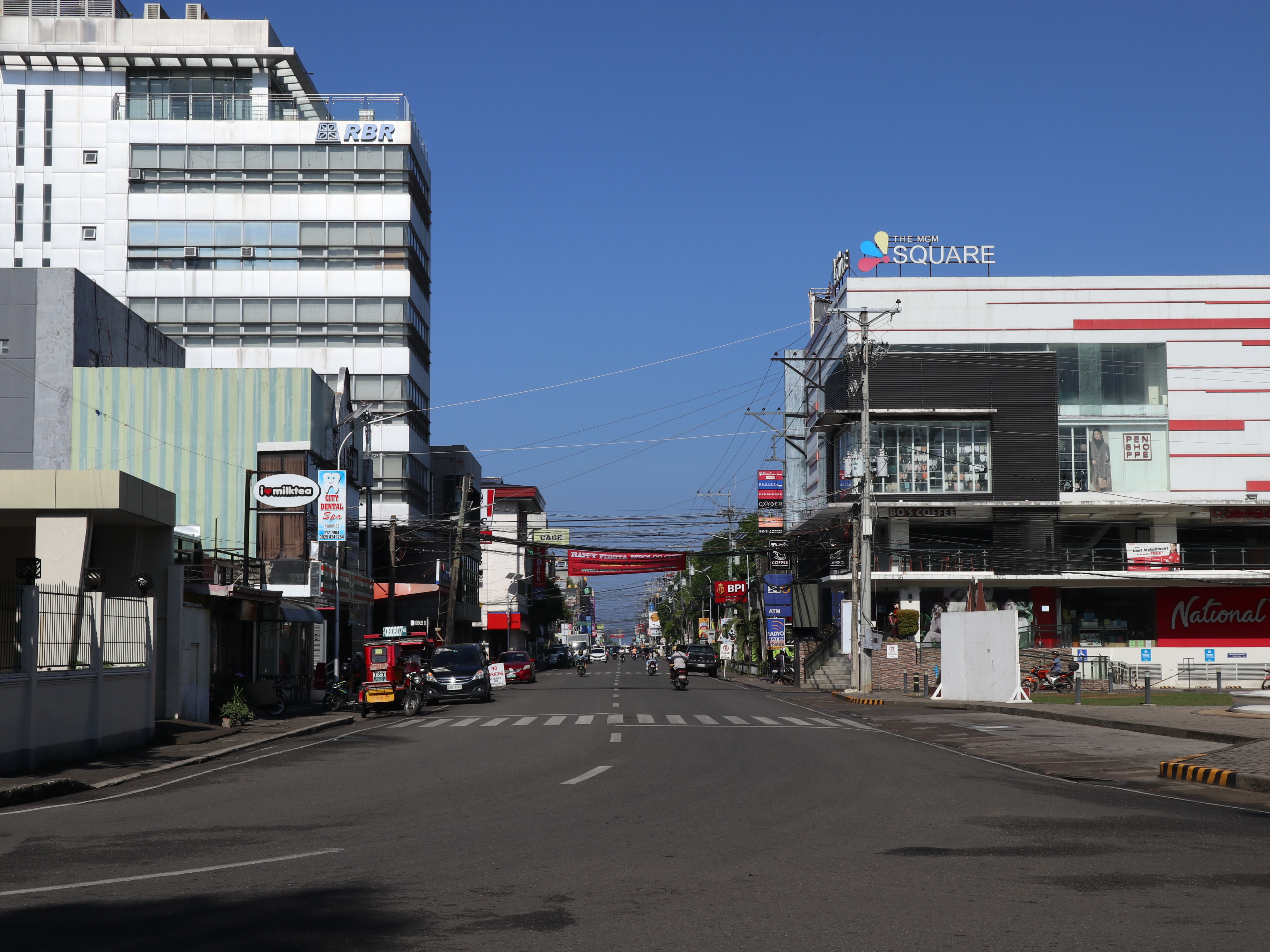
The sardine industry dominates everything here — Dipolog processes more bottled sardines than anywhere else in the Philippines, with multiple canneries employing thousands of locals. Government jobs are plentiful since it's the provincial capital, while the port and airport create logistics work. Small-scale trading thrives thanks to the city's role as the gateway to western Mindanao. English teaching pays around $400-600 monthly, but opportunities are limited. Most expats either run online businesses or work in local NGOs.
A one-bedroom apartment in the center costs $300 monthly, dropping to $200 in outer areas. Tricycles charge 15-20 pesos for city rides, while jeepneys cost 12 pesos. The provincial hospital handles basics, but serious cases require flights to Cebu or Manila — medical evacuation insurance is essential. Most locals speak Cebuano and Tagalog; English works in government offices and with educated residents. Bureaucracy moves at typical Philippine pace, meaning patience and multiple visits for permits.
The tropical climate stays warm year-round with a pronounced wet season from June to November. Fresh seafood dominates the food scene — you'll eat more sardines and tuna than anywhere else. Dipolog Boulevard offers evening walks and weekend festivals, but nightlife is minimal. The expat community numbers maybe 50 people, mostly retirees and missionaries who know each other. This suits budget-conscious retirees seeking authentic Filipino provincial life without tourist crowds.
Estimate the cost of moving to Dipolog, Philippines
Get a free moving cost estimate for moving to Dipolog, Philippines. Takes 10 seconds.
How much are you shipping?
When are you moving?
Powered by Sirelo. Free quotes from international movers.
🏚️ Cost of Living
💰 Budgets and Costs
$275/mo, one person, rent included
Selected: budget lifestyle
Dipolog on a budget budget comes to about $275 a month for one adult, with $79.00 of that going to rent. Beyond rent the estimate covers $75.00 on groceries, $5.00 on dining out, $21.00 on entertainment and lifestyle and $95.00 on utilities and connectivity.
Rent
$79.00/mo
1BR outside the centre
Groceries
$75.00/mo
75% of mid-range grocery spend
Dining out
$5.00/mo
4 inexpensive meals
Entertainment & lifestyle
$21.00/mo
1 cinema trip, 8 cappuccinos
Utilities & connectivity
$95.00/mo
utilities, mobile, internet
Budgets (excl. rent)
Single person$196/mo
Excludes rent. The total above is all-in, rent included.
$337/mo, one person, rent included
Selected: mid-range lifestyle
Dipolog on a mid-range budget comes to about $337 a month for one adult, with $79.00 of that going to rent. Beyond rent the estimate covers $100 on groceries, $14.00 on dining out, $49.00 on entertainment and lifestyle and $95.00 on utilities and connectivity.
Rent
$79.00/mo
1BR outside the centre
Groceries
$100/mo
Staples basket scaled to a full month
Dining out
$14.00/mo
10 inexpensive meals
Entertainment & lifestyle
$49.00/mo
gym, 2 cinema trips, 12 cappuccinos
Utilities & connectivity
$95.00/mo
utilities, mobile, internet
Budgets (excl. rent)
Single person$258/mo
Excludes rent. The total above is all-in, rent included.
$534/mo, one person, rent included
Selected: comfortable lifestyle
Dipolog on a comfortable budget comes to about $534 a month for one adult, with $159 of that going to rent. Beyond rent the estimate covers $140 on groceries, $65.00 on dining out, $75.00 on entertainment and lifestyle and $95.00 on utilities and connectivity.
Rent
$159/mo
1BR in the centre
Groceries
$140/mo
140% of mid-range grocery spend
Dining out
$65.00/mo
6 inexpensive meals + 6 mid-range meals
Entertainment & lifestyle
$75.00/mo
gym, 4 cinema trips, 20 cappuccinos
Utilities & connectivity
$95.00/mo
utilities, mobile, internet
Budgets (excl. rent)
Single person$375/mo
Excludes rent. The total above is all-in, rent included.
Estimates for one adult, built from this city's average prices and the usage shown for each tier. Your spending will differ with how often you eat out and where you live.
A 1BR in the center runs about $158.85/mo. If your income is in another currency, bank FX fees add up. A multi-currency account can cut that cost.
Dipolog is a relatively safe provincial city with a calm, small-town atmosphere that appeals to expats seeking a slower pace. Daytime walking is generally secure, and locals are accustomed to foreign residents. Nighttime safety is reasonable in central areas, though most expats avoid walking alone after dark—standard precaution rather than acute danger. The city's modest size and tight-knit community create natural informal security.
Petty theft and pickpocketing occur occasionally in markets and crowded areas, particularly targeting visibly foreign residents. Scams involving overpayment schemes and rental fraud are documented but not epidemic. Violent crime is rare; most incidents involve locals and are not tourist-targeted. Solo female travelers report feeling safer here than in Manila, though standard precautions apply: avoid displaying valuables, use registered taxis, and stay aware in unfamiliar neighborhoods after sunset.
Dipolog is politically stable with minimal protest activity or corruption concerns affecting daily expat life. Police are generally cooperative and responsive, though bureaucratic inefficiency is common. The city benefits from being outside major conflict zones. For Americans considering relocation, Dipolog offers genuine safety and affordability, making it suitable for retirees and remote workers who appreciate provincial living. It's not risk-free, but realistic precautions make it a secure long-term base.
Dipolog has a tropical climate with warm, humid conditions year-round and a pronounced dry season from November to April, making it ideal for those seeking consistent warmth but requiring adaptation to high humidity and occasional typhoons.
💻 Digital Nomad
Avg Internet Speed
30 Mbps
Internet (monthly)
$24/mo
Coworking Availability
Moderate
Coworking Spaces Nearby
0
Digital Nomad Score
63/100
Community Notes
Dipolog has a growing nomad scene with beautiful coastal attractions.
A popular local option in Dipolog City, offering a basic but functional workspace with reliable internet. It's a good budget-friendly choice for digital nomads looking to connect with the local community.
Located in Dipolog, iDEYA Hub provides a collaborative environment for startups and freelancers. They offer essential amenities like Wi-Fi, printing, and meeting rooms, making it suitable for remote workers.
See how Dipolog's digital nomad life compares with Cebu
🧳 Expat Life
English Proficiency
Common in Tourist Areas
Expat Community
Very Few
Top Neighborhoods
Dipolog City Centre, Estaka
Banks Nearby
27
ATMs Nearby
5
Expat Life Notes
Dipolog is the capital of Zamboanga del Norte in Mindanao, Philippines, a port city known as the 'Gateway to Western Mindanao.' English is spoken nationally. Very few permanent expats reside here.
Pros
✓ English spoken nationwide
✓ Affordable
✓ Gateway port city
Cons
✗ Mindanao security context
✗ Limited expat services
✗ Basic infrastructure
🏘️ Neighborhoods in Dipolog
Areas of Dipolog that expats often consider.
Conditions can change from one block to the next, and these descriptions are general guides, not safety assessments. Before choosing where to stay or live, check current travel advisories, talk to people who live there, and visit in person if you can.
Central Barangay
Bustling city center, convenient
The heart of Dipolog, offering easy access to markets, shops, and restaurants. It can be noisy and crowded, but everything is within walking distance or a short tricycle ride. Many expats choose this area for its convenience, but some find it lacks tranquility.
Barangay Minaog
Residential, quiet, family-friendly
A more residential area slightly removed from the city center. It's quieter and more peaceful, making it suitable for retirees or those seeking a more relaxed environment. Transportation relies on tricycles or personal vehicles, and English proficiency is less common than in the central area.
Barangay Estaka
Coastal, relaxed, beach access
Located along the coast, Estaka offers beach access and a more laid-back atmosphere. It's popular with locals and tourists alike, and some expats choose to live here for the sea breeze and proximity to resorts. Rent can be slightly higher due to its desirable location, and traffic can be heavy during peak season.
Barangay Turno
Developing, affordable, local vibe
A developing area on the outskirts of Dipolog, offering more affordable housing options. It's less developed than the city center, with a more local feel. Transportation is primarily by tricycle or jeepney, and English may not be widely spoken.
Barangay Biasong
Rural, peaceful, agricultural area
A rural barangay further from the city center, characterized by agricultural land and a very peaceful environment. It's ideal for those seeking a truly immersive local experience and a slower pace of life. Access to amenities is limited, and a personal vehicle is almost essential.
Sunset Boulevard Area
Scenic, restaurants, social hub
While not a formal barangay, the area along Sunset Boulevard is a popular gathering spot with restaurants and bars overlooking the sea. It's a social hub, especially in the evenings, and some apartments are available nearby. Expect higher prices due to the location and potential for noise.
Page 1 of 2
Could living/working in Dipolog cut years off your work life?
With a 1-bedroom in the center at $159/mo, your FIRE number here might be much lower than you think.
Dipolog has a population of approximately 136,528 people.
A single person can expect to spend around $397 per month in Dipolog, including rent. A 1-bedroom apartment in the city center costs approximately $159/month.
The nearest airport to Dipolog is DPL, approximately 1.7km away.
Dipolog is considered relatively safe, with a safety index of 73.0. As with any city abroad, expats should research specific neighborhoods before committing to a location.
Dipolog has an average internet speed of 30 Mbps. It is considered a well-established digital nomad destination.
Very limited. English teaching pays $400-600 monthly, some NGO work exists, and the port creates occasional logistics opportunities. Most expats run online businesses or are retirees. Work permits require Manila processing.
Fly via Cebu or Manila to Dipolog Airport, or take ferries from Dumaguete or Bohol to the port. Local transport uses tricycles (15-20 pesos) and jeepneys (12 pesos). The city connects to western Mindanao via the nautical highway system.
For those seeking a more upscale experience, consider Barangay Central or Minaog, which offer larger homes and closer proximity to amenities. Budget-conscious expats often find good value in areas like Barra or Galas, where rental costs are lower and local markets are easily accessible.
Dipolog has a tropical climate with consistently warm temperatures throughout the year. Expect average temperatures in the range of 75-90°F (24-32°C). The rainy season typically runs from June to November, with the driest months being March and April.
Internet speeds in Dipolog can be variable. While fiber optic is available in some areas, speeds may not be as consistently fast as in major cities. Expect speeds ranging from 10-50 Mbps, which is generally sufficient for most remote work tasks, but it's wise to confirm speeds with your provider before committing to a long-term stay.
Coworking spaces are not yet widely established in Dipolog. However, some cafes and hotels offer reliable internet and comfortable workspaces. It's best to inquire locally about options upon arrival, as new spaces may emerge.
The most common modes of transportation in Dipolog are tricycles and jeepneys. Tricycles are ideal for short distances within the city, while jeepneys cover longer routes. Fares are very affordable. You can also rent a motorbike for greater flexibility.
The local language is Cebuano (Bisaya), but Filipino (Tagalog) is also widely understood. English proficiency is relatively good, especially among younger generations and those working in tourism or customer service. Learning some basic Cebuano phrases will be appreciated by locals.
Groceries and dining out are significantly cheaper in Dipolog than in the US. You can buy fresh produce and local ingredients at very affordable prices in the public markets. Eating at local restaurants (carinderias) is incredibly budget-friendly, with meals costing just a few dollars.
US citizens can enter the Philippines visa-free for up to 30 days. For longer stays, you'll need to apply for a visa. Common options include tourist visa extensions, the Special Resident Retiree's Visa (SRRV), or visas based on employment or investment. Consult with a local immigration lawyer for the most up-to-date information.
Healthcare in Dipolog is adequate for routine medical needs, but may not be as advanced as in the US. There are several hospitals and clinics in the city. While not all doctors are fluent in English, many have a good command of the language. For serious medical conditions, some expats may choose to travel to larger cities like Cebu or Manila.
As a US citizen, you are required to file US taxes even when living abroad. The Foreign Earned Income Exclusion (FEIE) can help you exclude a certain amount of your foreign-earned income from US taxes. You may also need to report foreign bank accounts if the total value exceeds $10,000 (FBAR). Consult with a tax professional specializing in expat taxes.
The expat community in Dipolog is relatively small but growing. You can connect with other expats through online forums, social media groups, and local events. Building relationships with locals is also a great way to integrate into the community.
Several options exist for international money transfers, including online services like Wise (formerly TransferWise), Remitly, and Xoom. Banks also offer wire transfer services, but these may come with higher fees. ATMs are readily available in Dipolog, but check with your bank about international transaction fees.
Cost-of-living and visa updates for Dipolog and the rest of Philippines. Free with RA Postcards.
By submitting your email address, you will receive a free subscription to RA Postcards and special offers from Rewire Abroad and our affiliates. You can unsubscribe at any time, and we encourage you to read more about our Privacy Policy.