Processing Time
~2 wks
Difficulty
Difficult
Duration
24 months
Overview
Getting the income story straight
Most people preparing for this one assume the paperwork problem is proving they earn enough. It usually isn't. The harder problem is proving where the money actually comes from and that it will keep coming in the same shape after you land. Because local work is permitted under this visa, unlike most digital nomad programs that explicitly forbid touching the local economy, the income picture you present has to survive a slightly different kind of scrutiny: officers reviewing this file are used to seeing either pure foreign-sourced income or pure zone-employment income, and a hybrid of the two, freelance US clients plus a side contract with a Philippine company, needs to be documented as two separate streams rather than one blended deposit history.
Start building the paper trail before you start the application, not during it. Bank statements that show three or four round-number deposits landing right before a filing date read as staged, even when they aren't, and that reading slows a reviewer down. What holds up is invoices that match deposits, contracts that match invoices, and a pattern that goes back further than the minimum window anyone asked you for. If you're a freelancer with several US clients, keep the client list and the payment cadence consistent for a few months before you apply rather than consolidating everything into one clean-looking transfer the week you file.
One thing that trips up people coming from more retirement-oriented visa markets: pension income isn't recognized here, and social security payments don't count toward your file either. This visa was built around active earners, not people living off a fixed monthly draw, so if part of your household income is a pension or a social security check, don't plan around it counting for anything on this application. Structure the file around earned income you can invoice and document, and treat any pension or social security money as a bonus that doesn't need to appear in the case you're building.
Eligibility Requirements
Duration
24 months
W2 Employee (foreign employer)
Requirements Checklist
Tax Information
Worldwide Taxation Hits Fast in the Philippines
Live in the Philippines long enough and the Bureau of Internal Revenue stops caring where your paycheck comes from. Stay beyond 180 days in a calendar year and you move out of the flat 25% non-resident classification into resident territory, where the government taxes worldwide income: your US remote salary, freelance invoices billed to American clients, dividends sitting in a Schwab account, rental checks from a house back in Ohio, all of it becomes Philippine taxable income once you're treated as a resident alien or resident citizen. There is no remittance test softening this. Money never touched in the Philippines still counts.
As of 2026 the progressive schedule runs from 0% on the first ₱250,000 (about $4,460) up to 35% on anything above ₱8,000,000 (about $142,800), with intermediate steps at 20%, 25%, 30%, and 32%. Dividends from Philippine corporations sit outside that ladder entirely, pulled off at a flat 10% final withholding for resident citizens and resident aliens, before you ever see the money.
Capital gains run on their own separate track too. Sale of unlisted domestic shares gets taxed at 15% of the net gain, real property located in the Philippines gets taxed at 6% of the gross selling price or fair market value, whichever is higher, and shares traded on the exchange skip capital gains tax altogether in favor of a 0.6% stock transaction tax on the gross sale price. None of these are optional add-ons to your ordinary rate; they're final taxes that apply regardless of your income bracket.
If you land a job with a PEZA-registered company inside one of the special economic zones, the math can look very different. As of 2026, employees of PEZA enterprises may qualify for a 5% gross income tax regime in place of the progressive brackets above, a swap that can more than halve your effective rate on that paycheck. The catch is that this treatment applies primarily at the enterprise level, and whether it extends to your personal income tax return depends entirely on how your specific employer registered with PEZA. It does nothing for dividends, capital gains, or any income earned outside the zone entity, and there's no automatic guarantee attached to the job title alone. Before you sign anything, ask the employer directly whether their PEZA registration covers employee-level income tax treatment, and have a local tax advisor confirm it in writing rather than taking a recruiter's word for it.
Where the IRS Still Gets Its Cut
None of this touches your US filing obligation. Citizens and green card holders owe a US return regardless of address, and the Foreign Earned Income Exclusion lets you shelter up to $132,900 of 2026 earned income, salary or freelance revenue, from US tax provided you pass either the bona fide residence test or the 330-day physical presence test. Given how long visa-eligible stays run here, clearing either test is realistic. But FEIE only reaches earned income. Dividends, capital gains, rental income, pension distributions, and Social Security payments remain fully taxable on your US return no matter how long you've lived in Manila or Cebu.
This is where the Foreign Tax Credit carries more of the load than FEIE for most people here. Because Philippine rates climb to 35%, higher than or comparable to US brackets across much of the income scale, tax already paid to the BIR on Philippine-source income can offset US liability dollar for dollar through Form 1116. There's no US-Philippines tax treaty to lean on, so there's no treaty article reshuffling which country gets first bite; you're working this out through FEIE, FTC, and straight double-taxation arithmetic. Foreign pension income, 401(k) and IRA distributions, and Roth withdrawals all get taxed again by the Philippines at ordinary progressive rates once you're a resident, since neither Philippine law nor existing US-Philippines arrangements carve out an exception for US retirement accounts.
This particular visa doesn't force you to open a Philippine bank account, but most people staying any real length of time end up with one anyway, often at BDO, BPI, or Metrobank. Once the combined balance across all your foreign accounts crosses $10,000 at any single point during the year, FinCEN Form 114 becomes mandatory. Miss it and the non-willful penalty starts at the statutory $10,000 figure, adjusted for inflation to roughly $16,700 for 2026, and that number climbs every year whether or not you owed a cent of actual tax.
The mistakes that cost money in year one are predictable and specific to this setup. Someone takes a PEZA job and never confirms whether their employer's registration actually extends the 5% rate to employees, then finds out at filing time it doesn't. Someone picks between bona fide residence and physical presence without running both scenarios against their real travel dates. Someone opens a peso account for rent and daily expenses, lets the balance drift past $10,000, and forgets FBAR exists until a bank starts asking FATCA questions. A first-year advisory engagement, typically $1,500 to $3,000, is inexpensive compared to a missed regime election or a penalty notice that grows every year it sits unresolved.
Living in Philippines
COL Index vs NYC
28.8
Monthly Cost (excl. rent)
$521
1BR Rent (City Center)
$333
Safety Index
56.9
Healthcare Index
67.3
Quality of Life Index
96.9
Time Zone
UTC+08:00
Capital
Manila
Population
109.6M
Official Languages
English, Filipino
Avg Internet Speed
187 Mbps
Public Transit Quality
Fair
With a budget covering rent and living costs, you'd need roughly $854/mo for a comfortable single-person lifestyle in Philippines.See how far your money goes →
🏙️ Best Cities in Philippines for Digital Nomads
 69
69 70
70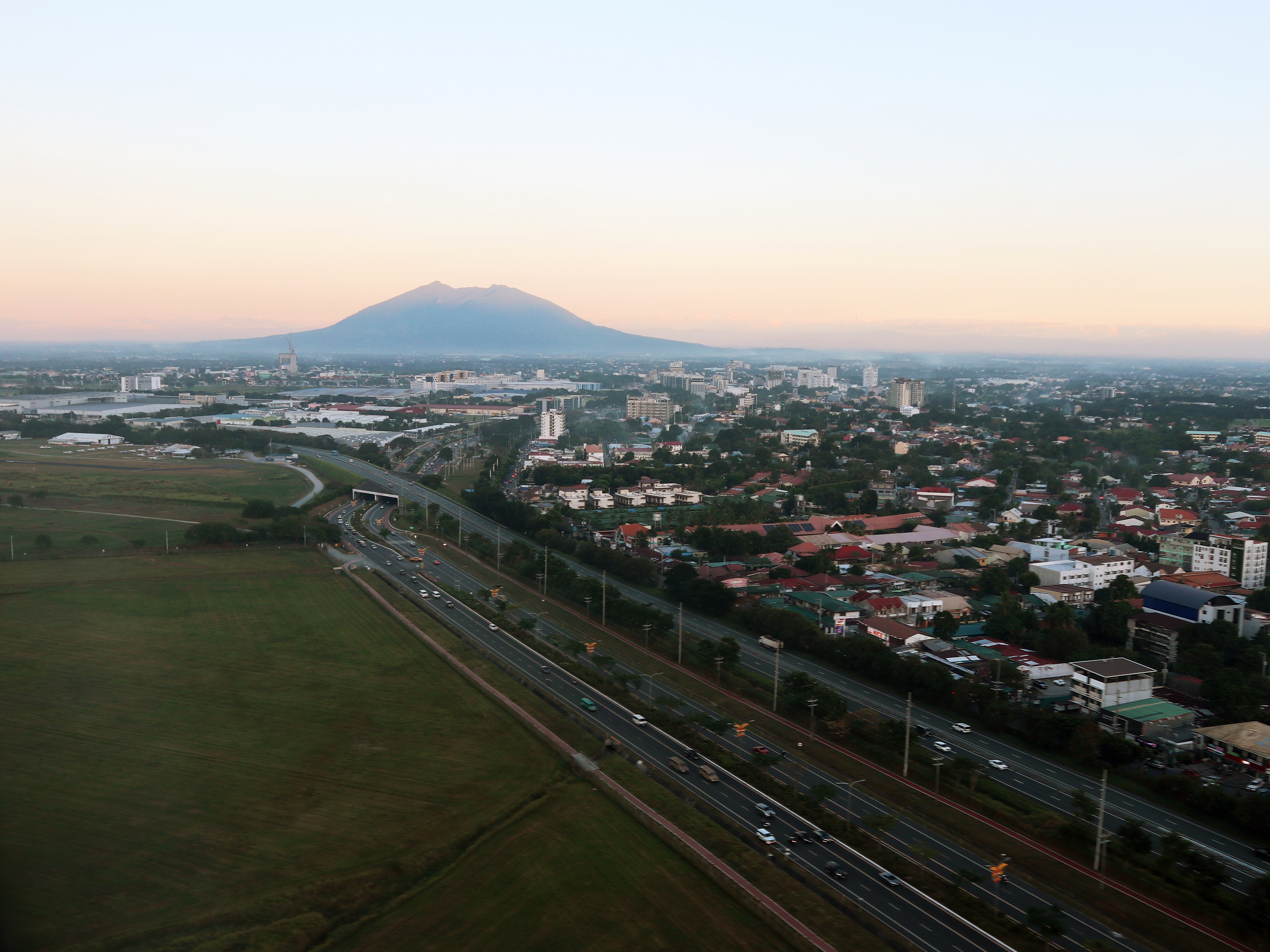 71
71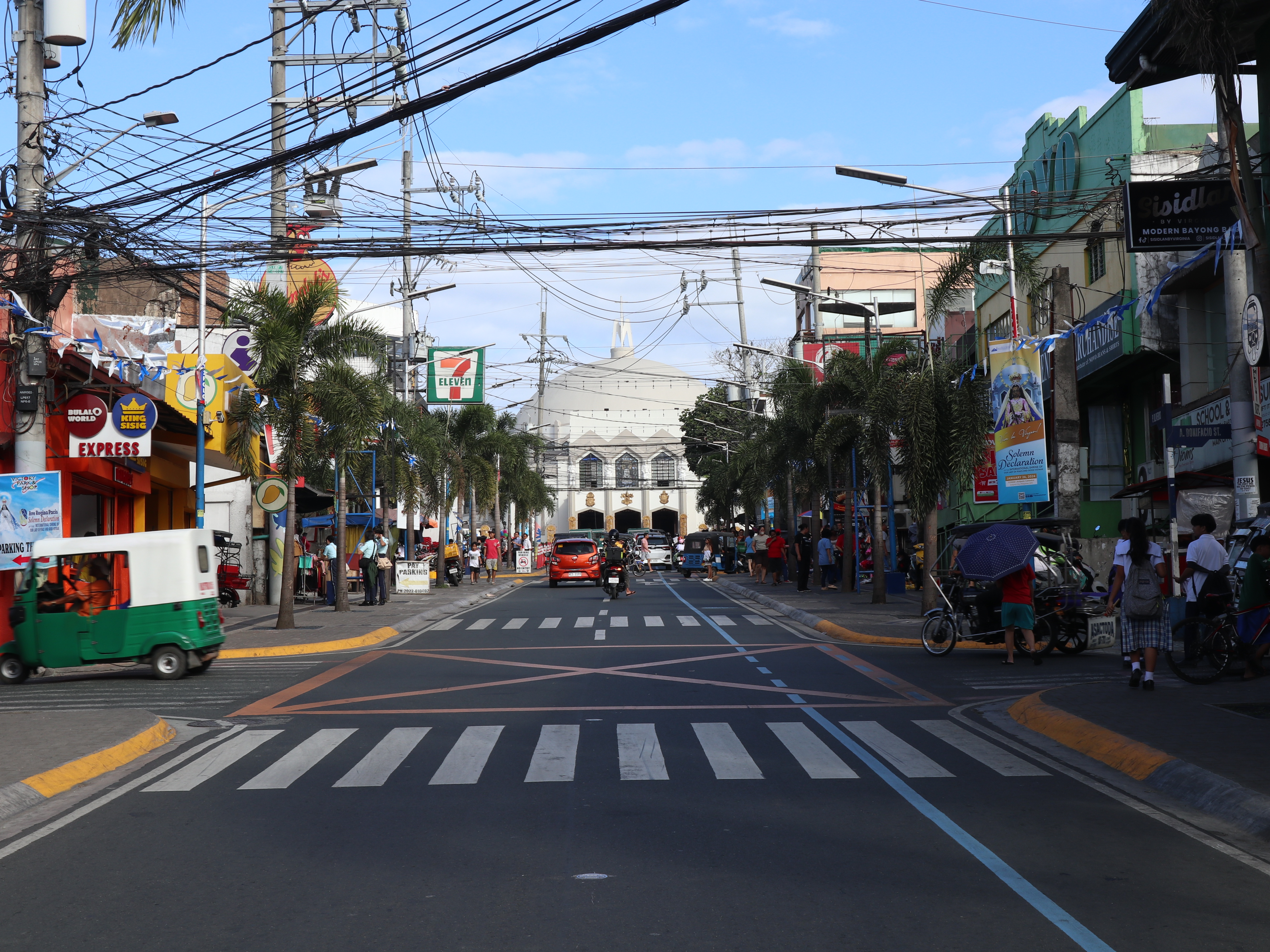 71
71 71
71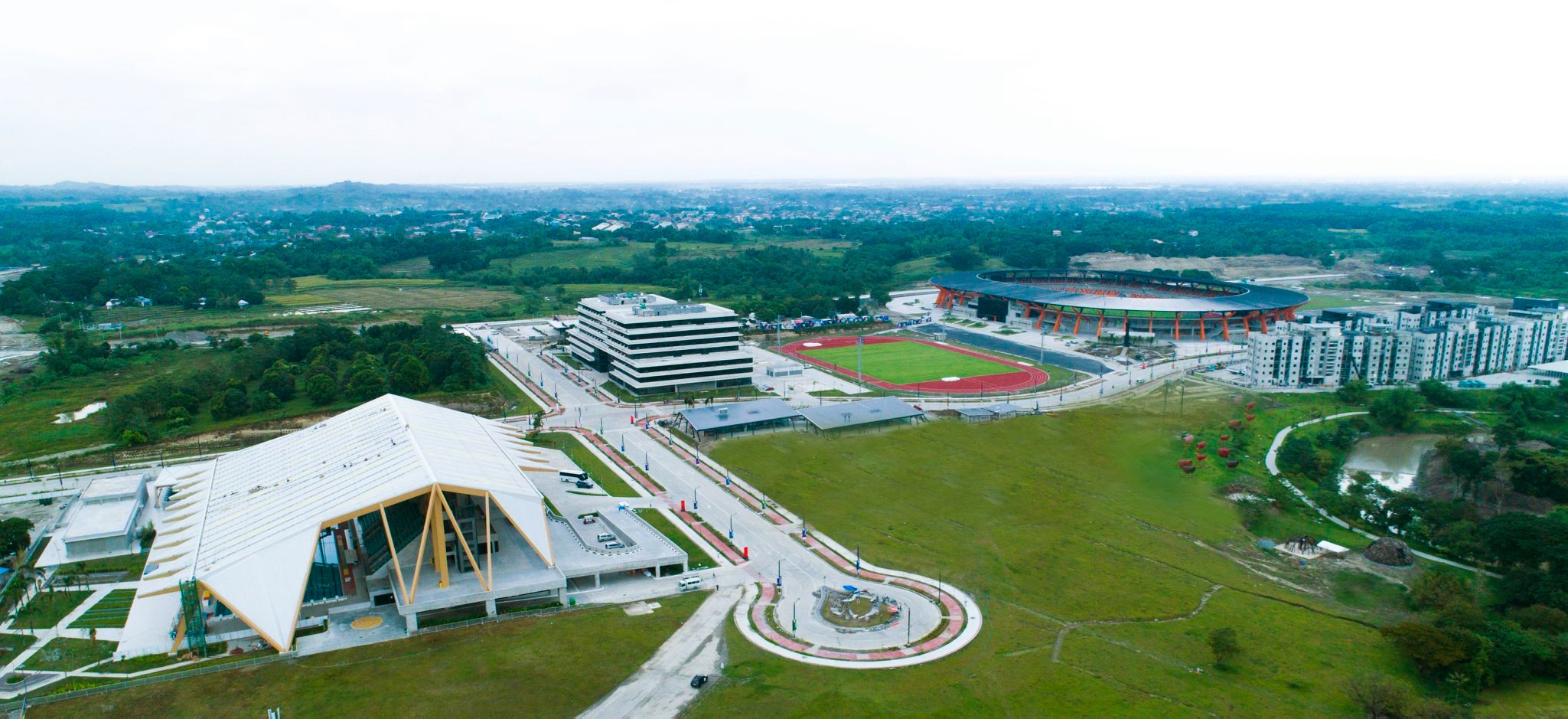 73
73The housing timing mistake that costs people
The zone structure behind this visa means your address isn't incidental, it's tied to where you're legally allowed to be based, and that changes the order in which people should be doing things. The instinct is to sign a year-long lease first, feel settled, and then start the visa paperwork from a place of stability. That's backwards here. Committing to long-term housing before your permit is in hand means you're locking in a location bet before you know your file will clear, and it puts you in the position of either eating a broken lease or scrambling to extend a short-term stay if timing runs long.
The safer sequence is a short-term arrangement, a serviced apartment or extended-stay booking inside or near the zone you intend to be based in, held for the length of processing plus a buffer, with the longer lease signed only once the permit is actually issued. Processing here tends to move fast, often around two weeks at the minimum end as of 2026, so the buffer doesn't need to be large. But "fast" and "guaranteed" aren't the same thing, and people who sign a twelve-month lease the week they submit paperwork are betting on a best-case timeline holding.
The other mistake is treating a hotel booking as sufficient proof of address. It's proof you have somewhere to sleep, not proof you have a fixed base inside an eligible zone, and reviewers know the difference. Get something with an actual address and a lease document, even a short one, rather than a printout from a booking site.
What happens after the visa stamp
Getting the visa approved feels like the finish line, and for a lot of applicants it's treated that way, but the stamp in your passport is the start of a second, quieter process rather than the end of the first one. There's no medical exam standing between you and that stamp, and no apostille requirement adds friction on the front end, which truly does make the initial approval faster than a lot of comparable programs. What it doesn't do is eliminate the local registration steps that come after arrival.
Plan for a stretch of weeks after landing where you're legally present but not yet fully squared away administratively, still gathering local documentation, still finishing registration steps that don't happen automatically just because your visa was approved. Health insurance has to be in place and active, not just purchased and sitting in an inbox as a policy document, because it's something you'll likely need to show again once you're dealing with local authorities rather than a consulate abroad.
Don't schedule anything that assumes full documentation on day one, big local purchases, contracts, anything that requires a completed local paper trail. Give yourself room between "the visa was approved" and "I'm fully sorted here" instead of assuming they happen on the same day.
The permanent residency you won't get
This is the piece that catches people off guard because the visa is renewable and issued for a truly long initial stretch, two years, which makes it feel like the first rung of a longer staircase. It isn't built as one. Renewability here means you can keep extending your stay in two-year blocks for as long as you keep qualifying, not that each renewal moves you closer to permanent status or citizenship. There's no conversion path built into this program the way there is with some employer-sponsored or investment-based categories elsewhere.
If your actual goal is to settle in the Philippines long-term, this visa is a good way to live there for a while, not a way to get there permanently. That's worth deciding on up front rather than three or four renewals in, because the visa track you'd need for permanent residency is a different one with its own income and documentation requirements, and switching tracks mid-stream costs you time you didn't need to lose. Treat this program as what it is: a comfortable, renewable holding pattern for people who want years in the country without needing the country to want them back permanently.
Philippines or another Digital Nomad base
Set next to most other remote work visas aimed at the same income bracket, this one wins on friction. No interview, no medical exam, no apostille chain, no FBI background check, and processing that moves in weeks rather than months. For someone earning steadily from US clients who wants to be operational quickly with dependents in tow, this is about as low-friction as the category gets, and the ability to take on local work without violating your status is a real point of difference from programs that require you to keep every dollar foreign-sourced.
Where it loses is on the horizon. If the plan six or seven years out includes citizenship, or even settled permanent status, this program simply doesn't connect to that outcome, and no amount of renewing changes that. A lot of other digital nomad routes have the same limitation, so this isn't unusual, but it's worth being honest about before choosing a country on the strength of "renewable" alone. The decision that actually matters isn't which visa processes faster or asks for less paperwork this year, it's whether you're optimizing for years in a place or a future there, and those two goals point toward different programs even when the entry requirements look similar on the surface.
If the goal is a fast, flexible, multi-year base with room to earn locally and abroad at the same time, this is a strong choice. If the goal is eventually staying for good, treat this as a placeholder and start the residency-track paperwork on a separate clock from day one.
Work Permissions
Application Steps
- 1
Research
Verify all requirements for this visa type and country
- 2
Gather documents
Obtain all required documents (passport, financial statements, health insurance, etc.)
- 3
Complete application
Fill out the official application form
- 4
Submit application
Submit all documents to the appropriate consulate or online portal
- 5
Pay fees
Complete payment of application and visa fees
- 6
Attend interview
If required, attend any scheduled interviews
- 7
Wait for decision
Processing times vary from weeks to months
- 8
Travel and activate
Once approved, travel to the country and complete any activation requirements
This visa requires proof of health insurance. Compare international plans before you apply.
Compare health insuranceWe may earn a commission at no cost to you.
Compare this visa
Curated comparisons that include this route.
Frequently Asked Questions
Click any question to expand the answer.
Ready to Apply?
Work with trusted visa specialists who handle the paperwork so you can focus on your move.
Get help with this visa →* We may earn a commission if you apply through our link
At a Glance
Last verified: June 8, 2026