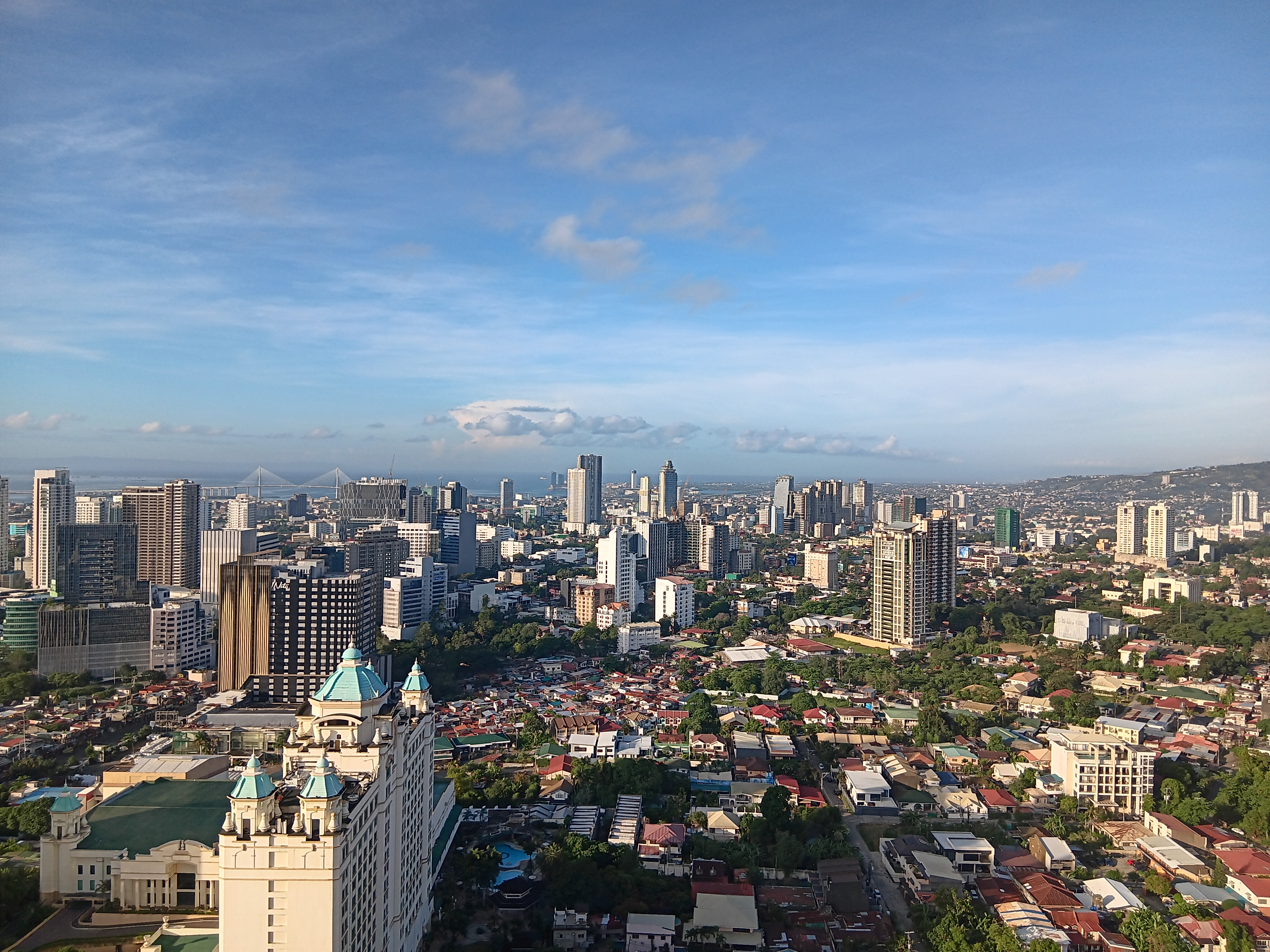
Cebu, Philippines Hero Image
Wikipedia Contributor, CC BY-SA

Cebu, Philippines

🌊 Coastal

Data updated Oct 8, 2026

Follows Philippines Residency Rules. Check Digital Nomad & Retiree Pathways →

📊 Scores

84
FIRE
69
Retiree
77
Digital Nomad

Best fit: FIRE / Geoarbitrage (score: 82)

Cebu sits on the eastern shore of Cebu Island in the central Philippines, a tropical city with warm temperatures and high humidity year-round. Its elevation is just 15 meters above sea level, and the city is home to roughly 1.4 million people. Expats tend to cluster in IT Park, Business Park, and Banilad, neighborhoods known for their modern condos, cafes, and easy access to work and leisure. The climate stays consistently warm, making it a place where light clothing and air conditioning are part of daily life.

Living costs in Cebu are remarkably low by Western standards. A one-bedroom apartment in the city center rents for $508/mo, while the same unit outside the center costs $304/mo. A three-bedroom in the center runs $1,068/mo, dropping to $628/mo outside it. A single adult can live on a budget tier total of $486/mo, a mid-range tier of $676/mo, or a comfortable tier of $927/mo, all including rent. Excluding rent, a single person spends about $548/mo, and a family of four spends $1,935/mo. Utilities run $121/mo, internet $28/mo, a mobile plan $14/mo, and a monthly public transport pass costs just $12/mo. A meal at an inexpensive restaurant is $3, a three-course meal for two at a mid-range spot is $24, and a cappuccino is $3. The average monthly net salary for locals is $341/mo, which puts expat budgets in sharp relief.

Safety in Cebu is moderate, with a safety index of 67/100 and a crime index of 33/100, where lower is safer. The air quality index is 45, which is considered acceptable. Healthcare quality is rated as good, and English is common in tourist areas, so navigating clinics and hospitals is generally straightforward for foreigners. The expat community is large and active, which helps newcomers settle in and find recommendations for doctors, dentists, and other services.

For long-term stays, the Philippines SRRV Retirement Visa requires a minimum monthly income of $1,500/mo, and the Philippines SEZ Remote Work Visa (PEZA Zone) is available for digital nomads. The nearest airport is CEB, located 40 km from the city. Cebu suits retirees looking for a low-cost tropical base, remote workers who value fast internet at 41 Mbps, and anyone comfortable with a cost of living index of 31/100 compared to New York City. With an overall expat score of 82/100, a FIRE score of 84/100, and a digital nomad score of 77/100, it is a practical choice for those prioritizing affordability and community.
Estimate the cost of moving to Cebu, Philippines

Get a free moving cost estimate for moving to Cebu, Philippines. Takes 10 seconds.

How much are you shipping?

When are you moving?

Powered by Sirelo. Free quotes from international movers.

🏚️ Cost of Living

💰 Budgets and Costs

$705/mo, one person, rent included
Selected: mid-range lifestyle

Cebu on a mid-range budget comes to about $705 a month for one adult, with $304 of that going to rent. Beyond rent the estimate covers $122 on groceries, $30.00 on dining out, $74.00 on entertainment and lifestyle, $163 on utilities and connectivity and $12.00 on transport.

Rent

$304/mo

1BR outside the centre

Groceries

$122/mo

Staples basket scaled to a full month

Dining out

$30.00/mo

10 inexpensive meals

Entertainment & lifestyle

$74.00/mo

gym, 2 cinema trips, 12 cappuccinos

Utilities & connectivity

$163/mo

utilities, mobile, internet

Transport

$12.00/mo

Monthly pass

Budgets (excl. rent)

Single person$401/mo

Excludes rent. The total above is all-in, rent included.

Estimates for one adult, built from this city's average prices and the usage shown for each tier. Your spending will differ with how often you eat out and where you live.

A 1BR in the center runs about $508.05/mo. If your income is in another currency, bank FX fees add up. A multi-currency account can cut that cost.

See low-fee transfers

We may earn a commission at no cost to you.

See how Cebu's cost of living compares with Bonifacio Global City

Be the first to report costs in Cebu

Share

🛡️ Safety & Crime

67
Safety Index

(Higher is safer)

33
Crime Index

(Lower is safer)

Cebu feels moderately safe for expats in established areas like Banilad, IT Park, and Lahug, where you'll see regular foot traffic and security presence. Daytime walking is generally comfortable; nighttime requires standard caution—avoid isolated streets and use registered taxis or ride-sharing apps. The city's safety reputation is better than many Southeast Asian hubs, though petty crime exists and situational awareness matters.

Petty theft, bag snatching, and pickpocketing occur in crowded markets and public transport; violent crime against expats is rare but not unheard of. Avoid Southbound, Carbon Market after dark, and displaying expensive jewelry or electronics. Solo female travelers report feeling reasonably safe in tourist and expat zones but should use buddy systems at night. Scams targeting foreigners (overpriced services, fake tours) are common but rarely dangerous.

The Philippines has low political instability in Cebu specifically, though national corruption and police reliability vary. Local police are generally cooperative with expats but bribery exists in traffic stops. The city benefits from being a major economic hub with established expat infrastructure. For a 30-65 American considering relocation, Cebu is genuinely viable—safer than Manila, with good healthcare and lower costs, provided you stay in established neighborhoods and maintain basic street smarts.

🏥 Healthcare

Good
Public Hospitals
Yes
Private Clinics
No
English-Speaking Doctors
Available

See how Cebu's healthcare compares with Bonifacio Global City

🌤️ Climate

Summer Temp
32°C
Winter Temp
24°C
Humidity
78%
Air Quality Index
45
Annual Rainfall
2376 mm

Best Months

MayJunJulAug

Climate Notes

Tropical climate with warm temperatures and high humidity year-round.

💻 Digital Nomad

Avg Internet Speed
41 Mbps
Internet (monthly)
$28/mo
Coworking Availability
Abundant
Coworking Spaces Nearby
0
Digital Nomad Score
77/100

Community Notes

Cebu offers a lively urban culture with easy access to beautiful beaches.

Coworking Spaces

NameNotes
The Company CebuLocated in Cebu Business Park, The Company offers a modern, professional environment with fast internet, meeting rooms, and a strong community vibe. It's a good option for expats seeking a reliable and well-equipped workspace.
iioffice CebuLocated in Cebu IT Park, iioffice provides a premium coworking experience with ergonomic furniture, private phone booths, and 24/7 access. Its central location and high-quality amenities make it attractive for digital nomads.
Regus CebuWith multiple locations across Cebu, including Cebu Business Park and IT Park, Regus offers a consistent and professional coworking experience. It's a reliable choice for those familiar with the Regus brand and seeking a flexible workspace solution.
Weremote Coworking CafeLocated in Mandaue City, Weremote offers a more relaxed and casual coworking environment with a cafe atmosphere. It's a good option for those seeking a budget-friendly workspace with a community feel.

Names, locations and hours can change. Check each space's website before you visit. Places from © OpenStreetMap contributors and Foursquare Open Source Places (Apache 2.0).

Planning to live in Cebu long-term? Philippines SEZ Remote Work Visa (PEZA Zone) lets remote workers live legally.

View full requirements →

Working remotely from Cebu? Nomad health insurance covers you across borders, month to month.

See nomad insurance

We may earn a commission at no cost to you.

See how Cebu's digital nomad life compares with Bonifacio Global City

🧳 Expat Life

English Proficiency
Common in Tourist Areas
Expat Community
Large & Active
Top Neighborhoods
IT Park, Business Park, Banilad
Banks Nearby
1
ATMs Nearby
4

Expat Life Notes

Cebu is a major hub for digital nomads and outsourcing, offering a mix of urban life and beach access.

Pros

  • ✓ Native English
  • ✓ Affordable housing
  • ✓ Central island travel hub

Cons

  • ✗ Heavy traffic
  • ✗ Poor air quality in center
  • ✗ Frequent typhoons

🏘️ Neighborhoods in Cebu

Areas of Cebu that expats often consider.

Conditions can change from one block to the next, and these descriptions are general guides, not safety assessments. Before choosing where to stay or live, check current travel advisories, talk to people who live there, and visit in person if you can.

Lahug

Bustling, convenient, central location

Lahug is a popular choice for expats due to its proximity to IT Park, major malls, and universities. It's a lively area with plenty of restaurants and nightlife, but can be noisy. Public transportation is readily available, but traffic can be heavy.

Mandaue City

Industrial, commercial, more affordable

Just north of Cebu City, Mandaue offers more affordable housing options and a mix of residential and commercial areas. While it's less touristy than Cebu City, it still has plenty of amenities and is well-connected by public transport. Traffic can be a major issue.

Banilad

Residential, upscale, convenient amenities

Banilad is a more upscale residential area with good schools and shopping centers like Gaisano Country Mall and Streetscape. It's popular with families and offers a quieter atmosphere than downtown Cebu City. While walkable in some areas, a car or taxi is often necessary.

Guadalupe

Local, residential, budget-friendly living

Guadalupe offers a more local experience and is a good option for those on a budget. It's a densely populated residential area with a bustling market and plenty of small shops. English proficiency may be lower here, and navigating can be challenging for newcomers.

Page 1 of 2

Could living/working in Cebu cut years off your work life?

With a 1-bedroom in the center at $508/mo, your FIRE number here might be much lower than you think.

Calculate My FIRE Date →

🛂 Visa Options for Philippines

Many long-stay visas require proof of health insurance. Compare international health plans before you apply.

Compare health insurance

We may earn a commission at no cost to you.

🛂

Earning over $1,500/mo? You may qualify for a Philippines visa.

Answer 11 questions and get a personalized match in under 2 minutes.

Find My Visa →

More Cities to Consider instead of Cebu

FAQ

Frequently Asked Questions about Cebu

Click any question to expand the answer.

Cebu has a population of approximately 1,412,726 people.
A single person can expect to spend around $1,270 per month in Cebu, including rent. A 1-bedroom apartment in the city center costs approximately $508/month.
The nearest airport to Cebu is CEB, approximately 39.6km away.
Cebu is considered relatively safe, with a safety index of 67.0. As with any city abroad, expats should research specific neighborhoods before committing to a location.
Cebu has an average internet speed of 41 Mbps. It is considered a well-established digital nomad destination.
The most common routes are the Special Resident Retiree's Visa (SRRV), which requires a $10,000–$20,000 deposit depending on age and pension status, and the 13A spouse visa if married to a Filipino citizen. Many digital nomads simply do visa runs or use the tourist visa extension system, which allows stays up to 36 months total through repeated extensions at the Bureau of Immigration — expect queues and inconsistent processing times.
Fiber internet is widely available in central Cebu through PLDT and Converge, with plans offering 100–300 Mbps for around $25–$45/month. In practice, speeds are reliable in IT Park and Lahug but can degrade in outer areas. Power outages (brownouts) still occur, especially during summer months — a UPS or backup battery is worth having. Coworking spaces in IT Park are well-equipped and cost roughly $80–$150/month for a hot desk.
Cebu offers a significantly lower cost of living than the US. Expect to pay $600-$1200 USD per month for rent depending on the neighborhood (e.g., Lahug vs. a more local area), $300-$500 for groceries, and $5-$15 for dining out. Overall, you can live comfortably on $1500-$2500 USD per month.
English is widely spoken in Cebu, especially in business and tourist areas. You'll find most people can communicate effectively, though learning some basic Cebuano phrases will definitely enhance your experience and be appreciated by locals.
Popular expat neighborhoods include Lahug, Banilad, and Cebu Business Park, offering modern amenities and proximity to shopping and restaurants. For a more budget-friendly and local experience, consider areas like Mandaue City or Talisay City, though you might sacrifice some convenience.
Cebu has several reputable private hospitals like Chong Hua Hospital and Cebu Doctors' University Hospital that offer good quality care. While public healthcare is available, expats generally opt for private facilities. Many doctors speak English, and healthcare costs are significantly lower than in the US.
Cebu has a tropical climate with high humidity year-round. The dry season is generally from December to May, while the rainy season is from June to November. Expect average temperatures between 75°F and 90°F (24°C to 32°C).
Public transportation options include jeepneys (cheap but crowded), buses, taxis, and ride-hailing apps like Grab. Traffic can be heavy, especially during peak hours. Renting a car is an option, but driving can be challenging. Many expats hire a driver for convenience.
Cebu's low cost of living allows retirees to stretch their income significantly. Housing, food, and entertainment are much cheaper than in the US. You can live comfortably on a fraction of what you'd need back home, freeing up funds for travel and leisure.
Several international and local banks operate in Cebu, including BDO, Metrobank, and Security Bank. Opening an account requires a valid visa and passport. ATM fees can be high, so consider using online transfers or opening an account with a bank that has international partnerships.
Cebu has a growing expat community, with active social groups and online forums. You can easily connect with other expats through Facebook groups, meetups, and social events. This can help ease the transition and provide support.
Expect a slower pace of life, less emphasis on punctuality, and a more collectivist culture. Traffic congestion, different hygiene standards, and language barriers (outside tourist areas) can also be challenging initially. Patience and an open mind are key.
Yes, Cebu is a very viable option for FIRE, especially if you have passive income streams. The low cost of living allows you to retire comfortably on a smaller nest egg. However, research local investment options carefully and consult with a financial advisor familiar with international investments.
As a US citizen, you're still required to file US taxes even when living abroad. The Foreign Earned Income Exclusion (FEIE) can help you exclude a certain amount of your foreign-earned income from US taxes. You may also need to report foreign bank accounts (FBAR) if they exceed a certain threshold. Consult with a tax professional specializing in expat taxes.
Cebu is generally safe, but petty crime like pickpocketing and scams can occur, especially in crowded areas. It's best to avoid walking alone at night in poorly lit areas. Research specific neighborhoods before venturing out, and be aware of your surroundings.
Internet speeds in Cebu are generally reliable, especially in urban areas. You can expect speeds of 25-50 Mbps for home internet, which is sufficient for most remote work tasks. Coworking spaces often offer even faster speeds. Check internet provider reviews before signing up for a plan.

Share This Guide