Min Monthly Income
$1,500
Application Fee
$1,500
Difficulty
Moderate
Overview
For an American, Canadian, or Australian retiree, the SRRV hinges on two numbers: a minimum lifetime pension of at least USD 800/month (USD 1,000/month with dependents) and a USD 15,000–30,000+ retirement deposit, with USD 15,000 as the lowest standard threshold and at least USD 50,000 if you want to convert the deposit into an active investment such as a condo or long lease. Social Security, military pensions, and private annuities all count toward the USD 800/month requirement. Remote work, freelancing, and local employment are not allowed under this visa, so your qualifying income needs to be pension-type, not wages.
The financial structure is unusual compared to income-only schemes like Thailand’s O‑A or Panama’s Pensionado. Here you fund a USD 15,000+ time deposit in a PRA‑accredited Philippine bank (a local bank account is mandatory) plus an application fee of USD 1,500 and an ongoing PRA annual fee of USD 360/year that covers the principal and up to 2 dependents. The deposit can, under specific conditions, be deployed into qualifying investments of at least USD 50,000 in real estate or similar assets; otherwise it sits as capital. For many FIRE readers, that makes it function more like tied-up collateral than a sunk cost.
Residency benefits are front-loaded: from day one, the SRRV is treated by the Philippines as a form of permanent residence, with a 0‑year wait to PR and indefinite stay and multiple entries as long as you maintain your deposit and annual fee. There is no maximum absence requirement in the SRRV rules, so you can spend long stretches outside the country without formally losing status, which suits snowbirds or people rotating between 2–3 bases. Unlike temporary visas with 1‑ or 2‑year cards, this is open-ended rather than a fixed-duration permit.
The main bureaucratic friction comes at the start. You must enter on a tourist status, open a local account in a PRA‑accredited bank, inwardly remit your USD deposit following PRA formatting, and then supply a packet that includes a PRA application form, a medical certificate, foreign police clearance, Philippine immigration clearances, and six 2x2 photos. Apostilles are not required by the program itself, but the PRA explicitly demands that foreign civil documents be apostilled or consular-authenticated if not issued in the Philippines. Applicants need to plan to physically remain in the Philippines while the application is pending because your passport is held during stamping.
For someone planning a 10+ year relocation, the path forward is straightforward: as long as the deposit remains in place and the USD 360/year renewal fee is paid, your residence remains valid and recognized as permanent. Naturalization from SRRV status is possible but follows general Philippine nationality rules rather than an SRRV fast-track. This structure makes the SRRV most logical if you are, for example, a 62‑year‑old with USD 2,000/month in Social Security and pension income and at least USD 50,000 in liquid capital you are comfortable parking or investing locally; it is a poor fit if your main cash flow is from active online work and you are unwilling to lock up USD 15,000–50,000 in a Philippine bank or real estate.
Finally, dependents can be added, with the core facts that the program explicitly allows a spouse and unmarried children under 21, and the published PRA rules add USD 15,000 to the deposit for each dependent beyond two (except former Filipinos). the published requirements show dependents are allowed but do not disclose the exact percentage uplift for adults or children; in practice, plan around discrete dollar add-ons rather than a small marginal percentage increase when modeling family scenarios.
Eligibility Requirements
Any nationality can apply for the Philippines SRRV in principle; the program is not limited to specific regions or income-level groupings. In practice, applicants from sanctioned or high-risk jurisdictions such as Iran, North Korea, Syria, Cuba, and in some banking contexts Russia and Belarus can encounter bank de-risking, extra document authentication, or outright refusal to open the required USD time deposit, which can make an application unworkable even if not legally barred. Before assembling a full document package or wiring a USD 15,000+ deposit, verify current eligibility and any nationality-specific documentation demands directly with the Philippine Retirement Authority (PRA) and, where relevant, the Bureau of Immigration.
Min Income
$1,500
Application Fee
$1,500
Renewal Cost
$360/yr
Min Age
35 yrs
Min Lease
12 months
Pension / Social Security
Requirements Checklist
0 of 22 documents in hand
0%These take the longest, so start them first.
Request these while the slow items are in progress.
You only need these on the day you submit.
Extra requirements for this visa
- Apostille required on official documents
How and where to apply
Applications are submitted in-country at Philippine Retirement Authority (PRA) offices after arriving on a valid tourist visa. You must have a tourist visa valid for at least 1 month during processing and extend if necessary. No consulate application; all via PRA then endorsed to Bureau of Immigration.
Tax Information
Local tax regime and what it means for you
The Philippines uses a territorial tax system. In practice, this means tax is focused on income sourced from within the Philippines: employment in a Philippine company, professional services performed in the country, or rental income from Philippine property. Foreign-source income such as US Social Security, Canadian CPP/OAS, a UK state pension, private pensions from abroad, and dividends or interest from brokerage accounts or bank deposits outside the Philippines are generally outside Philippine income tax scope for non-Filipino residents.
The SRRV framework reinforces this in two ways that matter to retirees. First, the PRA explicitly lists tax exemption on pensions and annuities as a program benefit, so your USD 800+/month qualifying pension is not taxed locally. Second, local work is not permitted under the SRRV, so there should be no Philippine-source salary linked to this status. If you decide to buy a condo or invest in local assets, Philippine tax can apply to rental income, business profits, or local interest, but your overseas index fund dividends and bond coupons remain foreign-source.
For FIRE investors, capital gains on foreign investments—your ETFs or index funds held at Vanguard, Schwab, Interactive Brokers, etc., fall under the territorial logic. When you sell foreign securities, the gains are foreign-source and, for non-Filipino SRRV residents, are exempt from Philippine capital gains or income tax under territorial rules, as long as the investment itself is not Philippine-sourced. Gains on Philippine real estate or shares in Philippine corporations are taxable locally under domestic rules.
Tax residency in the Philippines is generally determined by physical presence and intent (resident vs non-resident), and SRRV holders follow the same general residency rules as other foreign residents. In practice, long-term residents spending more than 183 days in-country in a year are likely to be treated as tax residents, yet under a territorial system this mainly affects Philippine-source income, not foreign pensions or portfolio income. SRRV holders commonly obtain a Philippine Tax Identification Number (TIN) to interact with banks, real estate transactions, or local investments.
Local filing requirements for SRRV retirees with only foreign pensions and foreign investments are light. Many file no Philippine income tax return at all if they have zero Philippine-source taxable income. Once you have Philippine-source income (for example, local rental property or a business), you must register with the Bureau of Internal Revenue (BIR), obtain a TIN if you don’t already have one, and file annual returns by local deadlines. There is no US-Philippines income tax treaty, and SRRV guidance does not rely on treaty relief, so you should not assume any specific income stream is automatically exempt.
For US Citizens and Green Card Holders
US persons remain fully taxable by the US regardless of SRRV status or Philippine territorial rules. You will keep filing Form 1040 each year, reporting worldwide income: pensions, Social Security, dividends, interest, and capital gains, even if the Philippines does not tax them.
The Foreign Earned Income Exclusion (FEIE) on Form 2555 can only apply to earned income: remote salary, self-employment, or consulting income up to USD 132,900 for 2026 (indexed annually). SRRV rules prohibit local work and are aimed at retirees with pension income, so many holders have little or no earned income to exclude. If you do consult remotely from the Philippines, you could qualify for FEIE using either the Physical Presence Test (330 full days outside the US in any 12‑month period) or the Bona Fide Residence Test, which fits long-term SRRV residents who relocate long-term. FEIE never covers dividends, capital gains, pensions, or Social Security.
The Foreign Tax Credit (FTC) on Form 1116 is your main shield when you do pay foreign tax. Under a territorial regime that leaves foreign-source income untaxed locally, the effective Philippine tax rate on your US brokerage dividends or US pension is 0%, so there is no foreign tax to credit; FTC gives no benefit for that income. It can matter if you generate Philippine-source rental income or business profits and pay Philippine tax on them, those taxes can often be credited against US tax on the same income.
Because a local bank account is mandatory for the SRRV deposit, US persons will frequently trigger FBAR (FinCEN Form 114) and FATCA Form 8938. If the aggregate value of all non-US accounts—Philippine time deposits, checking accounts, brokerage accounts, exceeds USD 10,000 at any moment in the year, an FBAR is required. Non-willful penalties start at the statutory USD 10,000 per violation, inflation-adjusted to roughly USD 16,700 as of 2026. Form 8938 has higher thresholds but similar reporting logic for foreign financial assets.
In practice, an SRRV retiree with USD 3,000/month in US pensions and USD 1,500/month in ETF dividends will report everything to the IRS, use FEIE only if they still have some earned income, and rarely benefit from FTC on their foreign passive income because the Philippine tax on that income is often zero. The combination that tends to work best is: a US CPA who focuses on expat taxation and understands FEIE/FTC/FBAR/FATCA, and a Philippine tax advisor who can confirm whether you have any Philippine filing obligations at all. The USD 1,500–3,000 you spend in year one on those two professionals is commonly recovered via optimized elections, avoiding missed filings, and preventing FBAR/FATCA penalties.
Living in Philippines
COL Index vs NYC
28.8
Monthly Cost (excl. rent)
$521
1BR Rent (City Center)
$333
Safety Index
56.9
Healthcare Index
67.3
Quality of Life Index
96.9
Time Zone
UTC+08:00
Capital
Manila
Population
109.6M
Official Languages
English, Filipino
Avg Internet Speed
187 Mbps
Public Transit Quality
Fair
With a budget covering rent and living costs, you'd need roughly $854/mo for a comfortable single-person lifestyle in Philippines.See how far your money goes →
🏙️ Best Cities in Philippines for Retirees
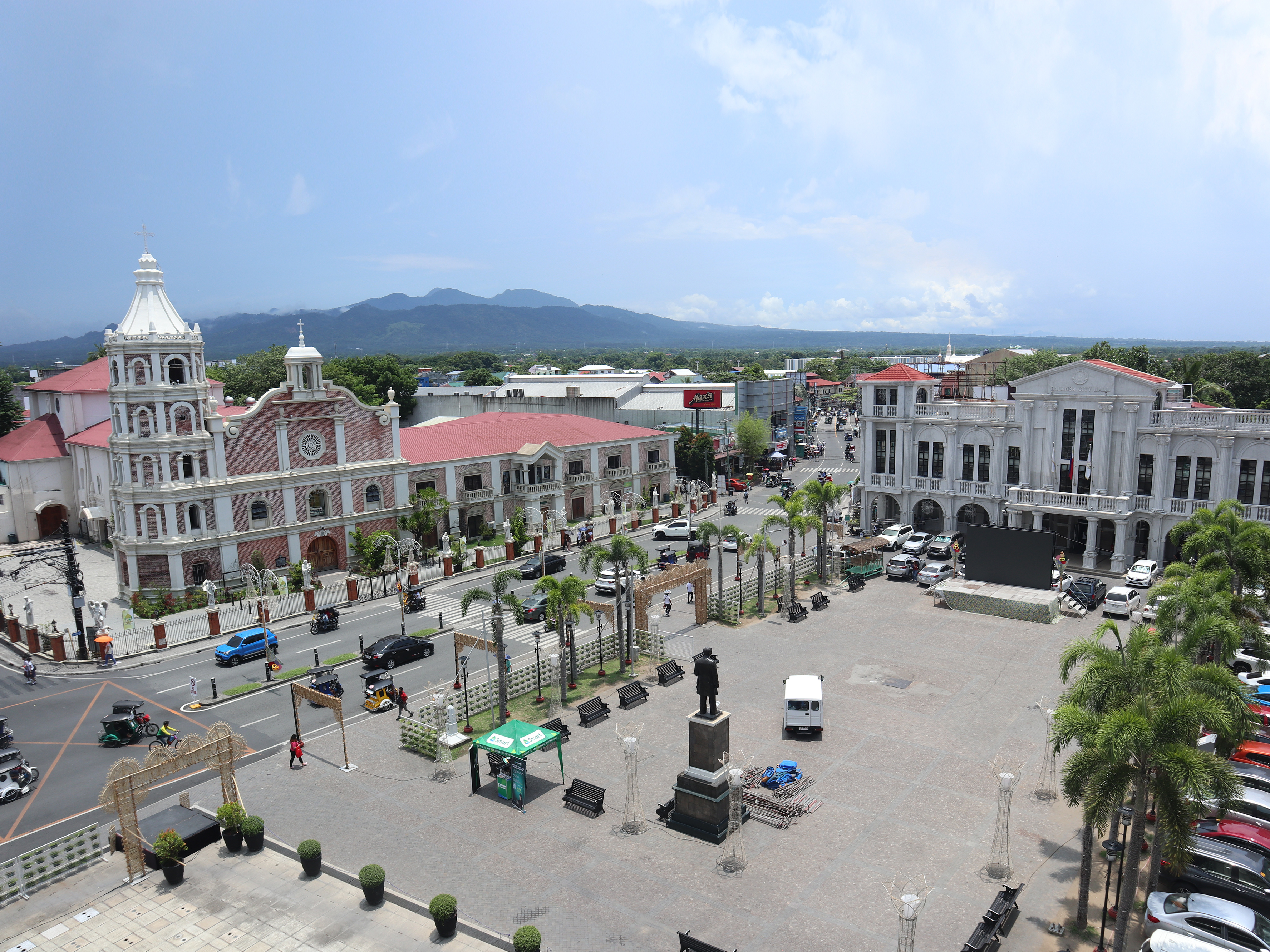 68
68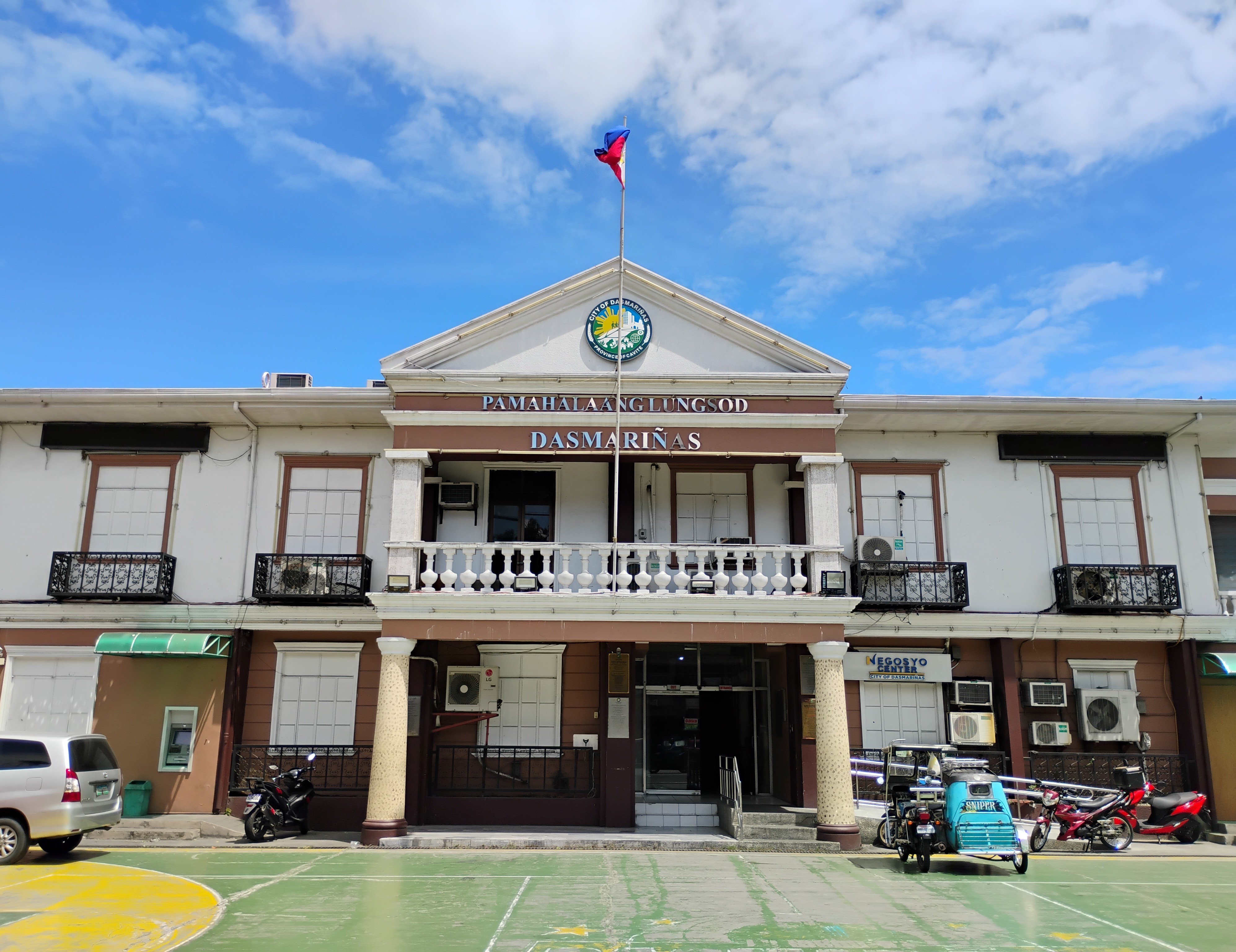 65
65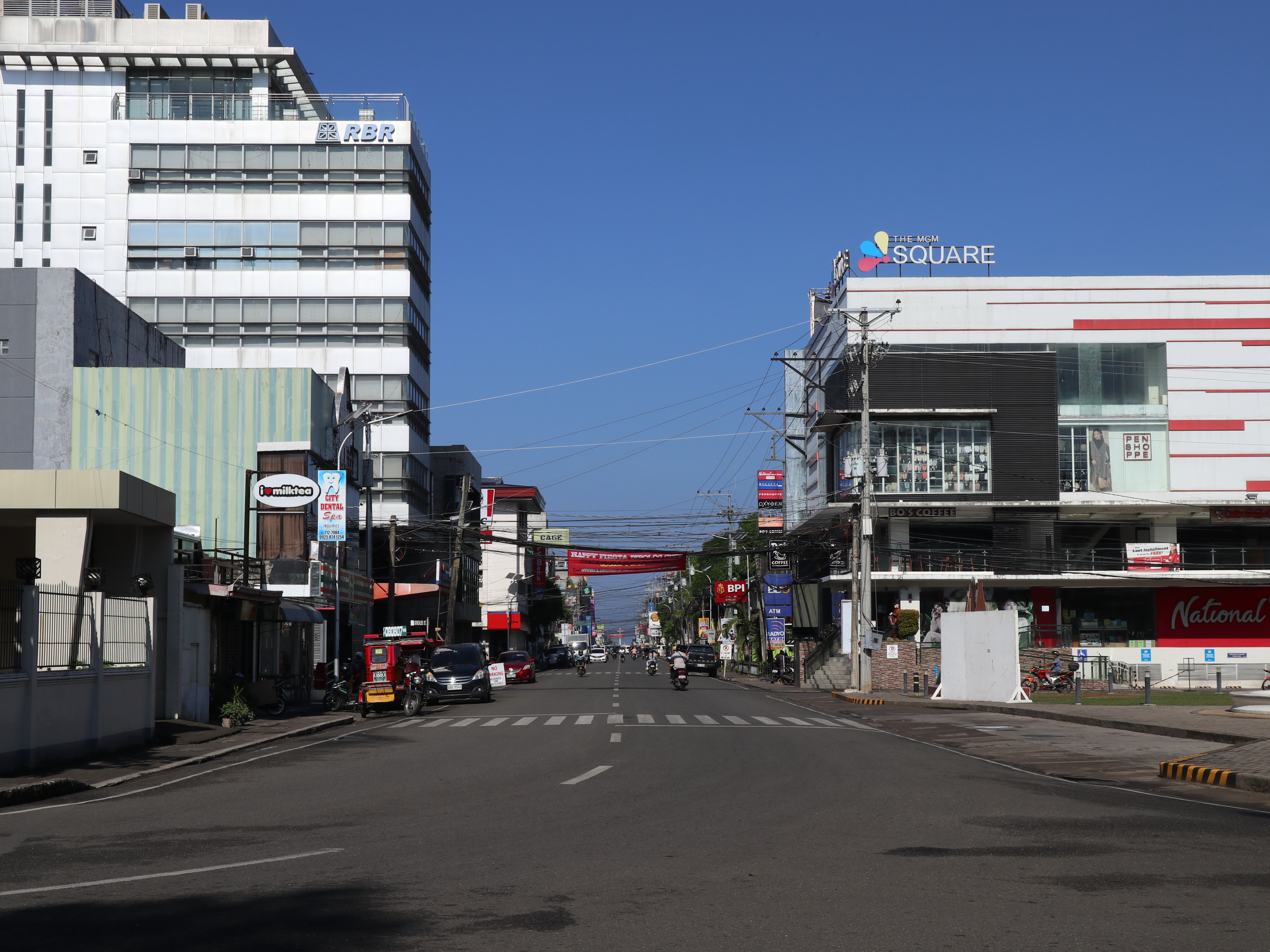 64
64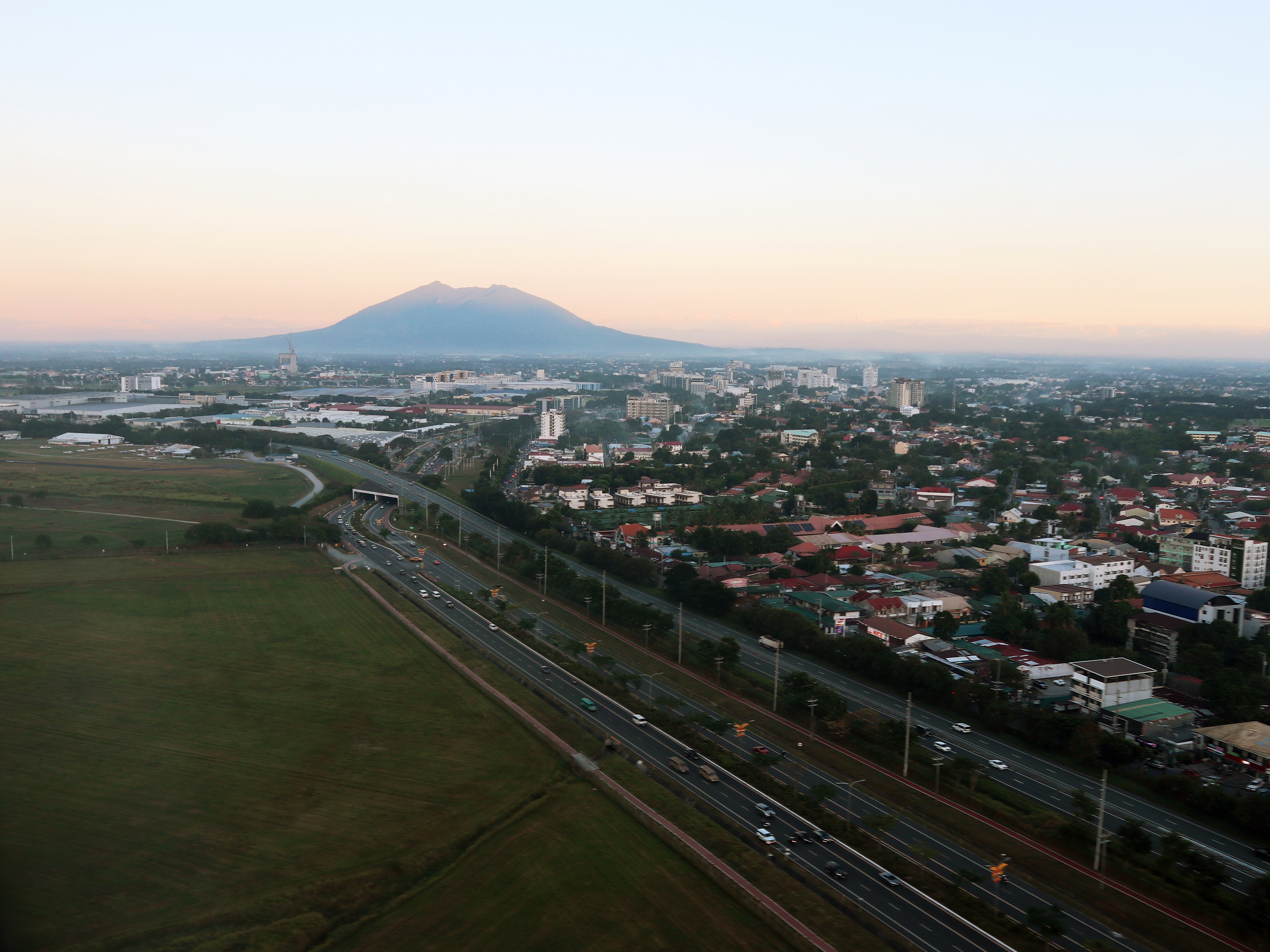 64
64 61
61 67
67Getting the income and deposit story straight
Most of the friction in an SRRV application doesn't come from missing documents, it comes from documents that don't agree with each other. The bank reference letter, the recent statement, and the proof of the required time deposit all need to tell the same story about the same money, and PRA reviewers have seen every version of a client trying to make thin savings look like a stable deposit. If you're applying under the deposit route, that money needs to already exist and already be settled somewhere traceable before you start moving it, not appear two weeks before your appointment.
The pension route is a different animal, and where people trip up. Proof of lifetime pension has to actually establish that the payments are permanent and not tied to a term or a discretionary fund. Social security income qualifies, which is one of the more useful features of this visa for US retirees, since it removes the need to structure anything exotic. But the award letter or benefit statement needs to be recent enough and clear enough that a reviewer unfamiliar with the US Social Security system can still tell it's guaranteed for life. A vague benefits printout invites a request for more documentation, which is the single biggest cause of delay in this process.
One thing worth doing before you touch any of this: decide which category you're applying under and build every document around that choice. People sometimes gather materials for both the deposit and pension routes hoping one will work, and end up with a file that looks indecisive rather than qualified. PRA processes faster when the application reads as a single coherent case, not a hedge.
Translations and authentication are the other place this stalls. Anything issued outside the Philippines, your police clearance, your birth certificate, your marriage certificate if you're bringing a spouse, needs an apostille or consular authentication, and if it's not in English it needs a certified translation on top of that. Getting these done in the US before departure is far faster than trying to sort it out once you're already on a tourist visa with a clock running.
The accommodation question nobody explains well
PRA doesn't require you to own property, and it doesn't require a lease of any particular exotic structure, but it does want evidence that you're not just passing through. Where people get this wrong is assuming a hotel booking or a short-term Airbnb receipt will read as a residence. It won't. The address you provide needs to be something you can actually be reached at, and ideally something that lines up with the timeline of your bank account opening and your medical clearance, since reviewers do notice when an applicant's paper trail seems to have been assembled in a rush right before submission.
The smarter sequence is to arrange longer-term housing, even something month-to-month with a proper agreement, before you start the PRA application itself. Trying to run both processes in parallel, apartment hunting while also chasing bank letters and police clearances, is how people end up burning through their tourist visa window and having to extend it just to keep the application alive. Since there's no consulate step and everything happens after you've already landed, your tourist visa validity is the real constraint, and housing instability eats that runway faster than anything else.
Couples and families bringing dependents face a slightly different calculation. A one-bedroom that works for a solo retiree doesn't work for a spouse and two dependents, and PRA reviewers do sometimes ask follow-up questions when the stated household size and the accommodation described don't obviously fit together. It's a soft check, not a hard requirement, but it's the kind of thing that adds weeks if you're not thinking about it ahead of time.
From approval to an actual permit
The mechanics here are simpler than most visas that lead to residency, but the sequencing still trips people up. You don't apply from a US consulate at all. Everything runs through the Philippine Retirement Authority in-country, on a tourist visa that has to be valid for at least a month while your application is being processed, and if that visa is about to expire before PRA finishes its review, you extend it rather than let it lapse. Once PRA is satisfied, they don't issue the final status themselves, they endorse the application to the Bureau of Immigration, which is the office that actually converts your status.
That handoff is the part people underestimate. A file that's complete and approved at the PRA stage can still stall at the Bureau of Immigration stage if the endorsement paperwork isn't followed up on, and because there's no single consulate contact managing your case end to end, it's easy to assume the process is finished when it's actually paused waiting on an internal transfer between two government bodies. There's no interview requirement at either stage, which removes one point of failure, but it also means there's no single meeting where someone tells you what's missing. Everything happens through document review, so any gap just sits there until someone notices it.
Because there's no separate medical exam mandated as a blanket rule, some applicants assume health documentation doesn't matter here. It still shows up in the required document list depending on category and clinic accreditation, so it's worth confirming what your specific PRA office is asking for rather than assuming the absence of a universal requirement means you can skip it entirely.
What the long-term path actually requires
On paper, this is one of the cleanest roads to long-term residency available to a US retiree anywhere. There's no separate waiting period bolted on after your SRRV is approved, the status itself functions as the long-term permission to stay, and it's renewable rather than expiring into a new application cycle every year. Compared to visas where you spend three to five years on a temporary permit before even becoming eligible to apply for permanent residency, this collapses that entire waiting phase into the initial approval.
What doesn't show up as clearly on paper is what keeps that status alive. The annual renewal fee is modest, around $360, but the real condition is that your qualifying deposit or pension arrangement has to remain intact. Pull your time deposit out to buy property or fund a business, and you can jeopardize the very thing that got you the visa in the first place. This is where some retirees get overconfident a few years in, treating the deposit as available capital once they feel settled, without registering that PRA can review the underlying financial qualification again at renewal.
The other practical reality is that this status doesn't convert into the ability to work locally. If your retirement plans quietly shift into consulting or part-time local work a few years down the line, the SRRV doesn't flex to accommodate that, and you'd be looking at a completely separate work authorization process layered on top. People who treat this as a purely passive retirement status tend to be fine for decades. People who expect it to evolve into something more active run into its limits fast.
Weighing it against the obvious alternative
The comparison most US retirees actually run isn't against another Philippine visa, it's against a longstanding Thai retirement visa route, since both markets get pitched constantly to the same audience of Americans looking at Southeast Asia. The honest difference isn't the cost of living or the culture, it's the shape of the commitment. Thailand's retirement route tends to run as an annual renewal built around maintaining a bank balance or income threshold that you prove again every year, with the constant low hum of re-qualifying. The SRRV asks for a bigger one-time commitment of capital or a clean pension case upfront, and in exchange gives you something closer to a settled status rather than an annual re-audition.
If you'd rather not think about your visa every twelve months and you have a lifetime pension or social security income that's easy to document as permanent, the Philippine route rewards that simplicity. If your income situation is messier, or you're not ready to commit meaningful savings into a Philippine bank account for the foreseeable future, the annual-renewal model elsewhere gives you more flexibility to change course without unwinding a deposit.
Territorial taxation is the other quiet factor in this decision. Foreign-sourced retirement income generally sitting outside the local tax net is a meaningful advantage for someone living on US pension or social security income, and it's part of why this visa gets recommended so often to retirees rather than remote workers, whose US-sourced work income runs into different considerations entirely. The choice between these two countries usually comes down to whether you want to solve your residency question once, with real capital, or keep it lighter and revisit it every year.
Work Permissions
Application Steps
- 1
📋 Research SRRV options and eligibility
1-2 days
- 2
📋 Enter Philippines on valid tourist visa
Same day
- 3
📄 Gather identity and clearance documents
2-4 weeks
- 4
📄 Get medical certificate and photos
1 week
- 5
📄 Make inward remittance for deposit
3-7 days
- 6
📋 Complete PRA application form
1 day
- 7
📬 Submit application at PRA office
1 day
- 8
⏳ Wait for PRA endorsement and BI issuance
not specified
- 9
🏛️ Receive SRRV and pay annual fee
Same day
Planning a long stay? Compare international health plans for Philippines.
Compare health insuranceWe may earn a commission at no cost to you.
Compare this visa
Curated comparisons that include this route.
Frequently Asked Questions
Click any question to expand the answer.
Ready to Apply?
Work with trusted visa specialists who handle the paperwork so you can focus on your move.
Get help with this visa →* We may earn a commission if you apply through our link
At a Glance
Last verified: October 9, 2026