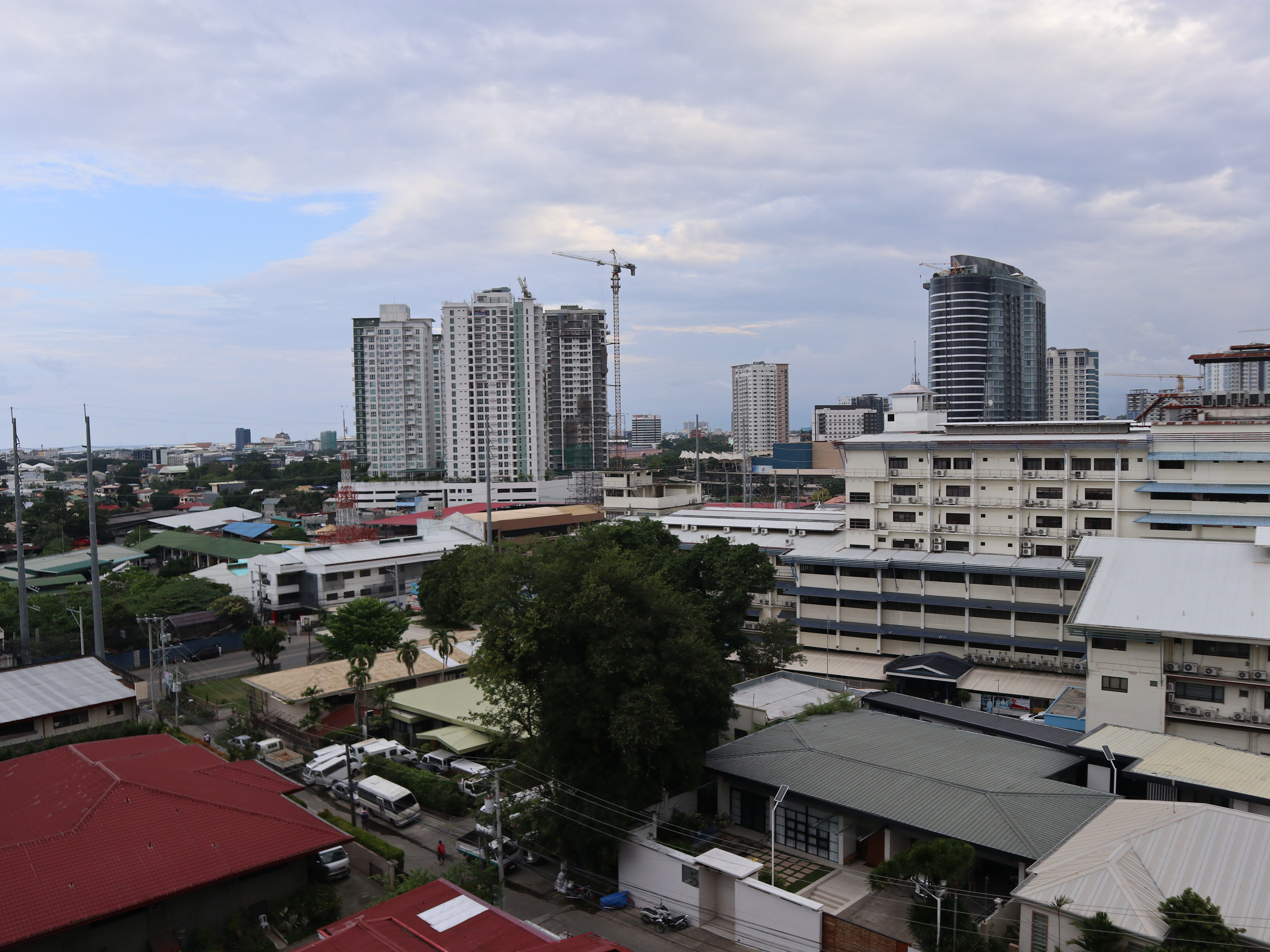
Agriculture dominates Davao's economy in a way few Philippine cities can match — banana exports (primarily Cavendish destined for Japan and South Korea), coconut processing, and durian production drive serious regional money. Dole and Del Monte both operate significant facilities here. Beyond farming, food processing, mining, and a growing BPO sector provide white-collar employment, though the BPO scene is smaller than Cebu or Manila. Remote workers and digital nomads are the most realistic expat earners; local professional salaries run $400–$800/month, making competing for local jobs largely pointless.
A one-bedroom in the city center runs around $450/month; move 20 minutes out and that drops to $250–$300. Street food and local markets keep grocery bills under $150/month if you eat Filipino. Healthcare is functional — Southern Philippines Medical Center handles emergencies, and private hospitals like Davao Doctors are competent for routine care. English is widely spoken, so the language barrier is genuinely low. The real friction is bureaucracy: visa extensions, business registration, and any government transaction involve queuing, inconsistent requirements, and occasional fixers.
Davao sits outside the typhoon belt, which is a legitimate selling point — you get tropical heat and humidity without the annual destruction cycle most Philippine cities endure. Rainfall is spread year-round rather than concentrated in a monsoon season. Weekends mean island-hopping to Samal, hiking Mount Apo (the Philippines' highest peak), or eating your way through durian stalls and grilled tuna at Roxas Night Market. The expat community is small but real, concentrated around a few Facebook groups and a handful of bars near Matina and Lanang. This city suits budget-conscious remote workers who want Southeast Asian cost of living without Bangkok-level crowds, and who don't need a large expat social infrastructure to feel at home.
Estimate the cost of moving to Davao, Philippines
Get a free moving cost estimate for moving to Davao, Philippines. Takes 10 seconds.
How much are you shipping?
When are you moving?
Powered by Sirelo. Free quotes from international movers.
🏚️ Cost of Living
💰 Budgets and Costs
$479/mo, one person, rent included
Selected: budget lifestyle
Davao on a budget budget comes to about $479 a month for one adult, with $172 of that going to rent. Beyond rent the estimate covers $90.00 on groceries, $19.00 on dining out, $26.00 on entertainment and lifestyle, $158 on utilities and connectivity and $14.00 on transport.
Rent
$172/mo
1BR outside the centre
Groceries
$90.00/mo
75% of mid-range grocery spend
Dining out
$19.00/mo
4 inexpensive meals
Entertainment & lifestyle
$26.00/mo
1 cinema trip, 8 cappuccinos
Utilities & connectivity
$158/mo
utilities, mobile, internet
Transport
$14.00/mo
Monthly pass
Budgets (excl. rent)
Single person$307/mo
Excludes rent. The total above is all-in, rent included.
$588/mo, one person, rent included
Selected: mid-range lifestyle
Davao on a mid-range budget comes to about $588 a month for one adult, with $172 of that going to rent. Beyond rent the estimate covers $120 on groceries, $48.00 on dining out, $76.00 on entertainment and lifestyle, $158 on utilities and connectivity and $14.00 on transport.
Rent
$172/mo
1BR outside the centre
Groceries
$120/mo
Staples basket scaled to a full month
Dining out
$48.00/mo
10 inexpensive meals
Entertainment & lifestyle
$76.00/mo
gym, 2 cinema trips, 12 cappuccinos
Utilities & connectivity
$158/mo
utilities, mobile, internet
Transport
$14.00/mo
Monthly pass
Budgets (excl. rent)
Single person$416/mo
Excludes rent. The total above is all-in, rent included.
$832/mo, one person, rent included
Selected: comfortable lifestyle
Davao on a comfortable budget comes to about $832 a month for one adult, with $276 of that going to rent. Beyond rent the estimate covers $168 on groceries, $110 on dining out, $106 on entertainment and lifestyle, $158 on utilities and connectivity and $14.00 on transport.
Rent
$276/mo
1BR in the centre
Groceries
$168/mo
140% of mid-range grocery spend
Dining out
$110/mo
6 inexpensive meals + 6 mid-range meals
Entertainment & lifestyle
$106/mo
gym, 4 cinema trips, 20 cappuccinos
Utilities & connectivity
$158/mo
utilities, mobile, internet
Transport
$14.00/mo
Monthly pass
Budgets (excl. rent)
Single person$556/mo
Excludes rent. The total above is all-in, rent included.
Estimates for one adult, built from this city's average prices and the usage shown for each tier. Your spending will differ with how often you eat out and where you live.
A 1BR in the center runs about $275.76/mo. If your income is in another currency, bank FX fees add up. A multi-currency account can cut that cost.
Davao has a solid reputation as the Philippines' safest major city, with a notably lower crime rate than Manila or Cebu. Day-to-day life feels relatively secure; expats commonly walk around during daylight and early evening without significant concern. The city benefits from strong local governance and visible police presence. However, nighttime solo walking in unfamiliar areas remains inadvisable, and situational awareness is essential—this is still the Philippines, not a first-world country.
Petty theft and pickpocketing occur, especially in crowded markets, jeepneys, and tourist areas like the waterfront. Bag snatching from motorcycles is a known risk. Violent crime against foreigners is rare but not unheard of; armed robbery and home invasions happen in less-secure neighborhoods. Solo female travelers should avoid isolated areas after dark and use trusted transportation. Scams targeting expats (overpayment schemes, fake rental listings) are common—verify through established agencies.
Davao is politically stable with minimal protest activity compared to other Philippine cities. Police are generally reliable and responsive, though corruption exists at lower levels. The city's strong mayor system has historically maintained order effectively. For an American considering relocation, Davao is genuinely one of the safer Philippine options—suitable for remote workers and retirees willing to exercise normal expat caution. It's not risk-free, but it's substantially safer than Manila and offers good quality of life for the price.
Davao has a safety index of 60/100. Petty theft and lost belongings are the most common problems for newcomers. Compare travel insurance before you go.
Located in the Felcris Centrale complex, this Regus location offers a professional environment with reliable internet and business support services. Its central location provides easy access to restaurants and shops, making it a convenient option for expats.
A popular cafe and coworking space known for its relaxed atmosphere and affordable rates. With multiple branches throughout Davao, it's a great option for those seeking a casual and social work environment.
iOffice Hub provides a budget-friendly coworking option with essential amenities like Wi-Fi and printing services. It's a good choice for digital nomads looking for a simple and functional workspace.
See how Davao's digital nomad life compares with Dipolog
🧳 Expat Life
English Proficiency
Common in Tourist Areas
Expat Community
Medium
Top Neighborhoods
Damosa, Matina, Lanang
Banks Nearby
221
ATMs Nearby
116
Expat Life Notes
A major hub in Mindanao known for its relative order and safety compared to other southern cities.
Pros
✓ Affordable fresh produce
✓ Vibrant fruit and food scene
✓ Low crime rate
Cons
✗ Limited nightlife options
✗ Frequent traffic congestion
✗ Strict local ordinances
🏘️ Neighborhoods in Davao
Areas of Davao that expats often consider.
Conditions can change from one block to the next, and these descriptions are general guides, not safety assessments. Before choosing where to stay or live, check current travel advisories, talk to people who live there, and visit in person if you can.
Downtown (Poblacion District)
Bustling commercial and historic core
The heart of Davao, offering a mix of old and new. Home to businesses, government offices, and historical landmarks. Walkable in some areas, but traffic can be heavy. Offers a wide range of dining and shopping options, but can be noisy and crowded.
Lanang
Upscale residential and commercial area
A more affluent area with gated communities, high-end hotels, and the SM Lanang Premier mall. Offers a quieter, more suburban feel compared to downtown. Good for those seeking modern amenities and security, but less walkable and more reliant on taxis or private vehicles.
Matina
Mix of residential and commercial
A popular area with a mix of residential homes, apartments, and commercial establishments. Known for its accessibility and proximity to schools and shopping centers. Offers a good balance of convenience and affordability, but can experience traffic congestion.
Bajada
Central, convenient, and commercially vibrant
A major thoroughfare and commercial hub. Home to many businesses, restaurants, and hotels. Offers excellent access to transportation and amenities, but can be noisy and crowded. A good option for those who want to be in the center of the action.
Toril
Relaxed suburban and coastal living
Located south of the city center, offering a more laid-back atmosphere. Known for its beaches and resorts. A good option for those seeking a quieter lifestyle away from the hustle and bustle, but less convenient for accessing city amenities. Public transport is readily available.
Buhangin
Residential, growing commercial area
A rapidly developing area with a mix of residential subdivisions and commercial establishments. Offers a more affordable option compared to Lanang. Becoming increasingly popular, but still less developed and can experience traffic during peak hours.
Agdao
Budget-friendly, local, residential area
A more local and budget-friendly area. Offers a glimpse into everyday Filipino life. Less developed and may not have the same amenities as other areas, but offers a more authentic cultural experience. Requires some Tagalog or Bisaya language skills.
Page 1 of 2
Could living/working in Davao cut years off your work life?
With a 1-bedroom in the center at $276/mo, your FIRE number here might be much lower than you think.
Davao has a population of approximately 1,848,947 people.
A single person can expect to spend around $689 per month in Davao, including rent. A 1-bedroom apartment in the city center costs approximately $276/month.
The nearest airport to Davao is DVO, approximately 7.6km away.
Davao is considered relatively safe, with a safety index of 60.0. As with any city abroad, expats should research specific neighborhoods before committing to a location.
Davao has an average internet speed of 25 Mbps. It is considered a well-established digital nomad destination.
Davao scores a 60 on the safety index, which is reasonable for a Philippine city of nearly 2 million. Street crime exists but is not rampant. The city had a reputation for strict law enforcement under former mayor Rodrigo Duterte that reduced visible crime significantly. The main concern for expats is petty theft in crowded markets. Mindanao has conflict zones, but they are hours away — Davao City itself has been calm for years. Standard urban precautions apply.
Most expats use the tourist visa with extensions, which allows stays up to 36 months total through the Bureau of Immigration. The SRRV (Special Resident Retiree's Visa) is popular for those 35+ who can deposit $10,000–$20,000 in a Philippine bank. The 9(g) working visa applies if you're employed by a local company. Digital nomads have no dedicated visa yet, so most cycle through tourist extensions, which cost roughly $50–$80 per extension at the Davao BI office.
Connectivity is workable but not exceptional. PLDT and Globe are the main providers; fiber plans run $25–$50/month and deliver 50–200 Mbps in well-served areas, though reliability varies by neighborhood. Coworking spaces like KMC and several independent spots in Lanang and downtown offer backup options. Power outages happen a few times a month, so a UPS or backup battery is worth having. Overall, remote work is viable here — just don't expect Singapore-level infrastructure.
Rent varies greatly depending on location and size. Expect to pay anywhere from $300-$700 USD per month for a decent apartment or condo in areas like Davao Park District or near Abreeza Mall. Cheaper options can be found further from the city center.
Jeepneys are the most common and affordable mode of transport, but can be crowded. Taxis and ride-hailing apps like Grab are readily available and relatively inexpensive. Buses also serve major routes, making it manageable to navigate without a personal vehicle.
Yes, Davao has several hospitals and clinics with English-speaking medical professionals. Davao Doctors Hospital and Brokenshire Memorial Hospital are popular choices among expats. Finding a dentist who speaks English is also generally not a problem.
For a more upscale experience, consider Davao Park District or areas near Abreeza Mall. For a more budget-friendly option, look into Matina or Buhangin. Each offers a different vibe and proximity to amenities.
If you cook most of your meals, you can expect to spend around $200-$300 USD per month on groceries. Local markets offer fresh produce at lower prices than supermarkets, but imported goods will be more expensive.
Davao has a tropical rainforest climate, meaning it's generally hot and humid year-round. There's no distinct dry season, but rainfall tends to be heavier between June and November. Expect average temperatures in the range of 75-90°F (24-32°C).
While not as large as in Manila or Cebu, Davao has a growing expat community. You can connect with other expats through online forums, social media groups, and local meetups. It's a friendly and welcoming environment.
As a US citizen, you're still required to file US taxes even when living abroad. The Foreign Earned Income Exclusion (FEIE) and Foreign Bank Account Report (FBAR) are important considerations. Consult with a tax professional specializing in expat taxes.
While Davao is generally considered safe, it's always wise to exercise caution, especially at night. Stick to well-lit and populated areas, and avoid walking alone in unfamiliar neighborhoods. Awareness is key.
Yes, $2,000 USD per month is generally sufficient for a comfortable retirement in Davao. You can afford a decent apartment, eat out regularly, and still have money left over for leisure activities. It's a very viable option for stretching your retirement income.
Yes, there are several co-working spaces in Davao, particularly in the downtown area and near business districts. These offer reliable internet and a professional environment for remote workers. The Workplace Cafe is a popular option.
The local language is Bisaya (also known as Cebuano). While many people speak English, learning some basic Bisaya phrases will greatly enhance your experience and interactions with locals. Tagalog is also widely understood.
Cost-of-living and visa updates for Davao and the rest of Philippines. Free with RA Postcards.
By submitting your email address, you will receive a free subscription to RA Postcards and special offers from Rewire Abroad and our affiliates. You can unsubscribe at any time, and we encourage you to read more about our Privacy Policy.