Retire or Move to the Philippines: Island Living for $1,200/Month

Karen, 58, had been scrolling through retirement calculators for months, watching her 401k balance fluctuate like a mood ring in a heat wave. Meanwhile, her college friend Mike had been sending photos from Cebu City – crystal-clear waters, fresh mangoes for breakfast, and a monthly living budget that made her Minneapolis mortgage payment look like highway robbery. When Mike mentioned his comfortable retirement lifestyle cost less than her health insurance premiums back in Minnesota, Karen knew it was time to stop dreaming and start planning. 🏝️
The Philippines isn't just another tropical postcard destination – it's become a strategic hub for Americans seeking to retire abroad with maximum lifestyle benefits and minimum financial stress. Whether you're planning traditional retirement, considering early retirement through geographic arbitrage, or looking to relocate while still working remotely, the Philippines offers an unbeatable combination of English-speaking convenience, world-class healthcare, and costs that can stretch your dollar further than anywhere else in Southeast Asia.
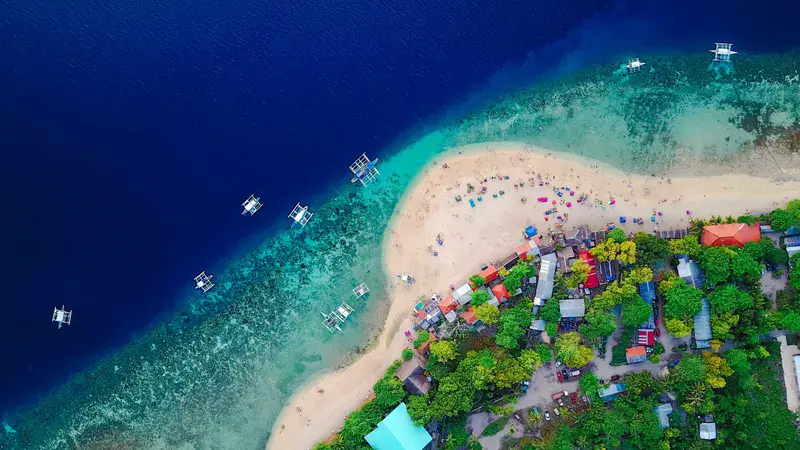
From the bustling expat communities of Metro Manila to the pristine beaches of Palawan, the Philippines provides diverse options for every type of international retiree or expatriate. This comprehensive guide will walk you through everything you need to know about making the Philippines your new home base – including real costs, visa pathways, healthcare systems, and the practical steps to turn your island living dreams into reality.
Why the Philippines Is Perfect for Retirement and Expat Living
The Philippines stands out among international retirement destinations for several compelling reasons that benefit both retirees and working expats alike.
English as a Primary Language means you'll navigate daily life without the steep learning curve required in other popular retirement havens. From government offices to grocery stores, English fluency is widespread, making everything from medical appointments to banking refreshingly straightforward.
Tropical Climate Year-Round eliminates the need for expensive heating bills and seasonal wardrobes. While there are wet and dry seasons, temperatures remain consistently comfortable, reducing both utility costs and health issues related to extreme weather changes.
Strategic Asian Location offers incredible travel opportunities across Southeast Asia. Weekend trips to Vietnam, Thailand, or Indonesia become affordable adventures rather than once-in-a-lifetime splurges. For working expats, the time zone alignment with Australia and reasonable connections to the US make remote work feasible.
Established Expat Infrastructure provides the comfort of knowing thousands of Americans, Canadians, and Europeans have successfully made this transition. From expat-friendly neighborhoods to international schools and Western-style amenities, the Philippines offers the perfect balance of exotic adventure and familiar conveniences.
Affordable World-Class Healthcare through both public and private systems means quality medical care without the sticker shock. Major cities feature internationally accredited hospitals with English-speaking staff and costs that are a fraction of US healthcare expenses.
The combination of these factors creates an environment where your retirement savings can provide a lifestyle upgrade rather than a compromise, while still offering opportunities for personal growth and adventure.
Living Costs & Financial Considerations for Every Budget
Understanding the true cost of living in the Philippines is crucial for successful retirement or relocation planning. Here's a realistic breakdown across different lifestyle levels:
Expense Category | Budget Living | Comfortable Living | Luxury Living |
|---|---|---|---|
Housing | $300-500/month | $600-1,000/month | $1,500-3,000/month |
Food & Dining | $200-300/month | $400-600/month | $800-1,200/month |
Transportation | $50-100/month | $150-300/month | $400-600/month |
Healthcare | $50-100/month | $150-250/month | $300-500/month |
Entertainment | $100-200/month | $300-500/month | $600-1,000/month |
Utilities & Internet | $80-120/month | $120-200/month | $200-350/month |
Personal & Miscellaneous | $120-180/month | $250-400/month | $500-800/month |
TOTAL MONTHLY | $900-1,400 | $1,970-3,250 | $4,300-7,450 |
Budget Living ($900-1,400/month) works well for retirees focused on stretching their savings. This typically involves studio or one-bedroom apartments outside major city centers, eating primarily local cuisine, using public transportation, and embracing a simpler lifestyle. Many find this approach incredibly fulfilling, with the savings enabling frequent domestic travel and cultural experiences.
Comfortable Living ($1,970-3,250/month) provides the sweet spot for most American retirees and working expats. This budget allows for modern condominiums in desirable areas, a mix of local and Western dining, occasional domestic flights, private healthcare, and the flexibility to enjoy both local culture and familiar comforts.
For those wondering how the Philippines compares to other popular retirement destinations in terms of costs and lifestyle, our comprehensive Best Countries to Retire Abroad: Complete 2026 Rankings analysis shows where the Philippines stands among global retirement havens.
Luxury Living ($4,300-7,450/month) caters to those wanting minimal lifestyle adjustment from their previous life. This includes premium condos or houses with pools, frequent dining at international restaurants, private transportation, comprehensive health insurance, and regular international travel.
Regional Cost Variations significantly impact these numbers:
- Metro Manila: Highest costs but most job opportunities and amenities
- Cebu City: 20-30% lower costs than Manila with excellent amenities
- Davao City: Similar to Cebu with strong expat community
- Baguio: Mountain climate, 15-25% lower costs
- Provincial Areas: 40-60% lower costs but fewer Western amenities
Hidden Costs to Consider:
- Visa Renewal Fees: $300-500 annually depending on visa type
- International Health Insurance: $1,200-3,600 annually for comprehensive coverage
- Home Country Tax Obligations: Varies by citizenship and income
- Emergency Travel Fund: Recommended $2,000-5,000 reserve
- Initial Setup Costs: $3,000-8,000 for furniture, deposits, and documentation
Understanding tax implications is crucial for any American considering retirement abroad. Our detailed Retire Abroad Tax Guide for US Expats covers everything from foreign tax credits to FATCA compliance, helping you avoid costly mistakes in your Philippine retirement planning.

Visa Options & Legal Requirements for Long-Term Living
The Philippines offers several pathways for Americans and other foreigners to establish long-term residency, whether for retirement or general expatriate living.
Tourist Visa Extensions provide the simplest entry point. Americans receive 30 days visa-free upon arrival, extendable up to 3 years total through Bureau of Immigration renewals. While popular for "testing the waters," frequent renewals become expensive ($300-500 annually) and don't provide long-term security.
Special Resident Retiree's Visa (SRRV) represents the gold standard for retirees, offering permanent residency with significant benefits:
- SRRV Smile: $50,000 deposit (non-refundable investment)
- SRRV Classic: $50,000 deposit (refundable upon leaving)
- SRRV Human Touch: $10,000 deposit for former Filipino citizens
Benefits include multiple-entry privileges, exemption from certain taxes, and the ability to work with proper permits. The deposit earns minimal interest but provides visa security and eliminates renewal hassles.
13a Marriage Visa for those married to Filipino citizens offers permanent residency after demonstrating genuine marriage and financial capability. This requires extensive documentation but provides full residency rights and eventual citizenship pathways.
Special Investor's Resident Visa (SIRV) requires $75,000 investment in approved Filipino enterprises or government securities. While expensive, it allows business activities and provides permanent residency for investors and their families.
Working Visas for remote workers or local employees include:
- 9(g) Pre-arranged Employee Visa: For specific job offers
- 47(a)(2) Special Working Permit: Temporary work authorization
- AEP (Alien Employment Permit): Required for all foreign workers
Required Documentation typically includes:
- Valid passport (6+ months remaining)
- FBI background check (apostilled)
- Medical examination from DOH-accredited facilities
- Financial proof ($800-2,000 monthly income requirement)
- Birth certificate and marriage certificate (if applicable)
- Passport photos and completed application forms
Processing Times and Costs:
- Tourist extensions: 1-3 days, $50-150 per extension
- SRRV: 2-6 weeks, $1,400 plus deposit
- 13a Marriage Visa: 3-6 months, $800-1,200
- Work permits: 2-8 weeks, $300-600
Working with reputable immigration lawyers or consultants (budget $500-1,500) can significantly streamline the process and prevent costly mistakes.

Healthcare for Retirees and Expats
The Philippines healthcare system offers excellent value for international residents, with both public and private options serving different needs and budgets.
Private Healthcare Excellence rivals first-world standards in major cities. Hospitals like St. Luke's Medical Center in Manila, Chong Hua Hospital in Cebu, and Davao Medical School Hospital provide internationally accredited care with English-speaking staff and modern equipment.
Cost Advantages over US healthcare are dramatic:
- Routine doctor visits: $15-40 (vs $200-400 in US)
- Specialist consultations: $25-60 (vs $300-600 in US)
- Major surgery: $3,000-15,000 (vs $30,000-150,000 in US)
- Emergency room visits: $50-200 (vs $1,000-5,000 in US)
- Prescription medications: 60-90% less expensive
For a comprehensive comparison of how Philippine healthcare costs stack up against both US and other international options, check out our detailed analysis in Healthcare Abroad vs US: Complete Cost & Quality Guide.
Insurance Options provide comprehensive coverage:
International Health Insurance ($100-300/month) covers worldwide treatment including medical evacuation. Companies like Cigna Global, Allianz, and IMG offer plans specifically designed for expats with Philippines coverage.
Local Health Insurance ($30-80/month) through providers like Maxicare, Intellicare, and Medicard offers excellent local coverage at fraction of international rates. Most cover private hospitals and include preventive care.
Ready to Rewire your Life?
Sign up to receive updates and insights.
By submitting your email address, you will receive a free subscription to RA Postcards and special offers from Rewire Abroad and our affiliates. You can unsubscribe at any time, and we encourage you to read more about our Privacy Policy.
For early retirees who don't qualify for Medicare yet, understanding your healthcare options becomes even more critical. Our guide on Healthcare for FIRE: Early Retirement Health Insurance Strategies provides detailed strategies for maintaining coverage during the gap years before Medicare eligibility.
PhilHealth (Philippine Health Insurance) provides basic coverage for residents with valid visas. While limited compared to private insurance, it offers emergency coverage and helps with catastrophic expenses.
Medical Tourism Advantages attract patients from across Asia. Many procedures cost 70-90% less than US prices while maintaining comparable quality. Dental work, cosmetic surgery, and elective procedures become surprisingly affordable.
Prescription Access for chronic conditions requires planning. While many medications are available at lower costs, some specific brands or newer drugs may be limited. Maintaining relationships with US doctors for prescription management is common among retirees.
Health Considerations for Tropical Living:
- Tropical disease prevention (dengue, malaria in some areas)
- Increased sun exposure and skin care needs
- Food safety and stomach adjustment period
- Air quality concerns in major cities
- Importance of maintaining fitness in hot, humid climate
Regional Healthcare Variations:
- Metro Manila: Best facilities but highest costs
- Cebu City: Excellent care, 20-30% lower costs
- Provincial Areas: Basic care available, significant cost savings for routine needs
- Remote Islands: Limited facilities, medical evacuation insurance crucial
Retirement Lifestyle & Cultural Experience
Living in the Philippines offers a unique blend of Asian culture and Western influences, creating an environment that's both exotic and comfortable for American retirees and expats.
Cultural Adaptation Benefits include the Filipino concept of "pakikipagkapwa" (shared identity) that welcomes foreigners into communities. English language prevalence eliminates the isolation many expats experience in other countries, while the Spanish colonial influence provides familiar architectural and cultural touchstones.
Social Integration Opportunities abound through expat organizations, international churches, volunteer activities, and hobby groups. Cities like Cebu and Manila have thriving American communities with regular social events, business networks, and support systems that ease the transition process.
Climate and Lifestyle Adjustments:
The tropical climate offers year-round warmth but requires adaptation strategies. Peak temperatures of 85-95°F with high humidity mean adjusting daily schedules to avoid midday heat, investing in quality air conditioning, and embracing the local "siesta" culture. The rainy season (June-November) brings afternoon downpours but rarely disrupts daily life significantly.
Island Hopping and Travel Opportunities become routine pleasures rather than expensive vacations. Weekend trips to Boracay, Palawan, or Bohol cost less than domestic flights in the US, while regional travel throughout Southeast Asia opens up cultural experiences and adventure opportunities.
Food Culture Integration offers everything from street food adventures to high-end international cuisine. Local markets provide fresh tropical fruits, vegetables, and seafood at incredible prices, while Western grocery chains ensure familiar products are available for comfort food cravings.
Entertainment and Recreation:
- Beach clubs and resorts offering day passes ($10-30)
- Golf courses with green fees ($20-60) and year-round playing
- Shopping malls with international brands and local crafts
- Cultural festivals and local celebrations throughout the year
- Scuba diving and water sports at world-class locations
- Mountain hiking and eco-tourism in places like Baguio and Sagada
Housing Options for Different Lifestyles
Housing in the Philippines accommodates every preference and budget, from modern condominiums to traditional houses with tropical gardens.
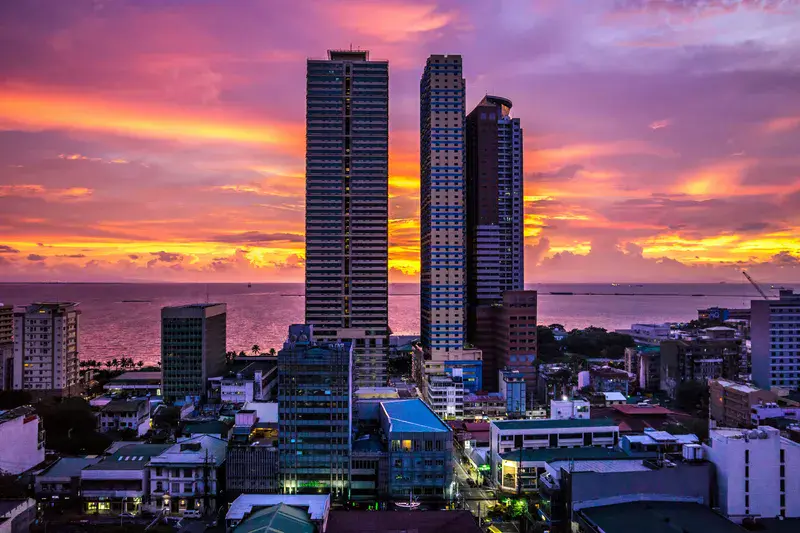
Condominium Living provides the most popular option for expats, offering security, amenities, and low maintenance. Modern condos in cities like Makati, Bonifacio Global City (BGC), or IT Park Cebu feature swimming pools, gyms, 24/7 security, and proximity to international restaurants and shopping.
House Rental offers more space and privacy, particularly appealing for families or those wanting gardens and outdoor living areas. Gated communities provide security and often include clubhouses, pools, and tennis courts. Standalone houses in expat-friendly neighborhoods offer cultural immersion with more privacy.
Property Ownership Rules require understanding for long-term planning. Foreigners cannot directly own land but can:
- Own condominium units (up to 40% foreign ownership in any building)
- Lease land for 50 years (renewable for another 25 years)
- Own property through corporation (60% Filipino ownership required)
- Have Filipino spouse own property with appropriate legal protections
Regional Housing Characteristics:
Metro Manila offers the most international amenities but highest costs. Areas like Makati, BGC, and Ortigas provide modern living with easy access to international businesses, restaurants, and healthcare.
Cebu City combines lower costs with excellent amenities. The IT Park area attracts many expats with its modern condos, international restaurants, and active nightlife, while still maintaining more affordable pricing than Manila.
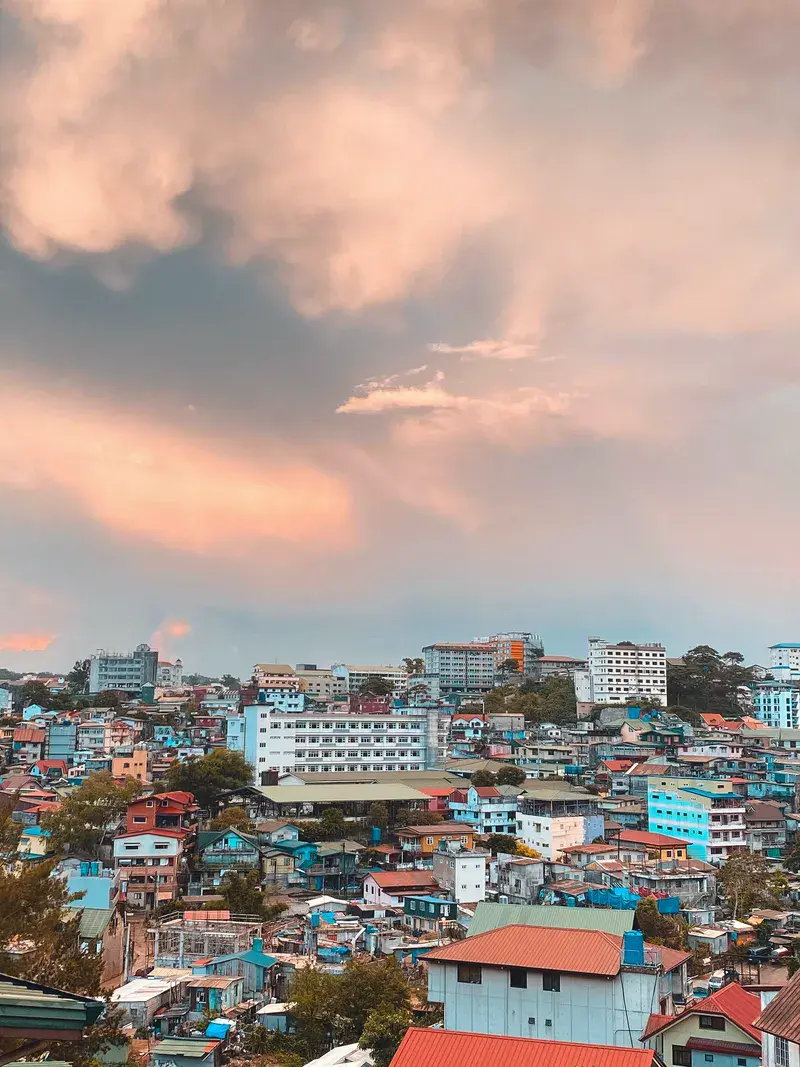
Baguio provides mountain living with cooler temperatures year-round. Popular with retirees seeking escape from tropical heat, it offers a more relaxed pace and stunning mountain scenery.
Beach Locations like Puerto Princesa, Iloilo, or coastal areas of Mindanao offer resort-style living at remarkably affordable prices, perfect for those prioritizing beach access and water activities.
Typical Housing Costs by Type:
Housing Type | Budget Range | Typical Features |
|---|---|---|
Studio Condo | $300-600/month | 25-35 sqm, basic amenities, good locations |
1BR Condo | $500-1,000/month | 40-55 sqm, modern facilities, pool/gym |
2BR Condo | $800-1,500/month | 60-85 sqm, premium locations, full amenities |
House Rental | $600-2,000/month | 80-200 sqm, garden space, parking |
Luxury Villa | $1,500-4,000/month | 150+ sqm, pool, premium locations |
Utilities and Additional Costs:
- Electricity: $80-250/month (air conditioning is major factor)
- Water: $15-40/month
- Internet: $25-60/month for high-speed fiber
- Cable/Streaming: $20-50/month
- Maintenance fees: $50-150/month for condos
- Security deposits: 1-3 months rent typically required
Expat Communities & Social Life
The Philippines boasts one of Southeast Asia's most established and welcoming expat communities, making social integration smooth and enjoyable for newcomers.
Major Expat Hubs each offer distinct advantages:
Metro Manila features the largest international community with professional networking opportunities, international schools, and cultural events. Organizations like the American Association of the Philippines and various business chambers provide structured networking and support systems.
Cebu City offers a more relaxed expat lifestyle with active communities centered around IT Park and Lahug areas. Regular social events, sports leagues, and volunteer opportunities create natural connection points for newcomers.
Baguio attracts retirees seeking cooler climate and a more intimate expat community. The mountain setting creates strong bonds among international residents who enjoy hiking groups, gardening clubs, and cultural activities.
Davao City provides a growing expat community in the south, offering lower costs and a more authentic Filipino experience while still maintaining international amenities and social opportunities.
Common Social Activities:
- Weekly trivia nights at expat-friendly bars and restaurants
- Golf leagues and tournaments across multiple courses
- Beach club memberships and weekend island hopping groups
- Volunteer opportunities with local charities and environmental organizations
- Cultural exchange programs and language learning groups
- International cuisine cooking classes and food tours
- Photography clubs taking advantage of stunning local scenery
Digital Nomad and Remote Worker Communities have exploded in recent years, particularly in areas like Siargao, La Union, and established cities. Co-working spaces, reliable internet, and affordable living costs attract younger professionals who often mentor retirees on technology and modern expat living strategies.
Support Networks provide crucial assistance for newcomers:
- Facebook groups for city-specific expat advice and connections
- WhatsApp groups for immediate local information and emergency support
- Formal expat associations offering legal advice and cultural integration help
- Informal mentor systems pairing experienced expats with newcomers
- Regular community meetings addressing visa changes, healthcare updates, and local news
Pros and Cons for Different Expat Types
Understanding the reality of Philippine living helps set appropriate expectations for successful long-term residence.
Specific Considerations by Expat Type
Traditional Retirees (65+) benefit most from healthcare cost savings and established expat communities but may struggle more with technology adaptation and cultural adjustment.
Early Retirees (50-65) find the perfect balance of adventure and comfort, though may need to maintain some US income streams for visa requirements and lifestyle maintenance.
Digital Nomads/Remote Workers enjoy excellent internet infrastructure in major cities and co-working communities but must manage tax obligations across multiple jurisdictions.
Families with Children appreciate international school options and safe environments but face higher costs for Western-style education and family healthcare coverage.
Planning Your Move: Strategic Tools & Resources
Before making any major decisions about relocating to the Philippines, these strategic planning tools can help you evaluate your options and optimize your preparation:
Destination Comparison Analysis: Use our Country Search Tool to see how the Philippines stacks up against other retirement and expat destinations across factors like cost of living, healthcare quality, visa requirements, and climate preferences. This comparison helps ensure the Philippines aligns with your specific priorities.
Financial Planning Optimization: The FIRE Calculator helps determine your optimal timeline for early retirement or financial independence in the Philippines, showing how geographic arbitrage can accelerate your financial goals. For those procrastinating on their move, the FIRE Procrastination Calculator demonstrates the real cost of delaying your international lifestyle change.
Savings Potential Assessment: Our Geo-Arbitrage Savings Calculator provides specific calculations showing how much you could save annually by moving from your current location to various Philippine cities, helping justify the transition costs and timeline.
Comprehensive Philippines Information: Check our Country Directory for detailed, up-to-date information about Philippine living costs, visa requirements, healthcare systems, and expat communities across different cities and regions.
Visa Pathway Planning: Explore Visa Pathways to understand your specific options for Philippine residency, from tourist visa extensions to the Special Resident Retiree's Visa (SRRV), with timelines and requirements for your situation.
Readiness Assessment: Take our Expat Readiness Quiz to identify areas where you should focus preparation efforts before making your move to the Philippines, covering everything from cultural adaptation to financial planning.
Investment Portfolio Protection: For those concerned about maintaining investment income while living abroad, the Dividend Portfolio Shield helps structure investment strategies that provide stable income regardless of your geographic location.

Additional Philippines-Specific Resources:
- Embassy and consulate locations for visa processing
- Recommended immigration attorneys in Manila and Cebu
- International health insurance brokers with Philippines experience
- Expat-recommended real estate agents in major cities
- Tax preparation services for Americans living abroad
- Pet relocation services for those bringing animals
- International shipping companies with Philippines experience
Real Experiences & Case Studies
Susan and Tom Martinez, ages 62 and 65, retired to Cebu City in 2022 after Tom's early retirement from engineering. Their monthly budget of $2,800 provides a lifestyle they couldn't afford in their native Colorado. "We live in a modern condo with a pool, eat out several times a week, and take island-hopping trips monthly," Susan explains. "Our biggest surprise was how easy the English-speaking environment made everything – from banking to healthcare to making local friends."
Their biggest challenges involved adjusting to the humidity and navigating the visa renewal process. "We hired a local consultant for $800 who handled all our SRRV paperwork. Best money we ever spent," Tom notes. Their monthly costs break down to $800 housing, $600 food and dining, $200 transportation, $300 entertainment, $150 healthcare, and $150 utilities, with $600 remaining for travel and savings.
Mike Chen, 45, moved to Manila in 2023 to work remotely for his US tech company while exploring early retirement options. His $4,500 monthly budget provides luxury living while he builds international experience. "The time zone works perfectly for West Coast clients, and my cost of living dropped 40% while my lifestyle improved dramatically," he reports.
Mike's strategy involves maintaining US income while building Philippine residency and exploring investment opportunities. "I'm saving $2,000 monthly compared to San Francisco living, which accelerates my retirement timeline by 8-10 years," he calculates. His monthly expenses include $1,200 premium housing, $800 dining and entertainment, $300 transportation, $200 health insurance, and $400 miscellaneous, banking $1,600 monthly in additional savings.
Mike's approach mirrors strategies outlined in our FIRE in Your 40s: Early Retirement Abroad Complete Guide, which shows how geographic arbitrage can dramatically accelerate retirement timelines for mid-career professionals.
Jennifer Walsh, 58, chose Puerto Princesa in Palawan for her early retirement focused on beach living and environmental volunteering. Her $1,400 monthly budget provides oceanfront living and meaningful community involvement. "I wanted simple living with purpose," she explains. "Here I teach English, help with sea turtle conservation, and live 200 meters from pristine beaches."
Her adaptation focused on embracing simplicity and local community integration. "The first few months required patience with slower internet and different business hours, but the trade-off in life quality and purpose made it worthwhile," Jennifer reflects. Her costs include $400 beachfront house rental, $300 food and local dining, $100 transportation, $150 utilities, $200 entertainment and travel, with $250 for savings and emergency funds.

Your Next Steps to Philippine Living
Immediate Actions (Next 30 Days):
Start your Philippine journey by gathering essential documents and conducting initial research. Request your FBI background check (3-6 week processing time), ensure passport validity for at least 18 months, and begin researching specific cities that match your lifestyle preferences. Join Facebook groups for Philippine expats and start following local news sources to understand current conditions.
Short-Term Planning (3-6 Months):
Schedule a reconnaissance trip to visit potential cities and neighborhoods. Plan for 2-4 weeks visiting Manila, Cebu, and any secondary cities you're considering. During this trip, visit immigration offices, tour housing options, meet with local expats, and experience daily life firsthand. Use this time to open initial banking relationships and identify local service providers.
Medium-Term Preparation (6-12 Months):
Begin formal visa application processes, establish international banking and investment strategies, and start liquidating or relocating assets as needed. Research international health insurance options and begin medical record compilation. Start learning basic Filipino phrases and cultural customs, even though English is widely spoken.

Long-Term Settlement (12+ Months):
Complete visa approvals, finalize housing arrangements, and establish comprehensive local support networks. Set up permanent banking, healthcare providers, and social connections. Begin exploring long-term investment opportunities and community involvement options that align with your interests and skills.
Financial Preparation Checklist:
- Establish international banking relationships with major banks having Philippine presence
- Research tax implications with qualified international tax professionals
- Set up investment portfolio accessible from abroad with dividend-focused holdings
- Create emergency fund covering 6-12 months expenses plus return travel costs
- Research currency exchange strategies for ongoing money transfers
For Americans living abroad, maintaining access to US financial services can be challenging. Check out our guide on US Banking Blacklist: How Americans Get Frozen Out Abroad to understand potential banking restrictions and how to maintain financial access while living in the Philippines.
Legal and Administrative Steps:
- Complete all required document authentication and apostille processes
- Research estate planning implications for international residents
- Understand ongoing US tax filing requirements (FBAR, FATCA compliance)
- Establish relationships with Philippine-based attorneys and accountants
- Create comprehensive document filing system for visa renewals and legal compliance

The Philippines offers an incredible opportunity for Americans seeking to retire abroad with style, affordability, and adventure. Whether you're planning traditional retirement, early retirement through geographic arbitrage, or simply seeking a lifestyle upgrade while maintaining remote work, the combination of English-language convenience, world-class healthcare, diverse expat communities, and dramatic cost savings creates an compelling proposition.
For those comparing the Philippines to other Southeast Asian retirement destinations, our comprehensive Vietnam vs Thailand: Living Costs & Lifestyle Comparison provides valuable insights into regional alternatives, while our broader analysis of Americans Who Successfully Retire Overseas showcases real-world retirement success stories across multiple countries.
The key to success lies in thorough preparation, realistic expectations, and gradual integration into local culture while maintaining the Western amenities that provide comfort and security. With proper planning and the right support resources, your Philippine adventure can provide not just a cost-effective retirement, but a lifestyle upgrade that combines tropical paradise with modern conveniences and meaningful community connections.
Start your planning today, take that reconnaissance trip, and discover why thousands of Americans have made the Philippines their permanent home. Your island paradise retirement might be just a plane ticket away! 🌺
Adonis Villanueva
Adonis Villanueva is a technologist, cloud architect, and the founder of RewireAbroad — a data-driven platform focused on international living, geoarbitrage, and relocation planning. Leveraging his background in software architecture and analytics, he builds tools and guides that help people compare countries, evaluate visa pathways, optimize taxes, and plan financially sustainable lives abroad. His work combines practical relocation insights with interactive recommendation systems designed to help readers make smarter global lifestyle decisions.
Rewire Abroad