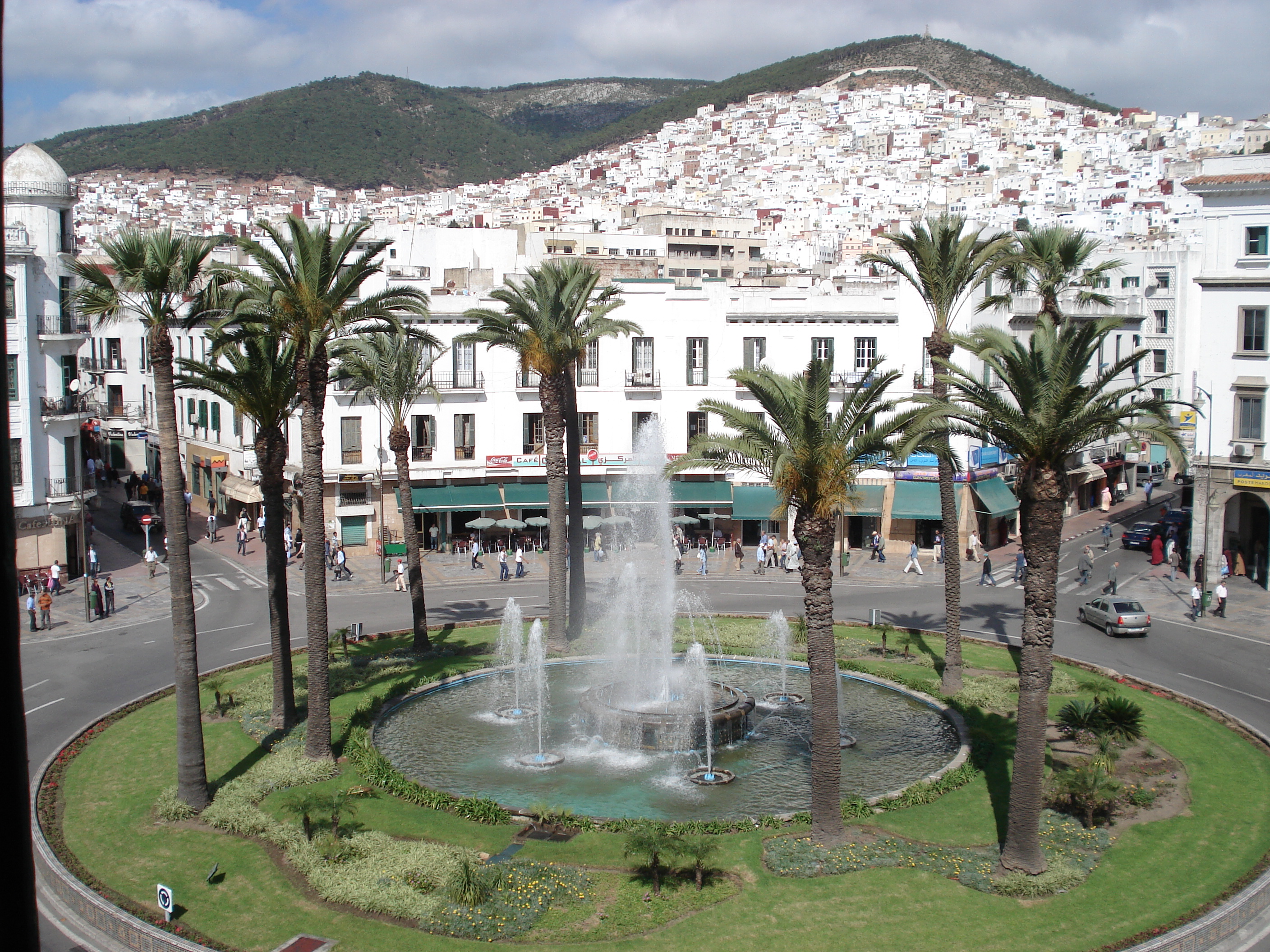
Maritime trade drives the local economy through one of Morocco's two major Mediterranean ports, handling cargo and fishing fleets that employ thousands. Traditional industries like textiles, handicrafts, and agriculture provide steady work, while the UNESCO-designated medina supports a growing tourism sector with hotels, restaurants, and craft workshops. Government jobs are common, but private sector opportunities remain limited compared to Casablanca or Rabat. Most locals earn modest incomes from fishing, small businesses, or artisan work, with unemployment affecting younger residents.
Rent averages $300 monthly for a city center one-bedroom, dropping to $200 in outer neighborhoods. Public transport consists of local buses and shared taxis to Tangier (60km, $3-5), though service can be irregular. Healthcare relies on public hospitals with long waits, plus private clinics for those who can afford them. Arabic and Berber dominate daily life, with French useful for bureaucracy and some Spanish near the port. Government offices move slowly, and residency permits require patience and multiple visits.
Mediterranean climate delivers mild winters and warm summers, with coastal breezes keeping temperatures comfortable year-round. The medina offers excellent traditional Moroccan cuisine, while the expat community remains small but growing among retirees and remote workers. Weekends mean beach trips, exploring Andalusian architecture, or day trips to Tangier and Chefchaouen. Social life centers around cafes and the occasional cultural event, though nightlife is limited. This suits budget-conscious expats seeking authentic Morocco without the chaos of larger cities.