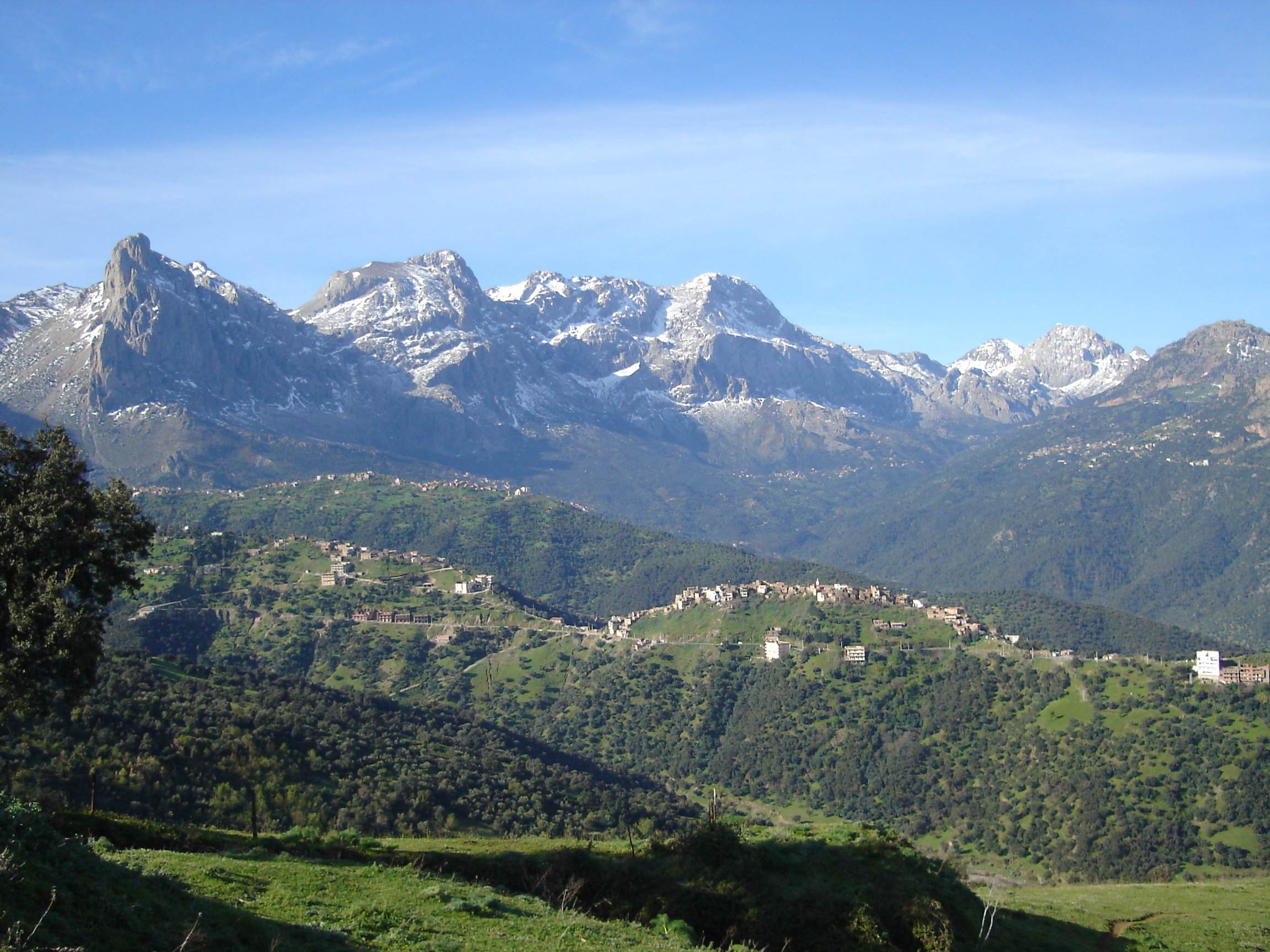
Tizi Ouzou sits in the mountains of Kabylie, about 200 m above sea level, in a Mediterranean climate that brings hot, dry summers and cool, wet winters. The city is home to roughly 157 thousand people and keeps time on Africa/Algiers. Expats who settle here tend to cluster in Zrat and Lazaret, two neighborhoods that have become the most popular choices for newcomers looking for a base in the city.
Rents are modest by most international standards. A one-bedroom apartment in the city center runs $320/mo, while the same unit outside the center drops to $240/mo. Three-bedroom places go for $650/mo in the center and $480/mo farther out. Beyond rent, a single adult can expect to spend around $420/mo, and a family of four closer to $1,250/mo. Utilities come to about $32/mo, internet $12/mo, and a mobile phone plan $10/mo. A monthly public transport pass costs $24/mo and a gym membership $40/mo. Eating out is cheap: an inexpensive restaurant meal is about $2 per person, a mid-range three-course dinner for two is $24, and a cappuccino is $1. Budget, mid-range, and comfortable tiers for a single adult, rent included, land at $304/mo, $456/mo, and $575/mo. Against those figures, the average monthly net salary locally is $196/mo, and the cost of living index sits at 33/100 with New York City at 100.
Safety is generally reasonable, with a safety index of 60/100 and a crime index of 40/100, where lower is safer. Air quality reads 68 on the index, where lower is better. Healthcare quality is rated fair, so residents often travel for more complex care. Internet averages 45 Mbps, which supports remote work without much trouble.
Visas are handled through the usual channels, and the nearest airport is ALG, 107 km away. The city scores 82/100 overall for expats, 84/100 on FIRE, 63/100 for retirees, and 67/100 for digital nomads. English proficiency is limited and the expat community is medium in size. Tizi Ouzou suits budget-conscious remote workers, early retirees chasing low costs, and anyone drawn to mountain air and a slower pace rather than big-city convenience.