Difficulty
Moderate
Duration
12 months
Overview
Morocco does not run a branded “retirement visa” in the way Panama or Costa Rica do. In practice, long‑term retirees use a 12‑month non‑working residence permit (carte de séjour / certificat d’immatriculation) that is renewable and categorized as retirement for those over roughly 55, with a minimum qualifying age of 55. The visa rules don't set a hard minimum monthly income or savings figure, but Moroccan police and foreigner offices look for proof you can support yourself without local work, often via pensions, Social Security, investment income, or bank deposits. Local employment is not permitted under this status, so your budget has to be covered entirely by foreign‑source income.
Financial thresholds vary by case, but the Morocco‑Guide residency instructions describe a bank attestation (attestation de banque) proving you can cover your living costs and mention $500/month as an example level of income or deposits that has been accepted in the past. For a FIRE retiree drawing $3,000–$4,000/month from US index funds and rentals or a traditional retiree on Social Security plus IRA distributions, that level of foreign income is usually sufficient to present a strong file. Because investment amounts aren't standardized, buying Moroccan property or investing in a local business can strengthen your narrative but does not create a separate, guaranteed residency track.
The residence card is issued for 12 months and is renewable; after several annual cards you can move toward longer‑term status and, ultimately, permanent residence, which the program allows for longer-term status, though the exact timeline can vary. Morocco‑Guide notes that after 3 years of yearly cards you can apply for a 5‑ or 10‑year residency card, but the years required for permanent residence and citizenship vary by case. If you are planning a 10‑year stay, assume multiple renewals in person at the Bureau des Étrangers before any longer‑term status is granted.
Physical presence obligations aren't clearly codified, and Morocco doesn't set a specific maximum consecutive absence for resident card holders. Practically, this is not a “paper residency” like some Caribbean programs: the police expect you to actually live at the Moroccan address you register, and officers sometimes verify occupation of the property. If you intend to split time evenly between Morocco and, say, Spain or the US, you should plan on spending the bulk of each renewal year in Morocco until you have a multi‑year card.
On the friction side, the bureaucracy score of 1/5 reflects that Morocco’s paperwork is relatively light compared to many European systems: there is no apostille requirement, no FBI background check, a required medical certificate confirming absence of contagious disease, and no interview requirement. However, on the ground you should expect to provide a local criminal record extract from your home country, a simple medical certificate, 6–7 passport photos, proof of address (lease or title), and a bank attestation, with all foreign documents translated into French or Arabic and legalized at the local muqataa. Processing times and fees vary by case, and the file can vary by city, so arriving with clean, well‑organized financial statements is more important than hitting a published number.
This residence path makes the most sense if you already earn the equivalent of at least $1,500–$2,000/month from pensions, Social Security, or investment income, are comfortable not working locally, and want to base yourself most of the year in one Moroccan city. It is a poor fit if your plan is to fund life through on‑the‑ground work in Morocco, to be out of the country more than you are in it, or to rely on a precise, codified PR/citizenship timeline for long‑term planning.
Eligibility Requirements
Any nationality can apply in principle for Morocco’s retirement‑type 12‑month residence permit, as the visa rules list nationality restrictions as “all.” In practice, applicants from countries facing sanctions or strained relations — such as Iran, Syria, North Korea, and sometimes Russia or Cuba — can encounter extra scrutiny, longer security checks, or banking obstacles even though they are not formally barred in the law. Before assembling a full document package, confirm your specific eligibility and any consular nuances directly with the Moroccan Ministry of Foreign Affairs or the nearest Moroccan consulate, which handle visa issuance and can clarify current practice by nationality.
Min Age
55 yrs
Duration
12 months
Max 0% from local sources
Requirements Checklist
0 of 17 documents in hand
0%These take the longest, so start them first.
Request these while the slow items are in progress.
You only need these on the day you submit.
How and where to apply
Applications are submitted in-country at the local Bureau des Étrangers (police/immigration office) in your city of residence, after entering on a 90-day tourist stay. No consulate or online portal is specified. Sources confirm physical submission with documents.
Tax Information
Local tax regime
Morocco taxes individuals based on tax residency and source, but the exact tax regime type for this retirement residence card is not publicly specified in the visa rules. Moroccan practice relies on personal income tax with progressive rates on employment income, pensions, and business profits, and separate treatment for investment income. For a retiree on this 12‑month, renewable, non‑working residence, the key question is whether you become a Moroccan tax resident; if you do, pensions, Social Security, and other recurring foreign income are at risk of local taxation under general rules. Because “Tax Regime Type” is not specified here, you cannot assume foreign dividends, interest, or rental income are exempt merely because they arise abroad.
For FIRE‑style investors, the treatment of portfolio income is critical. The visa rules do not specify whether Morocco uses a territorial approach or taxes worldwide income once resident, so the status of ETF dividends and bond interest from a US or EU brokerage is not formally clear in this fact set. The safest working assumption is that once you are tax resident, Morocco expects a declaration of global income, including passive income, unless you have explicit written confirmation to the contrary from a local tax adviser or the tax authority.
Capital gains on foreign investments
There is no published guidance in the visa rules on how Morocco taxes capital gains from selling foreign index funds, ETFs, or equities held in an overseas brokerage account. That means you should not assume these gains are exempt. A conservative planning stance is to treat such gains as potentially taxable in Morocco once you are tax resident, pending specific professional advice. Timing major portfolio rebalances or asset sales before establishing Moroccan tax residency can therefore be a useful risk‑management tool for larger portfolios.
Tax residency triggers
The visa rules do not specify the day‑count or other criteria that turn a holder of this 12‑month retirement residence into a Moroccan tax resident. Many countries use a 183‑day test, sometimes combined with center‑of‑vital‑interests or permanent home criteria, but Morocco’s exact thresholds are not disclosed here. For planning purposes, if you spend most of the year in Morocco, hold a local residence permit, and have your main home there, you should assume Moroccan tax residency until a local professional tells you otherwise in writing. The “Physical Presence Required” field is not specified, so you cannot rely on a low‑presence strategy to avoid Moroccan tax residency while still renewing the card.
Local filing requirements
Because the tax regime and residency triggers are not detailed in the visa rules, specific filing and registration steps cannot be described with precision here. In practice, many resident foreigners obtain a Moroccan tax ID and file an annual income tax return once they are clearly living in the country most of the year. Deadlines and forms are not specified in this data set, so anyone planning to use this retirement residence for more than a transient stay should budget time in their first year to sit down with a Moroccan tax adviser to clarify registration, declaration obligations, and how to report foreign pensions and investment income.
Tax treaty status
Tax Treaty with US is listed as “unknown” in the visa rules. That means you cannot rely on a double‑taxation agreement to structure your pension withdrawals, US Social Security, or US‑source dividends in a tax‑efficient way without separate verification. In practical terms, US‑source income could be subject to US tax under US domestic law and Moroccan tax under Moroccan law if you are tax resident there, with relief determined by local unilateral rules rather than a treaty if no treaty exists or if its status is unclear.
For US Citizens and Green Card Holders
US citizens and green card holders using this 12‑month, renewable Moroccan retirement residence remain fully subject to US tax on worldwide income. Nothing about the Moroccan residence changes your US filing obligations. Because local work is not allowed under this visa, most US‑source income will be pensions, IRA/401(k) distributions, Social Security, dividends, interest, and rental profits, which are all outside the scope of the Foreign Earned Income Exclusion.
FEIE via Form 2555 only applies to earned income from services (remote salary, self‑employment, consulting), up to $126,500 for 2024, with eligibility via either the Physical Presence Test (330 full days abroad in any 12‑month period) or the Bona Fide Residence Test. Since this retirement status forbids local work, FEIE is largely irrelevant unless you are ignoring the no‑work rule and still drawing consulting or salary income; even then, pensions, capital gains, and portfolio income remain fully taxable in the US.
The Foreign Tax Credit on Form 1116 becomes the main mechanism if Morocco taxes some or all of your income and you are Moroccan tax resident. FTC only offsets US tax where you actually pay Moroccan income tax on the same stream. If Morocco ends up taxing your foreign pensions or rental income, you can use those Moroccan tax payments as credits to reduce US liability on those items. If Morocco does not tax foreign dividends or capital gains, then there is no foreign tax to credit against US tax on your portfolio returns, and FTC gives you no additional benefit on that income.
FBAR (FinCEN 114) reporting is triggered if the aggregate value of your non‑US financial accounts exceeds $10,000 at any time in the year. If you open a Moroccan bank account or brokerage to receive pensions, pay rent, or hold emergency cash, those balances count toward the $10,000 threshold. FATCA Form 8938 may also apply once foreign assets exceed the higher FATCA thresholds. Non‑willful FBAR penalties start at $10,000 per year, so this is not a form to ignore.
For this visa, the pragmatic approach is to engage two professionals in year one: a US CPA who specializes in expat taxation and understands FEIE, FTC, FBAR, and FATCA, and a Moroccan tax adviser who can clarify your local residency status, registration steps, and how Morocco treats foreign pensions and investments. The $1,500–$3,000 spent up front usually pays for itself via avoided penalties, optimal timing of withdrawals and capital gains, and clear documentation of how your cross‑border tax position is structured.
Living in Morocco
COL Index vs NYC
27.2
Monthly Cost (excl. rent)
$487
1BR Rent (City Center)
$375
Safety Index
52.2
Healthcare Index
46.8
Quality of Life Index
110.8
Time Zone
UTC
Capital
Rabat
Population
36.9M
Official Languages
Arabic, Berber
Avg Internet Speed
106 Mbps
Public Transit Quality
Fair
With a budget covering rent and living costs, you'd need roughly $862/mo for a comfortable single-person lifestyle in Morocco.See how far your money goes →
🏙️ Best Cities in Morocco for Retirees
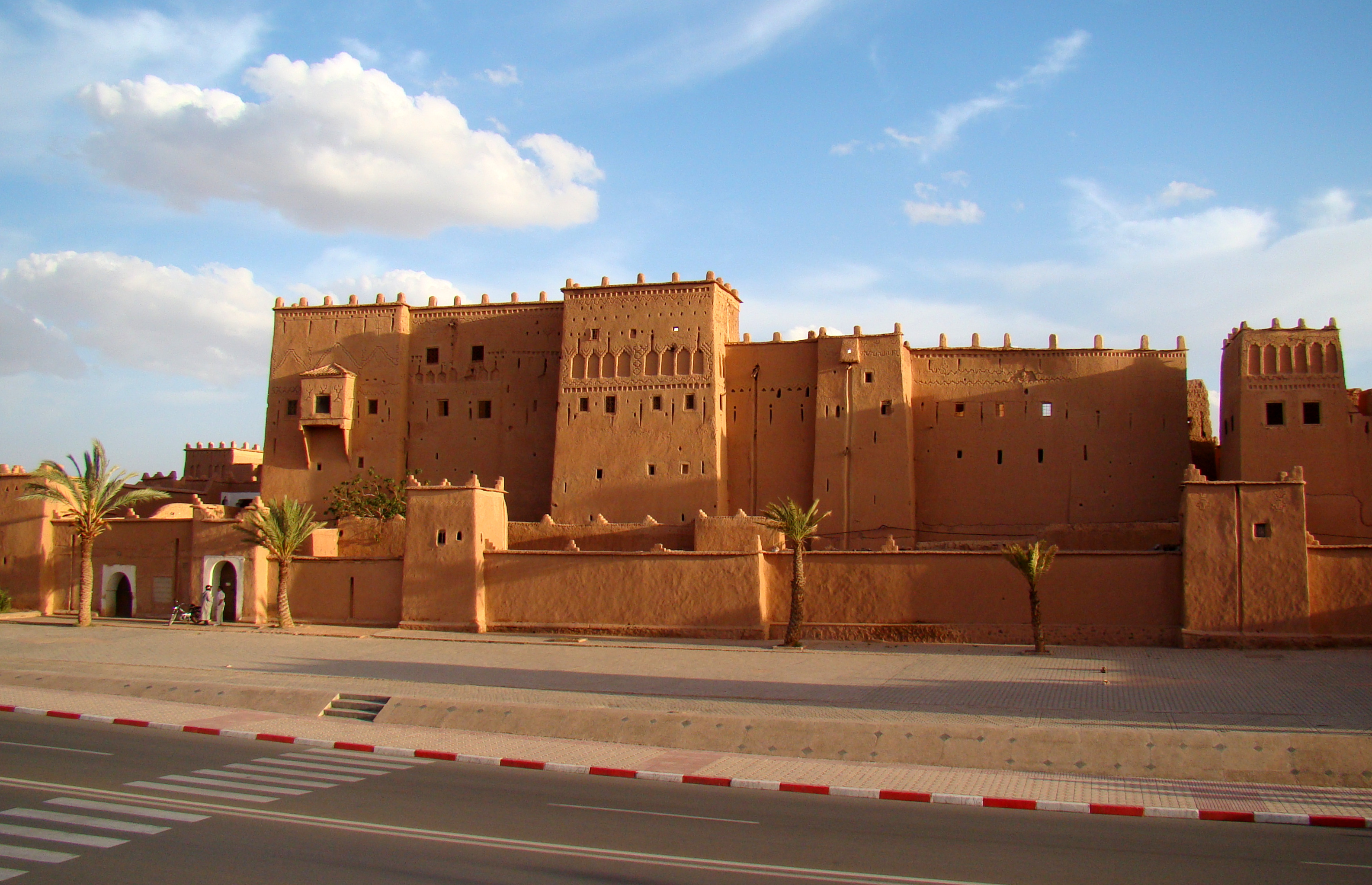 65
65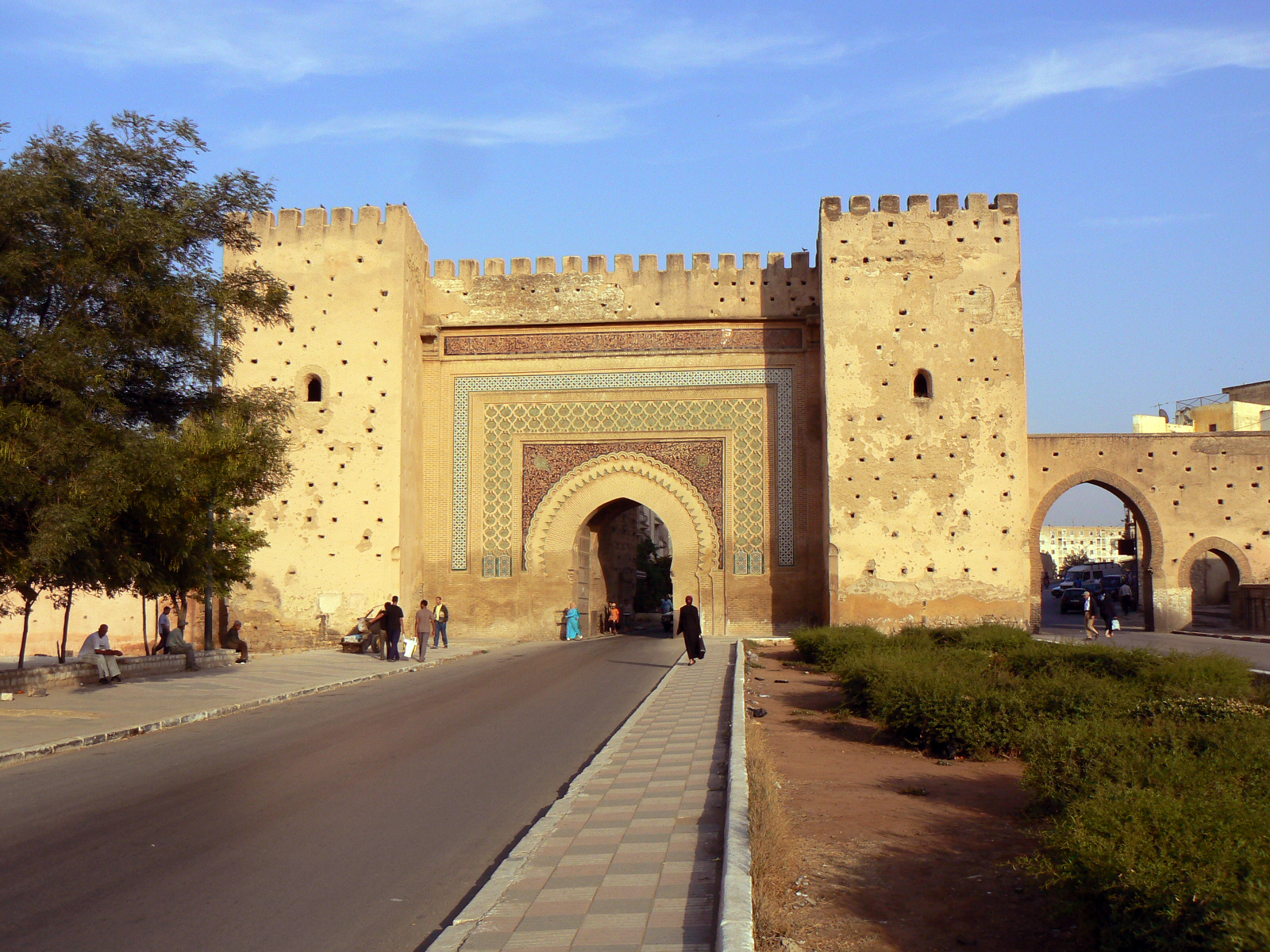 55
55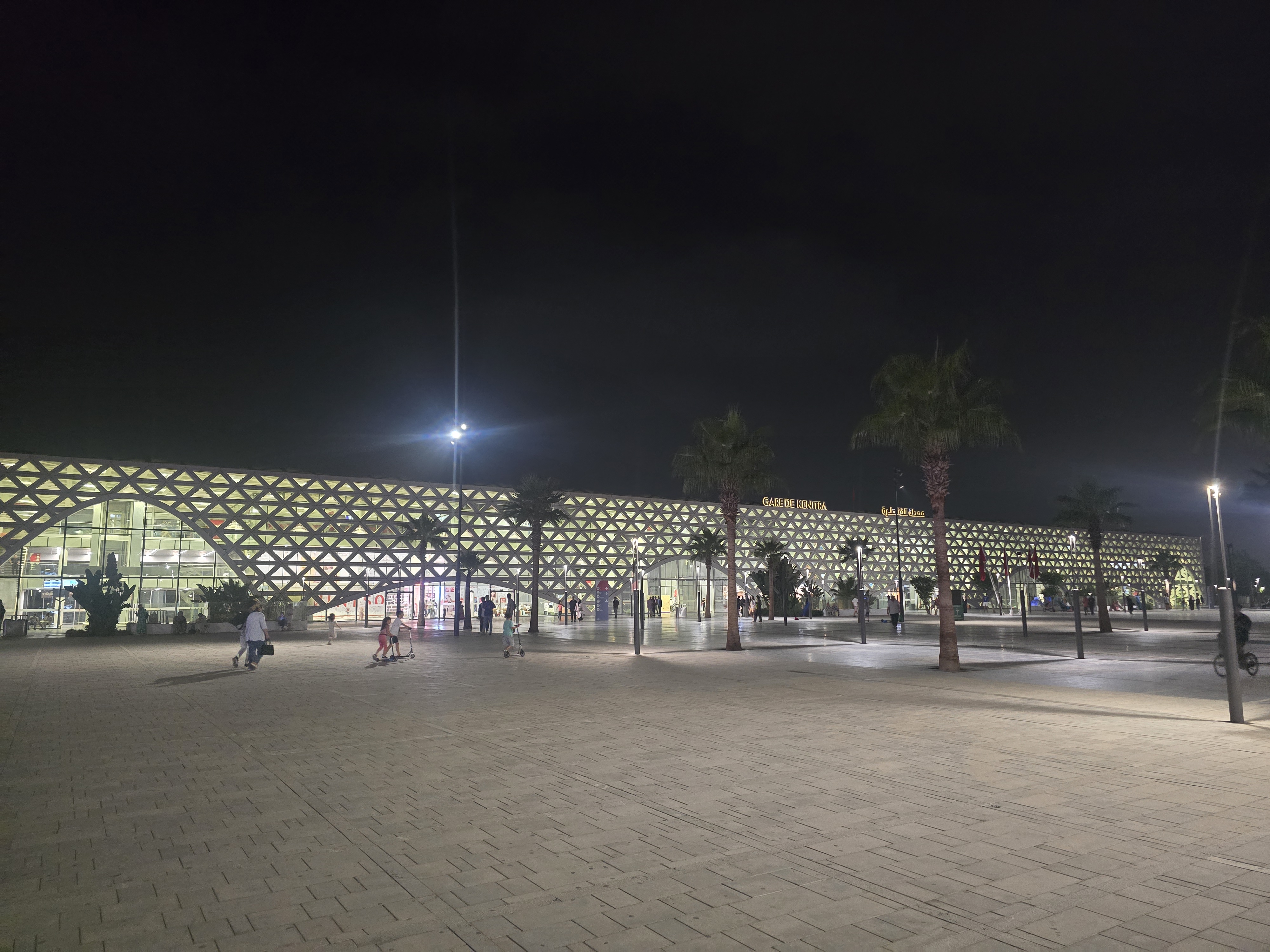 56
56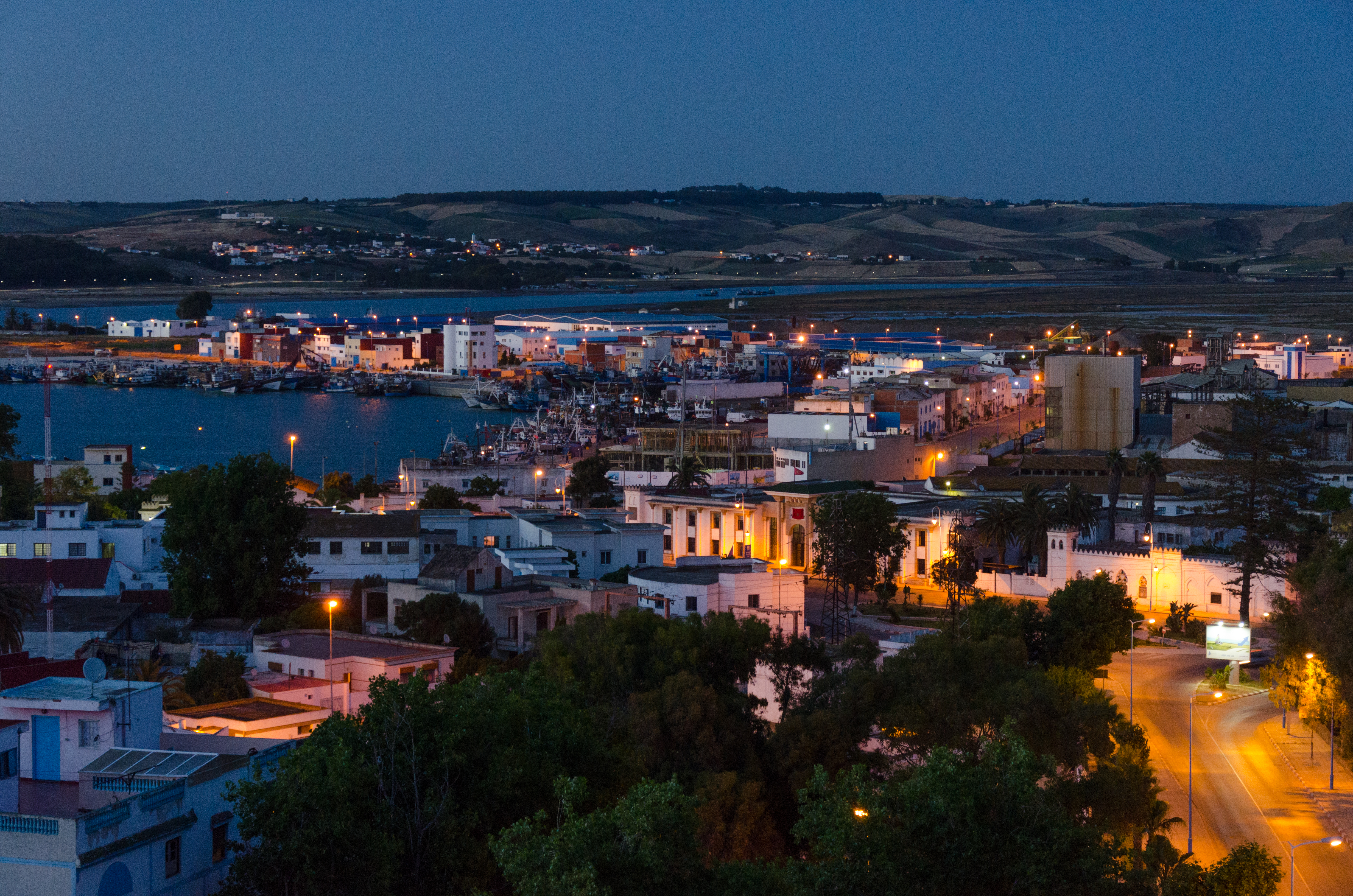 55
55 64
64Work Permissions
Application Steps
- 1
📋 Enter on tourist visa
Up to 90 days
- 2
📋 Secure proof of address
1-2 weeks
- 3
📄 Gather passport and ID copies
1 day
- 4
📄 Collect financial proofs
1-2 weeks
- 5
📄 Obtain criminal record check
2-4 weeks
- 6
📄 Get medical certificate
1-2 days
- 7
📬 Submit at Bureau des Étrangers
Same day
- 8
⏳ Wait for approval
not specified
- 9
🏛️ Renew annually
Annual
This visa requires proof of health insurance. Compare international plans before you apply.
Compare health insuranceWe may earn a commission at no cost to you.
Compare this visa
Curated comparisons that include this route.
Frequently Asked Questions
Click any question to expand the answer.
Ready to Apply?
Work with trusted visa specialists who handle the paperwork so you can focus on your move.
Get help with this visa →* We may earn a commission if you apply through our link
At a Glance
Last verified: October 9, 2026