Morocco Self-Employed / Travailleur Indépendant Residency
Data updated Oct 11, 2026
Processing Time
26 wks
Difficulty
Moderate
Duration
12 months
Overview
Getting the income documentation story straight before applying
The name of this permit gives away what Moroccan immigration is actually screening for: travailleur indépendant, an independent worker, not a remote employee collecting a paycheck from abroad. That distinction changes what you assemble before you ever submit a file. A W-2 remote employee whose income shows up as salary from a single US company doesn't map cleanly onto this category, and officers reviewing the file are looking for evidence of a functioning freelance or consulting practice, not a disguised employment relationship. Multiple clients, invoices you issued yourself, a business registration or freelance status back home, these carry more weight than a single steady paycheck, even a generous one.
This also means retirees living on pension income alone are applying for the wrong visa if this is the one they've landed on. Pension income isn't recognized under this category, so a retiree without an active freelance or consulting income stream will hit a wall here regardless of how comfortable their monthly draw looks on paper. If retirement income is the whole story, this permit isn't the vehicle, and no amount of extra documentation fixes that mismatch.
The sequencing mistake that shows up most often is applicants building their case around income alone and treating the capital requirement as an afterthought. As of 2026, the self-employed track calls for roughly $22,898 in demonstrated investment or capital tied to the business activity, and that figure needs to be traceable to an account and a business purpose, not just sitting in a personal savings account with no connection to the work you're claiming to do. Officers want a coherent narrative: this is the business, this is the money behind it, and this is the income it has already generated or is contracted to generate. Assemble the invoicing history and the capital evidence together, not as two separate submissions that happen to land in the same folder.
One advantage worth banking on early: there's no FBI background check requirement and no apostille demand here, which strips out two of the slowest steps in a typical residency file elsewhere. Don't let that ease tempt you into rushing the income story, though, since that's the part reviewers actually dig into.
Eligibility Requirements
Duration
12 months
Business Owner · Self-Employed
Requirements Checklist
Tax Information
What Morocco Actually Taxes You On
Morocco taxes residents on worldwide income, which means a US freelancer or remote worker settling in under the self-employed residency card owes Moroccan tax on salary, freelance revenue, foreign dividends, brokerage gains, and rental income sent back from a US property, not just on what gets earned inside the country. The progressive income tax scale for 2026 runs from 0% on the first 40,000 MAD (~$4,000), then climbs through 10%, 20%, 30%, and 34% brackets, topping out at 37% on anything above 180,000 MAD (~$18,000). That top marginal rate catches most professionals earning a normal US salary or freelance income within a year or two of arrival.
Dividends split by source. A dividend paid by a Moroccan-resident company to a resident individual is withheld at 12.5% as of 2026, while foreign-source dividends land on a resident's return at 15%. Both are treated as effectively final, so there's no additional layer of Moroccan tax once withheld. Capital gains follow a similar split by asset class as of 2026: real estate gains are taxed at 20% with a minimum floor of 3% of the gross sale price regardless of actual profit, listed securities gains sit at 15%, and gains on unlisted shares sit at 20%. A primary residence held more than eight years, or one where proceeds get reinvested into a new primary residence within six months, escapes the real estate gains tax entirely.
Pension income gets gentler treatment starting in the 2026 tax year: a resident whose only income is a basic pension or life annuity is now fully exempt from Moroccan income tax and no longer has to file a return at all. Anyone mixing pension income with freelance or investment income doesn't get that exemption and instead falls back on the older deduction scale, 70% off the first 168,000 MAD of pension income and 40% off the rest, taxed at the same progressive rates above.
Where the IRS Still Has a Claim
None of this touches the US filing obligation. Citizens and green card holders report worldwide income to the IRS every year regardless of where they live, and the Foreign Earned Income Exclusion only shields earned income, remote salary and freelance revenue, up to $132,900 for the 2026 tax year. It does nothing for dividends, brokerage gains, rental income, pensions, or Social Security, all of which stay fully taxable on the US return even after the exclusion is claimed. Someone using the FEIE while also drawing US brokerage dividends or renting out a house back home is still filing a return that taxes that second category in full.
The foreign tax credit picks up some of the slack, but its usefulness here is mixed. Moroccan-source income taxed at rates up to 37% generates more foreign tax credit than most filers can actually use against the matching US liability, which is a fine problem to have. Income that's US-source, meanwhile, usually isn't taxed by Morocco at the same intensity, so the credit does less work there. A tax treaty between the US and Morocco has existed since 1977 and entered into force in 1981, but the savings clause inside it preserves the US government's right to tax its own citizens regardless of treaty terms, so what the treaty actually does is reposition where certain income gets taxed first rather than remove the US filing requirement.
The residency card requires a local bank account for rent and utility setup, and that account puts you inside FBAR territory the moment combined foreign account balances cross $10,000 at any point in the year. FinCEN Form 114 is not optional once that threshold trips, and the non-willful penalty for skipping it runs roughly $16,700 as of 2026, adjusted for inflation annually. Morocco hasn't signed onto the Common Reporting Standard as a jurisdiction feeding account data to the US, though some Moroccan banks operating under international agreements may still report on their own, which in practice means the IRS is relying more on self-reporting here than in most countries, and that gap tends to turn into a five-figure problem later rather than a small one now.
Morocco's impatriate regime is worth knowing even though it probably doesn't apply to most people on this residency. It cuts the taxable base on employment income in half for the first five years, but only for foreign nationals recruited abroad specifically to work in Morocco, and only on Moroccan-source salary and professional income, with foreign-source income still taxed under the normal rules. A freelancer building a self-employed practice rather than being hired by a Moroccan employer sits in a gray zone the regime wasn't written for, and there's no substitute for having a Moroccan tax adviser check eligibility before assuming either way. The FEIE election between the bona fide residence test and the physical presence test matters more here than the impatriate question for most readers, since nothing in Moroccan immigration rules caps how many days a US citizen can accumulate toward the 330-day physical presence threshold, and choosing wrong on that election in year one is the kind of mistake that costs real money to unwind. Budget something in the neighborhood of $1,500 to $3,000 for a first-year adviser who can sort the FEIE test, the FBAR filing on the mandatory account, and whatever the impatriate regime turns out to mean for your specific setup.
Living in Morocco
COL Index vs NYC
27.2
Monthly Cost (excl. rent)
$487
1BR Rent (City Center)
$375
Safety Index
52.2
Healthcare Index
46.8
Quality of Life Index
110.8
Time Zone
UTC
Capital
Rabat
Population
36.9M
Official Languages
Arabic, Berber
Avg Internet Speed
106 Mbps
Public Transit Quality
Fair
With a budget covering rent and living costs, you'd need roughly $862/mo for a comfortable single-person lifestyle in Morocco.See how far your money goes →
🏙️ Best Cities in Morocco for Freelancers
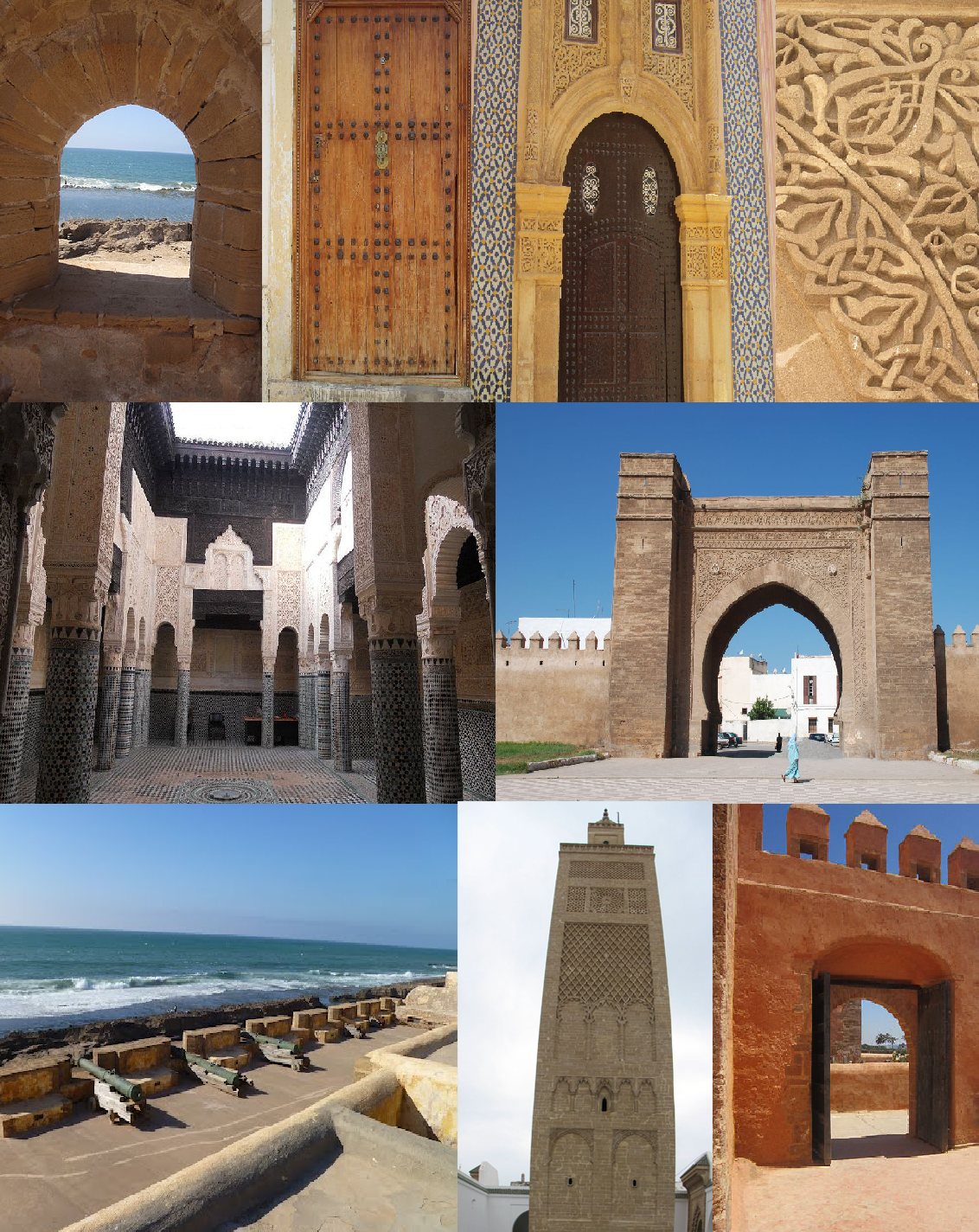 60
60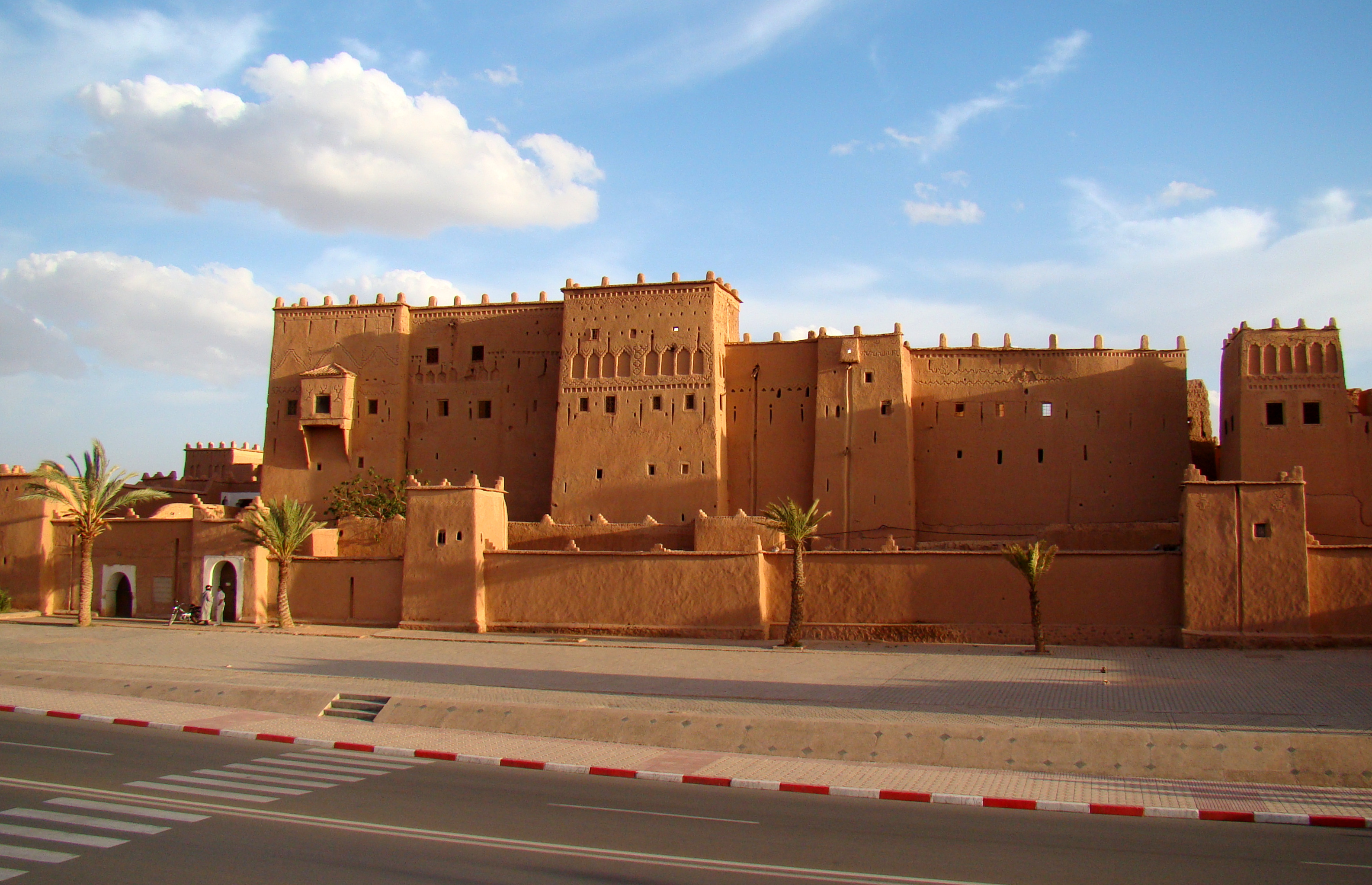 59
59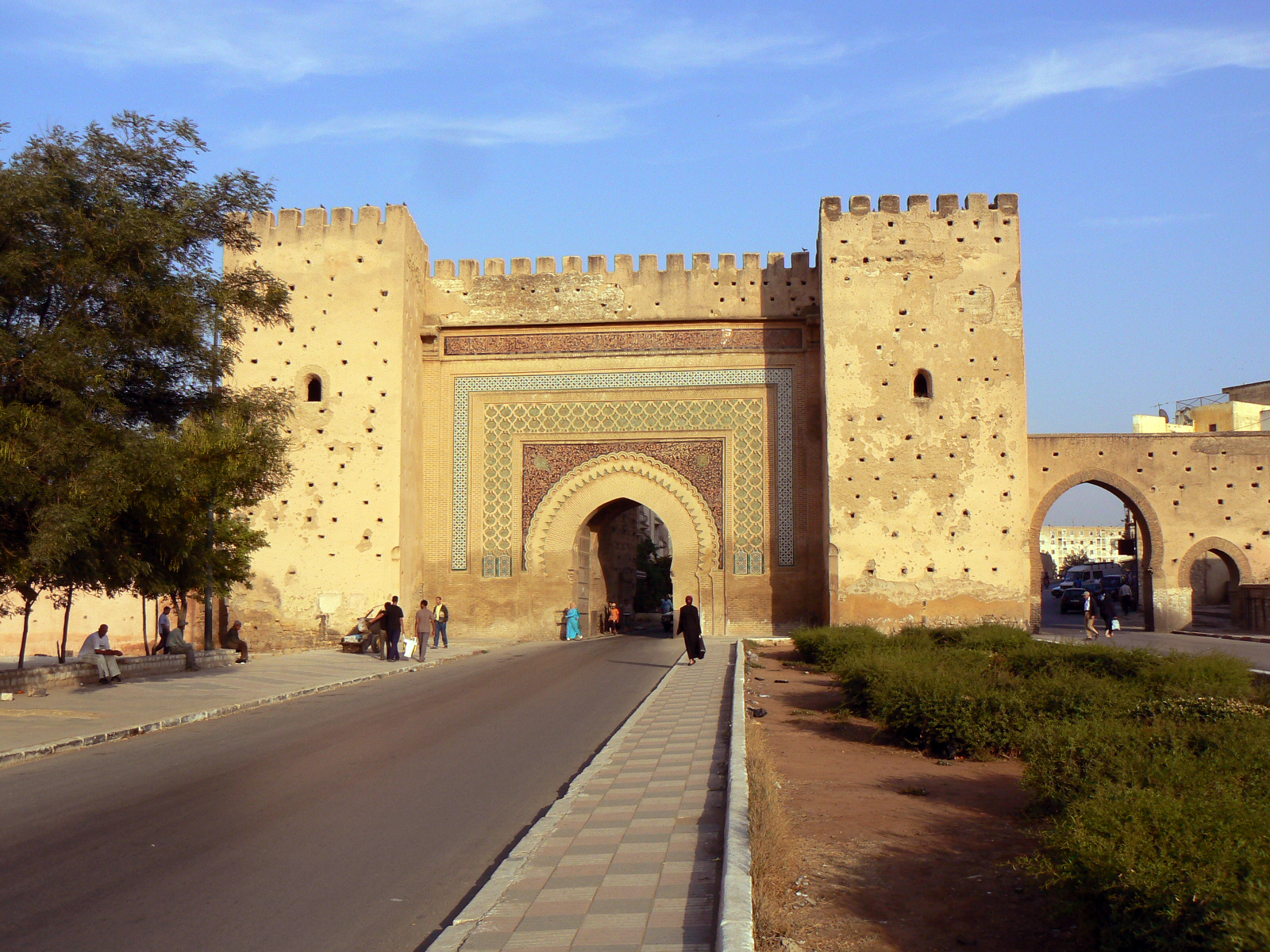 60
60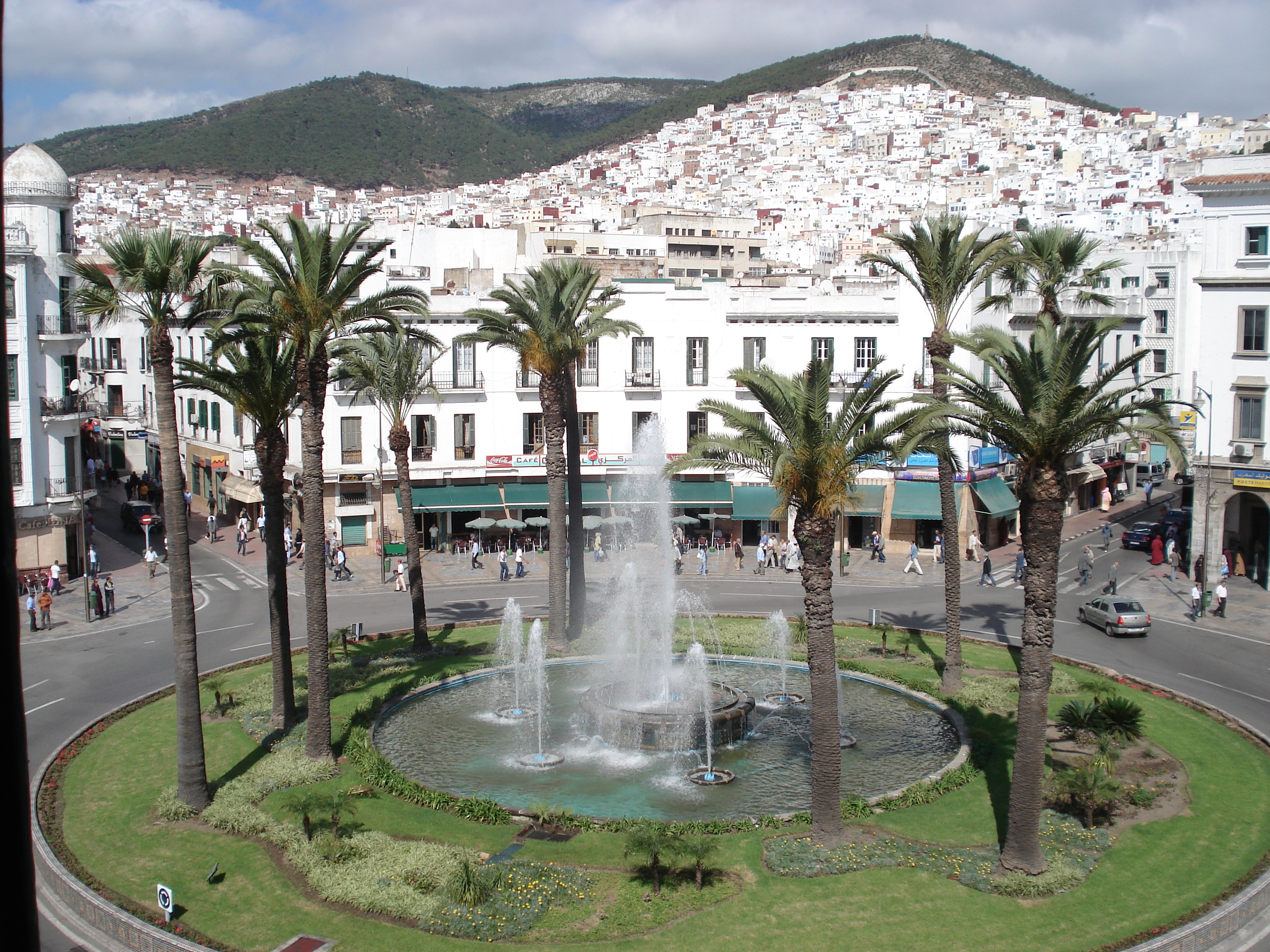 61
61 67
67The housing requirement and where people get it wrong
Proof of address sounds simple until you're trying to produce a Moroccan lease before you've set foot in the country, which is exactly the trap a lot of applicants fall into. Signing a long-term rental contract sight unseen, based on photos and a WhatsApp exchange with a landlord, is a common way to end up with a lease that either doesn't match what immigration expects or comes from a landlord unwilling or unable to provide the domiciliation attestation the file actually needs. Rental arrangements in Morocco, particularly outside the handful of cities used to foreign renters, aren't always formalized the way applicants assume, and an informal cash arrangement with no paper trail is worse than no address at all.
The better sequence, even though it costs more time up front, is a short exploratory stay on a tourist basis, an in-person lease signing, and a landlord who has done this before and knows what an attestation de domiciliation needs to say to satisfy the file. Because a local bank account is also required, and banks in Morocco generally want a fixed address before they'll open one, the housing and banking steps are tangled together in a way that punishes anyone trying to handle them remotely or out of order. Sort the address first, then the account, then the residency file, not the reverse.
Landlords who rent regularly to foreigners applying for this category tend to already have the attestation template and know which local authority needs to stamp it. Landlords who don't will send you in circles for weeks. That's the actual filter here, not whether the apartment itself is nice enough.
What happens after approval and before you're holding a real permit
There's no interview and no medical exam in this process, which means the entire evaluation happens on paper, with no in-person moment where a mistake gets caught and corrected on the spot. That cuts both ways: fewer chances to be tripped up by a bad answer in a room, but also no chance to explain away a weak document once it's submitted.
Processing timelines here swing widely, from roughly 4.3 weeks on the fast end to as long as 25.7 weeks as of 2026, and that spread is wide enough that planning a move-in date around a specific number is a mistake. Applicants who assume the fast end and book flights, notify landlords, or give notice on a home lease accordingly are the ones who end up in limbo, holding a receipt for a submitted file with no card yet in hand and nothing concrete to show a landlord, bank, or school for a dependent in the meantime. Build the timeline around the slow end and treat anything faster as a bonus.
During that gap, you're functioning on the strength of the filing itself rather than a finished card, which is workable but not the same as having a permit in your passport. Anyone bringing dependents should plan around the same uncertainty for them, since the file covers the household but the wait doesn't shrink because there are more people attached to it.
The long-term path is a renewal habit, not a ladder
This permit does not convert into permanent residency. The honest way to think about it is as an indefinitely renewable annual status rather than a staged track toward a fixed immigration outcome. The initial grant runs twelve months, and the practical work of staying in Morocco long-term is repeating that renewal year after year, keeping the business income and capital story current each time rather than treating year one's file as something you can coast on.
That's a different mental model than a lot of applicants bring in from other countries, where a few years of a work-based residency category converts automatically into something more permanent. If a fixed path to citizenship or long-term status within a known number of years is the goal, this particular category isn't built to deliver that on its own, and treating it as though it will lead somewhere it doesn't is the kind of assumption that costs people years of planning around a horizon that was never there. It's a legitimate long-term lifestyle base. It's just not a naturalization pipeline, and pretending otherwise sets up disappointment down the line rather than at the point of application.
Morocco versus the obvious Iberian alternative
The freelancer weighing this against a Portuguese or Spanish self-employment route is usually weighing two different products dressed up as similar ones. The European options generally ask for more, on income thresholds and on documentation depth, but they come with something Morocco doesn't offer here: a plausible, if slow, route toward permanent status and eventually citizenship. Morocco asks less of you financially and drops the apostille and FBI clearance steps that eat weeks in a European file, but it hands you an annual renewal habit with no long-term status attached.
For someone who wants a lower-friction base to run a freelance practice from for a year or two, with the option to leave without having built toward anything permanent, Morocco's version is truly easier to get into and easier to walk away from. For someone whose actual goal is an EU foothold or a long-run immigration outcome, spending a year here first doesn't advance that goal at all, it just delays the clock starting somewhere it would count. The decision isn't which country is "better." It's whether you're optimizing for ease of entry this year or for where you want to be standing in a decade, because this visa answers the first question well and doesn't answer the second one at all.
Work Permissions
Application Steps
- 1
Research
Verify all requirements for this visa type and country
- 2
Gather documents
Obtain all required documents (passport, financial statements, health insurance, etc.)
- 3
Complete application
Fill out the official application form
- 4
Submit application
Submit all documents to the appropriate consulate or online portal
- 5
Pay fees
Complete payment of application and visa fees
- 6
Attend interview
If required, attend any scheduled interviews
- 7
Wait for decision
Processing times vary from weeks to months
- 8
Travel and activate
Once approved, travel to the country and complete any activation requirements
Compare this visa
Curated comparisons that include this route.
Frequently Asked Questions
Click any question to expand the answer.
Ready to Apply?
Work with trusted visa specialists who handle the paperwork so you can focus on your move.
Get help with this visa →* We may earn a commission if you apply through our link
At a Glance
Last verified: October 9, 2026