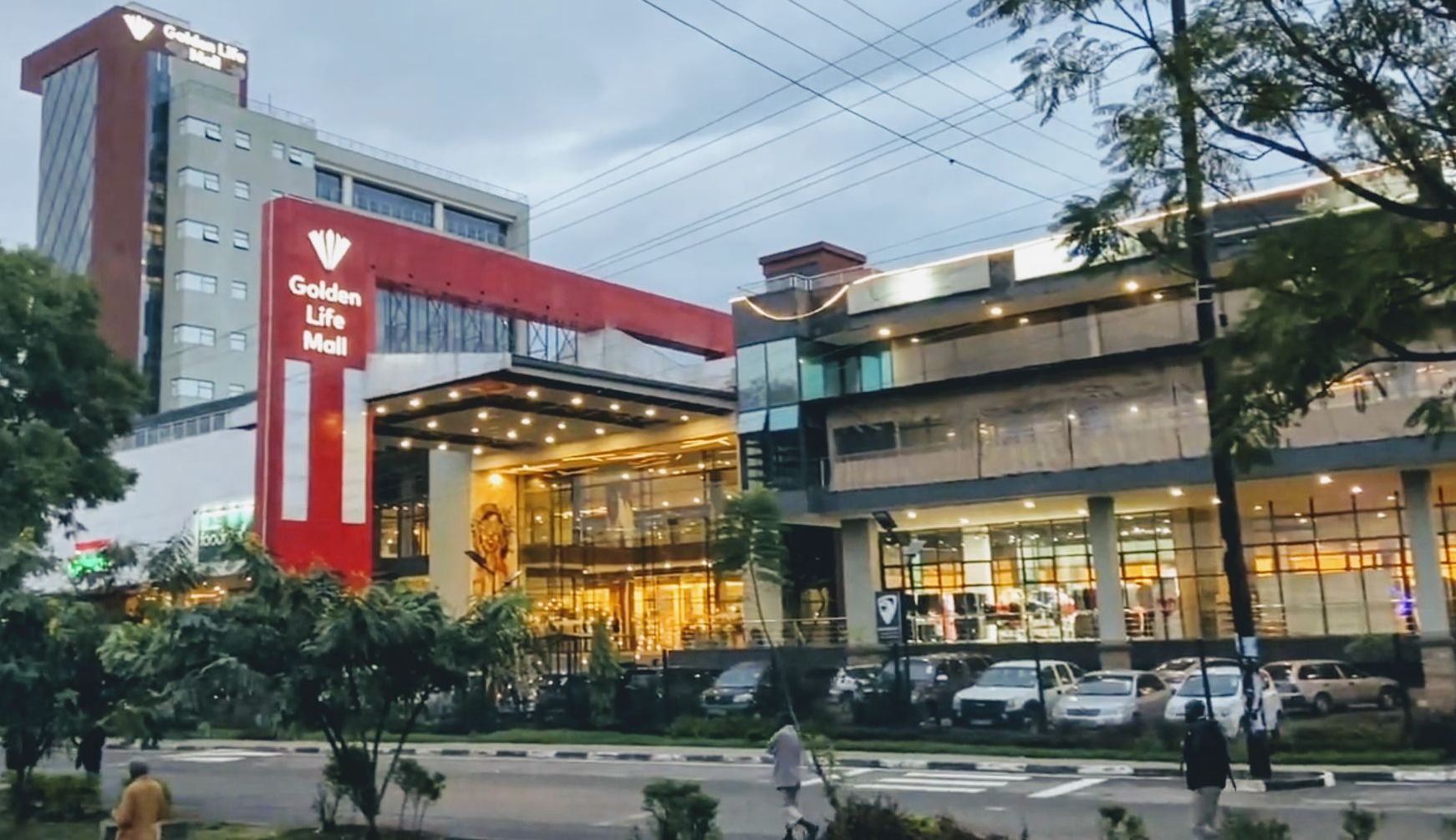
Agriculture and light manufacturing feed Nakuru, not a startup scene. You find motorcycle assembly plants, grain processors, and the head offices of retail chains that were born here and now blanket the country. Remote work is possible if your income doesn't rely on clear video calls: internet averages 25.5 Mbps, and you'll need a backup for the frequent blackouts. A one-bedroom in the city center costs $250 a month, and the rest of a frugal life comes to roughly $420. Foreigners rarely land without a job already secured, unless they're teaching or consulting in agribusiness.
The rhythm of daily life is dictated by matatu schedules and the quiet churn of a regional town. English gets you through official tasks, but Swahili unlocks fairer prices at the market and less friction with landlords. Healthcare exists, yet for anything serious you'll be on a bus to Nairobi. The safety picture is mixed: a crime index of 40 means most nights are calm, but opportunistic theft is woven into the landscape, so you learn to keep an eye out. The climate is the real gift here, with cool nights at 1850 meters and a genuine bite from June to August; housing runs from bare concrete flats to gated suburban homes, all modest by Western standards.
This city suits a retiree on a modest pension who wants cheap food, easy access to Lake Nakuru National Park, and no pretense. The student population from local universities adds a layer of young energy, but digital nomads will tear their hair out over the bandwidth and the complete absence of coworking spaces. You come here because you have work waiting, family in the area, or a stubborn attachment to the Rift Valley's harsh beauty. If you need seamless connectivity and a full expat bubble, Nairobi is two hours away and a different universe.
Estimate the cost of moving to Nakuru, Kenya
Get a free moving cost estimate for moving to Nakuru, Kenya. Takes 10 seconds.
How much are you shipping?
When are you moving?
Powered by Sirelo. Free quotes from international movers.
🏚️ Cost of Living
💰 Budgets and Costs
$391/mo, one person, rent included
Selected: budget lifestyle
Nakuru on a budget budget comes to about $391 a month for one adult, with $139 of that going to rent. Beyond rent the estimate covers $81.00 on groceries, $15.00 on dining out, $23.00 on entertainment and lifestyle, $106 on utilities and connectivity and $27.00 on transport.
Rent
$139/mo
1BR outside the centre
Groceries
$81.00/mo
75% of mid-range grocery spend
Dining out
$15.00/mo
4 inexpensive meals
Entertainment & lifestyle
$23.00/mo
1 cinema trip, 8 cappuccinos
Utilities & connectivity
$106/mo
utilities, mobile, internet
Transport
$27.00/mo
Monthly pass
Budgets (excl. rent)
Single person$252/mo
Excludes rent. The total above is all-in, rent included.
$457/mo, one person, rent included
Selected: mid-range lifestyle
Nakuru on a mid-range budget comes to about $457 a month for one adult, with $139 of that going to rent. Beyond rent the estimate covers $108 on groceries, $39.00 on dining out, $38.00 on entertainment and lifestyle, $106 on utilities and connectivity and $27.00 on transport.
Rent
$139/mo
1BR outside the centre
Groceries
$108/mo
Staples basket scaled to a full month
Dining out
$39.00/mo
10 inexpensive meals
Entertainment & lifestyle
$38.00/mo
2 cinema trips, 12 cappuccinos
Utilities & connectivity
$106/mo
utilities, mobile, internet
Transport
$27.00/mo
Monthly pass
Budgets (excl. rent)
Single person$318/mo
Excludes rent. The total above is all-in, rent included.
$703/mo, one person, rent included
Selected: comfortable lifestyle
Nakuru on a comfortable budget comes to about $703 a month for one adult, with $223 of that going to rent. Beyond rent the estimate covers $151 on groceries, $127 on dining out, $69.00 on entertainment and lifestyle, $106 on utilities and connectivity and $27.00 on transport.
Rent
$223/mo
1BR in the centre
Groceries
$151/mo
140% of mid-range grocery spend
Dining out
$127/mo
6 inexpensive meals + 6 mid-range meals
Entertainment & lifestyle
$69.00/mo
4 cinema trips, 20 cappuccinos
Utilities & connectivity
$106/mo
utilities, mobile, internet
Transport
$27.00/mo
Monthly pass
Budgets (excl. rent)
Single person$480/mo
Excludes rent. The total above is all-in, rent included.
Estimates for one adult, built from this city's average prices and the usage shown for each tier. Your spending will differ with how often you eat out and where you live.
A 1BR in the center runs about $223.27/mo. If your income is in another currency, bank FX fees add up. A multi-currency account can cut that cost.
Nakuru offers moderate safety for expats with a Numbeo Safety Index of 60, making it reasonably secure compared to Nairobi. Primary concerns include petty theft, mugging in poorly lit areas, and occasional carjacking. Avoid walking alone after dark, especially in Bondeni, Kaptembwa, and informal settlements. Use registered taxis or ride-sharing apps. Violent crime against expats is uncommon but possible during civil unrest. The city has a functioning expat community and police presence in central areas. Overall, it's livable for cautious residents but requires standard urban safety practices and local awareness.
Nakuru has a safety index of 60/100. Petty theft and lost belongings are the most common problems for newcomers. Compare travel insurance before you go.
Nakuru has a mild highland climate with warm, dry seasons (June-October and January-February) and cooler, wetter periods (March-May and November-December), making it pleasant year-round for expats.
💻 Digital Nomad
Avg Internet Speed
25.5 Mbps
Internet (monthly)
$35/mo
Coworking Availability
Limited
Coworking Spaces Nearby
0
Digital Nomad Score
61/100
Community Notes
A city known for its national parks, Nakuru has some coworking spots but is less developed for nomads.
A budget-friendly option with a relaxed, social atmosphere. Located near the city center, it's a good spot for digital nomads looking for a community and affordable workspace.
A popular coworking space in Nakuru offering a professional environment. It's known for its reliable internet, comfortable seating, and networking opportunities, making it suitable for expats.
Located in a central business district, Regus offers a more corporate coworking experience. It provides reliable infrastructure, meeting rooms, and a professional atmosphere, appealing to those needing a formal workspace.
See how Nakuru's digital nomad life compares with Embu
🧳 Expat Life
English Proficiency
Limited
Expat Community
Small
Top Neighborhoods
Milimani
Banks Nearby
26
ATMs Nearby
3
Expat Life Notes
Kenya's fourth city is an agricultural and tourist hub near Rift Valley lakes.
Pros
✓ Cooler climate
✓ Near national parks
✓ Low cost
Cons
✗ Limited infrastructure
✗ Quiet sosial scene
🏘️ Neighborhoods in Nakuru
Areas of Nakuru that expats often consider.
Conditions can change from one block to the next, and these descriptions are general guides, not safety assessments. Before choosing where to stay or live, check current travel advisories, talk to people who live there, and visit in person if you can.
Milimani
Upscale, quiet, residential haven
Milimani is one of Nakuru's most affluent areas, known for its large homes and well-maintained gardens. It's popular with professionals, families, and some expats seeking a peaceful environment. While not particularly walkable, it's considered safe and offers easy access to the city center by car or taxi.
Section 58
Central, lively, mixed residential
Section 58 is a centrally located and bustling residential area with a mix of housing options. It's a good choice for those who want to be close to amenities and enjoy a vibrant atmosphere. Public transport is readily available, but be prepared for noise and traffic.
Kiamunyi
Quiet, suburban, family-oriented
Located a bit further from the city center, Kiamunyi offers a more suburban feel. It's popular with families and those seeking a quieter lifestyle. While less expat-heavy, it provides a glimpse into everyday Kenyan life and is relatively safe, though a car is recommended.
Naka Estate
Established, residential, convenient location
Naka Estate is a well-established residential area with a mix of houses and apartments. It's conveniently located near shopping centers and schools, making it a popular choice for families and professionals. It's generally safe and offers a good balance of convenience and tranquility.
Free Area
Budget-friendly, bustling, local flavor
Free Area is a more affordable option, offering a glimpse into local life. It's a bustling area with a vibrant market and plenty of small businesses. While not particularly expat-friendly, it's a good choice for those on a tight budget who want to immerse themselves in the local culture. Security can be a concern, so take precautions.
Langa Langa Estate
Residential, growing, developing area
Langa Langa is a developing residential area on the outskirts of Nakuru. It offers more affordable housing options and a quieter environment compared to the city center. Infrastructure is still developing, so expect some inconveniences. It's not particularly known for expat residents.
Page 1 of 2
Could living/working in Nakuru cut years off your work life?
With a 1-bedroom in the center at $223/mo, your FIRE number here might be much lower than you think.
Nakuru has a population of approximately 307,990 people.
A single person can expect to spend around $558 per month in Nakuru, including rent. A 1-bedroom apartment in the city center costs approximately $223/month.
The nearest airport to Nakuru is NUU, approximately 10km away.
Nakuru is considered relatively safe, with a safety index of 60.0. As with any city abroad, expats should research specific neighborhoods before committing to a location.
Nakuru has an average internet speed of 25.5 Mbps. It is considered a well-established digital nomad destination.
Monthly rent averages $250, with lower consumer prices compared to Nairobi. Living expenses are relatively affordable for an urban Kenyan setting.
Opportunities span agriculture, manufacturing, retail, tourism, and emerging service sectors. Major employers include agricultural processors, retail companies, and regional business headquarters.
Yes, with a growing international community, multiple universities, affordable living, and proximity to natural attractions like Lake Nakuru National Park. English is widely spoken, easing cultural transition.
Many expats prefer living in areas like Milimani or Kiamunyi due to their relatively higher security and access to amenities. These neighborhoods offer a mix of housing options, from apartments to larger homes, and are generally considered safe and well-maintained. Rents in these areas tend to be higher than in other parts of Nakuru.
Nakuru is generally considered safe, but petty crime can be an issue, especially in crowded areas and at night. It's advisable to avoid walking alone after dark and to be aware of your surroundings. Some areas on the outskirts of town may have higher crime rates, so it's best to research specific neighborhoods before committing to living there.
Nakuru has a temperate climate due to its altitude, with warm days and cool nights. The rainy seasons are typically from March to May and October to November. Pack layers, as temperatures can fluctuate, and be prepared for occasional heavy rainfall during the rainy seasons.
Internet speeds in Nakuru are generally reliable, especially in urban areas. You can expect download speeds of 20-50 Mbps with fiber optic connections, which are sufficient for most remote work tasks. Mobile data is also readily available, but can be less consistent.
The most common forms of local transport are matatus (minibuses) and boda-bodas (motorcycle taxis). Matatus are inexpensive but can be crowded and chaotic. Boda-bodas offer more flexibility but can be less safe. Taxis and ride-hailing services are also available, offering a more comfortable but pricier option.
Rent for a decent one-bedroom apartment in a good neighborhood like Milimani can range from $300 to $600 per month. Prices vary depending on the size, location, and amenities. You can find cheaper options in other areas, but they may come with trade-offs in terms of security and convenience.
Yes, Nakuru has several private hospitals and clinics with English-speaking doctors. The Aga Khan Hospital and Mediheal Hospital are reputable options. While healthcare quality is generally good, it's advisable to have comprehensive health insurance that covers medical evacuation if necessary.
The expat community in Nakuru is relatively small compared to Nairobi, but it's still active. You can connect with other expats through online forums, social media groups, and local organizations. Networking events and volunteer opportunities are also good ways to meet people.
Groceries are relatively inexpensive, especially if you buy local produce from markets. Dining out can range from budget-friendly local eateries to more expensive restaurants catering to tourists and expats. Expect to spend around $5-15 for a meal at a mid-range restaurant.
Several major banks operate in Nakuru, including Equity Bank, KCB, and Standard Chartered. ATM fees vary depending on the bank and your card, but typically range from $2-5 per transaction. International money transfers can be done through banks or services like WorldRemit and Remitly, but be sure to compare fees and exchange rates.
US citizens can enter Kenya as tourists for up to 90 days with a visa obtained online or upon arrival. For longer stays, you'll need to apply for a residency permit, which can be based on investment, employment, or other factors. Consulting with an immigration lawyer is recommended to navigate the process.
Nakuru can be a viable option for early retirement on a budget of $2000 per month, especially if you're willing to live modestly. This budget should cover rent, food, transportation, and basic expenses. However, it's important to factor in healthcare costs and potential emergencies.
As a US citizen living abroad, you're still required to file US taxes annually. The Foreign Earned Income Exclusion (FEIE) allows you to exclude a certain amount of your foreign-earned income from US taxes. You may also need to file a Report of Foreign Bank and Financial Accounts (FBAR) if you have foreign bank accounts exceeding $10,000 in aggregate.
English is widely spoken in Nakuru, especially in business and tourist areas, making it relatively easy to navigate daily life. While learning some basic Swahili phrases is appreciated, you can generally get by without fluency. The pace of life is slower than in major cities, offering a more relaxed and less stressful environment.
Cost-of-living and visa updates for Nakuru and the rest of Kenya. Free with RA Postcards.
By submitting your email address, you will receive a free subscription to RA Postcards and special offers from Rewire Abroad and our affiliates. You can unsubscribe at any time, and we encourage you to read more about our Privacy Policy.