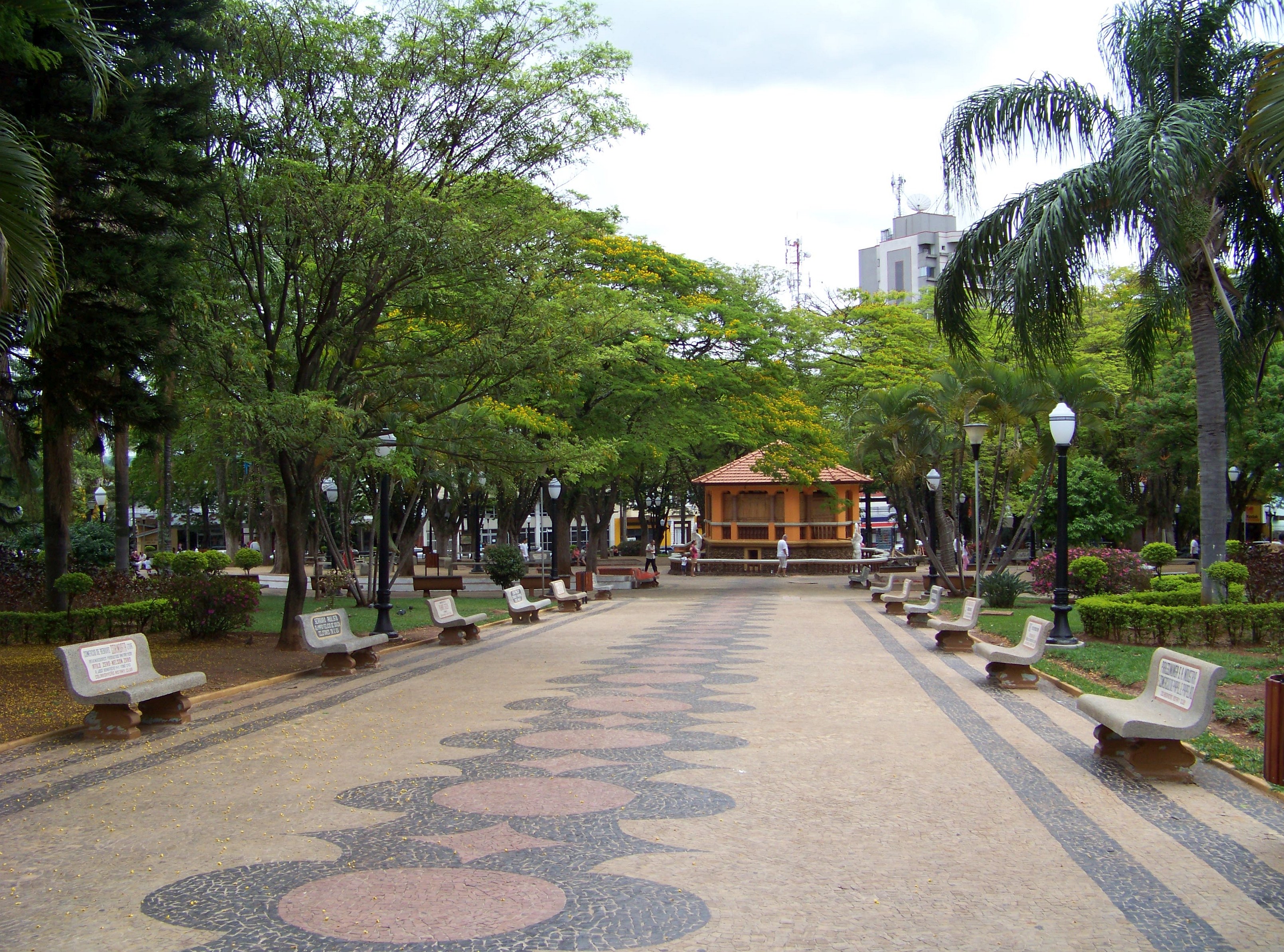
Pirassununga sits at an elevation of 637 meters above sea level in the tropical climate of Brazil's interior, within the America/Sao_Paulo timezone. With a population of 57 thousand, the city offers a compact urban experience. The data does not name specific neighborhoods where expats choose to live, so no details on that are available.
Estimate the cost of moving to Pirassununga, Brazil
Get a free moving cost estimate for moving to Pirassununga, Brazil. Takes 10 seconds.
How much are you shipping?
When are you moving?
Powered by Sirelo. Free quotes from international movers.
🏚️ Cost of Living
A 1BR in the center runs about $320/mo. If your income is in another currency, bank FX fees add up. A multi-currency account can cut that cost.
Pirassununga is a moderately safe interior city with a Safety Index of 60, suggesting reasonable security for daily life. Main concerns include petty theft, motorcycle robberies in certain areas, and occasional property crime—typical for Brazilian cities of this size. Avoid displaying valuables, use registered taxis or ride-sharing apps, and stay alert in peripheral neighborhoods. The city's smaller size and agricultural focus create a less intense crime environment than major metros. For a 30-65 expat, it's a viable option if you maintain standard precautions and integrate into established expat or local communities.
Pirassununga has a safety index of 60/100. Petty theft and lost belongings are the most common problems for newcomers. Compare travel insurance before you go.
Offers virtual office services and coworking spaces with a professional environment, suitable for focused work. Located in the Vila Itamarati neighborhood, it provides a central and accessible location.
A smaller, more community-focused coworking space that offers a relaxed atmosphere. Ideal for those seeking a collaborative environment in the Jardim Elite neighborhood.
See how Pirassununga's digital nomad life compares with Senador Canedo
🧳 Expat Life
English Proficiency
Limited
Expat Community
large
Banks Nearby
2
ATMs Nearby
0
🏘️ Neighborhoods in Pirassununga
Areas of Pirassununga that expats often consider.
Conditions can change from one block to the next, and these descriptions are general guides, not safety assessments. Before choosing where to stay or live, check current travel advisories, talk to people who live there, and visit in person if you can.
Centro
Bustling commercial and historic
The heart of Pirassununga, Centro offers easy access to shops, restaurants, and services. It's generally walkable but can be noisy and crowded. While not specifically expat-focused, its central location makes it convenient for accessing everything.
Jardim do Lago
Residential, family-friendly, peaceful
A quieter residential area known for its proximity to the lake and parks. It's popular with families and retirees seeking a more relaxed environment. While not particularly walkable to the city center, it offers a peaceful retreat.
Vila Paulista
Traditional, residential, local flavor
A more traditional neighborhood with a strong local feel. It offers a glimpse into everyday Brazilian life. It's less developed than some other areas, but provides a more authentic experience.
Jardim Itália
Modern, upscale, residential
A newer, more upscale residential area with modern homes and apartments. It tends to be quieter and more organized than older parts of the city. While not specifically geared towards expats, it offers a comfortable living environment.
Santa Fé
Growing, affordable, residential
A developing residential area offering more affordable housing options. It's further from the city center, requiring reliance on transportation. It's a good option for budget-conscious individuals willing to live a bit further out.
Page 1 of 2
Could living/working in Pirassununga cut years off your work life?
With a 1-bedroom in the center at $320/mo, your FIRE number here might be much lower than you think.
Pirassununga has a population of approximately 56,746 people.
A single person can expect to spend around $800 per month in Pirassununga, including rent. A 1-bedroom apartment in the city center costs approximately $320/month.
The nearest airport to Pirassununga is VCP, approximately 116km away.
Pirassununga is considered relatively safe, with a safety index of 60.0. As with any city abroad, expats should research specific neighborhoods before committing to a location.
Pirassununga has an average internet speed of 20 Mbps. It is not yet considered a well-established digital nomad destination.
Yes. Vivo provides fiber optics and 4G coverage in the city center. Speeds are reliable for video calls and standard work. Backup mobile hotspot recommended during rare outages. Not comparable to São Paulo, but adequate for remote jobs.
Tight. Most jobs require Portuguese fluency. The university, distilleries, and Air Force Academy hire English speakers occasionally, but competition is real. Digital nomads and remote workers do better than job-seekers. Learning Portuguese before arrival is strongly advised.
You can find a decent one-bedroom apartment in Vila Itamaraty for around R$1,200-R$1,800 per month. Larger houses further from the center, like in Jardim do Lago, might cost R$2,500 or more. Prices are generally negotiable, especially for longer leases.
As a US citizen, you'll likely need to apply for a visa through the Brazilian consulate in the US before you arrive. Options include a retirement visa (if you receive sufficient pension income) or an investment visa. Consult with an immigration lawyer specializing in Brazilian visas for the most up-to-date requirements.
Brazil has a public healthcare system (SUS), but expats often opt for private health insurance for faster access and English-speaking doctors. Plans can range from R$300 to R$800 per month, depending on coverage. The Santa Casa de Pirassununga is a major hospital in the city.
Pirassununga is a relatively small city, so getting around by car, motorcycle, or bicycle is common. There are also local buses, but they can be infrequent. Ride-sharing apps like Uber are available, but less prevalent than in larger cities.
English proficiency is limited, especially outside of tourist areas or businesses catering to foreigners. Learning Portuguese is essential for daily life and integrating into the community. Consider taking classes or using language learning apps before and after you arrive.
Opening a bank account requires a CPF (Brazilian tax ID), proof of address, and identification. Major banks like Banco do Brasil and Itaú have branches in Pirassununga. Be prepared for some paperwork and potentially needing a translator if your Portuguese isn't strong.
While not as fast as major cities, Pirassununga offers decent internet speeds suitable for most remote work. Expect download speeds of 50-100 Mbps with providers like Vivo or Claro. Check coverage in your specific neighborhood before committing to a rental.
Pirassununga has a subtropical climate with distinct seasons. Summers (December-February) are hot and humid, while winters (June-August) are mild and dry. Expect temperatures ranging from 15°C (59°F) in winter to 30°C (86°F) in summer.
As a US citizen, you're still required to file US taxes even while living abroad. You may be able to exclude a significant portion of your income using the Foreign Earned Income Exclusion (FEIE). Also, be aware of FBAR reporting requirements for foreign bank accounts.
Coworking spaces are limited in Pirassununga. You'll likely need to work from home or a local café. Check with local business associations for any emerging shared office options.
Yes, $2,000 USD (approximately R$10,000) per month can provide a comfortable retirement in Pirassununga, especially if you own your home or rent modestly. You'll need to budget carefully, but it's feasible to cover housing, healthcare, food, and some leisure activities.
The expat community is small, so you'll need to be proactive in building connections. Joining local social groups, volunteering, or taking classes can help you meet people. Embrace the local culture and make an effort to connect with Brazilians.
It's highly unlikely you'll find ATMs dispensing USD. You'll need to exchange currency at a bank or exchange house ('câmbio'). Consider using a travel credit card with no foreign transaction fees for purchases and withdrawing cash as needed.
Be sure to try 'pão de queijo' (cheese bread), 'feijoada' (bean stew with meat), and 'brigadeiro' (chocolate fudge balls). Also, sample the local fruits and vegetables, which are fresh and flavorful. Many restaurants offer traditional Brazilian dishes.
Cost-of-living and visa updates for Pirassununga and the rest of Brazil. Free with RA Postcards.
By submitting your email address, you will receive a free subscription to RA Postcards and special offers from Rewire Abroad and our affiliates. You can unsubscribe at any time, and we encourage you to read more about our Privacy Policy.