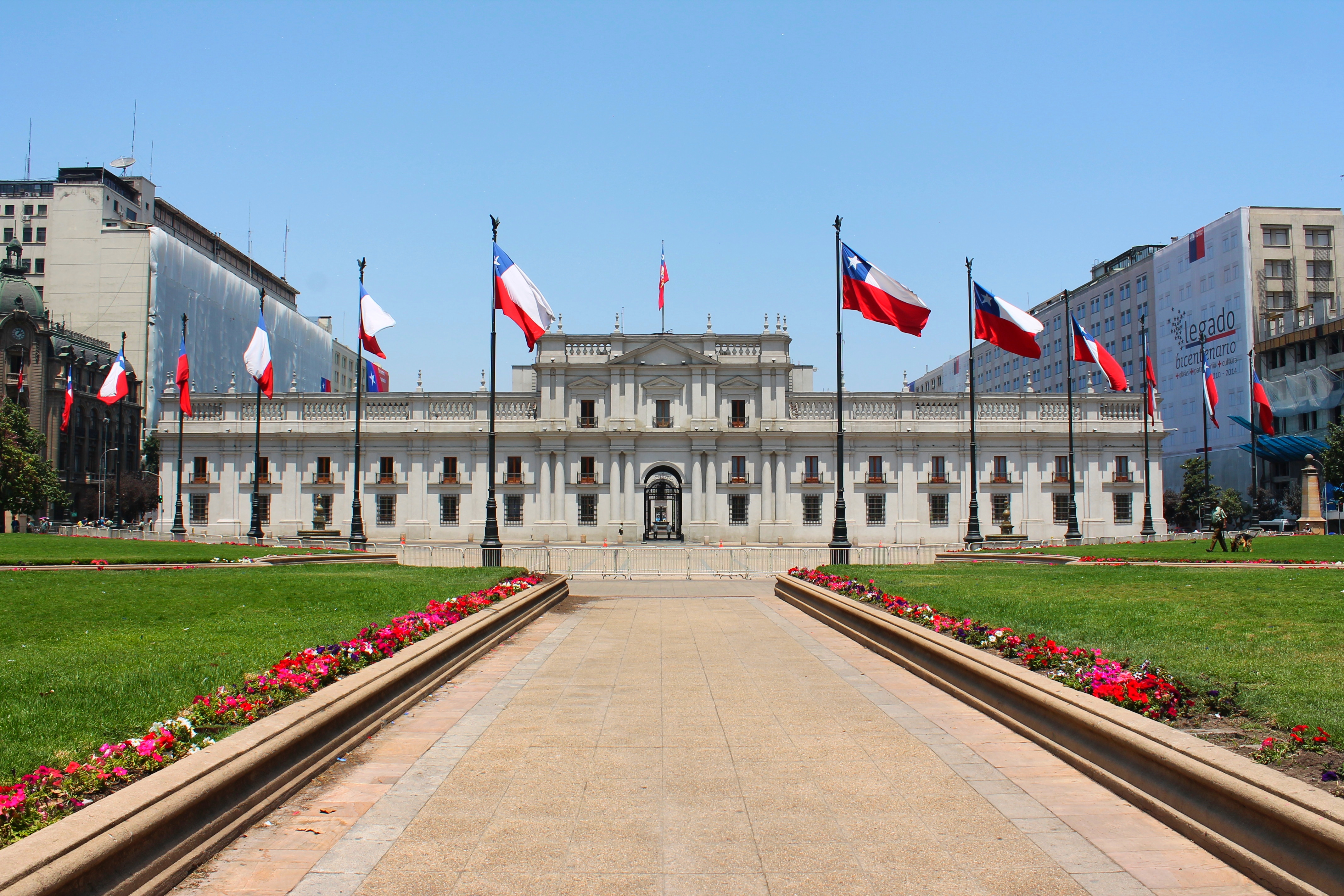
Santiago, Chile Hero Image
Wikipedia Contributor, CC BY-SA

Santiago, Chile

🏛️ Capital City🌊 Coastal

Data updated Oct 8, 2026

Follows Chile Residency Rules. Check Digital Nomad & Retiree Pathways →

📊 Scores

86
FIRE
78
Retiree
87
Digital Nomad

Best fit: Digital Nomad (score: 85)

Santiago sits in an arid climate at 520 m above sea level, a city of 6.3 million people in the America/Santiago timezone. Expats tend to settle in Providencia, Las Condes, Vitacura, and Barrio Italia, neighborhoods that balance residential calm with access to daily needs. The city's character shifts from the historic center to the foothills, but the expat map is fairly consistent, with these four areas hosting a large and active international community.

Rent for a 1-bedroom apartment in the city centre runs $553/mo, while outside the centre it drops to $377/mo. A 3-bedroom in the centre is $996/mo, and outside the centre $775/mo. Utilities average $149/mo, internet $19/mo, and a mobile phone plan $12/mo. A monthly public transport pass costs $41/mo, and a gym membership is $34/mo. For food, an inexpensive restaurant meal is $10 per person, a mid-range restaurant meal for two with three courses is $51, and a cappuccino is $3. Excluding rent, a single person spends about $697/mo, and a family of four about $2,492/mo. Budget, mid-range, and comfortable tiers for a single adult, rent included, come to $603/mo, $895/mo, and $1,193/mo respectively. The average monthly net salary locally is $794/mo, and the cost of living index is 40/100 against New York City at 100.

Safety is a strong point, with a safety index of 77/100 and a crime index of 23/100, where lower is safer. Healthcare quality is rated excellent, which matters for long stays and for retirees. Air quality, however, sits at an index of 95, where lower is better, so those sensitive to pollution should consider neighborhood placement and seasonal patterns. Average internet speed is 98 Mbps, supporting remote work without friction.

For legal stays, the Residencia Temporal - Jubilados y Rentistas retirement visa requires a minimum monthly income of $1,000/mo, and the Chile Digital Nomad Visa carries the same $1,000/mo threshold. The nearest airport is SCL, 9 km away. English is widely spoken, and the overall expat score is 85/100, with a digital nomad score of 87/100, a FIRE score of 86/100, and a retiree score of 78/100. Santiago suits remote workers, early retirees, and budget-conscious singles or families who want a large expat network, excellent healthcare, and a cost structure well below many global capitals.
Estimate the cost of moving to Santiago, Chile

Get a free moving cost estimate for moving to Santiago, Chile. Takes 10 seconds.

How much are you shipping?

When are you moving?

Powered by Sirelo. Free quotes from international movers.

🏚️ Cost of Living

💰 Budgets and Costs

$946/mo, one person, rent included
Selected: mid-range lifestyle

Santiago on a mid-range budget comes to about $946 a month for one adult, with $377 of that going to rent. Beyond rent the estimate covers $158 on groceries, $102 on dining out, $88.00 on entertainment and lifestyle, $180 on utilities and connectivity and $41.00 on transport.

Rent

$377/mo

1BR outside the centre

Groceries

$158/mo

Staples basket scaled to a full month

Dining out

$102/mo

10 inexpensive meals

Entertainment & lifestyle

$88.00/mo

gym, 2 cinema trips, 12 cappuccinos

Utilities & connectivity

$180/mo

utilities, mobile, internet

Transport

$41.00/mo

Monthly pass

Budgets (excl. rent)

Single person$569/mo

Excludes rent. The total above is all-in, rent included.

Estimates for one adult, built from this city's average prices and the usage shown for each tier. Your spending will differ with how often you eat out and where you live.

A 1BR in the center runs about $552.81/mo. If your income is in another currency, bank FX fees add up. A multi-currency account can cut that cost.

See low-fee transfers

We may earn a commission at no cost to you.

See how Santiago's cost of living compares with Medellín

Be the first to report costs in Santiago

Share

🛡️ Safety & Crime

77
Safety Index

(Higher is safer)

23
Crime Index

(Lower is safer)

Santiago ranks among South America's safer capitals with a 77/100 safety index, making it genuinely livable for expats. Main concerns are petty theft (pickpocketing, bag snatching) in crowded areas and occasional car break-ins rather than violent crime. Avoid Estación Central, La Florida's outer zones, and poorly-lit areas at night. Middle-class neighborhoods like Providencia, Las Condes, and Ñuñoa are considerably safer. Political protests occasionally disrupt downtown but rarely target expats. Overall verdict: Santiago is a reasonable choice for remote workers and retirees seeking a developed, stable city with manageable crime—exercise normal urban caution and you'll find it quite comfortable.

🏥 Healthcare

Excellent
Public Hospitals
Yes
Private Clinics
Yes
English-Speaking Doctors
Available

See how Santiago's healthcare compares with Medellín

🌤️ Climate

Climate Zones
Arid
Summer Temp
30°C
Winter Temp
3°C
Humidity
62%
Air Quality Index
95
Annual Rainfall
505 mm

Best Months

AprMayOctNov

Climate Notes

Mediterranean climate with dry summers and winters that see most of the annual rain.

💻 Digital Nomad

Avg Internet Speed
98 Mbps
Internet (monthly)
$19/mo
Coworking Availability
Moderate
Coworking Spaces Nearby
8
Digital Nomad Score
87/100

Community Notes

Santiago provides a cosmopolitan experience with excellent infrastructure for nomads.

Coworking Spaces

NameNotes
Conectas CoworkingLocated at Santa Beatriz 91, Providencia, Santiago.
Edge CoworkLocated at 67 Calle Constitucion, Providencia.
Hub MustakisLocated at Puma 1180, Recoleta.
Launch CoworkingLocated at Avenida General Holley 133, Providencia.
Santiago Maker SpaceLocated at 810 Avenida Italia, Providencia.
Start-Up Chile Co-Work SpaceLocated at Monjitas N°565, Piso N°5, Santiago Centro.
Taller 1 CoworkLocated at General Salvo 20, Providencia.
WeWorkLocated at Agustinas 833, Santiago Centro, Región Metropolitana.

Names, locations and hours can change. Check each space's website before you visit. Places from © OpenStreetMap contributors and Foursquare Open Source Places (Apache 2.0).

Planning to live in Santiago long-term? Chile Digital Nomad Visa lets remote workers live legally.

View full requirements →

Working remotely from Santiago? Nomad health insurance covers you across borders, month to month.

See nomad insurance

We may earn a commission at no cost to you.

See how Santiago's digital nomad life compares with Medellín

🧳 Expat Life

English Proficiency
Widely Spoken
Expat Community
Large & Active
Top Neighborhoods
Providencia, Las Condes, Vitacura, Barrio Italia
Banks Nearby
402
ATMs Nearby
164

Expat Life Notes

A modern, stable South American capital surrounded by the Andes. It is highly organized with excellent infrastructure.

Pros

  • ✓ Strong economy and stability
  • ✓ Proximity to mountains and coast
  • ✓ Modern public transport

Cons

  • ✗ Significant air pollution (smog) in winter
  • ✗ High cost of living for the region
  • ✗ Social integration can take time

🏘️ Neighborhoods in Santiago

Areas of Santiago that expats often consider.

Conditions can change from one block to the next, and these descriptions are general guides, not safety assessments. Before choosing where to stay or live, check current travel advisories, talk to people who live there, and visit in person if you can.

Providencia

Lively, central, expat-friendly hub

Providencia is a popular choice for expats due to its central location, abundance of restaurants, shops, and parks, and excellent public transportation. It's generally safe and walkable, but can be noisy, especially along Avenida Providencia. Many English speakers reside here, making it easy to settle in.

Bellavista

Bohemian, artsy, nightlife central

Bellavista is known for its colorful buildings, street art, and vibrant nightlife. It's home to many artists, students, and tourists. While it's a fun and lively area, it can be noisy at night and experience petty crime. Good public transit access.

Ñuñoa

Residential, quiet, family-friendly vibe

Ñuñoa is a more residential neighborhood with a relaxed atmosphere, popular with families and older residents. It offers a mix of houses and apartments, parks, and local shops. While less touristy, it provides a more authentic Chilean experience. Spanish language skills are more necessary here.

Santiago Centro

Historic, bustling, budget-friendly option

Santiago Centro is the historical heart of the city, home to many landmarks, museums, and government buildings. It's a bustling area with a mix of residential and commercial properties. While it offers more affordable rent, it can be crowded, noisy, and experience higher crime rates than other neighborhoods. Excellent public transit.

Page 1 of 2

Could living/working in Santiago cut years off your work life?

With a 1-bedroom in the center at $553/mo, your FIRE number here might be much lower than you think.

Calculate My FIRE Date →

🛂 Visa Options for Chile

Many long-stay visas require proof of health insurance. Compare international health plans before you apply.

Compare health insurance

We may earn a commission at no cost to you.

🛂

Not sure which Chile visa you qualify for?

Answer 11 questions and get a personalized match in under 2 minutes.

Find My Visa →

More Cities to Consider instead of Santiago

FAQ

Frequently Asked Questions about Santiago

Click any question to expand the answer.

Santiago has a population of approximately 6,269,384 people.
A single person can expect to spend around $1,382 per month in Santiago, including rent. A 1-bedroom apartment in the city center costs approximately $553/month.
The nearest airport to Santiago is SCL, approximately 9.1km away.
Santiago is considered relatively safe, with a safety index of 77.0. As with any city abroad, expats should research specific neighborhoods before committing to a location.
Santiago has an average internet speed of 98 Mbps. It is considered a well-established digital nomad destination.
Santiago scores a 77 on the safety index, which is relatively high for a Latin American capital. Communes like Providencia, Las Condes, and Ñuñoa are considered safe for daily life. Petty theft and pickpocketing exist, especially downtown and on public transit, but violent crime against expats is uncommon. Avoid the city center at night and stay alert in crowded areas — standard urban precautions apply.
Chile offers a Temporary Residency visa that can be applied for from within the country, which is convenient. The process is bureaucratically slow — expect 6 to 12 months for approval, sometimes longer. You'll need proof of income or employment, a clean criminal record, and patience with paperwork. After two years of temporary residency, you can apply for permanent residency. A digital nomad visa was introduced in 2023, making entry easier for remote workers.
Santiago is one of the most expensive cities in Latin America. A one-bedroom apartment in the city center averages around $700/month, dropping to $450–550 in residential outer communes. Groceries, dining out, and private healthcare cost noticeably more than in cities like Medellín, Mexico City, or Lima. A comfortable single-person budget runs $1,800–2,500/month depending on lifestyle. The tradeoff is infrastructure, safety, and stability that most regional competitors can't match.
Rent varies greatly by neighborhood. Expect to pay $600-$1000 USD for a one-bedroom apartment in a desirable area like Providencia or Las Condes. You can find cheaper options in neighborhoods further from the center, like Ñuñoa, for around $400-$700 USD.
Santiago boasts excellent internet infrastructure. You can easily find high-speed fiber optic connections, often exceeding 100 Mbps, making it ideal for video conferencing and other remote work needs. Coworking spaces are also readily available with reliable internet.
While it's possible to get by with English, especially in tourist areas and expat circles, learning Spanish will significantly improve your quality of life. Many locals, particularly younger generations, have some English proficiency, but relying solely on it will limit your interactions and integration.
Generally, neighborhoods like Las Condes, Providencia, and Vitacura are considered safe with lower crime rates. However, petty theft can occur even in these areas, so it's always wise to be aware of your surroundings. Avoid walking alone late at night in less well-lit areas.
Chile has a two-tiered healthcare system: public (FONASA) and private (ISAPRE). Expats can access both, but private insurance (ISAPRE) offers shorter wait times and access to a wider range of doctors, including English-speaking ones. Many expats find private insurance a worthwhile investment.
As a US citizen, you're still required to file US taxes even while living abroad. The Foreign Earned Income Exclusion (FEIE) can help you exclude a certain amount of your income from US taxes. Also, be aware of FBAR and FATCA reporting requirements for foreign bank accounts.
Opening a bank account can be challenging and requires a Chilean RUT number (tax ID). You'll typically need to provide proof of residency, income, and a valid visa. Some banks are more expat-friendly than others, so research your options carefully.
Santiago has a Mediterranean climate with warm, dry summers (December-February) and mild, wet winters (June-August). Expect sunny days for much of the year, but be prepared for occasional smog, especially during the winter months. Temperatures are generally moderate.
Santiago has a sizable and active expat community. You can find various groups and organizations catering to different nationalities and interests. Joining these groups is a great way to meet people, get advice, and combat culture shock.
Chileans are generally polite and formal, so using titles like 'Señor' or 'Señora' is appreciated. Punctuality is not always strictly observed, and social gatherings often start later than scheduled. Be prepared for a more relaxed pace of life compared to the US.
Santiago can be viable for early retirement on $2500 USD per month, but it requires careful budgeting. You'll likely need to live in a less expensive neighborhood, cook most of your meals, and limit discretionary spending. Healthcare costs should also be factored in.
Santiago has an excellent public transportation system, including a modern metro, extensive bus network (Transantiago), and ride-sharing services like Uber and Didi. The metro is the fastest and most convenient way to travel, especially during peak hours. Consider getting a Bip! card for easy payment.
Chile recently introduced a digital nomad visa, allowing remote workers to stay for up to a year, with a possible extension. Requirements include proof of income (typically around $2,000 USD per month), health insurance, and a clean criminal record. Check the official Chilean government website for the most up-to-date information.

Share This Guide