Downtown (Centrum)
Historic, bustling, commercial heart
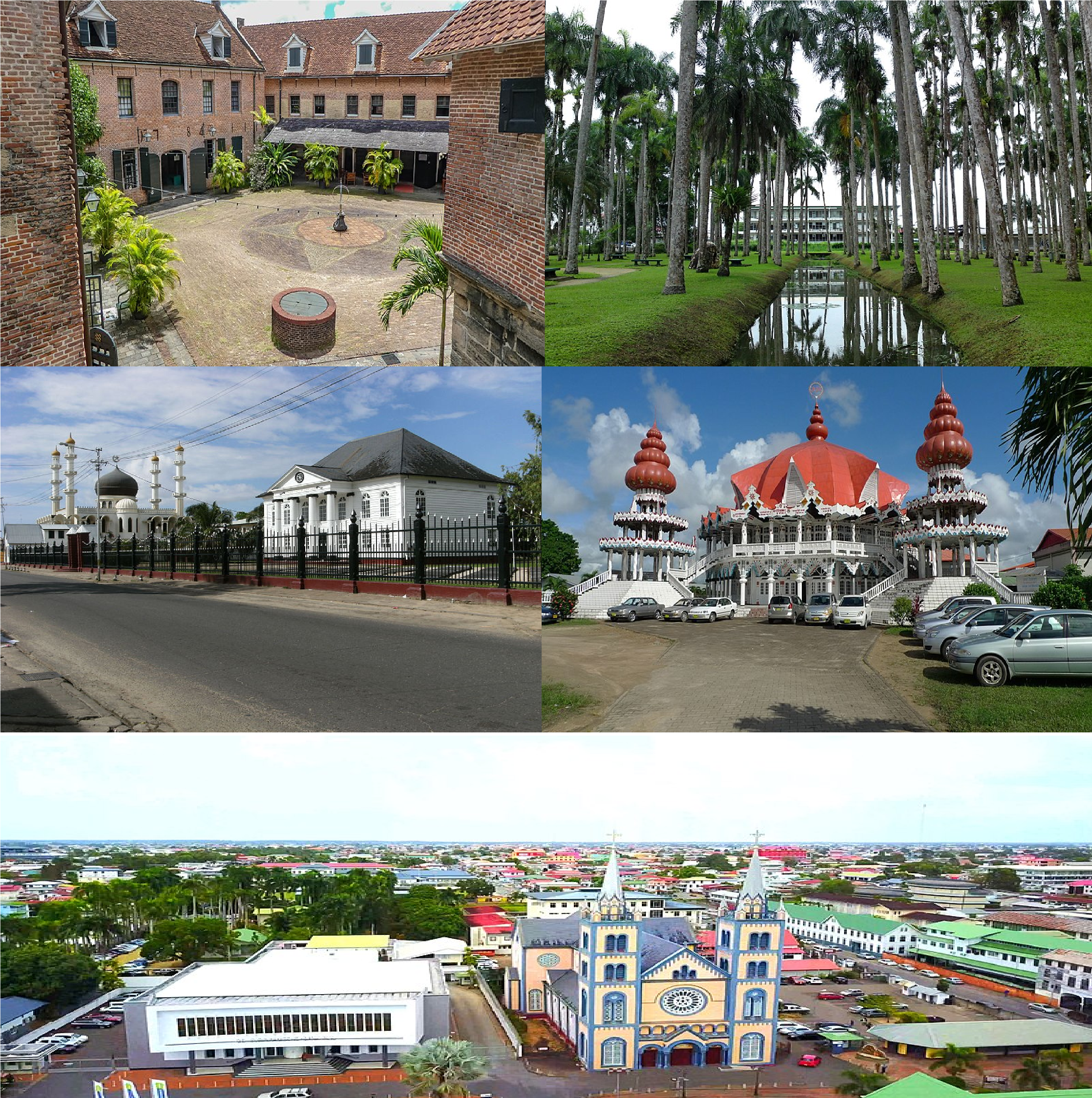
The city's core, featuring colonial architecture, shops, and restaurants. Many government buildings are located here. Walkable, but can be noisy and crowded; some areas feel touristy.
Data updated Oct 8, 2026
Best fit: FIRE / Geoarbitrage (score: 86)
Gold mining, bauxite, and oil extraction dominate Suriname's economy, but Paramaribo's job market for expats is thin. Government services, retail, tourism, and port operations employ most locals. Remote work is the realistic path for most foreigners—the private sector rarely hires expats for skilled roles, and salaries for local positions won't cover Western living costs. You're not moving here for employment; you're moving here despite limited work options.
Rent runs $217/month for a 1BR city center apartment, genuinely cheap by expat standards, but import dependency inflates groceries and goods 30–50% above regional averages. Dutch is the official language; English works in tourism and business but not daily life. Healthcare is basic—serious issues require travel to Trinidad or Guyana. Bureaucracy is slow; residency permits require patience and multiple office visits. Public transport is informal minibuses; a car simplifies life but adds cost.
Expect 30°C heat and humidity year-round with rain every month—no escape season. Food is Creole-heavy: cassava, plantains, seafood. The expat community is small and scattered; you won't find organized meetups. Weekends mean exploring UNESCO colonial architecture, the zoo, or river trips. This city suits remote workers seeking ultra-low rent, cultural immersion, and tolerance for tropical monotony and bureaucratic friction.
Get a free moving cost estimate for moving to Paramaribo, Suriname. Takes 10 seconds.
How much are you shipping?
When are you moving?
Powered by Sirelo. Free quotes from international movers.
Paramaribo on a budget budget comes to about $640 a month for one adult, with $266 of that going to rent. Beyond rent the estimate covers $110 on groceries, $53.00 on dining out, $28.00 on entertainment and lifestyle, $93.00 on utilities and connectivity and $90.00 on transport.
Rent
$266/mo
1BR outside the centre
Groceries
$110/mo
75% of mid-range grocery spend
Dining out
$53.00/mo
4 inexpensive meals
Entertainment & lifestyle
$28.00/mo
1 cinema trip, 8 cappuccinos
Utilities & connectivity
$93.00/mo
utilities, mobile, internet
Transport
$90.00/mo
Monthly pass
Budgets (excl. rent)
Excludes rent. The total above is all-in, rent included.
Paramaribo on a mid-range budget comes to about $785 a month for one adult, with $266 of that going to rent. Beyond rent the estimate covers $146 on groceries, $132 on dining out, $58.00 on entertainment and lifestyle, $93.00 on utilities and connectivity and $90.00 on transport.
Rent
$266/mo
1BR outside the centre
Groceries
$146/mo
Staples basket scaled to a full month
Dining out
$132/mo
10 inexpensive meals
Entertainment & lifestyle
$58.00/mo
gym, 2 cinema trips, 12 cappuccinos
Utilities & connectivity
$93.00/mo
utilities, mobile, internet
Transport
$90.00/mo
Monthly pass
Budgets (excl. rent)
Excludes rent. The total above is all-in, rent included.
Paramaribo on a comfortable budget comes to about $1,201 a month for one adult, with $485 of that going to rent. Beyond rent the estimate covers $205 on groceries, $238 on dining out, $90.00 on entertainment and lifestyle, $93.00 on utilities and connectivity and $90.00 on transport.
Rent
$485/mo
1BR in the centre
Groceries
$205/mo
140% of mid-range grocery spend
Dining out
$238/mo
6 inexpensive meals + 6 mid-range meals
Entertainment & lifestyle
$90.00/mo
gym, 4 cinema trips, 20 cappuccinos
Utilities & connectivity
$93.00/mo
utilities, mobile, internet
Transport
$90.00/mo
Monthly pass
Budgets (excl. rent)
Excludes rent. The total above is all-in, rent included.
Estimates for one adult, built from this city's average prices and the usage shown for each tier. Your spending will differ with how often you eat out and where you live.
A 1BR in the center runs about $484.98/mo. If your income is in another currency, bank FX fees add up. A multi-currency account can cut that cost.
See low-fee transfersWe may earn a commission at no cost to you.
See how Paramaribo's cost of living compares with Lelydorp
(Higher is safer)
(Lower is safer)
Paramaribo feels moderately safe for expats during daylight hours, particularly in central and residential areas. The city center is walkable and relatively well-populated during the day. However, nighttime safety is more variable—solo walking after dark is not recommended, especially for women or in unfamiliar neighborhoods. The overall vibe is cautious rather than dangerous; locals navigate the city routinely, but expats should adopt standard urban precautions.
Petty theft and pickpocketing are the primary concerns, particularly in crowded markets, public transport, and tourist areas. Armed robbery and home burglaries do occur but are not epidemic. Avoid displaying expensive jewelry, cameras, or large amounts of cash. The Stabroek Market area requires extra vigilance. Solo female travelers should be particularly cautious at night and in isolated areas. Scams targeting foreigners are uncommon but possible; use registered taxis or ride-sharing apps rather than hailing cabs on the street.
Suriname has a stable government and low political risk compared to regional neighbors. Police presence is visible but corruption exists within the system—don't expect rapid or thorough responses to minor crimes. Drug trafficking activity in the region is a background concern but rarely affects expat residential areas directly. For Americans considering relocation, Paramaribo is reasonably safe for established expats who exercise common sense, maintain low profiles, and avoid high-risk areas after dark. It's safer than many Caribbean cities but requires more caution than typical North American suburbs.
Paramaribo has a safety index of 60/100. Petty theft and lost belongings are the most common problems for newcomers. Compare travel insurance before you go.
Compare travel insuranceWe may earn a commission at no cost to you.
See how Paramaribo's healthcare compares with Lelydorp
Paramaribo has a tropical climate with consistently warm temperatures year-round, high humidity, and two rainy seasons (May-July and November-January) that can be intense.
Paramaribo is a multicultural hub with diverse experiences for digital nomads.
| Name | Notes |
|---|---|
| De Loft | A popular spot in Paramaribo, De Loft offers a relaxed and creative atmosphere. It's known for its strong community and is located centrally, making it easily accessible for expats. |
| Readytex Art Factory (RAF) | While primarily an art gallery and event space, RAF offers coworking options. It provides a unique, inspiring environment in the heart of Paramaribo, perfect for those seeking a creative vibe. |
Names, locations and hours can change. Check each space's website before you visit. Places from © OpenStreetMap contributors and Foursquare Open Source Places (Apache 2.0).
Working remotely from Paramaribo? Nomad health insurance covers you across borders, month to month.
See nomad insuranceWe may earn a commission at no cost to you.
See how Paramaribo's digital nomad life compares with Lelydorp
Safe and multicultural capital. Dutch-centric but English is common.
Areas of Paramaribo that expats often consider.
Conditions can change from one block to the next, and these descriptions are general guides, not safety assessments. Before choosing where to stay or live, check current travel advisories, talk to people who live there, and visit in person if you can.
Historic, bustling, commercial heart
The city's core, featuring colonial architecture, shops, and restaurants. Many government buildings are located here. Walkable, but can be noisy and crowded; some areas feel touristy.
Residential, green, airport adjacent
Located near the smaller Zorg en Hoop Airport, this area is primarily residential with a mix of houses and apartments. It's quieter than downtown, but still offers convenient access to amenities. The airport noise can be a drawback for some.
Developing, residential, mixed income
A more local and less touristy area north of the city center. It's a mix of residential and commercial properties, with a growing number of shops and restaurants. Transportation is essential as walkability is limited.
Local, residential, budget-friendly
A more affordable residential area further from the city center. It's primarily inhabited by locals and offers a glimpse into everyday Surinamese life. Public transportation is available, but a car is recommended for convenience.
With a 1-bedroom in the center at $485/mo, your FIRE number here might be much lower than you think.
Click any question to expand the answer.
Cost-of-living and visa updates for Paramaribo and the rest of Suriname. Free with RA Postcards.
By submitting your email address, you will receive a free subscription to RA Postcards and special offers from Rewire Abroad and our affiliates. You can unsubscribe at any time, and we encourage you to read more about our Privacy Policy.