Min Monthly Income
$1,500
Application Fee
$168
Processing Time
2-4 wks
Difficulty
Moderate
Duration
12 months
Overview
A remote employee or freelancer clears the core test with either $1,500 a month in foreign income or $18,000 in savings. Brazil does not count local income for this route: local work is not permitted, and the income has to come from remote work for a foreign employer or foreign clients. If your money stack is $3,800 a month from a mix of ETF dividends and rental income, that does not match the stated income source profile here; the qualifying path is foreign-source remote work, not passive income streams.
Residence runs on a 12-month grant and it is renewable, but the program does not specify a minimum physical-presence rule or a maximum consecutive absence. That matters for people splitting time between Brazil and another base: the residence card is not the same thing as a residency-for-tax-count rule, and the immigration side of this visa does not publish an absence threshold in the published rules. Processing takes at least about 0.7 weeks (roughly 5 days) as of 2026, with no published maximum.
This can lead to permanent residency, though not directly to citizenship, under the published requirements. The path is a renewable 12-month stay that can lead to permanent residency. That makes the exit ramp clear: if you want a multi-year legal stay, you can renew toward permanent residency, though not directly to naturalization.
The friction is document-heavy even though the headline bureaucracy score is 1.675 / 5. Health insurance is required, a local bank account is not, and the program requires an apostille but not an FBI background check, medical exam, or interview. The practical snag is proving the $1,500 monthly foreign income or the $18,000 balance cleanly enough for a review that takes at least about 0.7 weeks (roughly 5 days) as of 2026, while keeping the work relationship outside Brazil.
This makes most sense if you earn exactly $1,500+ per month from a foreign employer or client base and want a 12-month renewable stay without local work rights. It is a poor fit if your income is mostly pensions, Social Security, or investment withdrawals, because those sources are not recognized in the program rules as qualifying income.
Eligibility Requirements
Any nationality can apply in principle under this program. The practical friction point is not the passport list but consular and banking processing: applicants from Russia, Cuba, Iran, North Korea, and Syria can run into extra screening, document acceptance issues, or payment hurdles even when the visa is legally open to all. Verify eligibility and document rules directly with the Brazilian Ministry of Foreign Affairs / consulate handling your case before building the full file.
Min Income
$1,500
Min Savings
$18,000
Application Fee
$168
Min Age
18 yrs
practical
Duration
12 months
Remote Work / Freelance
1099 Contractor · Self-Employed
Max 0% from local sources
Requirements Checklist
0 of 15 documents in hand
0%These take the longest, so start them first.
Request these while the slow items are in progress.
You only need these on the day you submit.
Extra requirements for this visa
- Apostille required on official documents
How and where to apply
You can apply through the Brazilian consulate or embassy in your home country by submitting your application via the SCI/MRE online portal (formulario-mre.serpro.gov.br) and then uploading documents to the e-consular system if available at your consulate. Alternatively, if your consulate does not have an electronic system, you must contact them directly to confirm their submission method (email, postal service, or in-person delivery). If you are already in Brazil on a tourist visa, you can apply in-country through the MigranteWeb portal (migrante.mj.gov.br); however, you must submit your application before your tourist visa expires to avoid overstay penalties.
Tax Information
Local Tax Picture
Brazil uses a resident tax regime, not a territorial one. Once you become a tax resident, Brazil taxes worldwide income, which pulls in remote salary, freelance fees, foreign brokerage dividends, pension distributions, and rental income from property abroad. There is no separate preferential regime for digital nomads, and no specific tax status deadline applies. Foreign capital gains on ETFs or index funds are not carved out here; under the stated resident regime, they sit inside the worldwide scope unless another Brazilian rule applies.
Tax residency is day-count driven in practice. Brazil uses the 183-day rule as the trigger for tax residency, and the shift is automatic once that threshold is met physically in Brazil. CPF registration does not by itself make someone a tax resident, but it is commonly used for administrative and financial processes.
Brazil has no income tax treaty with the US, so no treaty-based relief applies. the practical reading is simple: the immigration route is separate from the tax regime, and the residency card does not shield foreign income from Brazilian resident taxation.
For US Citizens and Green Card Holders
- FEIE, Form 2555, can shelter earned income only: remote employment, consulting, and self-employment income up to the 2026 limit of $132,900. It does not cover dividends, capital gains, pension distributions, or Social Security.
- FTC, Form 1116, matters only if Brazil actually taxes the income stream and the foreign tax is creditable. If the local effective rate is zero on a stream, the FTC gives no help on that stream.
- FBAR, FinCEN 114, applies if foreign financial accounts exceed $10,000 at any point in the year. A local bank account is not required for this visa, but many residents still open one for payments and daily life, which can trigger reporting.
Brazil’s resident regime makes the FEIE/FTC split especially important for Americans. If you are living on wages from a foreign employer, FEIE can matter. If you are living on dividends, rents, or capital gains, FEIE does nothing, and the US return still follows the normal rules for those income types.
The right setup is a US CPA who works on expat FEIE, FTC, and FBAR compliance, plus a Brazilian tax advisor who understands resident registration and first-year filing. Spending $1,500–$3,000 in year one on that pairing can prevent missed filings and bad elections.
Living in Brazil
COL Index vs NYC
25.6
Monthly Cost (excl. rent)
$552
1BR Rent (City Center)
$381
Safety Index
35.5
Healthcare Index
59.1
Quality of Life Index
117.9
Time Zone
UTC-05:00
Capital
Brasília
Population
212.6M
Official Languages
Portuguese
Avg Internet Speed
80 Mbps
Public Transit Quality
Fair
With a budget covering rent and living costs, you'd need roughly $933/mo for a comfortable single-person lifestyle in Brazil.See how far your money goes →
🏙️ Best Cities in Brazil for Digital Nomads
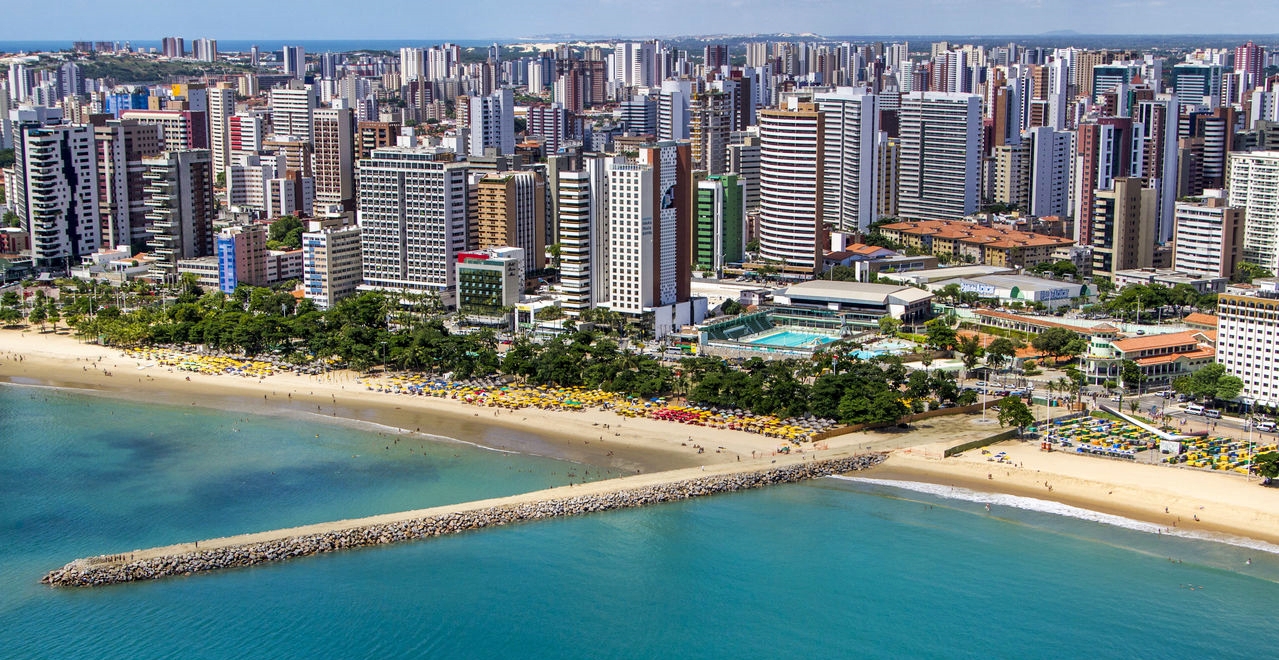 ✦ 75
✦ 75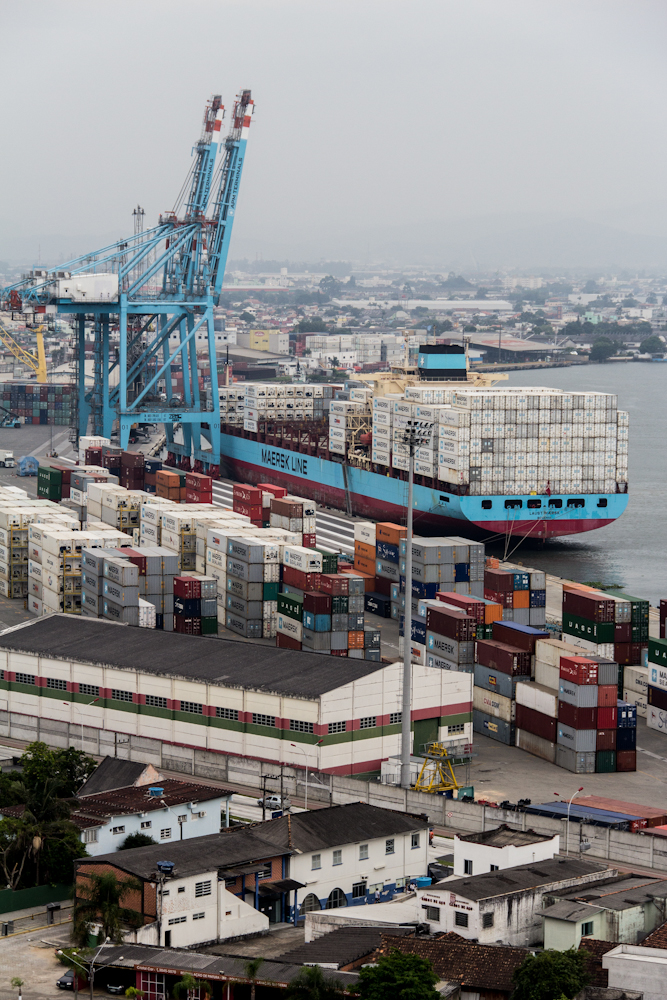 ✦ 75
✦ 75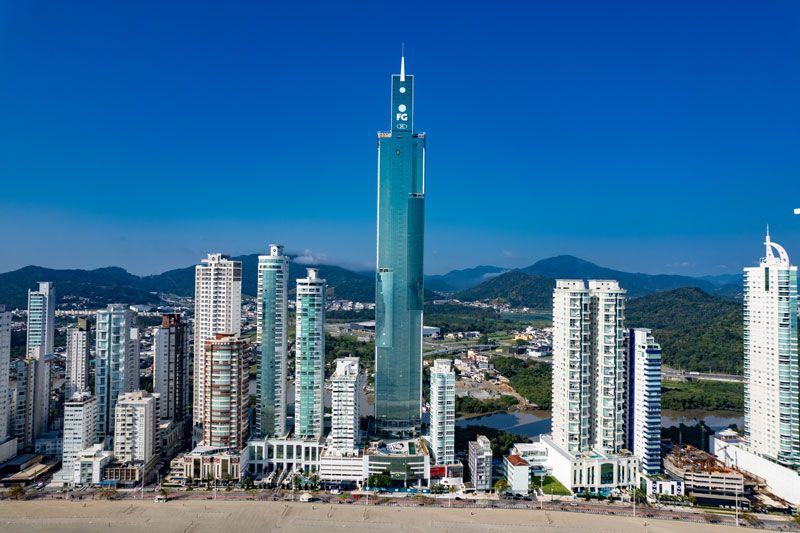 ✦ 76
✦ 76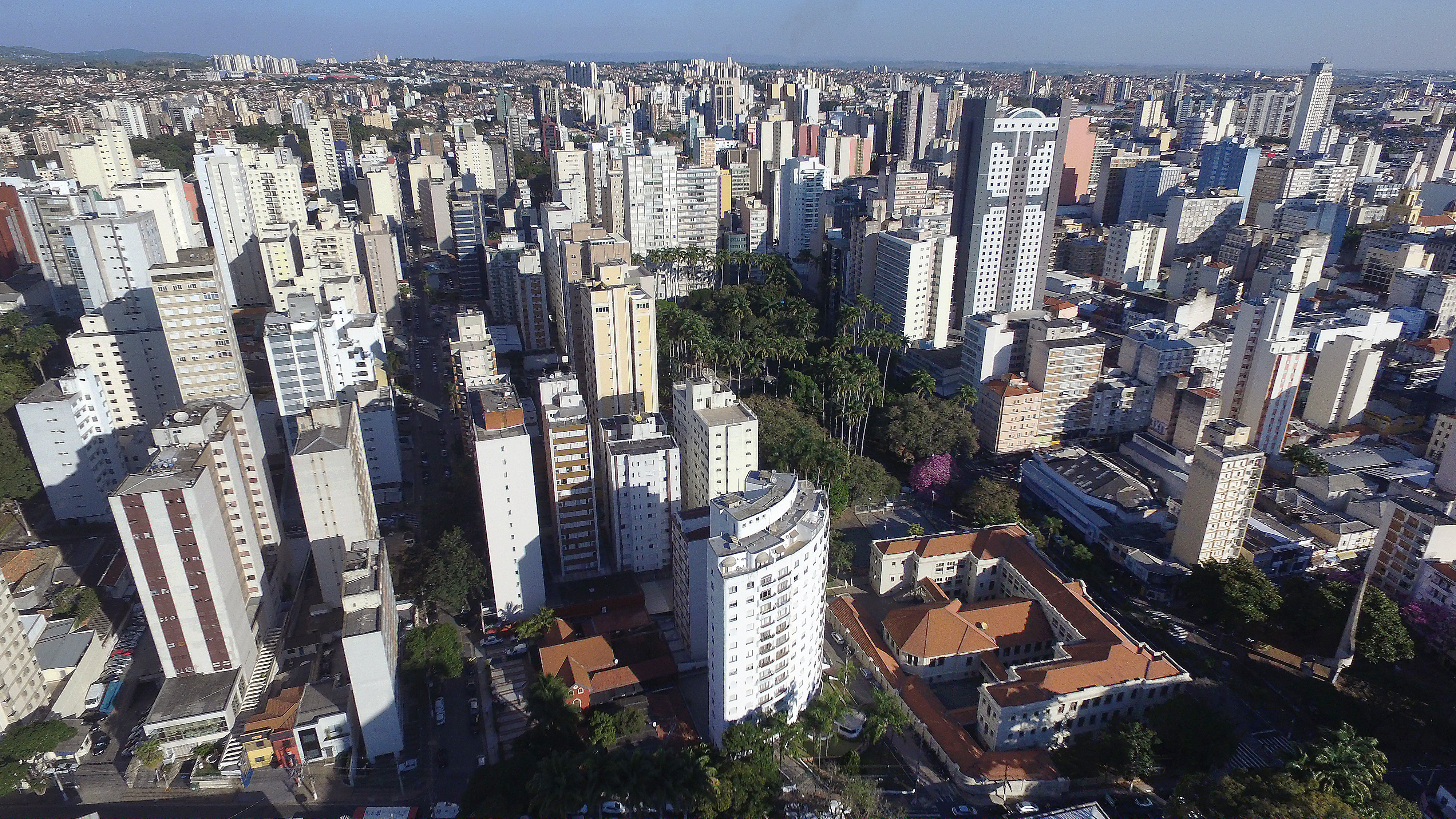 ✦ 82
✦ 82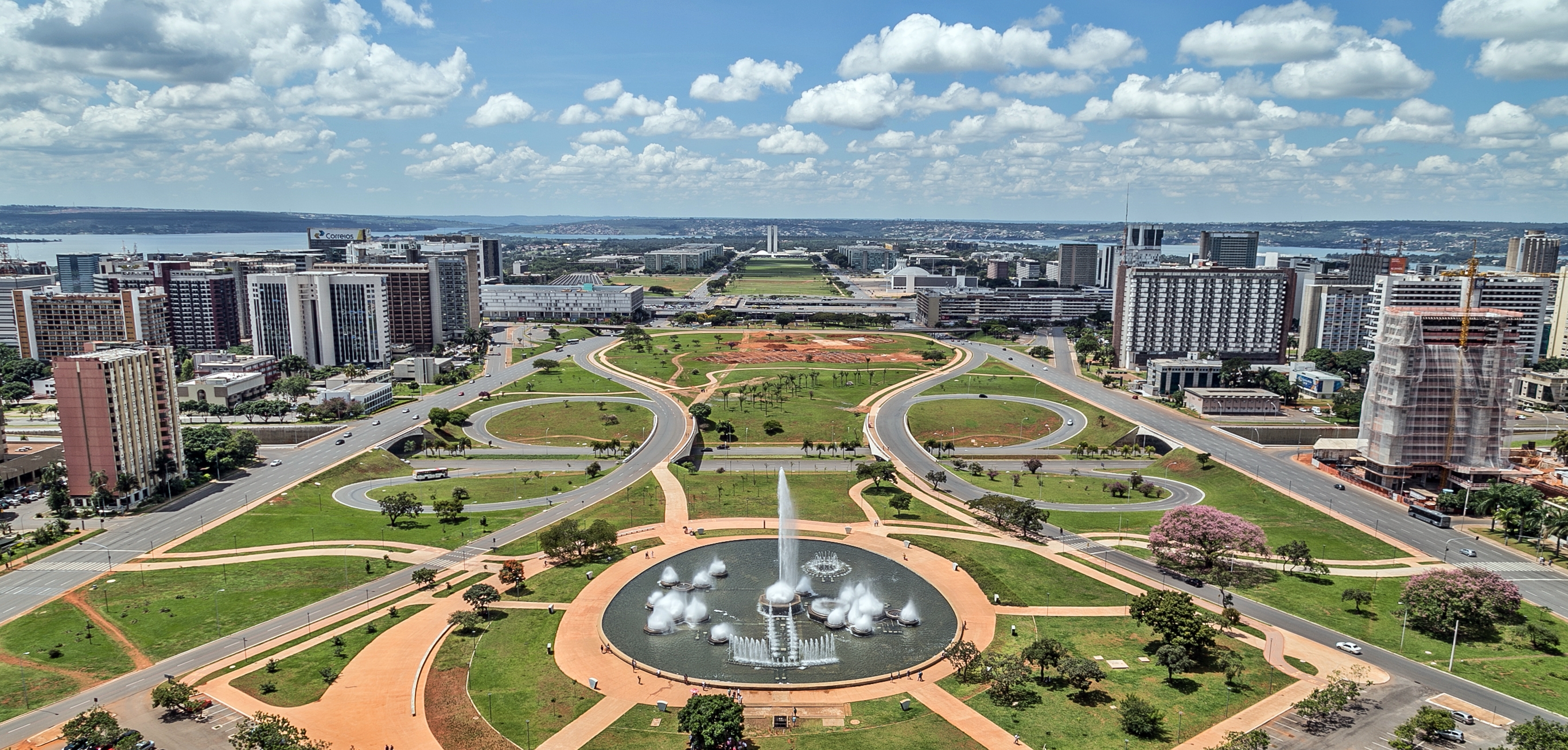 ✦ 82
✦ 82Health insurance, address proof, and the housing question nobody asks correctly
There's no line item asking you to prove you've secured housing in Brazil, and that surprises people who've read about other countries' nomad visas and expect a lease or a booking confirmation to be mandatory. What is mandatory is health insurance valid for your full stay, not a travel policy with a departure date to its terms. Consulates that reject on this point almost always reject because the policy reads like trip insurance: coverage tied to a return flight, exclusions for anything beyond ninety days, language clearly aimed at tourists rather than residents.
The address question shows up sideways instead. The "proof of residence in consular jurisdiction" document is about where you're filing from, your driver's license or utility bill in your home country, not about Brazil at all, and conflating the two is a common error. Where housing actually matters is after you land. Whatever address you use to activate your insurance policy, open utility accounts, or get your paperwork moving needs to be real and reachable, because if a renewal or follow-up notice can't find you, you're the one who finds out too late.
The judgment call, then, isn't whether to sign a lease before you land, most people don't and shouldn't. It's whether you've thought past the visa stamp to the first thirty days on the ground: a short-term rental or corporate housing arrangement that gives you a stable address long enough to get insurance, banking, and registration moving, rather than couch-surfing between Airbnbs while your paperwork trail goes cold. People who show up with no fixed point for the first month tend to be the ones scrambling three weeks in, not because anything was denied, but because nothing was ready to receive.
What happens the day you land, and the day after that
Getting the visa stamped in your passport is not the same as being a documented resident of Brazil, and the gap between those two things is where a lot of the post-arrival friction lives. The visa itself is issued for an initial twelve months and is renewable, which sounds like a settled arrangement from the outside, but that first year is really a probationary window where your paperwork gets tested against reality: is the income still arriving the way it did on paper, is the insurance still active, does the address you gave still hold up.
If you're converting from a tourist stay rather than applying from abroad, the sequencing gets tighter. You have to file before your tourist visa expires, not close to it, because Brazil doesn't extend a courtesy window for a nomad visa application that arrives after your tourist status has already lapsed. People who wait until the last plausible week to file, gambling on a fast turnaround, are the ones most exposed to an overstay problem entirely of their own making. There's no interview standing between you and approval either way, which removes one kind of stress but also means there's no moment where an officer can clarify a soft spot in your file before deciding. The paperwork has to be right the first time, because there's no conversation to fall back on.
None of this requires a medical exam, and you're not required to open a Brazilian bank account to get through the initial filing, which simplifies the early logistics. But simplification at the front end doesn't mean the back end is casual. The habits you build in the first few months, keeping income records current, renewing insurance before it lapses, holding a real address, are the ones that determine how smooth your first renewal goes.
The renewal chain and what leads to permanent residency actually requires
The visa is described as leading to permanent residency, and that's true, but it undersells how much of the work happens between now and then. This isn't a visa you get once and then forget about until a PR interview shows up on a calendar. It's a renewable twelve-month permit, and the path to permanent residency runs through an unbroken chain of those renewals, each one asking you to demonstrate, again, that the income is real, the insurance is current, and the arrangement that qualified you the first time still holds.
The mistake people make is treating the initial approval as the hard part and the renewals as administrative formality. In practice the renewals are where continuity gets tested. Income that fluctuates month to month, a client relationship that ended and got replaced with a new one, a gap in insurance coverage between policies, any of these can turn what should be a routine renewal into a fresh round of document requests. Since local work isn't permitted on this visa, your entire qualifying story has to keep coming from outside Brazil for as long as you're on it, which means the freelancers and remote employees whose income sources shift year to year need to be more deliberate about keeping a paper trail current, not just accurate at the moment of filing.
Because the permanent residency route depends on that renewal chain staying intact rather than on a fixed calendar date you can plan against, the honest way to think about it is as a multi-year commitment to keeping your documentation habits as clean in year three as they were in month one. People who let the file go stale between renewals, assuming the first approval bought them slack, are usually the ones who end up starting the clock over.
Brazil against Portugal, the actual decision
For a US remote worker weighing this against the more heavily marketed option, Portugal's digital nomad route, the decision isn't really about
Work Permissions
Application Steps
- 1
📄 Gather and authenticate required documents
2–6 weeks
- 2
📄 Prepare proof of remote employment and income
1–2 weeks
- 3
📄 Obtain valid health insurance coverage
1 week
- 4
📬 Complete the visa application form online
1–2 hours
- 5
📬 Submit application to your nearest Brazilian consulate or embassy
Same day to 1 week
- 6
⏳ Wait for visa decision from Department of Justice
2–30 days
- 7
📋 Receive visa approval and travel to Brazil
1–2 weeks
- 8
🏛️ Register with Federal Police upon arrival
1–2 weeks
- 9
🏛️ Register with Brazilian tax authority (if required)
1–2 weeks
This visa requires proof of health insurance. Compare international plans before you apply.
Compare health insuranceWe may earn a commission at no cost to you.
Compare this visa
Curated comparisons that include this route.
Frequently Asked Questions
Click any question to expand the answer.
Ready to Apply?
Work with trusted visa specialists who handle the paperwork so you can focus on your move.
Get help with this visa →* We may earn a commission if you apply through our link
At a Glance
Last verified: October 9, 2026