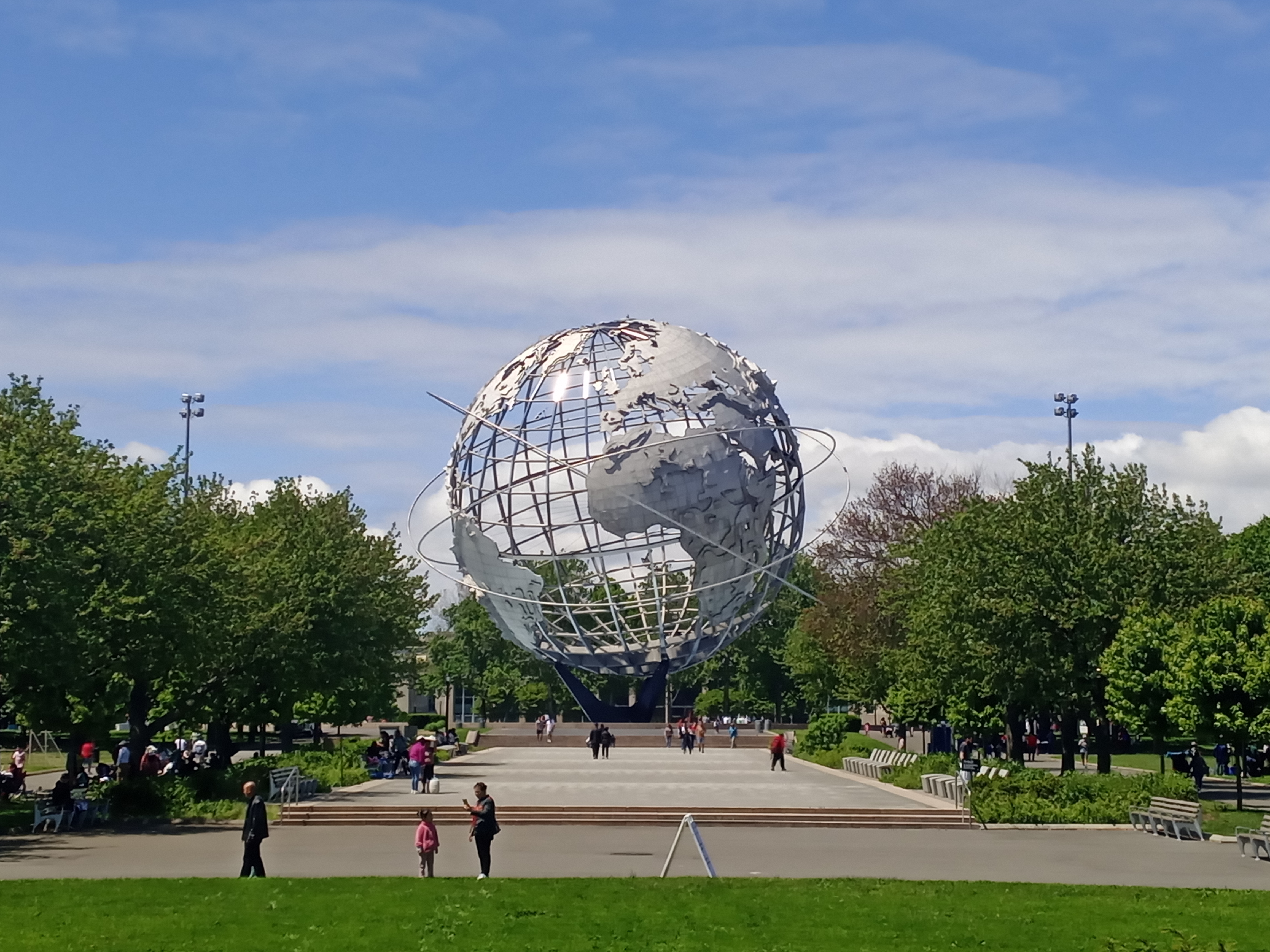
Two of the busiest airports in the country anchor Queens economically — JFK and LaGuardia together employ tens of thousands in aviation, logistics, and hospitality. Beyond aviation, the borough runs on a genuinely mixed economy: film and TV production at Kaufman Astoria and Silvercup Studios, retail corridors, healthcare systems like NYC Health + Hospitals/Elmhurst, and a dense small-business layer driven by immigrant entrepreneurship. Remote workers and freelancers increasingly base here for the Manhattan proximity without Manhattan overhead. Finance doesn't dominate the way it does across the East River, which makes the local economy more resilient but also means fewer high-paying corporate headquarters.
A one-bedroom in a central neighborhood like Astoria or Long Island City runs around $2,600/month — cheaper than Manhattan, but not cheap. Push into Jackson Heights, Flushing, or Jamaica and you can find $1,800–$2,100. The subway network is extensive but unreliable by global standards; budget 45–75 minutes to Midtown depending on your line. Healthcare access is solid through NYC's public hospital system, though wait times at public facilities are long. Language barrier is essentially nonexistent for English speakers, and with 130+ languages spoken locally, non-English speakers often find their own community infrastructure already in place.
Winters are genuinely cold — January averages in the low 30s°F — and summers are humid and sticky through August. The food landscape is the borough's strongest card: authentic Sichuan in Flushing, Nepali in Jackson Heights, Greek in Astoria, and Colombian in Corona, all at prices that feel impossible given the zip code. The expat and immigrant community isn't a subculture here — it's the majority, with 47% of residents foreign-born. Weekends mean food halls, Citi Field in summer, Rockaway Beach, or a 20-minute train to Manhattan. This city suits people who want New York access and energy without paying Manhattan prices, and who genuinely thrive in density and diversity.
Estimate the cost of moving to Queens, NY, United States
Get a free moving cost estimate for moving to Queens, NY, United States. Takes 10 seconds.
How much are you shipping?
When are you moving?
Powered by Sirelo. Free quotes from international movers.
🏚️ Cost of Living
A 1BR in the center runs about $2600/mo. If your income is in another currency, bank FX fees add up. A multi-currency account can cut that cost.
Queens is significantly safer than its reputation suggests. With a Safety Index of 75, it's a relatively secure borough for daily life. Most neighborhoods are walkable during daylight and early evening, though like any urban area, late-night solo walks warrant caution. The diversity and density of Queens create natural surveillance and community presence that deters serious crime in most residential areas.
Petty theft and package theft are the primary concerns—pickpocketing on crowded transit and car break-ins in some neighborhoods occur regularly. Avoid displaying valuables on the subway. Certain pockets like parts of Jamaica and Elmhurst have higher property crime rates; research your specific neighborhood. Solo female travelers should use standard urban precautions: avoid isolated areas after dark, use well-lit transit stations, and trust instincts about uncomfortable situations.
Queens benefits from stable U.S. governance, reliable police response, and no geopolitical instability. As a U.S. citizen relocating domestically, you face no visa or political risk. The NYPD has significant presence throughout Queens. For Americans 30-65 considering relocation, Queens offers genuine safety with urban realism—it's a legitimate choice for remote workers or retirees seeking affordability and diversity without the crime concerns of some other NYC boroughs.
🏥 Healthcare
Excellent
Public Hospitals
Yes
Private Clinics
Yes
English-Speaking Doctors
Widely Available
See how Queens, NY's healthcare compares with Steens, MS
🌤️ Climate
Summer Temp
29°C
Winter Temp
-1°C
Humidity
65%
Air Quality Index
45
Annual Rainfall
1520 mm
Best Months
MayJunSep
Climate Notes
Humid subtropical climate; hot, humid summers and cold winters with coastal influence.
💻 Digital Nomad
Avg Internet Speed
150 Mbps
Coworking Availability
Abundant
Coworking Spaces Nearby
43
Digital Nomad Score
76/100
Community Notes
Queens offers diverse cultural experiences with top-notch facilities for digital nomads.
Located in Long Island City, The Yard offers a stylish and modern workspace with a strong community vibe. It's a great option for digital nomads looking for a professional environment with networking opportunities and easy access to Manhattan.
A convenient option in Forest Hills, Regus provides a reliable and professional workspace with various membership options. It's a good choice for those seeking a straightforward and functional coworking environment in a quieter residential neighborhood.
Located in the heart of Long Island City, this WeWork location offers a vibrant and amenity-rich workspace. It's well-suited for digital nomads who appreciate a lively atmosphere, networking events, and a central location with easy access to transportation.
Located in Astoria, QNS Collective offers a community-focused coworking space with a range of membership options. It's a great option for those looking for a more intimate and collaborative environment with a focus on local businesses and entrepreneurs.
See how Queens, NY's digital nomad life compares with Steens, MS
🧳 Expat Life
English Proficiency
Widely Spoken
Expat Community
Large & Active
Top Neighborhoods
Astoria, Long Island City
Banks Nearby
510
ATMs Nearby
150
Expat Life Notes
One of the most diverse places on earth, offering an incredible food scene and easy access to Manhattan.
Pros
✓ Exceptional diversity and food
✓ Excellent public transit
✓ Native English
Cons
✗ Very high cost of living
✗ Crowded and noisy
✗ Old housing stock
🏘️ Neighborhoods in Queens, NY
Areas of Queens, NY that expats often consider.
Conditions can change from one block to the next, and these descriptions are general guides, not safety assessments. Before choosing where to stay or live, check current travel advisories, talk to people who live there, and visit in person if you can.
Astoria
Diverse, lively, Greek influence
Astoria is known for its vibrant Greek community, diverse restaurants, and proximity to Manhattan. It's very walkable and has excellent subway access. While generally safe, some areas closer to the train lines can be noisy.
Long Island City
Modern, artsy, waterfront views
LIC offers stunning Manhattan skyline views, modern high-rise apartments, and a thriving arts scene. It's well-connected by subway and ferry. Rent is relatively high, and it can feel a bit sterile compared to other Queens neighborhoods.
Jackson Heights
Authentic, diverse, South Asian
Jackson Heights is a vibrant and culturally rich neighborhood with a large South Asian population. It offers affordable housing and incredible ethnic food. While generally safe, it can be very crowded and noisy, and English proficiency is less common than in other areas.
Sunnyside
Quiet, residential, community-oriented
Sunnyside is a charming and relatively affordable neighborhood with a strong sense of community. It's known for its pre-war apartment buildings and easy access to Manhattan via the 7 train. It's a good option for those seeking a more laid-back lifestyle.
Woodside
Diverse, up-and-coming, affordable
Woodside is a diverse and increasingly popular neighborhood with a mix of cultures and cuisines. It offers relatively affordable housing options. While it's becoming more gentrified, it still retains a more local feel, and English proficiency can vary.
Page 1 of 2
Could living/working in Queens, NY cut years off your work life?
With a 1-bedroom in the center at $2600/mo, your FIRE number here might be much lower than you think.
Queens, NY has a population of approximately 2,405,464 people.
A single person can expect to spend around $6,500 per month in Queens, NY, including rent. A 1-bedroom apartment in the city center costs approximately $2600/month.
The nearest airport to Queens, NY is NYS, approximately 3.7km away.
Queens, NY is considered relatively safe, with a safety index of 75.0. As with any city abroad, expats should research specific neighborhoods before committing to a location.
Queens, NY has an average internet speed of 150 Mbps. It is considered a well-established digital nomad destination.
Queens has a safety index of 75, which is relatively high for a New York City borough. Most residential neighborhoods like Astoria, Forest Hills, and Flushing are considered safe for daily life. As with any large city, safety varies block by block — Jamaica and parts of Southeast Queens have higher crime rates, so neighborhood research before signing a lease matters.
Manageable, but plan carefully. Multiple subway lines (E, F, N, Q, R, W, G) and the Long Island Rail Road connect Queens to Manhattan and other boroughs. Within Queens itself, buses fill gaps but run slowly. If you're commuting to Midtown Manhattan, budget 45–75 minutes each way. A car helps for outer neighborhoods and weekend trips, but parking is expensive and street spots are competitive.
Astoria is the most popular for young professionals and expats — good subway access, walkable, and dense with cafes and restaurants. Long Island City suits remote workers who want fast Manhattan access and newer apartment buildings, though it's more expensive. Jackson Heights is ideal if you want maximum cultural immersion and lower rents around $1,800–$2,100/month. Flushing works well for Mandarin or Korean speakers with a fully built-out immigrant infrastructure.
Queens has a cost of living index of 86.8 (NYC=100). A one-bedroom apartment in the city center averages $2,600 per month, and monthly expenses without rent total $1,350.
As a US citizen, you don't need a visa to live in Queens. You can stay indefinitely, but you'll still need to manage your US tax obligations and healthcare coverage. There are no specific residency programs for US citizens within the US.
Queens has excellent healthcare, with many hospitals and specialists. Finding English-speaking doctors is very easy, as English is widely spoken. Healthcare costs can be high, so ensure you have adequate health insurance coverage.
While Queens is generally safe, some areas have higher crime rates. It's wise to research specific neighborhoods before committing to a lease. Areas like Jamaica and Far Rockaway can have higher crime rates than Astoria or Forest Hills.
English is widely spoken in Queens, so you likely won't face a significant language barrier. However, Queens is incredibly diverse, so you'll hear many other languages spoken. Learning a few basic phrases in Spanish or Mandarin can be helpful.
Queens has an average internet speed of 150 Mbps, with high-speed options from providers like Verizon Fios and Spectrum. This supports remote work, and coworking spaces are common in areas like Long Island City.
While not as concentrated as in some other cities, there's a sizable expat community in Queens, particularly in neighborhoods like Astoria and Long Island City. Online groups on Facebook and Meetup are great ways to connect with other expats. Many cultural organizations also host events.
Queens experiences four distinct seasons. Summers are hot and humid, winters are cold with occasional snow, and spring and fall are mild and pleasant. Be prepared for temperature extremes and pack accordingly.
Even though you're living in the US, understanding your tax obligations is crucial. The Foreign Earned Income Exclusion (FEIE) doesn't apply, but you still need to report all income to the IRS. FBAR reporting may be necessary if you have foreign bank accounts.
Retiring in Queens on $3,000 per month would be challenging but potentially doable with careful budgeting. You'd likely need to live in a less expensive neighborhood, be mindful of healthcare costs, and limit discretionary spending. Consider roommates or smaller apartments to reduce rent.
The quality of life in Queens is generally high for English speakers. You'll find a diverse culinary scene, vibrant arts and culture, and easy access to Manhattan. Navigating daily life, from shopping to accessing services, is straightforward in English.
To optimize costs in Queens, target neighborhoods like Jackson Heights or Elmhurst where 1BR rent averages $2600/mo, but use the city's 80 walkability score and 150 Mbps internet to work remotely and cut commuter costs. The overall cost of living index is 86.8 relative to NYC's 100, so focus on cooking at home and using free public spaces to keep monthly spending (excluding rent) at $1350.
Yes, Queens has a growing number of coworking spaces, particularly in Long Island City and Astoria. These spaces offer reliable internet, meeting rooms, and a professional environment. Check out options like The Yard or Regus for flexible workspace solutions.
To stretch passive income, consider investing in real estate outside of the most expensive neighborhoods. Utilize tax-advantaged retirement accounts to minimize your tax burden. Explore opportunities for side hustles or part-time work to supplement your income and accelerate your FIRE goals.
Cost-of-living and visa updates for Queens, NY and the rest of United States. Free with RA Postcards.
By submitting your email address, you will receive a free subscription to RA Postcards and special offers from Rewire Abroad and our affiliates. You can unsubscribe at any time, and we encourage you to read more about our Privacy Policy.