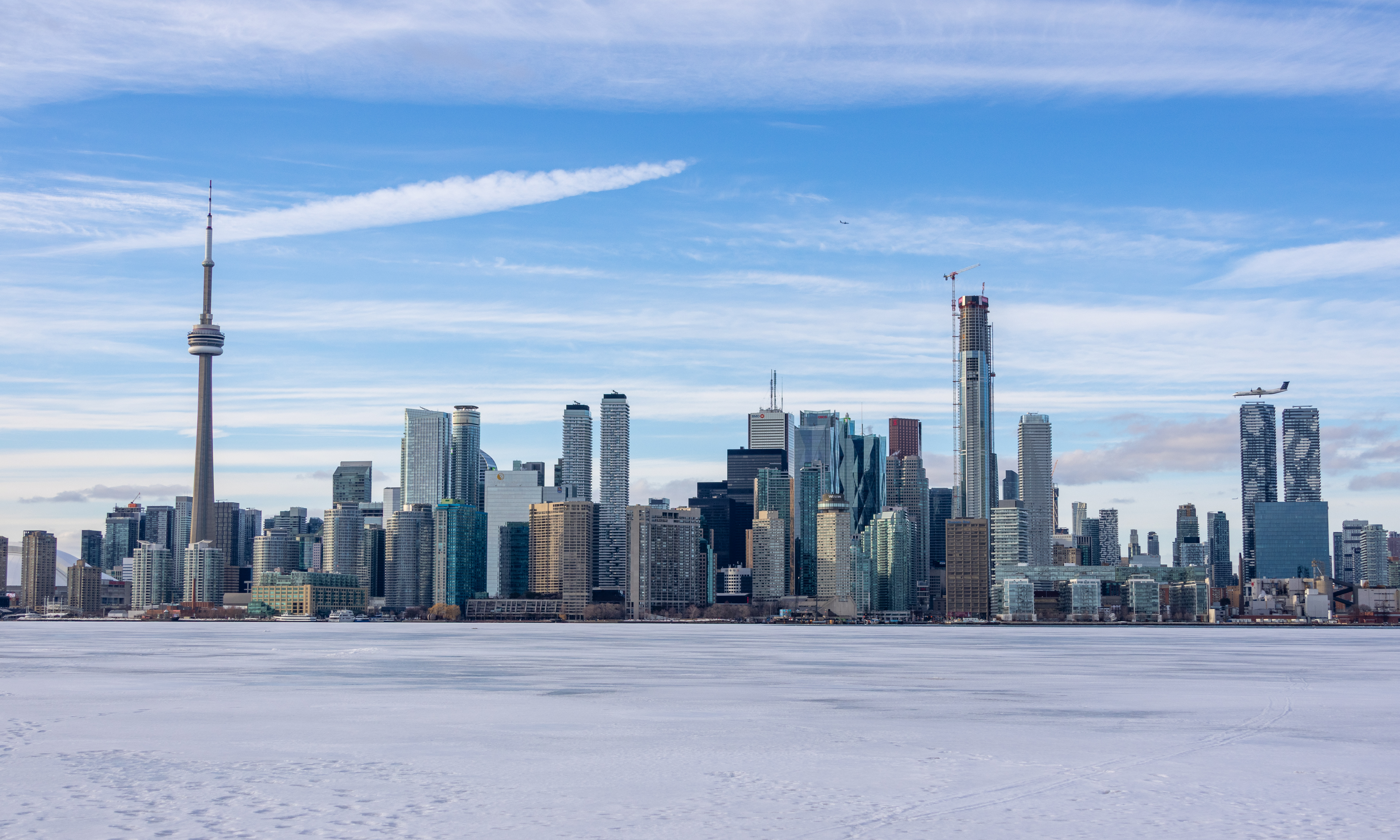
Toronto, Canada Hero Image
Wikipedia Contributor, CC BY-SA

Toronto, Canada

🌊 Coastal

Data updated Oct 8, 2026

Follows Canada Residency Rules. Check Digital Nomad & Retiree Pathways β†’

πŸ“Š Scores

72
FIRE
72
Retiree
84
Digital Nomad

Best fit: Digital Nomad (score: 84)

Toronto sits in a continental climate zone, 76 m above sea level, in the America/Toronto timezone. The city is home to 599 thousand people, and English is widely spoken. Expats tend to settle in Liberty Village, the Annex, Yorkville, and Leslieville, each offering a distinct feel while keeping the city's core within reach. The nearest airport is YYZ, 20 km away, which makes arrivals and departures straightforward for newcomers.

Rent for a 1-bedroom apartment in the city centre runs $1,585/mo, while outside the centre it drops to $1,417/mo. A 3-bedroom in the centre costs $2,695/mo, and outside the centre it is $2,115/mo. Excluding rent, a single person spends about $1,006/mo, and a family of four spends $3,720/mo. Utilities average $121/mo, internet $48/mo, and a mobile phone plan $32/mo. A monthly public transport pass is $109/mo, a gym membership $38/mo, an inexpensive restaurant meal $18 per person, a mid-range restaurant meal for two $77, and a cappuccino $4. The average monthly net salary is $3,686/mo, and the cost of living index is 61/100 with New York City at 100. Budget tiers for a single adult, rent included, are $3,200/mo, $5,000/mo, and $7,500/mo.

Safety is a strong point, with a safety index of 85/100 and a crime index of 15/100. Air quality sits at 42, and healthcare quality is rated excellent. These factors help explain why the overall expat score is 84/100, the digital nomad score is 84/100, the FIRE score is 72/100, and the retiree score is 72/100. Average internet speed reaches 150 Mbps, supporting remote work and daily connectivity.

For longer stays, the Canada Super Visa (Parents & Grandparents) serves retirees, while the Canada Digital Nomad Visa supports remote workers. The expat community is large and active, which eases the transition for newcomers. With its climate, infrastructure, and cost structure, Toronto suits single adults on a budget tier of $3,200/mo, mid-range earners at $5,000/mo, and comfortable professionals at $7,500/mo, as well as families and retirees who value safety and excellent healthcare.
Estimate the cost of moving to Toronto, Canada

Get a free moving cost estimate for moving to Toronto, Canada. Takes 10 seconds.

How much are you shipping?

When are you moving?

Powered by Sirelo. Free quotes from international movers.

🏚️ Cost of Living

A 1BR in the center runs about $1584.56/mo. If your income is in another currency, bank FX fees add up. A multi-currency account can cut that cost.

See low-fee transfers

We may earn a commission at no cost to you.

See how Toronto's cost of living compares with Fort Frances, Ontario

Be the first to report costs in Toronto

Share

πŸ›‘οΈ Safety & Crime

85
Safety Index

(Higher is safer)

15
Crime Index

(Lower is safer)

Toronto is genuinely safe for expats, with low violent crime and a well-policed downtown core. Property crime and petty theft occur mainly in specific neighborhoods (parts of Scarborough, Jane-Finch corridor) that expats typically avoid. Scams are minimal compared to other major cities. The main practical concerns are winter weather hazards and occasional transit delays rather than crime. For Americans aged 30-65, this is a straightforward, secure relocation with familiar infrastructure and minimal safety friction.

πŸ₯ Healthcare

Excellent
Public Hospitals
Yes
Private Clinics
Yes
English-Speaking Doctors
Widely Available

See how Toronto's healthcare compares with Fort Frances, Ontario

🌀️ Climate

Climate Zones
Continental
Summer Temp
27Β°C
Winter Temp
-6Β°C
Humidity
68%
Air Quality Index
42
Annual Rainfall
996 mm

Best Months

JunJulAugSep

Climate Notes

Humid continental climate with four distinct seasons.

πŸ’» Digital Nomad

Avg Internet Speed
150 Mbps
Internet (monthly)
$48/mo
Coworking Availability
Abundant
Coworking Spaces Nearby
12
Digital Nomad Score
84/100

Community Notes

Toronto is vibrant for digital nomads, with extensive coworking options and vast cultural experiences.

Coworking Spaces

NameNotes
WeWorkWeWork has multiple locations throughout Toronto, including downtown and midtown. Offers a consistent, reliable experience with good amenities, making it a solid choice for expats seeking a familiar coworking environment.
SpacesSpaces offers stylish coworking spaces in central Toronto locations like Yorkville and Queen West. Known for its European design aesthetic and community events, it's a good option for those seeking a more design-focused workspace.
The WorkaroundLocated in the west end of Toronto, The Workaround is a coworking space with on-site childcare. This is a great option for parents who are working remotely and need childcare solutions.
LABS TorontoLocated in the heart of Toronto's financial district, LABS offers premium coworking spaces with a focus on design and technology. It's well-suited for professionals seeking a high-end workspace with excellent amenities and a central location.

Names, locations and hours can change. Check each space's website before you visit. Places from Β© OpenStreetMap contributors and Foursquare Open Source Places (Apache 2.0).

Planning to live in Toronto long-term? Canada Digital Nomad Visa lets remote workers live legally.

View full requirements β†’

Working remotely from Toronto? Nomad health insurance covers you across borders, month to month.

See nomad insurance

We may earn a commission at no cost to you.

See how Toronto's digital nomad life compares with Fort Frances, Ontario

🧳 Expat Life

English Proficiency
Widely Spoken
Expat Community
Large & Active
Top Neighborhoods
Liberty Village, Annex, Yorkville, Leslieville
Banks Nearby
288
ATMs Nearby
109

Expat Life Notes

Canada financial and cultural hub. It is one of the most multicultural cities on earth, though the property market is extreme.

Pros

  • βœ“ Extremely multicultural and inclusive
  • βœ“ Thriving job market
  • βœ“ Safe for a major city

Cons

  • βœ— Prohibitively high housing costs
  • βœ— Long, cold winters
  • βœ— Congested traffic

🏘️ Neighborhoods in Toronto

Areas of Toronto that expats often consider.

Conditions can change from one block to the next, and these descriptions are general guides, not safety assessments. Before choosing where to stay or live, check current travel advisories, talk to people who live there, and visit in person if you can.

The Annex

Bookish, intellectual, historic charm

Home to the University of Toronto, The Annex is filled with Victorian and Edwardian homes, bookstores, and cafes. It's popular with academics, students, and families. Excellent walkability and transit access make it easy to get around, but expect higher rents and some student-related noise.

Yorkville

Upscale, luxury, designer boutiques

Yorkville is Toronto's most luxurious neighborhood, known for its high-end shopping, art galleries, and fine dining. It attracts affluent professionals and retirees. While very walkable, the cost of living is significantly higher, and it can feel a bit sterile for some.

Kensington Market

Bohemian, eclectic, vibrant street-life

Kensington Market is a diverse and lively neighborhood with vintage shops, independent boutiques, and international restaurants. It's popular with artists, students, and young professionals. Expect a lot of foot traffic, noise, and a more alternative atmosphere, but rents can be relatively affordable.

Leslieville

Trendy, up-and-coming, family-friendly

Leslieville has transformed from an industrial area into a trendy neighborhood with cafes, restaurants, and design shops. It's attracting young families and professionals. While further from the downtown core, it offers a more relaxed atmosphere and is becoming increasingly walkable with improved transit options.

Page 1 of 2

Could living/working in Toronto cut years off your work life?

With a 1-bedroom in the center at $1585/mo, your FIRE number here might be much lower than you think.

Calculate My FIRE Date β†’

πŸ›‚ Visa Options for Canada

Many long-stay visas require proof of health insurance. Compare international health plans before you apply.

Compare health insurance

We may earn a commission at no cost to you.

πŸ›‚

Not sure which Canada visa you qualify for?

Answer 11 questions and get a personalized match in under 2 minutes.

Find My Visa β†’

More Cities to Consider instead of Toronto

FAQ

Frequently Asked Questions about Toronto

Click any question to expand the answer.

Toronto has a population of approximately 599,000 people.
A single person can expect to spend around $3,961 per month in Toronto, including rent. A 1-bedroom apartment in the city center costs approximately $1585/month.
The nearest airport to Toronto is YYZ, approximately 20km away.
Toronto is considered relatively safe, with a safety index of 85.0. As with any city abroad, expats should research specific neighborhoods before committing to a location.
Toronto has an average internet speed of 150 Mbps. It is considered a well-established digital nomad destination.
Toronto is ideal for expats who value multiculturalism and urban living but can handle high costs and harsh winters. It’s less suitable for those pursuing financial independence or a low-cost lifestyle.
For long-term stays, Americans typically pursue options like a work permit (if you have a job offer), a study permit (if you're enrolled in a Canadian institution), or family sponsorship. There isn't a specific 'retirement visa,' so you'll need to explore these other pathways or consider a visitor visa for shorter stays, keeping in mind the limitations on working or studying.
Toronto boasts a high-quality, publicly funded healthcare system, but access for new residents requires obtaining an Ontario Health Insurance Plan (OHIP) card. There's a waiting period of about three months after establishing residency before you're eligible for OHIP coverage, so consider private insurance during that gap. Many doctors speak English, and specialists are readily available.
Toronto offers excellent internet connectivity, with widespread access to high-speed fiber optic networks. You can expect download speeds of 100 Mbps or more in most areas, making it ideal for video conferencing and other bandwidth-intensive tasks. Coworking spaces typically provide reliable and fast internet as well.
For more affordable living, consider neighborhoods like Scarborough, North York, or Etobicoke, which are further from the downtown core but still well-connected by public transit. You'll find a mix of apartments and houses at lower rental rates compared to areas like downtown or The Annex. These areas also offer diverse cultural experiences and amenities.
Toronto has an extensive public transportation system, including subways, streetcars, and buses, making it relatively easy to navigate without a car. The Toronto Transit Commission (TTC) covers most of the city, but be prepared for potential delays during peak hours. Walking and cycling are also popular options, especially in the downtown core.
Toronto experiences four distinct seasons, with hot and humid summers and cold, snowy winters. Expect temperatures ranging from -10Β°C (14Β°F) in January to 25Β°C (77Β°F) in July. Be prepared for significant snowfall in the winter and pack accordingly with warm clothing and waterproof boots.
Toronto is a very multicultural city with a large and active expat community. You'll find numerous social groups and organizations catering to different nationalities and interests, making it easy to connect with other expats and build a social network. Online forums and social media groups are also great resources.
While Toronto is generally safe, like any major city, there are areas with higher crime rates. Some areas, particularly late at night, such as certain parts of Jane and Finch or Regent Park, may warrant extra caution. However, these are localized issues, and overall, Toronto is considered a safe city.
As a US citizen, you're still required to file US taxes even when living abroad. The Foreign Earned Income Exclusion (FEIE) can help you exclude a certain amount of your foreign-earned income from US taxes. You may also need to report foreign bank accounts if the total value exceeds $10,000 (FBAR). Consult with a tax professional specializing in expat taxes.
Retiring early in Toronto on $3,000 USD (approximately $4,000 CAD) per month would be challenging but potentially feasible with careful budgeting. You'd need to live in a more affordable neighborhood, prioritize public transport, and be mindful of grocery and entertainment expenses. Healthcare costs also need to be factored in, especially during the OHIP waiting period.
Toronto is an excellent city for English speakers, as English is the primary language spoken. You'll find it easy to communicate in all aspects of daily life, from shopping and dining to accessing services and making friends. While Toronto is multicultural, English proficiency is widespread.
Several options exist for remitting money from the US to Canada. Online platforms like Wise (formerly TransferWise) and Remitly often offer competitive exchange rates and lower fees compared to traditional bank transfers. Compare the rates and fees of different services before making a transfer.
Yes, Toronto has a thriving coworking scene with numerous options to suit different needs and budgets. Popular coworking spaces include WeWork, Spaces, and local independent options. These spaces offer a range of amenities, including high-speed internet, meeting rooms, and networking opportunities.

Share This Guide