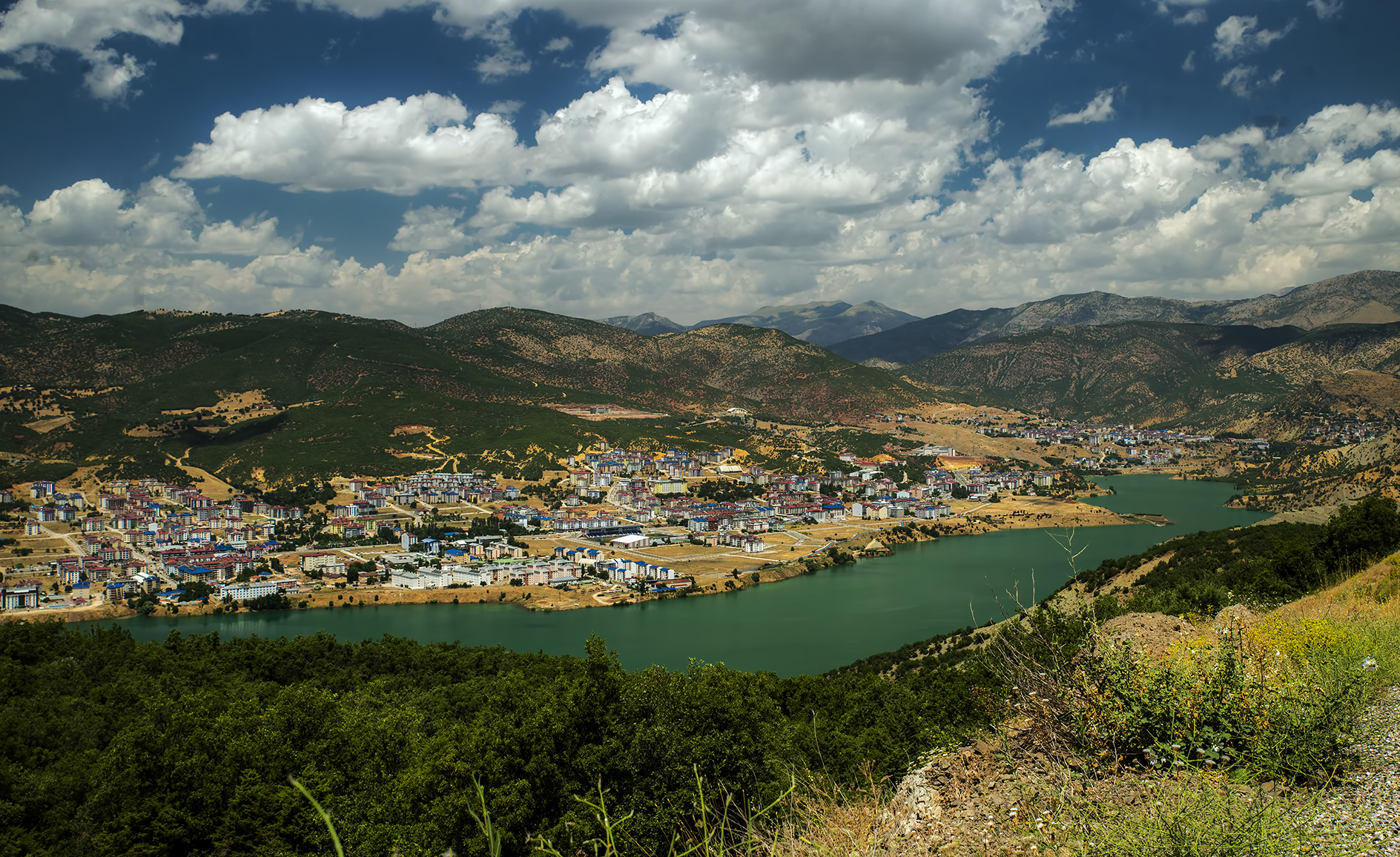
Agriculture and forestry dominate Tunceli's economy—livestock herding, small-scale farming, and forestry employ most locals. The provincial government is the largest employer, followed by education and basic services. Industrial development is minimal due to mountainous terrain and geographic isolation. Tourism is nascent but growing around Munzur Valley hiking and outdoor recreation. Job opportunities for expats are extremely limited unless you're teaching English, working remotely, or involved in NGO/development work. This is not a place to find local employment.
A one-bedroom apartment in the city center rents for $180/month; living costs are genuinely cheap. Roads are mountainous and sometimes treacherous in winter; public transport exists but is infrequent. Healthcare is basic—serious issues require travel to Ankara or Istanbul. Turkish is essential; Kurdish and Zazaki are widely spoken locally, but English is rare. Bureaucracy is standard Turkish friction, compounded by the region's smaller administrative capacity. Winter snow can isolate the city for days.
Winters are harsh and snowy; summers mild. Food is simple, meat-heavy, and fresh from local farms. The expat community is nearly nonexistent—you'll be genuinely alone here. Weekends mean hiking Munzur Valley, visiting nearby villages, or driving to larger cities. This city suits only remote workers seeking extreme solitude, cultural researchers focused on Kurdish Alevi heritage, or people with deep family ties to the region—not casual digital nomads.
Estimate the cost of moving to Tunceli, Turkey
Get a free moving cost estimate for moving to Tunceli, Turkey. Takes 10 seconds.
How much are you shipping?
When are you moving?
Powered by Sirelo. Free quotes from international movers.
🏚️ Cost of Living
💰 Budgets and Costs
$345/mo, one person, rent included
Selected: budget lifestyle
Tunceli on a budget budget comes to about $345 a month for one adult, with $162 of that going to rent. Beyond rent the estimate covers $61.00 on groceries, $24.00 on dining out, $13.00 on entertainment and lifestyle, $61.00 on utilities and connectivity and $24.00 on transport.
Rent
$162/mo
1BR outside the centre
Groceries
$61.00/mo
75% of mid-range grocery spend
Dining out
$24.00/mo
4 inexpensive meals
Entertainment & lifestyle
$13.00/mo
1 cinema trip, 8 cappuccinos
Utilities & connectivity
$61.00/mo
utilities, mobile, internet
Transport
$24.00/mo
Monthly pass
Budgets (excl. rent)
Single person$183/mo
Excludes rent. The total above is all-in, rent included.
$442/mo, one person, rent included
Selected: mid-range lifestyle
Tunceli on a mid-range budget comes to about $442 a month for one adult, with $162 of that going to rent. Beyond rent the estimate covers $82.00 on groceries, $61.00 on dining out, $52.00 on entertainment and lifestyle, $61.00 on utilities and connectivity and $24.00 on transport.
Rent
$162/mo
1BR outside the centre
Groceries
$82.00/mo
Staples basket scaled to a full month
Dining out
$61.00/mo
10 inexpensive meals
Entertainment & lifestyle
$52.00/mo
gym, 2 cinema trips, 12 cappuccinos
Utilities & connectivity
$61.00/mo
utilities, mobile, internet
Transport
$24.00/mo
Monthly pass
Budgets (excl. rent)
Single person$280/mo
Excludes rent. The total above is all-in, rent included.
$599/mo, one person, rent included
Selected: comfortable lifestyle
Tunceli on a comfortable budget comes to about $599 a month for one adult, with $203 of that going to rent. Beyond rent the estimate covers $114 on groceries, $128 on dining out, $69.00 on entertainment and lifestyle, $61.00 on utilities and connectivity and $24.00 on transport.
Rent
$203/mo
1BR in the centre
Groceries
$114/mo
140% of mid-range grocery spend
Dining out
$128/mo
6 inexpensive meals + 6 mid-range meals
Entertainment & lifestyle
$69.00/mo
gym, 4 cinema trips, 20 cappuccinos
Utilities & connectivity
$61.00/mo
utilities, mobile, internet
Transport
$24.00/mo
Monthly pass
Budgets (excl. rent)
Single person$396/mo
Excludes rent. The total above is all-in, rent included.
Estimates for one adult, built from this city's average prices and the usage shown for each tier. Your spending will differ with how often you eat out and where you live.
A 1BR in the center runs about $202.68/mo. If your income is in another currency, bank FX fees add up. A multi-currency account can cut that cost.
Tunceli is a small, relatively quiet city where expats report feeling reasonably safe during daylight hours. The compact size means most daily activities are walkable and familiar. Night-time safety is moderate—locals navigate the streets without major incident, but it's not a vibrant nightlife destination. The city has a low-key, provincial atmosphere that generally favors personal security over the chaos of larger Turkish metros.
Petty theft and pickpocketing occur but aren't epidemic. Scams targeting foreigners are uncommon given the small expat population. The main risks involve occasional property crime and the need for standard urban caution. Solo female travelers should exercise normal precautions—avoid isolated areas after dark and dress conservatively to blend in. Violent crime against expats is rare, though the city's working-class character means some rougher neighborhoods exist on the periphery.
Tunceli has a complex political history tied to Kurdish identity and past PKK activity, though the region has stabilized significantly in recent years. Police presence is visible and generally reliable for expats. Corruption exists but is less predatory than in some Turkish cities. For an American considering relocation, this is a manageable choice if you seek authentic, affordable small-town living—but it lacks the expat infrastructure and international amenities of larger cities. Best suited for those comfortable with isolation and genuine cultural immersion.
Tunceli has a safety index of 50/100. Petty theft and lost belongings are the most common problems for newcomers. Compare travel insurance before you go.
See how Tunceli's healthcare compares with Esenyurt
🌤️ Climate
Summer Temp
28°C
Winter Temp
2°C
Humidity
65%
Air Quality Index
42
Annual Rainfall
989 mm
Best Months
AprMaySepOct
Climate Notes
Tunceli has a continental climate with hot, dry summers (June-August) and cold, snowy winters (December-February), offering dramatic seasonal contrasts in this mountainous Anatolian region.
💻 Digital Nomad
Avg Internet Speed
16 Mbps
Internet (monthly)
$6/mo
Coworking Availability
None
Coworking Spaces Nearby
0
Digital Nomad Score
45/100
Community Notes
Remote mountain region with limited infrastructure for nomads.
Similar to the Halk Eğitim Merkezi, the Gençlik Merkezi (Youth Center) may offer free or low-cost workspace and internet. Check with the municipality for availability and pricing. Located centrally, it's a good option for budget-conscious travelers.
See how Tunceli's digital nomad life compares with Esenyurt
🧳 Expat Life
English Proficiency
Limited
Expat Community
None
Top Neighborhoods
Tunceli Center
Banks Nearby
3
ATMs Nearby
0
Expat Life Notes
Isolated mountain city in eastern Turkey. Very safe but culturally distinct and traditional.
Pros
✓ Amazing mountain scenery
✓ Safe and quiet
Cons
✗ No English infrastructure
✗ Highly isolated
✗ Limited entertainment
🏘️ Neighborhoods in Tunceli
Areas of Tunceli that expats often consider.
Conditions can change from one block to the next, and these descriptions are general guides, not safety assessments. Before choosing where to stay or live, check current travel advisories, talk to people who live there, and visit in person if you can.
Merkez (City Center)
Bustling, commercial, central hub
The heart of Tunceli, offering easy access to shops, restaurants, and government offices. It's generally walkable, but can be noisy. While not specifically expat-focused, basic amenities are available, and it provides an authentic Turkish experience.
Atatürk Mahallesi
Residential, family-oriented, quiet
A quieter residential area, suitable for those seeking a more relaxed pace of life. It's further from the city center, requiring reliance on public transport or personal vehicles. Expect limited English spoken and a need to integrate into the local community.
Cumhuriyet Mahallesi
Modern, developing, student-focused
A newer area with modern apartments, often housing students from Tunceli University. It offers a mix of residential and commercial spaces. While not geared towards expats, the presence of students might make it slightly easier to find English speakers.
Moğultay Mahallesi
Traditional, local, community-focused
One of the older neighborhoods, retaining a strong sense of local culture and community. Housing options are typically older and more traditional. It offers a very authentic experience but requires a good grasp of Turkish and a willingness to fully immerse oneself.
Yeni Mahalle
Up-and-coming, residential, affordable
Literally 'New Neighborhood', this area is experiencing development and offers relatively affordable housing. It's a good option for budget-conscious individuals. However, it's further from the center and lacks specific expat amenities.
Page 1 of 2
Could living/working in Tunceli cut years off your work life?
With a 1-bedroom in the center at $203/mo, your FIRE number here might be much lower than you think.
Tunceli has a population of approximately 32,815 people.
A single person can expect to spend around $507 per month in Tunceli, including rent. A 1-bedroom apartment in the city center costs approximately $203/month.
The nearest airport to Tunceli is TJK, approximately 302km away.
Tunceli is considered moderate in terms of safety, with a safety index of 50.0. As with any city abroad, expats should research specific neighborhoods before committing to a location.
Tunceli has an average internet speed of 16 Mbps. It is not yet considered a well-established digital nomad destination.
Realistically, no. The job market is tiny—government, education, and agriculture dominate. English teaching exists but positions are scarce and low-paid. You must work remotely or have a specific NGO/development role lined up before arriving.
Severe. Heavy snow, temperatures dropping to -10°C, and roads becoming impassable for days are common. If you dislike cold and isolation, avoid November through March. Infrastructure is maintained but not always quickly.
Virtually none. You'll be one of very few foreigners. No expat bars, meetups, or established networks. This is genuine isolation—suitable only if you're self-sufficient socially or there for specific research/family reasons.
Tunceli is very affordable. Expect to pay around $200-$400 USD per month for rent depending on the neighborhood and apartment size. Groceries and dining out are also inexpensive, with a decent meal costing around $5-$10 USD.
English proficiency among doctors in Tunceli is limited. While some may have a basic understanding, it's advisable to learn some basic Turkish phrases for medical situations or rely on translation apps. For more complex medical needs, expats often travel to larger cities like Ankara or Istanbul.
Tunceli is generally considered safe, but it's important to stay informed about the local political situation. Petty crime is rare, but it's always wise to take standard precautions like securing your belongings and avoiding walking alone late at night in poorly lit areas.
US citizens can typically enter Turkey visa-free for tourism for up to 90 days within a 180-day period. For longer stays, you'll need to apply for a residence permit. Common pathways include a tourist residence permit, or if applicable, a work or student visa.
Internet connectivity in Tunceli is generally reliable for everyday use, but speeds may not be as fast as in larger cities. You can expect speeds sufficient for video calls and general browsing, but heavy data usage or streaming might experience occasional buffering. Check with your provider for specific speeds in your neighborhood.
Tunceli is a relatively small city, so walking is a viable option for many errands. Dolmuş (shared minibuses) are also a common and affordable way to get around. Taxis are readily available, and renting a car can be useful for exploring the surrounding region.
Major Turkish banks like Ziraat Bankası and Halkbank operate in Tunceli. ATMs are widely available, but check with your bank about international transaction fees. Opening a local bank account can simplify bill payments and daily transactions. Remittances can be done via services like Wise or Remitly.
Tunceli experiences a continental climate with hot, dry summers and cold, snowy winters. Summers (June-August) are hot, with temperatures often exceeding 30°C (86°F). Winters (December-February) are cold, with temperatures frequently dropping below freezing and significant snowfall.
While some locals may speak a little English, knowing basic Turkish will significantly improve your quality of life. Learning essential phrases for shopping, transportation, and basic interactions will make daily life much easier and help you connect with the community.
Tunceli's low cost of living makes it an attractive option for those pursuing FIRE. A monthly budget of $1000-$1500 USD could provide a comfortable lifestyle, allowing you to stretch your passive income further. However, research local investment options carefully.
As a US citizen living abroad, you're still required to file US taxes. The Foreign Earned Income Exclusion (FEIE) can help you exclude a certain amount of your foreign-earned income from US taxes. You may also need to report foreign bank accounts if the total value exceeds $10,000 USD (FBAR).
Tunceli offers a slower, more relaxed pace of life compared to larger Turkish cities. It's a place where you can enjoy a close-knit community, spend time in nature, and escape the hustle and bustle of urban living. Be prepared for a more traditional way of life.
The people of Tunceli are generally welcoming and curious about foreigners. While not many expats live there, locals are often eager to learn about different cultures and share their own traditions. Showing respect for local customs will go a long way in building positive relationships.
Cost-of-living and visa updates for Tunceli and the rest of Turkey. Free with RA Postcards.
By submitting your email address, you will receive a free subscription to RA Postcards and special offers from Rewire Abroad and our affiliates. You can unsubscribe at any time, and we encourage you to read more about our Privacy Policy.