Difficulty
Difficult
Duration
3 months
Overview
Who this permit actually suits
The independent work permit works best for someone with foreign clients, a laptop, and no particular need to build a local business in Turkey. It is not a settlement visa dressed up as a work permit, and it doesn't try to be. The government built this specifically for freelancers billing abroad, which means the income test in the checklist is really a proxy for one question: are you bringing money into Turkey or trying to compete for it. Answer the second way, even accidentally, and the application stalls.
The trade-off is straightforward once you see it. You get a renewable status with no interview and no medical exam standing between you and a stamp, dependents can come with you, and the administrative friction is lower than most European equivalents. What you don't get is momentum. This permit doesn't advance you toward permanent residence, and the social security contributions you might make while holding it don't count toward anything beyond the permit itself. Someone applying at 35 with a five year plan to eventually become a Turkish resident on paper needs to know, before they file, that this specific document doesn't build in that direction. It renews. It doesn't accumulate.
The two things that move an approval from likely to fast are the apostille chain and the shape of your income. Apostille processing has its own calendar, separate from Turkey's, and people who start the visa paperwork before starting the apostille paperwork end up waiting on the slower of the two anyway. On income: a freelancer with three or four recurring foreign clients reads very differently to an officer than someone with one client and a monthly transfer that looks suspiciously like a disguised salary. If your income story currently looks like the second, fix that before you fix anything else on the checklist.
Eligibility Requirements
Duration
3 months
Business Owner · Self-Employed
Requirements Checklist
Tax Information
Tax obligations vary by country and visa type. Most countries require visa holders to pay income tax on income earned within the country.
Some countries offer favorable tax regimes for remote workers and digital nomads, with reduced rates or tax exemptions for foreign-sourced income.
Consult a tax professional familiar with both your home country's laws and the host country's regulations.
Living in Turkey
COL Index vs NYC
38.7
Monthly Cost (excl. rent)
$646
1BR Rent (City Center)
$564
Safety Index
58.8
Healthcare Index
71.2
Quality of Life Index
131.1
Time Zone
UTC+03:00
Capital
Ankara
Population
84.3M
Official Languages
Turkish
Public Transit Quality
Good
With a budget covering rent and living costs, you'd need roughly $1,210/mo for a comfortable single-person lifestyle in Turkey.See how far your money goes →
🏙️ Best Cities in Turkey for Freelancers
 71
71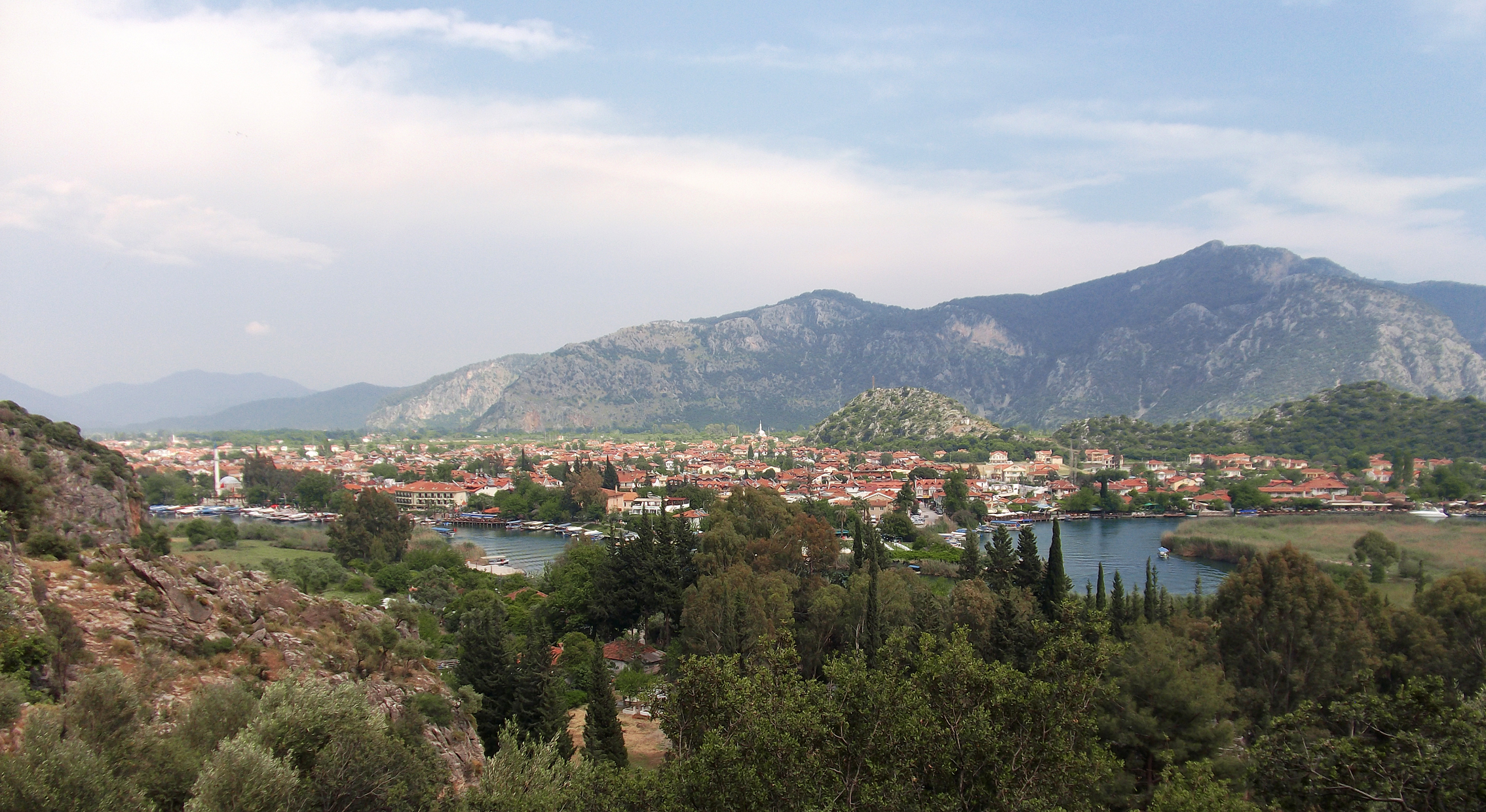 70
70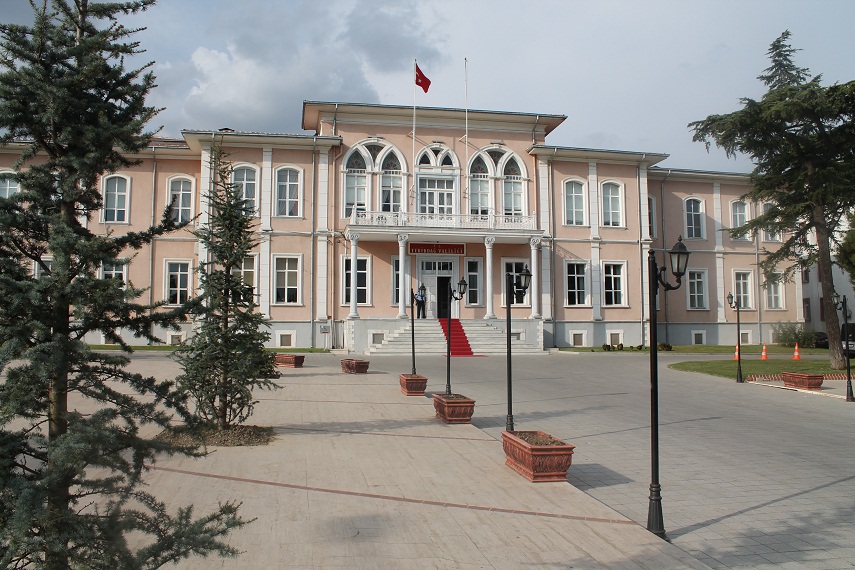 71
71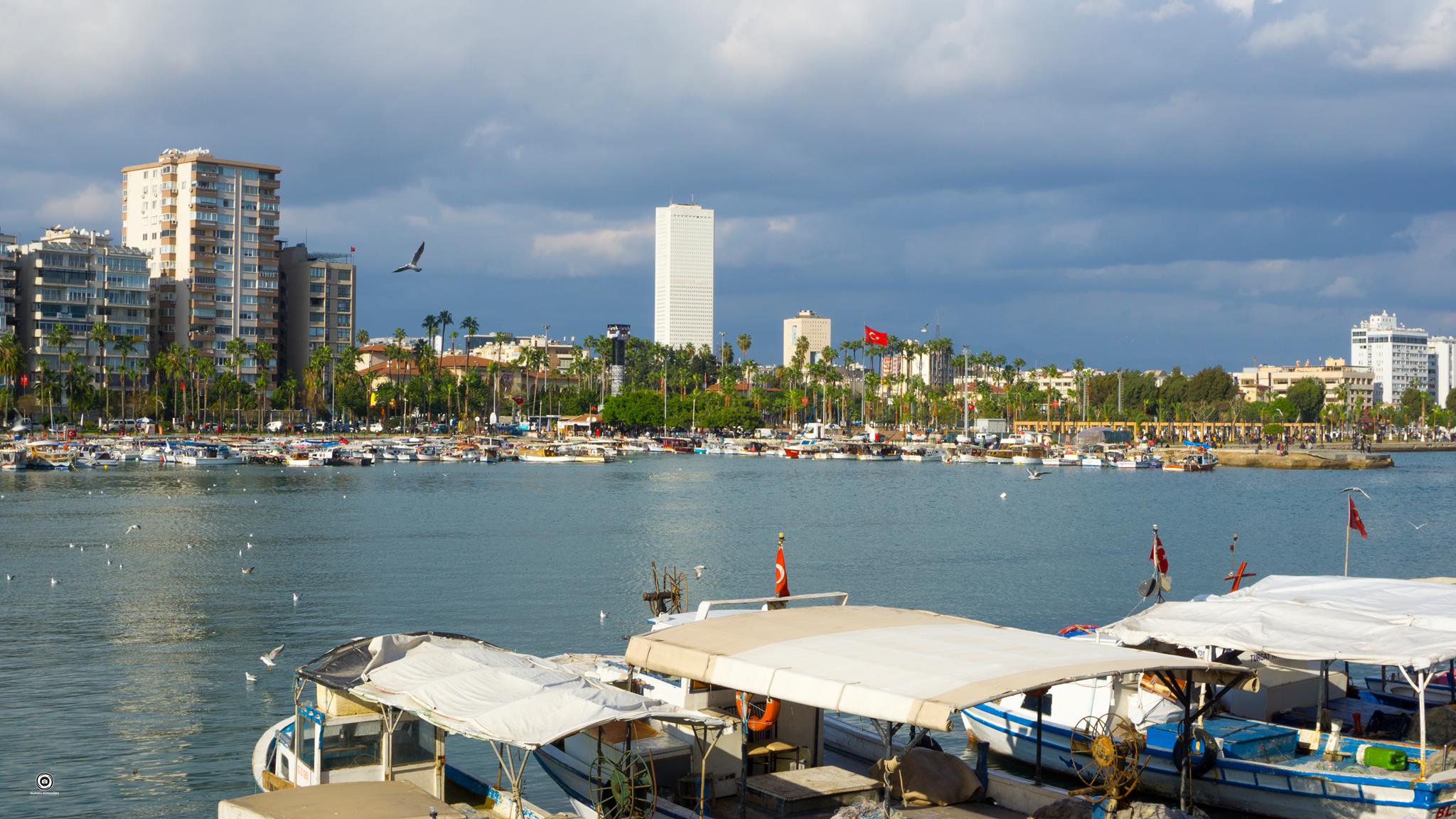 71
71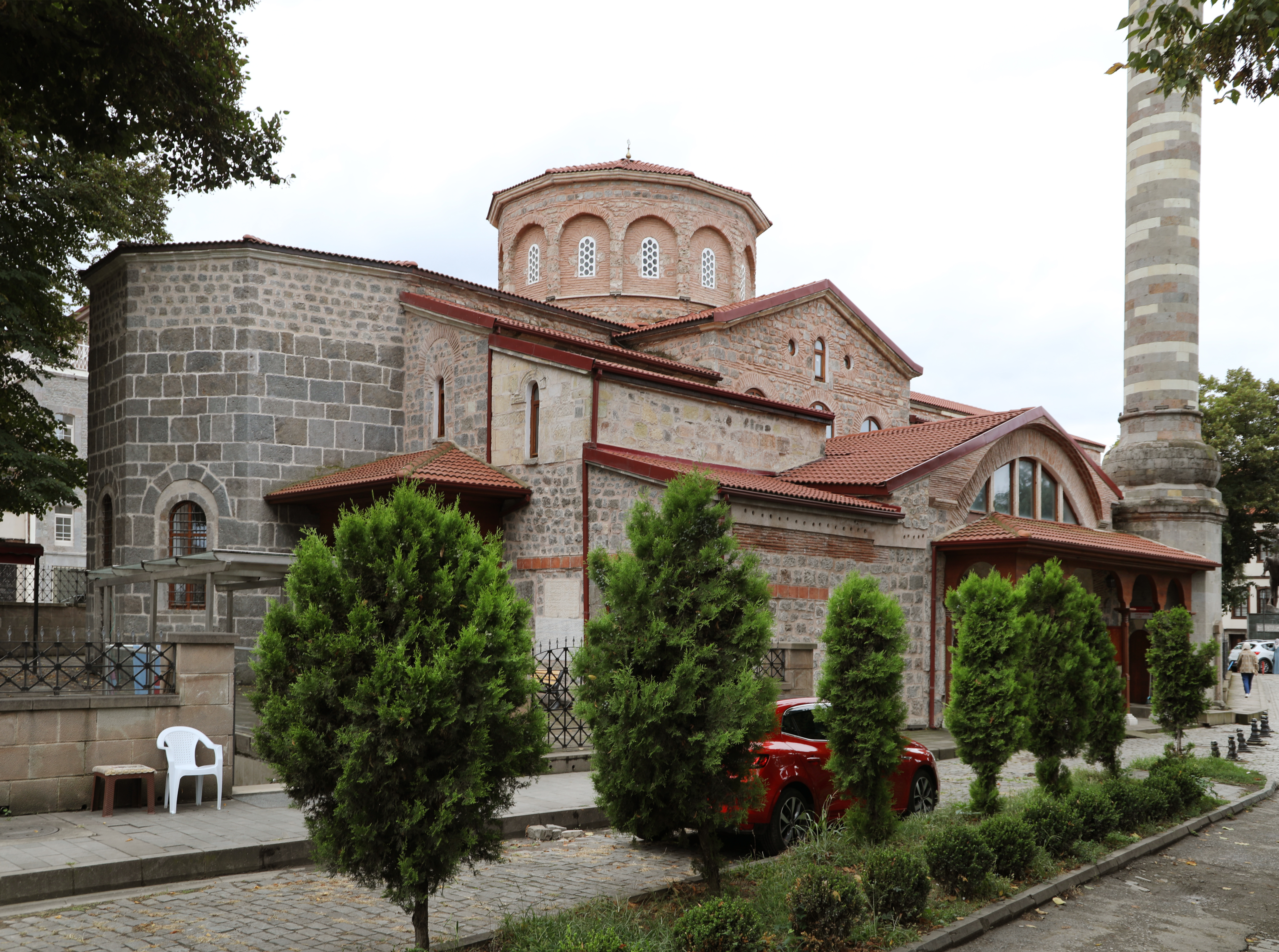 71
71 72
72Getting the income documentation story straight before applying
The permit is built around foreign-sourced freelance income, and the paperwork wants to see a pattern, not a snapshot. A single bank statement showing healthy deposits proves you had money last month. It doesn't prove you have a business. Officers reviewing these files are looking for continuity: multiple clients, invoices that predate the application by several months, contracts that describe scope of work rather than just payment terms. Someone earning $6,000 a month from two US clients on retainer is in a stronger position than someone earning the same amount from one client with irregular, round-number transfers that could just as easily be a salary paid informally to dodge employment rules.
That last pattern matters more than people expect, because Turkey's own labor authorities are alert to foreign workers using a freelance permit to functionally hold a local job. If your only client is based in Turkey, or if your invoicing looks like it's covering for an employer relationship, expect scrutiny you didn't plan for. This permit does not authorize local work, and that restriction isn't a formality, it's the line the whole application sits on.
Retirees occasionally look at this permit and assume pension income will satisfy the requirement, since freelance-adjacent programs elsewhere sometimes stretch to cover passive income. It doesn't work that way here. Pension income isn't recognized for this route, and trying to document it as if it were freelance income wastes time you'll need for the parts of the file that do count.
Sequencing matters as much as content. Apostille legalization has to happen on your home-country documents before they mean anything to a Turkish consulate or authority, and that process runs on its own clock, independent of the visa timeline. People who assemble their income documentation first and only then discover they need apostilled copies of degrees, business registrations, or bank letters end up restarting a step they thought was finished. Get the apostille chain moving in parallel with your income documentation, not after it, and build your invoice and contract history before you need it, not while you're filling out the application.
The housing question and where people trip on it
Every residence-based permit needs an address that will survive scrutiny, and the accommodation piece of this application is where a surprising number of otherwise clean files get held up. It's not that the requirement itself is complicated. It's that people treat it as an afterthought, booking a short-term rental to get through the initial approval and assuming they'll sort out something permanent later.
That approach backfires because the address you register isn't just a mailing detail, it's the anchor for everything that follows, including any renewal down the line. An address tied to a month-to-month sublet or an Airbnb reservation looks temporary because it is temporary, and temporary addresses invite follow-up questions you'd rather not answer twice. The people who move through this cleanly are usually the ones who treat the housing decision as part of the application itself, lining up a lease that will still be valid well past the date they expect to need it, rather than something to figure out once they've landed.
There's also a mismatch in how people budget their time. Finding an apartment in a Turkish city that fits both your needs and a landlord willing to work with a foreign applicant's paperwork can take longer than expected, particularly in Istanbul or Ankara during peak rental seasons. Applicants who leave this until after their other documents are ready often find the housing search becomes the actual bottleneck, not the immigration process. Starting the apartment search in parallel with the income documentation, rather than after it, tends to be the difference between a file that's ready when the paperwork is and one that sits half-finished for another month while someone tours apartments.
The gap between approval and actually holding the permit
Approval on paper and a permit in hand are two different moments, and the space between them is where people either coast through or get stuck waiting on something they didn't budget time for. The process here is lighter than a lot of comparable countries in some respects. There's no interview to prepare for, no medical exam to schedule around a clinic's availability, which removes two of the more common scheduling headaches from other visa tracks entirely.
What replaces that friction is the insurance and legalization sequencing. Health insurance has to be in place and valid before the permit is finalized, not after, and it needs to meet the coverage standards Turkish authorities expect from a foreign applicant rather than whatever plan you happened to already have. People who buy a policy that satisfies their home country's idea of adequate coverage sometimes find it doesn't map cleanly onto what's asked for here, and swapping providers mid-process adds a delay nobody planned for.
You won't need a local bank account to get through the initial stages, which simplifies the early sequencing considerably, since opening an account as a non-resident before you have a permit is its own separate hassle. That piece tends to come later, once you're established enough to need it for daily life rather than for the application itself.
The detail people underestimate is that this permit doesn't authorize local work at any point in the process, including the gap between approval and the physical card arriving. If you're counting on picking up local clients or local income during that window to bridge a cash flow gap, don't. The permit's entire logic depends on your income staying foreign-sourced throughout, not just at the moment you applied.
Where this leaves you long-term, and the alternative worth weighing
The honest read on the long-term path is that there isn't one built into this permit. It renews, and renewal itself is not complicated for someone whose income situation hasn't changed. But renewal is not accumulation. Time spent on this status doesn't move you toward permanent residence, and the social security contributions that come with holding it don't count toward whatever thresholds a different, more settlement-oriented permit might require. Someone treating this as step one of a longer residency plan in Turkey needs to understand that the plan requires a different document at some point, not just more years on this one.
That's not necessarily a problem if what you actually want is a base, not a destination. For a remote worker who wants Turkey's cost of living and lifestyle without any interest in eventually holding a Turkish passport, the lack of a PR track is irrelevant noise. For someone who picked Turkey specifically because they'd eventually like a second citizenship, it's the single fact that should reroute the whole plan.
The comparison people usually run in their head is against a digital nomad visa somewhere in Southern Europe, and the honest version of that comparison isn't about which country is nicer to live in, it's about what each document is actually for. A freelancer visa elsewhere might carry its own path toward long-term status, built around years of continuous residence; this one explicitly doesn't carry you there. If your six-month decision is really about lifestyle and cost with citizenship as a someday-maybe, Turkey's version is low-friction and truly workable. If citizenship or a durable residency status is the actual goal, treat this permit as a place to live well for a while, not a stepping stone, and make your longer-term plan around a different document from the start.
Work Permissions
Application Steps
- 1
Research
Verify all requirements for this visa type and country
- 2
Gather documents
Obtain all required documents (passport, financial statements, health insurance, etc.)
- 3
Complete application
Fill out the official application form
- 4
Submit application
Submit all documents to the appropriate consulate or online portal
- 5
Pay fees
Complete payment of application and visa fees
- 6
Attend interview
If required, attend any scheduled interviews
- 7
Wait for decision
Processing times vary from weeks to months
- 8
Travel and activate
Once approved, travel to the country and complete any activation requirements
Compare this visa
Curated comparisons that include this route.
Frequently Asked Questions
Click any question to expand the answer.
Ready to Apply?
Work with trusted visa specialists who handle the paperwork so you can focus on your move.
Get help with this visa →* We may earn a commission if you apply through our link
At a Glance
Last verified: October 9, 2026