Min Monthly Income
$773
Application Fee
$115
Processing Time
13-104 wks
Difficulty
Moderate
Duration
12 months
Path to Citizenship
5 years
Overview
Turkey’s Short-Term Residence Permit is open to all nationalities and is fundamentally a financial-sufficiency residency: you must show either at least $773/month in income or $9,268 in savings per adult. That can be foreign passive income such as ETF dividends, rental income, pensions, or remote salary; Turkish law focuses on sufficiency and regularity, not the exact source, and there is no published restriction against Social Security, 401(k)/IRA withdrawals, or brokerage income. Local employment is expressly prohibited under this permit, so anyone wanting a Turkish payroll job needs a separate work permit.
For a FIRE couple living off a joint taxable brokerage, the practical test is whether your statements clearly support $1,546/month (2 × $773) or roughly $18,536 in savings (2 × $9,268) across accounts. Lawyers and recent practice guidance emphasize “regular and adequate” income: migration offices look for 3–6 months of consistent inflows instead of a last‑minute lump transfer. Heavy reliance on a single shrinking savings balance raises refusal risk even if you meet the $9,268 floor on paper, so portfolio withdrawals and recurring pension or dividend payments tend to be viewed more favorably.
Processing is slow by design: expect 12–16 weeks door-to-door from e‑İkamet application to card issuance. During that period you must stay on top of appointments and potential extra document requests, but you do not face an interview, medical exam, or an FBI check according to current rules. Private Turkish health insurance is mandatory, and you must be at least 18; dependents can be added, with income requirements typically rising by about 66.67% for an adult dependent and 40% for a child, which authorities apply case by case.
A short-term permit is renewable and can be one building block toward long-term residence and a Turkish passport. Current law allows permanent residence after 8 years of legal residence and citizenship after 5 years, and time on this permit counts as long as you maintain continuity. However, presence expectations depend on maintaining continuous residence: to qualify for citizenship or permanent residence you generally need to avoid long absences, but authorities retain discretion over consecutive absences tied specifically to this permit category. If you plan to maintain U.S., Canadian, or EU ties and shuttle in and out, you must structure your time so that your long-term 5–8 year plan still works.
Friction points center on documentation and judgment calls rather than formal complexity: the bureaucracy score of 1.125/5 reflects the fact that there is no FBI check, no apostille, and no interview, yet financial scrutiny is real and rejections for “insufficient means” have increased. This makes most sense if you have, for example, at least $3,000/month in recurring foreign income and are comfortable staying in Turkey long enough for 12–16 week processing and multi‑year renewals; it is a poor fit if you are counting on ad hoc savings transfers, insisting on Turkish employment without a separate work permit, or need guaranteed multi‑country flexibility with minimal presence in any one state.
Finally, presence requirements for maintaining the permit itself depend on continuous residence, which matters if you intend to split your time between Turkey and, say, Portugal’s D7 (which requires 183+ days/year in Portugal) or Spain’s non‑lucrative visa (which expects near‑full-year residence). You can use Turkey as a base with more travel flexibility in the early years, but if citizenship or permanent residence at the 5‑ or 8‑year mark is your goal, you will need to track days carefully and keep an eye on evolving practice, as the law gives authorities discretion around what counts as continuous residence.
Eligibility Requirements
Any nationality can apply in principle for Turkey’s Short‑Term Residence Permit; the immigration law does not carve out favored blocs or exclude specific passports at the statutory level. In practice, however, applicants from sanctioned or heavily scrutinized countries such as Iran, Syria, North Korea, and sometimes Russia or Cuba can run into banking de‑risking, consular reluctance, or background‑check delays that make successful residence and financial setup difficult even when the law allows it. Before assembling a full document package, confirm your current eligibility and any country‑specific conditions directly with the Presidency of Migration Management via the official e‑İkamet portal or a local provincial migration office.
Min Income
$773
Min Savings
$9,268
Application Fee
$115
Min Age
18 yrs
Duration
12 months
Max 0% from local sources
+66.67% per adult · +40% per child
Requirements Checklist
0 of 25 documents in hand
0%These take the longest, so start them first.
Request these while the slow items are in progress.
You only need these on the day you submit.
Extra requirements for this visa
- Apostille required on official documents
How and where to apply
Apply in-country after entering Turkey on a tourist visa via the e-İkamet online portal at e-ikamet.goc.gov.tr. Attend a local appointment at the Provincial Directorate of Migration Management for biometrics and submission. First-time applicants must start this process within Turkey; no consulate pre-approval needed.
Tax Information
Local tax regime and what it means for you
Turkey applies a resident worldwide income regime for individuals: once you are considered a Turkish tax resident, you are taxed on global income, including foreign dividends, ETF distributions, rental income from properties outside Turkey, and pension or annuity payments. This matters for a Short‑Term Residence Permit holder with $773/month or more in foreign income: if you spend enough time in Turkey to become tax resident, your U.S. brokerage dividends, Canadian RRIF withdrawals, or Australian rental income fall into the Turkish tax net and are subject to Turkey’s progressive income tax bands rather than being exempt.
Capital gains on foreign investments such as index funds or ETFs in a foreign brokerage are taxed as part of worldwide income once you are resident; there is no exemption for foreign-source portfolio gains under Turkish tax law. That means selling $50,000 of ETFs in a Vanguard account with a $10,000 gain is treated as taxable income in Turkey when you are resident, not as exempt foreign capital.
Tax residency is generally triggered if you have your legal domicile in Turkey or stay in the country for more than 183 days in a calendar year. A Short‑Term Residence Permit by itself does not automatically make you tax resident, but using the permit as your base and spending 183+ days per year in Turkey almost certainly will. Registration with the tax authority and obtaining a Turkish tax number become necessary if you work locally (which this permit disallows) or otherwise fall into the resident category, standard annual filing deadlines then apply.
Turkey’s tax treaty status with the United States exists as an active treaty. In practice, tax treaties, where they exist, allocate taxing rights and reduce double taxation on items like dividends or pensions, but you should not assume treaty relief applies without checking the actual text. For non‑U.S. readers, Turkey does have treaties with many countries, yet you should confirm specific treatment of Social Security–style pensions, private pensions, and investment income under your own country’s treaty rather than assuming exemptions.
For US Citizens and Green Card Holders
A Turkey Short‑Term Residence Permit does nothing to change your ongoing U.S. tax obligations. You remain fully taxable by the IRS on worldwide income, including the $773/month (or more) in passive income you use to qualify for this permit. Three U.S. mechanisms matter here.
FEIE on Form 2555 only applies to earned income: remote salary, self‑employment, or consulting up to $132,900 for 2026. It does not shelter ETF dividends, capital gains, rental income, pensions, or Social Security that many FIRE and retiree applicants rely on. Because this permit supports long stays and you can reach 183+ days in Turkey, the Bona Fide Residence Test could become relevant if you settle in Turkey; alternatively, the Physical Presence Test (330 full days outside the U.S. in any 12‑month period) is often easier to demonstrate for nomads bouncing between Turkey and other countries. If your only income is passive, FEIE is irrelevant and your focus shifts to credits and structuring.
Form 1116 for the Foreign Tax Credit becomes important only once Turkey taxes your foreign income. If you are under the 183‑day threshold and avoid Turkish tax residency, your foreign passive income is taxed only by the U.S., and there is no Turkish tax to credit. Once you are tax resident and Turkey taxes your worldwide dividends, capital gains, and rental income, FTC lets you offset U.S. tax on those same streams, as long as Turkish effective rates are not lower than U.S. rates. If Turkey’s rate is lower for a given income type, you pay the U.S. top‑up with no credit benefit.
FBAR (FinCEN 114) and FATCA Form 8938 are unavoidable once you hold Turkish financial accounts. FBAR kicks in if your aggregate foreign account balances anywhere globally exceed $10,000 at any time in the year; that could be a Turkish bank account opened to prove financial means, a brokerage, or even a high‑balance Turkish deposit. Non‑willful FBAR penalties start around $16,700 per violation as of 2026. Form 8938 has higher thresholds but similar reporting for specified foreign assets. Because a local bank account may be functionally necessary even if not legally required, you should assume these filings will apply.
For this visa profile, the rational approach is to engage two professionals in year one: a U.S. CPA specializing in expat taxation to optimize FEIE vs FTC and handle FBAR/FATCA, and a Turkish tax advisor to clarify your residency status, register correctly, and prepare any local return. The $1,500–$3,000 you spend up front is often recovered through properly timed elections, avoidance of double taxation on large ETF sales, and prevention of five‑figure penalty exposure on missed foreign account reporting.
Living in Turkey
COL Index vs NYC
38.7
Monthly Cost (excl. rent)
$646
1BR Rent (City Center)
$564
Safety Index
58.8
Healthcare Index
71.2
Quality of Life Index
131.1
Time Zone
UTC+03:00
Capital
Ankara
Population
84.3M
Official Languages
Turkish
Public Transit Quality
Good
With a budget covering rent and living costs, you'd need roughly $1,210/mo for a comfortable single-person lifestyle in Turkey.See how far your money goes →
🏙️ Best Cities in Turkey for Passive Income Residents
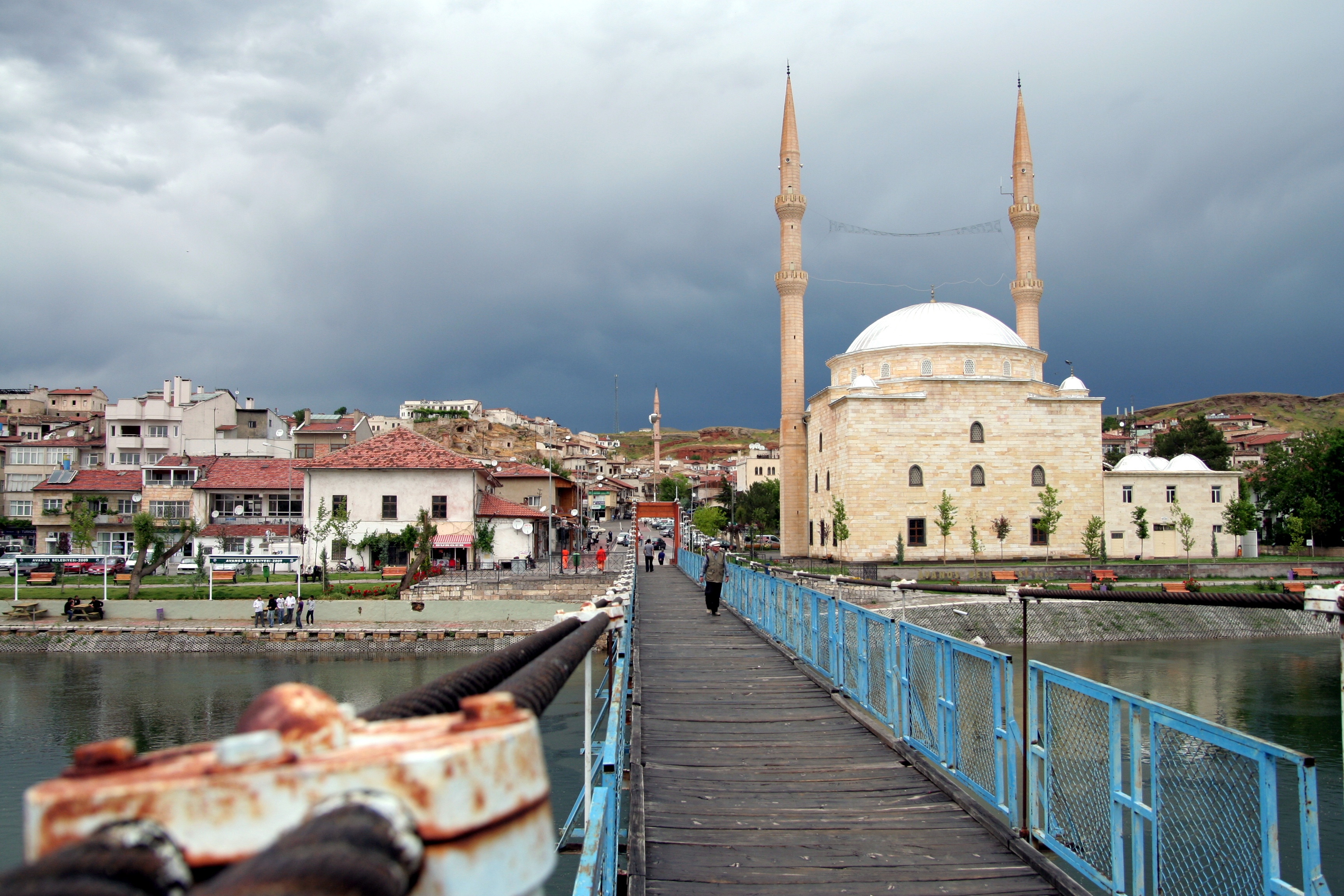 66
66 65
65 69
69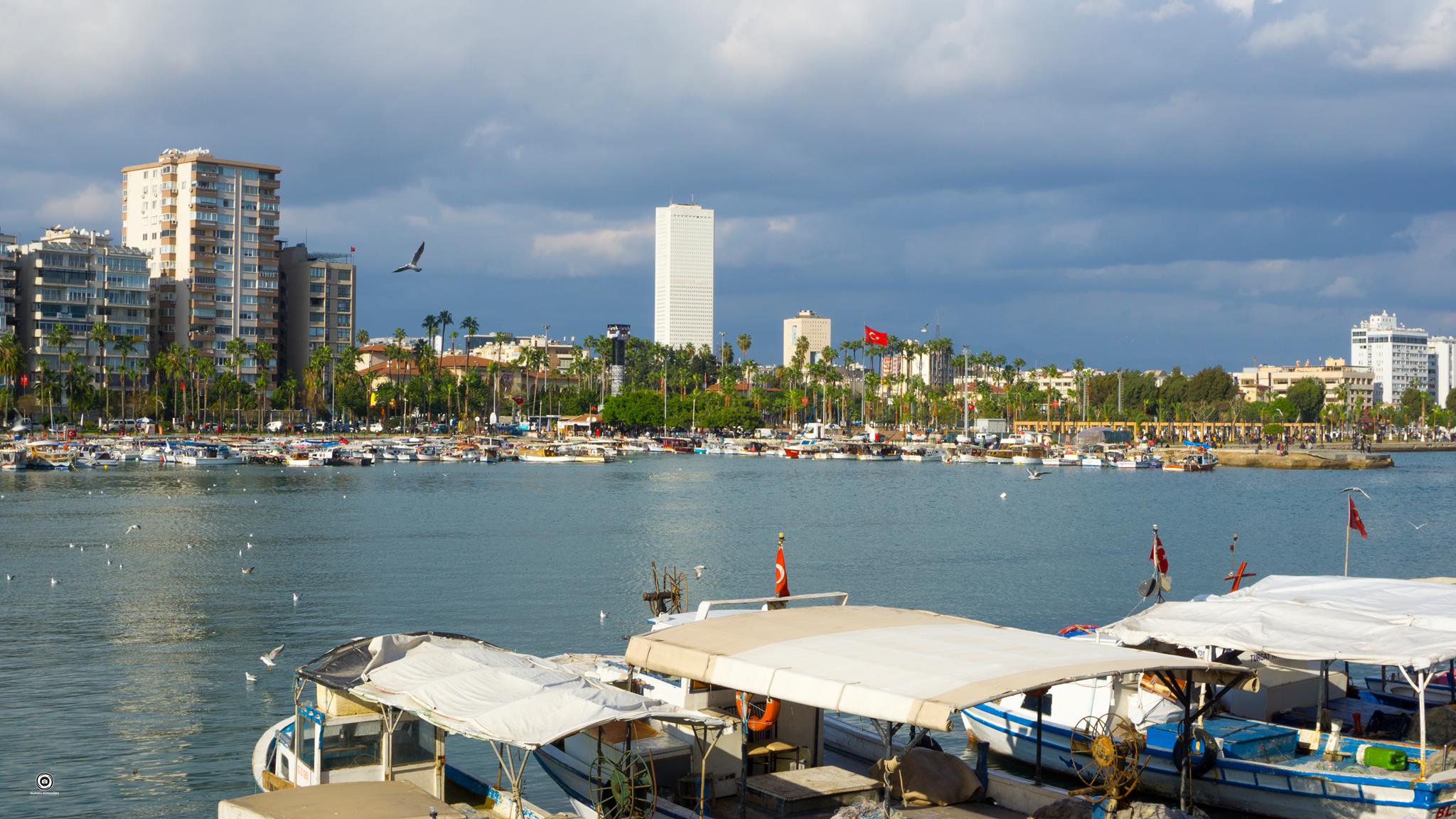 67
67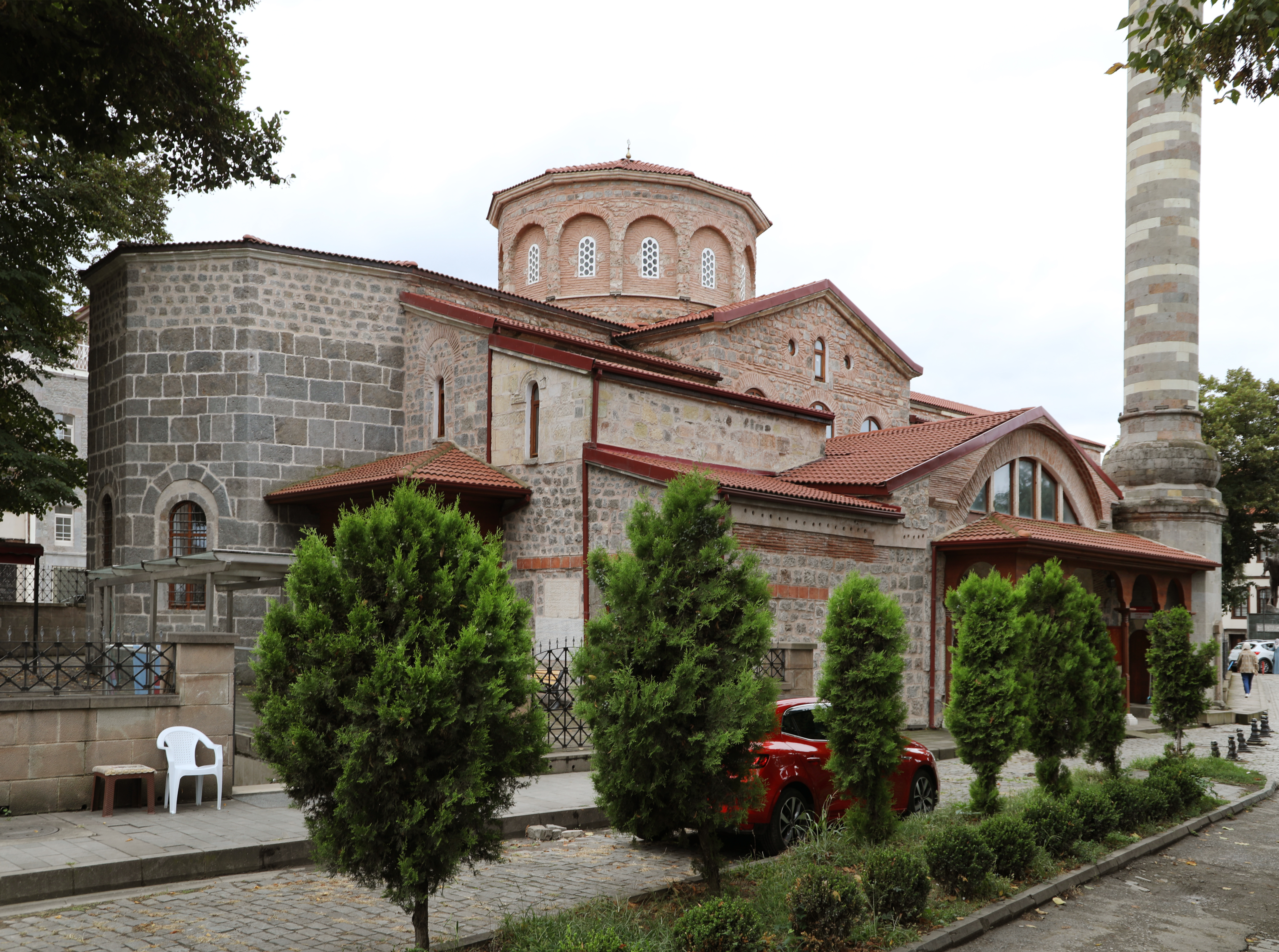 66
66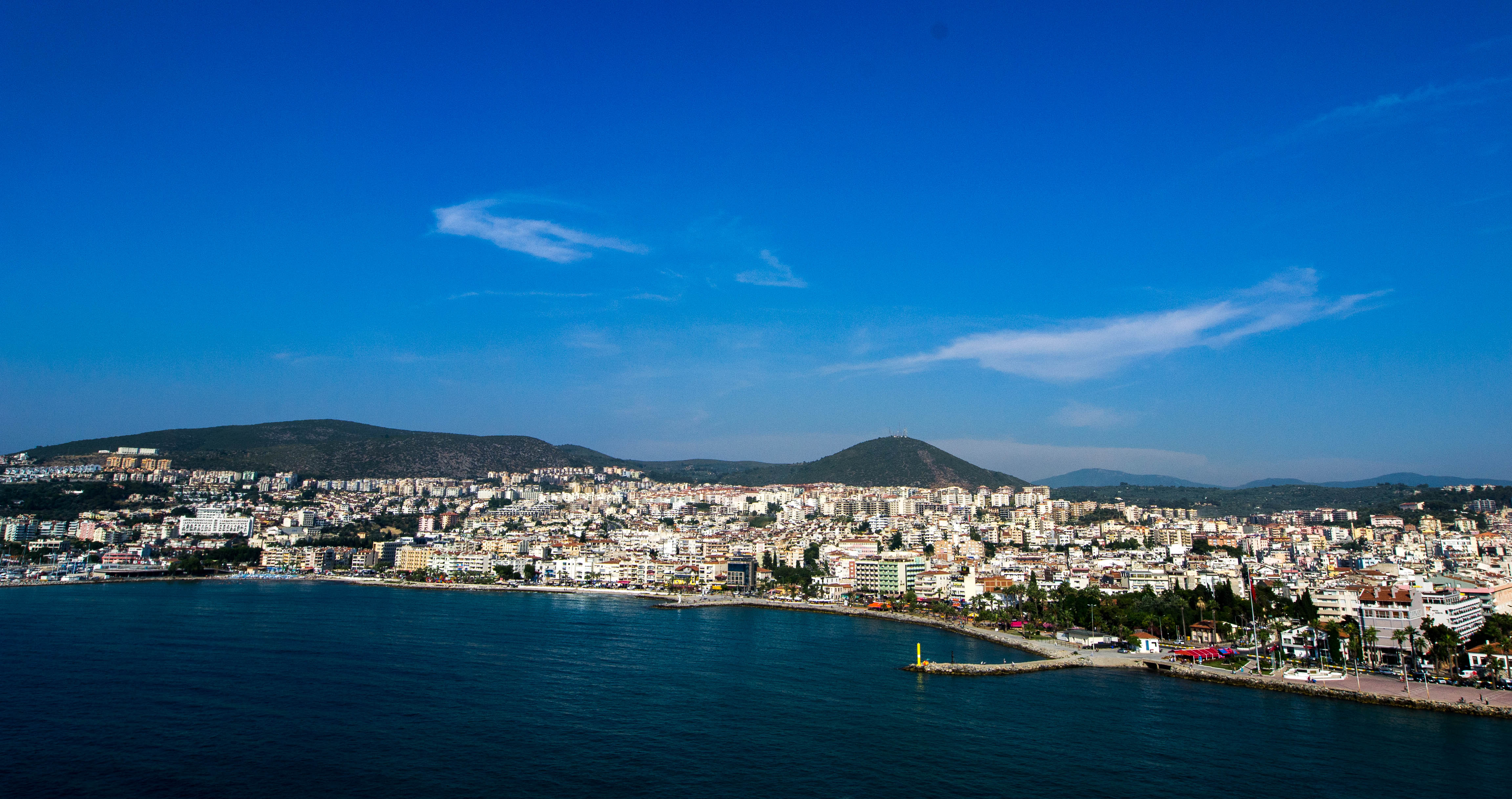 72
72The housing and accommodation requirement, and how people get it wrong
Turkey wants a real, verifiable address, and the acceptable proof runs a fairly narrow track: a notarized rental contract, a title deed in the applicant's name, or a notarized undertaking from a host along with the host's identification. A booking confirmation from a short-term rental platform does not satisfy this, no matter how many months you've paid for. Officers are checking that a legal tenancy or ownership relationship exists at the address you're claiming, and an Airbnb receipt doesn't establish one.
The more common failure isn't choosing the wrong document type, it's a mismatch between what the document says and what shows up elsewhere in the file. Landlords in the informal rental market sometimes prefer to under-list the rent on a notarized contract to reduce their own tax exposure, which is a normal local practice that creates a real problem for your application if the address, dates, or names on that contract don't line up exactly with what you enter into the e-İkamet system or what appears on your population registry document. Small inconsistencies, an apartment number left off, a landlord's name spelled differently on two documents, get read as red flags rather than typos.
Renting before you've confirmed you're actually going to stay is its own trap. Signing a twelve-month lease the week you land, before you've walked the neighborhood in daylight or figured out how far the nearest metro stop actually is, locks you into a commitment that's hard to unwind if the permit process or the city itself doesn't suit you. A short furnished rental for the first month, even an informal one, followed by a proper notarized lease once you've settled on a neighborhood, tends to produce a cleaner file and a better living situation than rushing the lease to satisfy a filing deadline.
What actually happens after you land
The process only starts once you're physically in Turkey on a tourist entry. There's no consulate step beforehand, no pre-approval to secure before booking a flight, which surprises people used to visa categories that get sorted out before departure. Once you're in, the application goes through the e-İkamet portal, followed by an in-person appointment at the Provincial Directorate of Migration Management for biometrics and document submission. No interview beyond that, and no medical exam.
Then comes the wait, twelve to sixteen weeks for processing. That's a meaningful fraction of the twelve-month permit you're eventually issued, and it means your first year in the country is effectively split between the appointment, an extended pending period, and only then the practical business of using the residence permit day to day. Plan cash flow, insurance renewal dates, and any travel outside Turkey with that window in mind rather than assuming the permit is functionally active from the day of your appointment.
Because local work isn't permitted on this category, the pending period isn't a chance to test out freelance clients locally or pick up local income. Whatever income supports your application needs to keep flowing from outside Turkey, unchanged, for the entire stretch you're waiting on a card. Health insurance covering the full residence period has to be in place before you apply and needs to stay valid through the wait, not just through the appointment date.
What the long-term path requires in practice versus on paper
On paper, the route to permanent settlement is eight years, and citizenship eligibility opens at five years of residence, a shorter runway than the long-term permit itself and a distinction that trips people up because it seems backwards at first glance. It isn't. Citizenship eligibility is tied to years spent lawfully resident, while the long-term residence permit is a separate status with its own accumulation period.
What the eight-year and five-year figures don't convey is how unforgiving continuous residence turns out to be in practice. This permit renews annually, and each renewal is its own checkpoint where the same income and accommodation questions get asked again. A missed renewal window, an extended stretch spent outside Turkey, or a gap between one permit expiring and the next being approved can interrupt the count in ways that aren't obvious until you're the one trying to explain a six-month gap to an officer years into the process. People treat the first approval as the finish line and then get looser about paperwork discipline in years two and three, right when consistency matters most for the long game. If permanent settlement or citizenship is actually the goal rather than a nice option to have, treat every renewal with the same seriousness as the original application, because that's effectively what the eight- and five-year clocks are built from.
The judgment call against the obvious alternative
The visa this gets compared to most often is one of the Western European income-based residence permits, and the honest answer is that Turkey wins on entry cost and loses on lifestyle assumptions that matter to a lot of applicants. The income bar here is dramatically lower than the European equivalents most remote workers and retirees are weighing against it, and there's no consulate pre-approval gauntlet to clear before you've even landed. That's a real advantage for someone who wants to test out a country without committing to a paperwork process from another continent first.
What Turkey doesn't offer is a work-eligible track sitting inside the same permit. If the plan involves eventually picking up local clients, joining a local company, or otherwise generating income inside the country, this category boxes that out entirely, and the European alternatives often have more flexible or faster-moving paths toward that kind of local integration. Turkey also asks for a longer continuous run before permanent status becomes real, and the tax residency questions that come with a full calendar year in-country deserve their own separate reckoning before signing a lease.
The decision usually comes down to what the applicant actually wants year three to look like. If it's a lower-cost base with a straightforward entry process and no ambition to work locally, Turkey is hard to beat on the numbers. If the medium-term plan includes local income or a faster shot at settled status, the European route, slower and pricier to start, is probably the more honest fit even though it asks for more upfront.
Work Permissions
Application Steps
- 1
📋 Research eligibility and gather basics
1-2 weeks
- 2
📄 Collect identity and financial documents
2-4 weeks
- 3
🏛️ Register address in Turkey
1-3 days
- 4
📬 Complete online application
1 day
- 5
📅 Book and attend appointment
1-2 weeks
- 6
⏳ Wait for processing and decision
12-16 weeks
- 7
🏛️ Collect residence permit card
Same day
This visa requires proof of health insurance. Compare international plans before you apply.
Compare health insuranceWe may earn a commission at no cost to you.
Frequently Asked Questions
Click any question to expand the answer.
Ready to Apply?
Work with trusted visa specialists who handle the paperwork so you can focus on your move.
Get help with this visa →* We may earn a commission if you apply through our link
At a Glance
Last verified: October 9, 2026