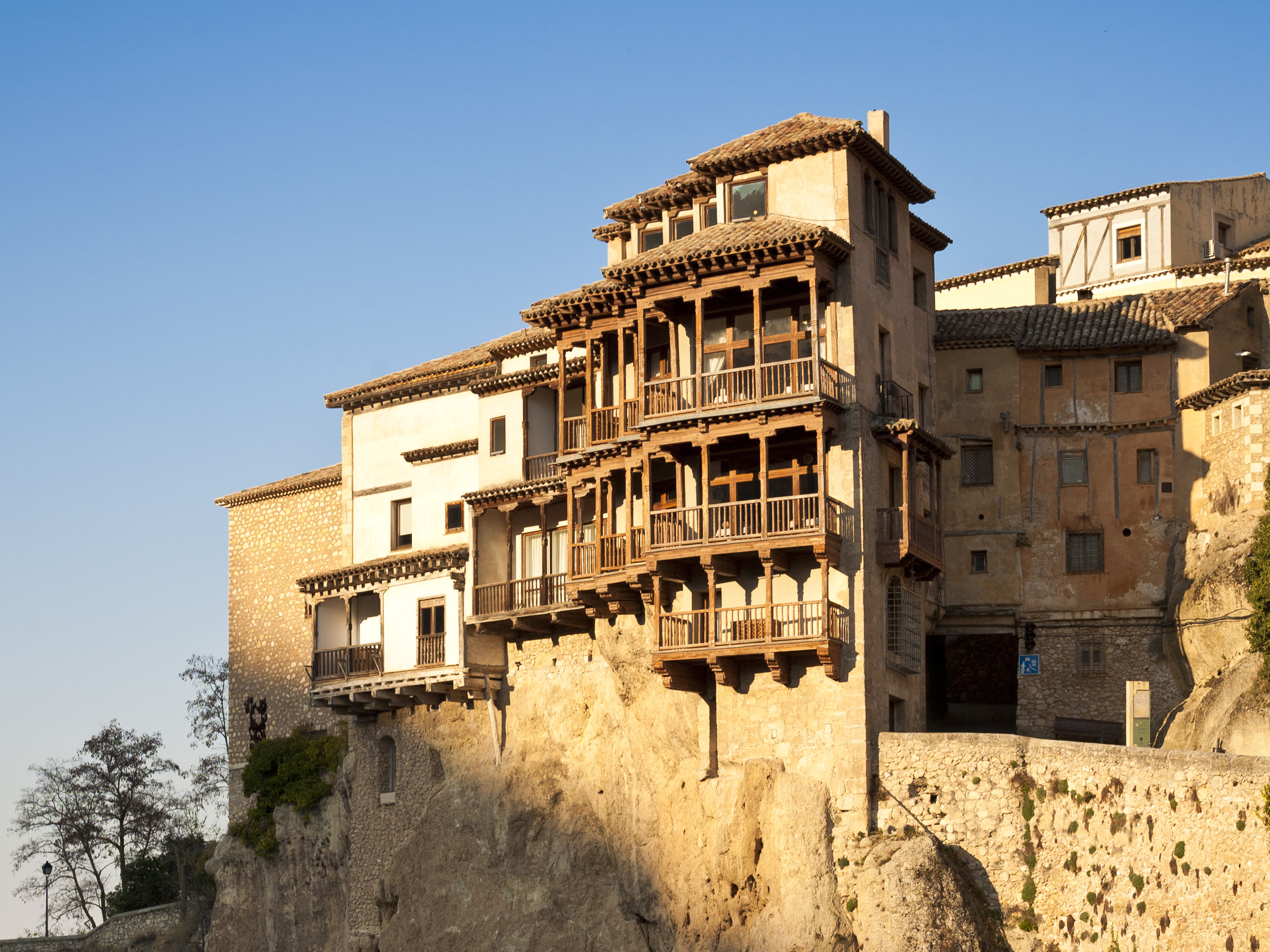
Tourism drives Cuenca's economy—specifically heritage tourism around the UNESCO old town and hanging houses. Artisanal crafts (ceramics, textiles, traditional workshops) sustain a secondary income stream rooted in centuries-old trades. Agriculture in surrounding Castilla-La Mancha (saffron, wine) feeds local food processing. Remote work and retirement income dominate the expat economy; actual local job creation is thin unless you're in hospitality, crafts, or education. Most working expats here aren't earning locally.
Rent runs $480/month for a one-bedroom city center—genuinely cheap by Spanish standards. Transport is solid: A-3 motorway to Madrid (160 km), regular trains and buses to Valencia and Madrid. Healthcare access is straightforward through Spain's public system; bureaucracy for residency is standard EU friction but manageable. Spanish language helps; English is limited outside tourism zones. Winter temperatures drop to 5°C; heating costs matter. Groceries and dining are affordable; utilities roughly €80–120/month.
Winters are cold and gray; summers warm (25°C) with spring/autumn rain. Food scene leans local and seasonal—saffron, wine, regional Castilian cooking—rather than cosmopolitan. The expat community is visible but modest; you'll find retirees and remote workers, not a sprawling digital nomad scene. Weekends mean hiking nearby gorges, visiting craft studios, or day-tripping to Madrid. This suits remote workers seeking low costs and cultural immersion, retirees wanting affordability and walkable heritage, and anyone allergic to tourist crowds—not party seekers or career climbers.
Estimate the cost of moving to Cuenca, Spain
Get a free moving cost estimate for moving to Cuenca, Spain. Takes 10 seconds.
How much are you shipping?
When are you moving?
Powered by Sirelo. Free quotes from international movers.
🏚️ Cost of Living
💰 Budgets and Costs
$957/mo, one person, rent included
Selected: budget lifestyle
Cuenca on a budget budget comes to about $957 a month for one adult, with $505 of that going to rent. Beyond rent the estimate covers $133 on groceries, $67.00 on dining out, $26.00 on entertainment and lifestyle, $196 on utilities and connectivity and $30.00 on transport.
Rent
$505/mo
1BR outside the centre
Groceries
$133/mo
75% of mid-range grocery spend
Dining out
$67.00/mo
4 inexpensive meals
Entertainment & lifestyle
$26.00/mo
1 cinema trip, 8 cappuccinos
Utilities & connectivity
$196/mo
utilities, mobile, internet
Transport
$30.00/mo
Monthly pass
Budgets (excl. rent)
Single person$452/mo
Excludes rent. The total above is all-in, rent included.
$1,158/mo, one person, rent included
Selected: mid-range lifestyle
Cuenca on a mid-range budget comes to about $1,158 a month for one adult, with $505 of that going to rent. Beyond rent the estimate covers $177 on groceries, $168 on dining out, $82.00 on entertainment and lifestyle, $196 on utilities and connectivity and $30.00 on transport.
Rent
$505/mo
1BR outside the centre
Groceries
$177/mo
Staples basket scaled to a full month
Dining out
$168/mo
10 inexpensive meals
Entertainment & lifestyle
$82.00/mo
gym, 2 cinema trips, 12 cappuccinos
Utilities & connectivity
$196/mo
utilities, mobile, internet
Transport
$30.00/mo
Monthly pass
Budgets (excl. rent)
Single person$653/mo
Excludes rent. The total above is all-in, rent included.
$1,500/mo, one person, rent included
Selected: comfortable lifestyle
Cuenca on a comfortable budget comes to about $1,500 a month for one adult, with $673 of that going to rent. Beyond rent the estimate covers $248 on groceries, $236 on dining out, $117 on entertainment and lifestyle, $196 on utilities and connectivity and $30.00 on transport.
Rent
$673/mo
1BR in the centre
Groceries
$248/mo
140% of mid-range grocery spend
Dining out
$236/mo
6 inexpensive meals + 6 mid-range meals
Entertainment & lifestyle
$117/mo
gym, 4 cinema trips, 20 cappuccinos
Utilities & connectivity
$196/mo
utilities, mobile, internet
Transport
$30.00/mo
Monthly pass
Budgets (excl. rent)
Single person$827/mo
Excludes rent. The total above is all-in, rent included.
Estimates for one adult, built from this city's average prices and the usage shown for each tier. Your spending will differ with how often you eat out and where you live.
A 1BR in the center runs about $672.85/mo. If your income is in another currency, bank FX fees add up. A multi-currency account can cut that cost.
Cuenca is genuinely safe for daily life. The compact historic center is walkable at all hours, and locals move freely after dark without visible tension. Expats report feeling secure running errands, dining out, and exploring neighborhoods alone. The city's small size and tight-knit community create natural surveillance; crime is rare enough that locals notice strangers. This isn't perceived safety—it's backed by low incident rates.
Petty theft (bag snatching, pickpocketing) occurs occasionally in tourist areas and crowded markets, but violent crime is extremely rare. Avoid displaying expensive jewelry or leaving valuables in parked cars. Solo female travelers face minimal harassment compared to larger Spanish cities. The main risk is complacency: treat Cuenca like any European city and use basic precautions. Scams targeting expats are uncommon here.
Spain's political environment is stable; Cuenca experiences no significant unrest or corruption issues affecting residents. Police are reliable and responsive. The city's aging population and economic stability create a conservative, predictable environment. For Americans considering relocation, Cuenca presents one of Spain's safest options—ideal if you prioritize security and community over nightlife or urban energy. The trade-off is a quieter, slower pace.
Cuenca experiences a moderate climate with significant variations in temperature between summer and winter, and generally good air quality given its high-altitude location and limited industrial activity.
💻 Digital Nomad
Avg Internet Speed
48 Mbps
Internet (monthly)
$21/mo
Coworking Availability
Moderate
Coworking Spaces Nearby
0
Digital Nomad Score
68/100
Community Notes
Quiet city with historic charm for focused remote work.
Located near the city center, Coworking Cuenca offers a modern and bright workspace with dedicated desks and meeting rooms. It's a good option for those seeking a professional environment with a local feel.
Espacio Atempo provides a collaborative environment with flexible coworking options. It's situated close to the historic center, making it easily accessible and ideal for digital nomads who want to explore the city during breaks.
Oficina Virtual Cuenca offers a range of services including coworking spaces and virtual office solutions. Located in a commercial area, it provides a convenient and professional setting for remote workers.
See how Cuenca's digital nomad life compares with Altea
🧳 Expat Life
English Proficiency
Common in Tourist Areas
Expat Community
Very Few
Top Neighborhoods
Centro area
Banks Nearby
22
ATMs Nearby
1
Expat Life Notes
A stunning hanging-houses city. popular for day-trips but has a very small foreign residential population.
Pros
✓ Magnificent beauty
✓ Safe and clean
✓ Safe atmosphere
Cons
✗ Isolated location
✗ Limited jobs
✗ Quiet socials
🏘️ Neighborhoods in Cuenca
Areas of Cuenca that expats often consider.
Conditions can change from one block to the next, and these descriptions are general guides, not safety assessments. Before choosing where to stay or live, check current travel advisories, talk to people who live there, and visit in person if you can.
El Centro
Historic heart, vibrant, bustling
The historic center is a UNESCO World Heritage site, filled with stunning architecture, plazas, and churches. Many expats and tourists reside here, making it easy to find English speakers. However, it can be noisy and crowded, especially during peak season, and prices tend to be higher.
San Blas
Bohemian, artistic, lively atmosphere
Located just outside El Centro, San Blas offers a more relaxed, bohemian vibe with art galleries, cafes, and workshops. It's popular with younger expats and digital nomads. The area is walkable, but some streets are steep, and it can be noisy at night due to the bars and restaurants.
Yanuncay
Residential, quiet, family-friendly
Located further from the city center, Yanuncay is a more residential area with a mix of houses and apartments. It's quieter and more affordable than El Centro, making it suitable for retirees or families seeking a more local experience. Spanish proficiency is helpful, as English is not widely spoken.
Las Herrerías
Traditional, local, budget-friendly
A more traditional neighborhood, Las Herrerías offers a glimpse into local Cuencan life. It's less touristy and more affordable than the central areas. While charming, it's further from amenities geared towards expats, and Spanish is essential for daily life.
Ciudadela Calderón
Modern, residential, convenient amenities
A more modern residential area with newer apartments and convenient access to shopping centers and supermarkets. It's a good option for those seeking a balance between local living and modern amenities. While some expats live here, it's less concentrated than El Centro.
Monay
Up-and-coming, developing, affordable
Monay is a developing area with increasing housing options and commercial activity. It's more affordable than central areas and offers a mix of local and modern amenities. While not as established for expats, it presents an opportunity for those seeking a less touristy experience.
El Vergel
Green spaces, quiet, residential
Known for its parks and green spaces, El Vergel offers a more tranquil residential environment. It's popular with families and retirees seeking a peaceful setting. While not as central, it's still relatively close to amenities and has a growing expat presence.
Page 1 of 2
Could living/working in Cuenca cut years off your work life?
With a 1-bedroom in the center at $673/mo, your FIRE number here might be much lower than you think.
Cuenca has a population of approximately 53,600 people.
A single person can expect to spend around $1,682 per month in Cuenca, including rent. A 1-bedroom apartment in the city center costs approximately $673/month.
The nearest airport to Cuenca is MAD, approximately 130km away.
Cuenca is considered relatively safe, with a safety index of 80.0. As with any city abroad, expats should research specific neighborhoods before committing to a location.
Cuenca has an average internet speed of 48 Mbps. It is considered a well-established digital nomad destination.
Yes. One-bedroom apartments in the city center rent for $480/month; larger places outside the old town run $350–400. Internet is reliable (20–50 Mbps standard) through providers like Movistar and Vodafone. Co-working spaces exist but are minimal; most remote workers operate from home or cafés. Expect occasional outages during winter storms.
Spain's Non-Lucrative Visa (€27,792/year income requirement) or Digital Nomad Visa (€2,300/month) are standard routes. Processing takes 4–8 weeks. You'll need a Spanish bank account, health insurance, and a rental contract. Bureaucracy is slow but predictable. EU citizens have freedom of movement. Non-EU citizens should budget time and possibly hire a gestoría (administrative agent) for €200–400.
Cuenca has a modest but established expat community—mostly retirees and remote workers, not a party scene. Facebook groups and local associations exist; you'll meet people through language exchanges and cultural events. It's quieter than Barcelona or Valencia. If you need constant social stimulation or nightlife, you'll feel isolated. If you want peace, affordability, and occasional connection, it works.
You can live comfortably in Cuenca on $1,500-$2,000 USD per month, including rent. Rent for a one-bedroom apartment in the city center ranges from €500-€700, while groceries and dining out are significantly cheaper than in the US. Of course, your lifestyle will impact your expenses.
The historic center (Casco Antiguo) is popular for its charm, but can be pricier and noisier. For a quieter, more local experience, consider areas like San Fernando or near the train station, which offer more affordable housing options.
Cuenca is generally very safe, with low crime rates compared to larger Spanish cities or the US. Petty theft can occur in crowded tourist areas, so be mindful of your belongings. There aren't really any specific areas to actively avoid.
Cuenca has a continental Mediterranean climate with hot, dry summers and cold winters. Expect temperatures to range from below freezing in winter to over 90°F (32°C) in summer. Spring and autumn offer pleasant, mild weather, making them ideal times to visit or live there.
Cuenca is a very walkable city, especially the historic center. There's also a reliable bus system that connects different parts of the city. For longer distances, you can use taxis or the high-speed train (AVE) to reach other major cities in Spain.
The most common visa for retirees is the non-lucrative visa, which requires proof of sufficient passive income or savings to support yourself without working in Spain. You'll need to demonstrate around €2,400 per month, plus additional funds for each dependent.
While not all doctors speak fluent English, you can find English-speaking medical professionals in Cuenca, especially at private clinics. Public healthcare is available to residents, and private health insurance is also an option. The quality of healthcare is generally very good.
You can use ATMs to withdraw cash, but be aware of potential fees from both your bank and the Spanish bank. Opening a local bank account can be helpful for daily transactions. Services like Wise (formerly TransferWise) are useful for international money transfers.
As a US citizen, you're still required to file US taxes even when living abroad. The Foreign Earned Income Exclusion (FEIE) allows you to exclude a certain amount of your foreign-earned income from US taxes. You may also need to file an FBAR if you have foreign bank accounts exceeding $10,000 in total.
Internet speeds in Cuenca are generally good, with fiber optic connections available in many areas. You can expect speeds of 50-300 Mbps, which is sufficient for most remote work tasks. Check internet availability when choosing accommodation.
While Cuenca is smaller than other Spanish cities, there are a few coworking spaces and numerous cafes with reliable Wi-Fi. Check out local listings for the most up-to-date options. Many cafes offer a relaxed atmosphere for working.
While some locals speak English, especially in tourist areas, knowing some Spanish will greatly enhance your experience. Basic conversational Spanish will help you with daily tasks like shopping, ordering food, and interacting with locals. Consider taking a language course before or after you arrive.
Yes, retiring early in Cuenca on $2,000 USD per month is definitely feasible, especially if you own your accommodation or rent is low. You'll need to budget carefully, but the lower cost of living compared to the US makes it a viable option for FIRE (Financial Independence, Retire Early) enthusiasts.
Cuenca offers a relaxed and slower pace of life compared to larger cities. People take their time, enjoy meals, and prioritize social connections. This can be a welcome change for those seeking a less stressful environment.
Real estate in Cuenca can be relatively affordable compared to other parts of Spain, offering potential investment opportunities. However, it's essential to research the market thoroughly and consult with a local real estate agent before making any decisions. The rental market can also provide passive income.
Cost-of-living and visa updates for Cuenca and the rest of Spain. Free with RA Postcards.
By submitting your email address, you will receive a free subscription to RA Postcards and special offers from Rewire Abroad and our affiliates. You can unsubscribe at any time, and we encourage you to read more about our Privacy Policy.