Move or Retire in Ecuador: Andes Mountains & Pacific Coast Living

The barista at Zion's coffee shop in Cuenca hands over my cortado with a knowing smile – it's the same order I've been getting for three months, and at $1.50, it costs less than half of what I'd pay back in Denver. Outside the window, snow-capped Andean peaks frame colonial architecture that's older than my home country, while retirees from Minnesota chat with digital nomads from Berlin about the best local hiking trails. This is Ecuador – where your Social Security check becomes a luxury budget, your morning commute might involve dodging llamas, and the phrase "geographic arbitrage" transforms from financial jargon into your daily reality 🏔️
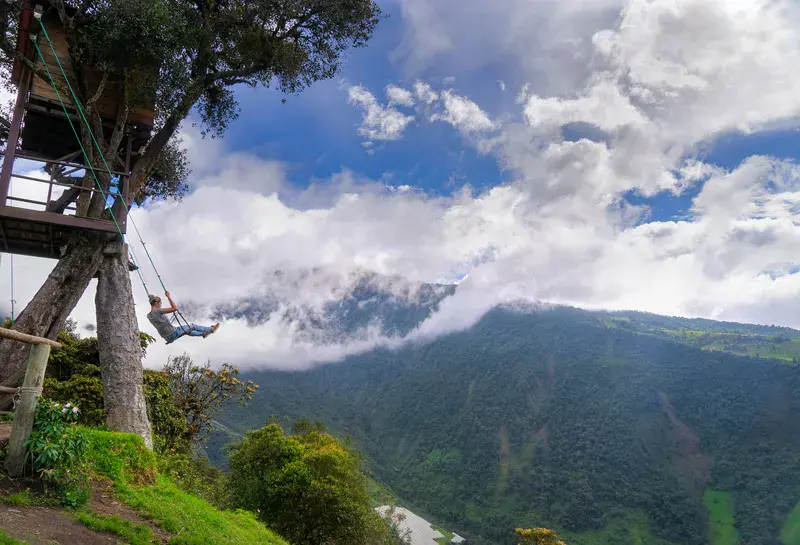
Whether you're dreaming of stretching your retirement dollars further, seeking adventure in your golden years, or planning to work remotely from one of the world's most biodiverse countries, Ecuador offers a compelling combination of affordability, natural beauty, and expat-friendly policies that have made it a top destination for Americans looking to reinvent their lives abroad.
Why Ecuador Is Perfect for Retirement and Remote Living
Ecuador consistently ranks among the world's top retirement destinations, and the numbers tell the story. The cost of living sits about 60% below the US average – a retired couple in Cuenca often covers housing, food, and private healthcare for roughly $1,500 a month. But Ecuador's appeal extends far beyond just affordability.
The country's unique geographic position offers everything from Andean mountain cities to Pacific coastal towns, Amazon rainforest communities, and even the famous Galápagos Islands. This diversity means you can tailor your lifestyle to your preferences – whether that's enjoying eternal spring weather in Quito, beachfront living in Salinas, or the cultural richness of colonial Cuenca.
Ecuador at a Glance
For digital nomads and remote workers, Ecuador's digital nomad visa allows remote workers to live in the country for up to two years. With a low cost of living and a high-quality lifestyle, digital nomads have been exploring Ecuador for years.
The country uses the US dollar as its official currency, eliminating exchange rate worries and making financial planning straightforward for Americans. Combined with a growing expat community, excellent healthcare system, and year-round temperate climate in highland cities, Ecuador presents an attractive alternative to more expensive retirement havens like Portugal or even neighboring countries with higher costs of living.
Living Costs & Financial Considerations for All Lifestyles
Understanding Ecuador's cost structure is crucial whether you're planning traditional retirement, early retirement, or remote work living. The financial requirements vary significantly based on your lifestyle preferences and location within the country.
Many couples who've successfully achieved FIRE abroad through geographic arbitrage point to Ecuador as a game-changer for their timeline – some shaving off 8+ years from their traditional retirement plans simply through strategic relocation.
Lifestyle Category | Monthly Budget | Housing | Food & Dining | Healthcare | Entertainment |
|---|---|---|---|---|---|
Budget Living | $1,100-$1,400 | $300-$500 | $200-$300 | $50-$100 | $100-$200 |
Comfortable Living | $1,800-$2,500 | $600-$900 | $400-$600 | $150-$250 | $300-$400 |
Luxury Living | $3,000-$4,500 | $1,200-$2,000 | $600-$800 | $300-$500 | $500-$700 |
Regional Cost Variations
Cuenca (Population: 500,000): The most popular expat destination, the estimated annual cost for a retired couple to live in the Ecuadorian city of Cuenca is about $20,400 per year; for a single person the estimated annual cost is about $17,280. This UNESCO World Heritage city offers the best balance of amenities, culture, and affordability.
Quito (Capital): About 15-20% more expensive than Cuenca but offers more job opportunities for those still working and better international amenities.
Coastal Areas (Manta, Salinas): Generally 10-30% cheaper than highland cities, but with higher humidity and different lifestyle offerings.
Smaller Towns: Rural and smaller communities can reduce living costs by another 30-40%, perfect for those seeking maximum geographic arbitrage benefits.
Hidden Costs to Consider
Beyond basic living expenses, budget for:
- Visa and legal fees: $450-$1,500 depending on visa type and legal assistance
- International health insurance: $45-$200+ monthly depending on coverage
- Home country tax obligations: US citizens still need to file taxes regardless of residence
- Travel costs: Flights to visit family or explore the region
- Property taxes: Generally very low but vary by location and property value
For Americans retiring abroad, understanding tax implications is crucial for proper financial planning. Ecuador's dollarized economy and tax treaties with the US can actually work in your favor compared to other destinations.

Visa Options for Retirement and Remote Work
Ecuador offers several visa pathways that cater to different situations, from traditional retirees to digital nomads and early retirement seekers.
Retirement Visa (Jubilado/Pensionado)
The most popular option for traditional retirees, to qualify for the Jubilado visa, retirees must prove an income of at least three times the Ecuadorian minimum wage, which amounts to about $1,380 per month. However, recent sources suggest the requirement may be as low as $800 a month in retirement income, plus $100 extra for every dependent you have.
Key Requirements:
- Proof of guaranteed monthly income ($800-$1,380+ depending on source)
- Clean criminal background check
- Health insurance coverage
- Valid for two years, the Retirement Visa can be renewed multiple times for all visa types—no restrictions or time limits for traveling in and out of Ecuador.
Digital Nomad Visa (Rentista for Remote Work)
Perfect for remote workers and digital entrepreneurs, Ecuador has a digital nomad visa that allows nomads employed or who own a business in another country to work remotely in Ecuador for up to two years, which can then be renewed.
Requirements:
- The minimum monthly salary requirement is $1,425, based on three times the Ecuadorian base salary of $475.
- Proof of remote employment or business ownership outside Ecuador
- The Digital Nomad visa costs $400, with a $50 application fee.
- Health insurance coverage
Investment Visa
For those with capital to invest, Ecuador offers residency through real estate or business investment, typically requiring $40,000+ in qualifying investments.
Temporary Visa Options
- Tourist Visa: 90 days per year without visa requirements
- Cultural Exchange: For those engaging in volunteer or cultural work
- Student Visa: For those pursuing education while transitioning to long-term residency
Healthcare for Retirees and Expats
Ecuador's healthcare system represents one of the country's strongest attractions for retirees and long-term residents. The combination of quality care, affordable costs, and accessibility makes it particularly appealing for those concerned about healthcare expenses in retirement.
Public Healthcare System (IESS)
Ecuador's social security system provides comprehensive healthcare coverage. As a legal resident, you can join IESS for approximately $70-$100 monthly (based on your declared income), providing access to:
- Primary and specialist care
- Prescription medications
- Emergency services
- Dental and vision care
- Hospitalization
Private Healthcare
Many expats opt for private healthcare, which offers:
- Costs: Doctor visits typically range from $20-$50
- Specialists: $40-$80 per consultation
- Dental care: Cleanings $25-$40, major procedures 60-80% less than US costs
- Prescription drugs: Generally available at 1/3 to 1/2 US prices
Medical Tourism Benefits
Ecuador has become a medical tourism destination, with modern facilities in major cities offering:
- Cosmetic procedures at significant savings
- Dental work and implants
- Routine surgeries and procedures
- Specialized treatments in cardiology, oncology, and orthopedics
Health Insurance Considerations
International Plans: $45-$200+ monthly for comprehensive coverage including evacuation benefits
Local Plans: $20-$60 monthly for basic coverage with local providers
Hybrid Approach: Many expats combine IESS coverage with a supplemental international policy for optimal flexibility.
When comparing healthcare abroad vs. the US, Ecuador consistently ranks well for both quality and affordability. For those considering FIRE and early retirement, Ecuador's healthcare system can provide the bridge coverage needed before traditional Medicare eligibility.
Lifestyle & Cultural Experience
Ecuador offers a rich tapestry of experiences that cater to diverse lifestyle preferences, from urban sophistication to rural tranquility, mountain adventures to coastal relaxation.
Cultural Integration
Language Considerations: While Spanish is essential for deep integration, many services in expat-heavy areas accommodate English speakers. Language exchange programs and Spanish schools are abundant and affordable ($8-$15 per hour for private lessons).
Local Customs: Ecuadorians are generally welcoming to foreigners, with a relaxed approach to time and strong family values. Understanding concepts like "mañana time" and participating in local festivals enhances integration.
Religious Influences: Ecuador is predominantly Catholic, which influences holidays, social customs, and business schedules. Many expats find the slower pace of life refreshing after high-stress careers.
Climate & Geography
Highland Cities (Quito, Cuenca): Eternal spring climate with temperatures ranging from 50-75°F year-round. No heating or cooling costs needed.
Coastal Regions: Tropical climate with wet and dry seasons. Higher humidity but warmer temperatures and beach access.
Amazon Region: Hot, humid, and incredibly biodiverse. Best suited for adventure seekers and nature lovers.
Galápagos Islands: Unique ecosystem with year-round temperatures in the 70s-80s, but limited residential options and higher costs.
Recreational Opportunities
- Adventure Sports: World-class hiking, mountaineering, surfing, and white-water rafting
- Cultural Activities: Museums, colonial architecture tours, indigenous markets, and festivals
- Nature Experiences: Birdwatching, wildlife photography, volcano tours, and Amazon expeditions
- Social Activities: Strong expat communities organize regular meetups, cultural exchanges, and travel groups
Housing Options for Different Budgets
Ecuador's housing market offers excellent value across all price ranges, from budget rentals to luxury properties with stunning views.
Rental Market
Budget Options ($200-$500/month):
- Small apartments in secondary cities
- Shared housing in expat communities
- Rural properties with basic amenities
- Perfect for those maximizing geographic arbitrage
Comfortable Range ($500-$1,000/month):
- 2-3 bedroom apartments in major cities
- Colonial homes in historic districts
- Modern condos with amenities
- Houses with gardens and mountain views
Luxury Options ($1,000-$2,500+/month):
- Penthouse apartments with panoramic views
- Restored colonial mansions
- Gated community homes with security
- Beachfront properties on the coast
Property Purchase
Ownership Rights: Foreigners can own property with the same rights as citizens, except for border and coastal areas where restrictions may apply.
Price Ranges:
- Budget homes: $30,000-$60,000 in smaller towns
- Mid-range properties: $60,000-$150,000 in major cities
- Luxury properties: $150,000-$500,000+ for premium locations
Due Diligence: Always work with reputable lawyers and real estate agents. Property titles should be thoroughly researched, and all taxes must be current.
Neighborhood Recommendations
Cuenca:
- El Centro: Historic charm, walkable, $400-$800 rentals
- El Batán: Modern, expat-friendly, $600-$1,200 rentals
- Totoracocha: Upscale, views, $800-$1,500 rentals
Quito:
- La Mariscal: Tourist area, nightlife, $500-$1,000 rentals
- La Carolina: Business district, modern, $700-$1,300 rentals
- Cumbayá: Suburban, family-friendly, $600-$1,200 rentals

Expat Communities & Social Life
One of Ecuador's strongest advantages for newcomers is its well-established, welcoming expat community that provides both practical support and social connections.
Major Expat Hubs
Cuenca: Home to an estimated 5,000-8,000 American expats, this UNESCO World Heritage city offers:
- Multiple English-language meetup groups
- Expat-oriented businesses and services
- Regular cultural events and social gatherings
- Active Facebook groups for newcomers (Cuenca Expats, Gringo Post)
Quito: The capital attracts a younger, more diverse expat population including:
- Digital nomads and remote workers
- Embassy employees and international NGO staff
- Business professionals and entrepreneurs
- Academic researchers and educators
Coastal Communities: Smaller but tight-knit expat groups in:
- Salinas: Beach-focused retirees and vacation home owners
- Manta: Growing community of early retirees and remote workers
- Montañita: Younger crowd of surfers and digital nomads
Social Activities & Organizations
Formal Organizations:
- Cuenca Expat Community: Weekly meetups, newcomer orientations
- International Women's Club: Social events, charity work, cultural exchange
- Rotary and Lions Club chapters: Community service and networking
- Various hobby groups: hiking, photography, book clubs, bridge
Informal Networks:
- WhatsApp groups for neighborhood connections
- Facebook communities for advice and recommendations
- Regular restaurant and bar meetups
- Group trips and excursions
Integration Tips
Language Exchange: Partner with local Spanish speakers learning English – benefits both parties while building friendships.
Volunteer Opportunities: Animal shelters, orphanages, and environmental projects welcome expat volunteers.
Local Festivals: Participating in community celebrations like Inti Raymi or Carnival helps build local connections.
Business Networking: Join local chambers of commerce or professional associations if you plan to work or start a business.
Working and Business Opportunities
Ecuador offers various opportunities for those who want to continue working, whether in retirement, as digital nomads, or as entrepreneurs starting new ventures.
Remote Work Considerations
Internet Infrastructure: Major cities offer reliable internet with speeds of 10-50 Mbps, adequate for most remote work needs. Coworking spaces are becoming more common in Quito and Cuenca.
Time Zone Advantages: Ecuador operates on Eastern Standard Time year-round (no daylight saving), making it ideal for working with US East Coast companies.
Tax Implications: To apply for Ecuador's digital nomad visa, you have to work remotely for a company outside Ecuador, as a freelancer, or as owner of a company registered and operating outside Ecuador. This structure helps minimize Ecuadorian tax obligations while maintaining US tax compliance. However, be aware of potential digital nomad tax traps that could affect your long-term financial planning.
Local Employment
English Teaching: Always in demand, pays $8-$15 per hour for private lessons, $500-$1,000 monthly for school positions.
Tourism Industry: Growing sector with opportunities in tour guiding, hospitality, and adventure tourism.
Consulting Services: Expats often provide consulting in their professional fields to local businesses.
Entrepreneurship
Business Registration: Straightforward process for foreigners, with many businesses operating as sole proprietorships or small corporations.
Popular Ventures:
- Restaurants and cafes catering to expat tastes
- Real estate services for incoming expats
- Import/export businesses
- Tourism and adventure services
- Online businesses serving international markets
Challenges:
- Bureaucratic processes can be slow
- Local business customs differ from North American norms
- Spanish proficiency essential for most local business dealings

Tools & Resources for Ecuador Planning
Before making any major decisions about retiring or moving to Ecuador, these specialized tools can help you evaluate your options and plan effectively:
Planning & Analysis Tools
Find Your Perfect Destination: Use our Country Search Tool to see how Ecuador compares to other retirement and remote work destinations based on your specific priorities like climate, cost of living, healthcare quality, and visa requirements.
Calculate Your Timeline: Our FIRE Calculator helps optimize your retirement savings and timeline for international living, showing exactly how Ecuador's lower costs could accelerate your retirement plans.
Beat Procrastination: The FIRE Procrastination Calculator reveals the real cost of delaying your Ecuador move – every month you wait could be costing you thousands in potential savings. This aligns with research showing that small financial decisions like delaying geographic arbitrage can have massive long-term impacts.
Geographic Arbitrage Analysis: Our Geo-Arbitrage Savings Calculator quantifies exactly how much you could save by moving to Ecuador, accounting for different lifestyle levels and spending patterns.
Research & Assessment Tools
Comprehensive Country Information: Browse our Country Directory for detailed comparisons of Ecuador with other popular expat destinations, including side-by-side visa, healthcare, and cost analyses.
Understand Visa Requirements: Explore Visa Pathways to understand Ecuador's specific retirement and digital nomad visa requirements, processing times, and renewal procedures.
Evaluate Your Readiness: Take our Expat Readiness Quiz to identify areas where you should focus preparation before making the move to Ecuador.
Financial Protection Tools
Portfolio Strategy: Our Dividend Portfolio Shield helps design an investment strategy that provides steady income while living abroad, accounting for currency considerations and international tax implications.
Additional Ecuador Resources
Government Sources:
- Ecuador Ministry of Foreign Affairs: Official visa information
- Ecuador Tourism Board: Cultural and tourism information
- IESS (Social Security): Healthcare enrollment information
Expat Communities:
- CuencaHighlife.com: Local news and expat information
- Facebook Groups: Cuenca Expats, Ecuador Expats, Gringo Post
- ExpatExchange.com: Ecuador-specific forums and advice
Legal and Professional Services:
- Local immigration attorneys for visa assistance
- International tax advisors familiar with US-Ecuador tax treaties
- Real estate agents specializing in expat transactions

Real Experiences & Case Studies
Understanding how different people have successfully made the transition to Ecuador can provide valuable insights for your own planning.
Traditional Retirement Success Story
Meet Sage and River (names changed), both 67, former teachers from Ohio who retired to Cuenca in 2019. Their combined Social Security benefits of $2,800 monthly provide a comfortable lifestyle that would have been impossible in the US.
"Back in Cleveland, our housing costs alone were eating up $1,400 of our Social Security," explains Sage. "Here in Cuenca, we rent a beautiful colonial home with a courtyard for $650, have full-time domestic help for $200 monthly, and still save money every month. We're living better than we ever imagined possible in retirement."
Their monthly budget breakdown:
- Housing: $650
- Food and dining: $500
- Healthcare (IESS + private insurance): $180
- Utilities and internet: $85
- Transportation: $100
- Entertainment and travel: $400
- Total: $1,915, leaving $885 monthly for savings and unexpected expenses
Digital Nomad Perspective
Phoenix (26), a UX designer from Portland, chose Ecuador for its combination of affordability, adventure opportunities, and reliable internet. Working remotely for a Seattle tech company while living in Quito, they've managed to save 60% of their income while dramatically improving their quality of life.
"My Seattle studio apartment cost $2,400 monthly. In Quito, I have a two-bedroom apartment with mountain views for $600. I'm saving more money than ever while hiking volcanoes on weekends and learning Spanish. The only challenge is explaining to my Seattle friends why I don't want to move back," Phoenix shares.
Their experience highlights key considerations for remote workers:
- Time zone alignment with US companies
- Reliable internet infrastructure
- Access to international amenities
- Adventure and cultural opportunities
- Significant cost savings potential
Early Retirement Journey
Dakota and Alex (both 45), former corporate executives who used Ecuador's low costs to accelerate their FIRE (Financial Independence, Retire Early) timeline by nearly a decade. They moved to Cuenca with $400,000 in savings and are now financially independent.
"We were on track to retire at 65 with $1.2 million saved. By moving to Ecuador, we realized we only needed $400,000 to maintain the same quality of life. Ecuador didn't just change where we live – it gave us 20 extra years of freedom," explains Dakota.
Their success story mirrors many couples who achieved FIRE abroad, demonstrating how geographic arbitrage can dramatically accelerate financial independence timelines.
Their strategy involved:
- Renting initially to test different neighborhoods
- Learning Spanish through immersion
- Building local friendships and professional networks
- Maintaining US investment accounts and tax compliance
- Creating multiple income streams through consulting

Challenges and Solutions
Common Adjustment Challenges:
- Language Barrier: Most successful expats invest seriously in Spanish learning
- Bureaucracy: Working with local lawyers and accountants smooths official processes
- Cultural Differences: Joining expat communities provides support during adjustment periods
- Healthcare Navigation: Starting with private insurance while learning IESS system
- Homesickness: Regular communication with family and annual visits help maintain connections
Success Factors:
- Realistic expectations about challenges and timeline for adjustment
- Financial cushion beyond minimum visa requirements
- Willingness to learn Spanish and engage with local culture
- Strong research and planning before the move
- Flexibility and patience during the transition period
Pros and Cons for Different Lifestyles
Understanding Ecuador's advantages and limitations helps set realistic expectations and determine if it's the right fit for your specific situation.
Ecuador is frequently mentioned among the best countries to retire early due to its combination of affordability and quality of life. For those pursuing FIRE in their 40s, Ecuador offers an ideal testing ground for international living.
Planning Your Move to Ecuador: Action Steps
Successfully transitioning to life in Ecuador requires careful planning and execution across multiple areas. Here's a comprehensive timeline and checklist to guide your journey.
12-18 Months Before Moving
Financial Preparation:
- Calculate total moving costs including visa fees, shipping, and setup expenses
- Ensure steady income stream meets visa requirements with 6-month buffer
- Research international banking options and notify current banks of plans
- Consult tax advisor about international tax obligations and strategies
- Consider international health insurance options and coverage gaps
Many Americans face banking blacklist issues when moving abroad, so establishing international banking relationships early is crucial for a smooth transition.
Research and Planning:
- Use planning tools to compare Ecuador with other destinations
- Join Ecuador expat Facebook groups and online communities
- Subscribe to Ecuador-focused newsletters and blogs
- Research neighborhoods and cities through virtual tours and expat testimonials
- Begin Spanish language learning through apps, classes, or tutors
Legal and Documentation:
- Ensure passport validity extends beyond planned stay
- Research apostille requirements for important documents
- Gather financial and background check documentation
- Consult immigration attorney about visa strategy
- Review estate planning and power of attorney needs
6-12 Months Before Moving
Practical Preparation:
- Plan reconnaissance trip to Ecuador to visit potential neighborhoods
- Research shipping companies for household goods if bringing belongings
- Investigate pet import requirements if traveling with animals
- Open international bank accounts and establish banking relationships
- Research rental markets and connect with real estate agents
Healthcare Transitions:
- Schedule comprehensive medical and dental checkups
- Obtain copies of medical records and prescription information
- Research international health insurance options
- Plan transition strategy for ongoing medical needs
- Consider medical tourism opportunities for routine procedures
Understanding the transition from US healthcare to international options is crucial – our guide on Medicare vs. international health insurance can help you navigate this complex decision.
Ready to Rewire your Life?
Sign up to receive updates and insights.
By submitting your email address, you will receive a free subscription to RA Postcards and special offers from Rewire Abroad and our affiliates. You can unsubscribe at any time, and we encourage you to read more about our Privacy Policy.
Professional Considerations:
- Formalize remote work arrangements if continuing current employment
- Research local business registration if planning entrepreneurial ventures
- Update professional networks about relocation plans
- Plan strategy for maintaining US-based professional relationships
- Consider consulting opportunities in areas of expertise
3-6 Months Before Moving
Visa Application Process:
- Submit visa application with all required documentation
- Complete background checks and medical examinations
- Prepare for potential interview or additional documentation requests
- Plan timeline accounting for processing delays
- Arrange temporary housing for initial arrival period
Practical Arrangements:
- Arrange temporary housing for first 1-3 months
- Research schools if moving with children
- Plan initial banking and account setup upon arrival
- Research cell phone and internet providers
- Create contact list of essential services and English-speaking professionals
Cultural Preparation:
- Intensify Spanish language learning with conversation practice
- Research local customs, holidays, and cultural norms
- Connect with expat mentors willing to provide arrival guidance
- Plan cultural integration activities and local experiences
- Research volunteer opportunities and community involvement options
Final 3 Months
Logistics Finalization:
- Confirm housing arrangements and lease terms
- Finalize shipping arrangements for belongings
- Plan arrival logistics including airport pickup and first-week schedule
- Confirm banking arrangements and initial account funding
- Plan first month's activities and essential errands
US Affairs Management:
- Establish mail forwarding and virtual mailbox services
- Arrange tax preparation services familiar with expat situations
- Set up investment account management for international access
- Plan communication schedule with family and friends
- Prepare emergency contact information and support networks
First Month in Ecuador
Essential Setup Tasks:
- Open local bank accounts and establish banking relationships
- Register for healthcare services (IESS enrollment or private insurance)
- Obtain cedula (national ID) once residency is approved
- Set up utilities, internet, and cellular service
- Register with US embassy or consulate
Community Integration:
- Attend expat community meetups and orientation sessions
- Join local gym, hobby groups, or volunteer organizations
- Explore neighborhood amenities and establish local routines
- Connect with Spanish language exchange partners
- Plan cultural activities and local exploration
Administrative Follow-up:
- Complete any additional visa requirements or check-ins
- Register for tax obligations if planning to work locally
- Set up ongoing financial management and reporting systems
- Plan first trip back to US if needed for any loose ends
- Evaluate adjustment progress and identify areas needing attention

Your Next Steps to Move or Retire in Ecuador
Ecuador represents an exceptional opportunity for Americans seeking to maximize their retirement dollars, embrace adventure in their golden years, or create a location-independent lifestyle that emphasizes quality over quantity. With its combination of year-round spring weather, world-class healthcare, welcoming expat communities, and geographic diversity that includes everything from Andean peaks to Pacific beaches, Ecuador offers a compelling alternative to traditional retirement destinations.
The country's use of the US dollar eliminates currency concerns, while visa options cater to traditional retirees, early retirement seekers, and digital nomads alike. Whether you're drawn by the colonial charm of Cuenca, the cosmopolitan energy of Quito, or the beachfront tranquility of coastal communities, Ecuador provides the infrastructure and support systems necessary for a successful transition to international living.
Your immediate action plan should include:
- Assess your readiness using the tools provided above to understand your financial timeline and preparation needs
- Connect with the expat community through online groups and forums to learn from others' experiences
- Plan a reconnaissance trip to experience different regions and neighborhoods firsthand
- Begin Spanish language learning to maximize your integration and opportunities
- Consult professional advisors familiar with international tax and legal requirements
Ecuador isn't just a place to retire – it's an opportunity to redesign your life around your values, whether that means stretching your savings further, embracing new adventures, or building the location-independent lifestyle you've always dreamed of. The question isn't whether Ecuador could work for you, but whether you're ready to take the first step toward making it happen 🌎
Ready to dive deeper into Ecuador as your next chapter? Join thousands of others who have discovered that sometimes the best retirement plan is the one that doesn't look like retirement at all.
Adonis Villanueva
Adonis Villanueva has visited over 56 countries and built Rewire Abroad to solve the problem he kept running into: most expat resources either cater to the already-wealthy or rely on outdated data that doesn't reflect what international living actually costs. Driven by the FIRE movement and a belief that geographic freedom shouldn't require a fortune, he combines firsthand experience with verified meteorological data, live infrastructure benchmarks, and expat-weighted cost-of-living models to give readers the honest numbers behind the dream.
Rewire Abroad
Living in Georgia (Country) in 2026: The Complete Expat Guide
Live in Georgia (the country) from $600/mo: 365-day visa-free stay, 1% income tax, and expat life in Tbilisi. Complete 2026 guide.
Vietnam vs Thailand: Which Southeast Asian Haven Supercharges Your Freedom, Finances, and Lifestyle?
Vietnam vs Thailand head-to-head: costs, visas, internet, healthcare, and lifestyle. Which Southeast Asian country fits your FIRE goals best?

Retire or Move to the Philippines: Island Living for $1,200/Month
Discover how to retire or relocate to the Philippines for $1,200/month. Complete guide to costs, visas, healthcare, and island lifestyle in 2026.

Moving to Andorra in 2026: Complete Guide to Residency, Taxes & Cost of Living
Andorra: 10% max tax, zero wealth tax, world-class skiing, and real expat costs. Complete 2026 guide to residency, costs, and who it's really for.