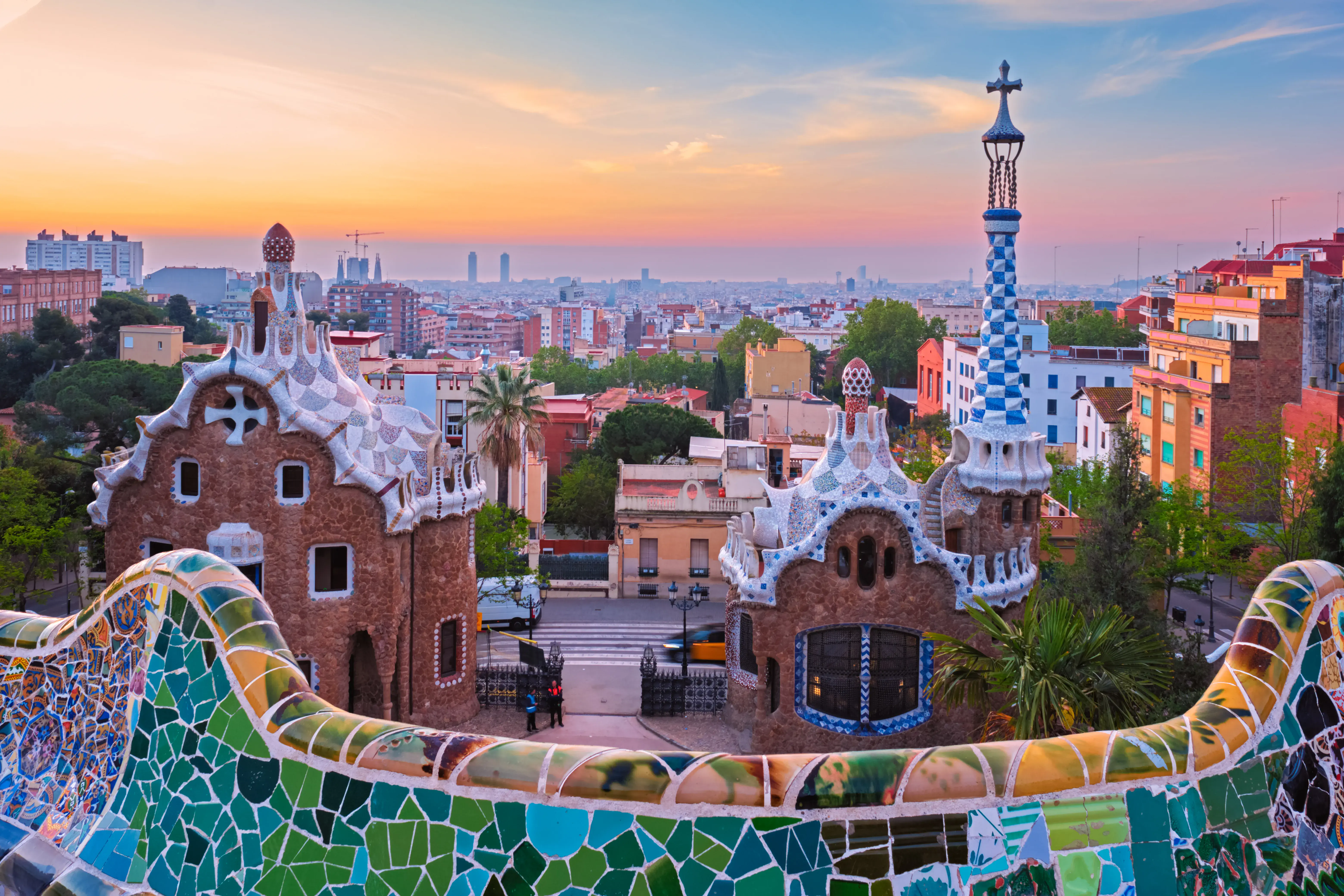
Living in Barcelona requires a thick skin. The city boasts a population of 1,686,208, but with a housing shortage and astronomical rents, finding a place to call home is a constant struggle. The climate is generally mild, with an average annual temperature of 21.2°C, but the bureaucracy can be a persistent headache. And while Barcelona is considered one of the safest cities in the world, the high rate of petty crime means you'll need to keep a close eye on your belongings. Overall, this vibrant, architecturally stunning city is best suited for those who thrive on urban energy and don't mind navigating its challenges.
Estimate the cost of moving to Barcelona, Spain
Get a free moving cost estimate for moving to Barcelona, Spain. Takes 10 seconds.
How much are you shipping?
When are you moving?
Powered by Sirelo. Free quotes from international movers.
🏚️ Cost of Living
A 1BR in the center runs about $1671.42/mo. If your income is in another currency, bank FX fees add up. A multi-currency account can cut that cost.
Barcelona is genuinely safe for daily life, with a walkable city center and reasonable nighttime security in most neighborhoods. The Safety Index of 72 reflects a city where expats can move around confidently during the day and evening. However, the city's popularity as a tourist destination has created pockets of petty crime, so situational awareness beats paranoia—most expats report feeling secure in their routines.
Petty theft and pickpocketing are the primary concerns, especially in crowded areas like Las Ramblas, metro stations, and beaches. Phone snatching and bag theft from café tables occur regularly. Avoid displaying expensive items, keep valuables secure, and be cautious of distraction scams. Violent crime is rare. Solo female travelers generally report feeling safe, though standard urban precautions apply—avoid isolated areas late at night and use registered taxis or apps like Uber.
Spain's political climate is stable with reliable police and functioning institutions. Barcelona has experienced occasional independence-related protests, but these rarely affect daily expat life and are typically contained to specific areas and times. Corruption is low by international standards. The city is genuinely suitable for American retirees and remote workers seeking a European base with manageable crime and good quality of life.
🏥 Healthcare
Excellent
Public Hospitals
Yes
Private Clinics
Yes
English-Speaking Doctors
Available
See how Barcelona's healthcare compares with New York City
🌤️ Climate
Summer Temp
29°C
Winter Temp
9°C
Humidity
70%
Air Quality Index
55
Annual Rainfall
448 mm
Best Months
AprMayOctNov
Climate Notes
Mediterranean climate with mild winters and warm, dry summers.
💻 Digital Nomad
Avg Internet Speed
120 Mbps
Internet (monthly)
$35/mo
Coworking Availability
Abundant
Coworking Spaces Nearby
60
Digital Nomad Score
82/100
Community Notes
A popular destination with excellent infrastructure for digital nomads.
A popular choice among digital nomads, Betahaus offers a vibrant community, regular events, and a cafe. Located in the Gràcia neighborhood, it's known for its collaborative atmosphere.
Aticco has multiple locations throughout Barcelona, known for their stylish design, rooftop terraces, and focus on wellness. They foster a strong sense of community and are popular with startups and freelancers; consider the Bogatell location.
MOB (Makers of Barcelona) is a well-established coworking space with a focus on creativity and innovation. Located in the Eixample district, it offers workshops, events, and a supportive environment for entrepreneurs and remote workers.
A centrally located WeWork option, offering the standard WeWork amenities and a professional environment. The Plaça de Catalunya location is convenient for transportation and exploring the city.
See how Barcelona's digital nomad life compares with New York City
🧳 Expat Life
English Proficiency
Widely Spoken
Expat Community
Large & Active
Top Neighborhoods
Eixample, Poblenou
Banks Nearby
468
ATMs Nearby
217
Expat Life Notes
A global hub for digital nomads, merging beach lifestyle with a massive creative community.
Pros
✓ Climate
✓ Social energy
✓ Walkable
Cons
✗ Petty crime (pickpocketing)
✗ Tourist congestion
🏘️ Neighborhoods in Barcelona
Areas of Barcelona that expats often consider.
Conditions can change from one block to the next, and these descriptions are general guides, not safety assessments. Before choosing where to stay or live, check current travel advisories, talk to people who live there, and visit in person if you can.
Gràcia
Bohemian, village-like, independent spirit
Gràcia maintains a village feel with pedestrian streets and independent shops. It's popular with families and those seeking a less touristy experience. Excellent walkability and metro access, but can be pricier than other areas and parking is difficult.
El Born
Historic, trendy, vibrant nightlife
El Born is a charming medieval neighborhood with narrow streets, boutiques, and tapas bars. It's a lively area, especially at night, which can be a pro or con depending on your preference. Very walkable, but can get crowded with tourists and noise levels can be high.
Eixample
Modernist architecture, grid layout
Eixample is known for its wide avenues, grid-like layout, and stunning modernist architecture, including Gaudí's Sagrada Família. It's a more upscale area with plenty of shops and restaurants. Very walkable and well-connected by public transport, but can feel less intimate than other neighborhoods.
Poblenou
Beachy, up-and-coming, industrial-chic
Poblenou is a former industrial area that has been transformed into a trendy neighborhood with a long beach, co-working spaces, and innovative businesses. It's popular with digital nomads and those seeking a more relaxed atmosphere. Good metro access and walkability, but some areas are still under development.
El Raval
Multicultural, edgy, budget-friendly
El Raval is a diverse and vibrant neighborhood with a gritty edge. It's known for its multicultural population, street art, and affordable prices. Very central and walkable, but has a reputation for petty crime and can feel less safe than other areas.
Sarrià-Sant Gervasi
Residential, upscale, family-friendly
Sarrià-Sant Gervasi is a quieter, more residential area with a higher standard of living. It's popular with families and retirees seeking a more peaceful environment. Less touristy and more authentic Catalan experience, but less central and English is not as widely spoken.
Les Corts
Business district, modern, residential
Les Corts is a modern business district with a mix of residential areas. It's home to the Camp Nou stadium and several shopping malls. Good transport links and amenities, but can feel less charming than other neighborhoods and caters less to tourists.
Page 1 of 2
Could living/working in Barcelona cut years off your work life?
With a 1-bedroom in the center at $1671/mo, your FIRE number here might be much lower than you think.
Barcelona has a population of approximately 1,731,649 people.
A single person can expect to spend around $4,179 per month in Barcelona, including rent. A 1-bedroom apartment in the city center costs approximately $1671/month.
The nearest airport to Barcelona is BCN, approximately 12.8km away.
Barcelona is considered relatively safe, with a safety index of 72.0. As with any city abroad, expats should research specific neighborhoods before committing to a location.
Barcelona has an average internet speed of 120 Mbps. It is considered a well-established digital nomad destination.
Nou Barris and Sant Andreu offer more affordable rents compared to Gràcia or El Born. You can find decent apartments for around €800-€1200 per month, and the local markets provide cheaper grocery options. Both neighborhoods are well-connected by metro, making it easy to access other parts of the city.
Barcelona is generally safe, but petty theft, like pickpocketing, is common, especially in touristy areas like Las Ramblas and the Gothic Quarter. It's best to be vigilant with your belongings and avoid walking alone in poorly lit areas at night. While not necessarily 'avoid,' El Raval can feel a bit seedier than other neighborhoods.
Barcelona boasts excellent internet infrastructure, with average speeds ranging from 50-100 Mbps. Most apartments and coworking spaces offer reliable fiber optic connections, making it suitable for video conferencing and other bandwidth-intensive tasks. You can also find free Wi-Fi in many cafes and public spaces.
Yes, many doctors in Barcelona speak English, especially in private clinics. As a retiree, you can access the Spanish public healthcare system if you're a legal resident and contribute to social security, or you can opt for private health insurance, which costs around €50-€200 per month depending on your coverage.
The Non-Lucrative Visa is a popular option for retirees, requiring proof of sufficient financial means to support yourself without working in Spain. You'll need to demonstrate around €27,000 per year in passive income or savings. After living legally in Spain for a certain period, you can apply for permanent residency.
Generally, Barcelona is significantly more affordable than cities like New York or San Francisco. Rent, groceries, and dining out are all noticeably cheaper. You can expect to save around 20-40% on your overall living expenses, depending on your lifestyle.
Opening a bank account in Barcelona requires a NIE (foreigner identification number) and proof of address. Santander, CaixaBank, and BBVA are popular banks. Services like Wise (formerly TransferWise) and Remitly offer convenient and cost-effective ways to transfer money internationally.
Barcelona enjoys a Mediterranean climate with mild winters and warm summers. Expect sunny days for most of the year. Summers (June-August) are hot and humid, while winters (December-February) are mild, with average temperatures around 10°C (50°F). Spring and autumn are pleasant with comfortable temperatures.
Barcelona has a large and vibrant expat community, making it relatively easy to connect with other foreigners. There are numerous Facebook groups, Meetup events, and language exchange programs where you can meet people. Many bars and restaurants also cater to expats.
Barcelona offers a lower cost of living than many Western cities, allowing FIRE individuals to stretch their passive income further. Renting outside the city center, cooking at home, and utilizing free activities like exploring parks and beaches can significantly reduce expenses. The strong Euro can also impact your USD-based income.
As a US citizen, you're still required to file US taxes even when living abroad. The Foreign Earned Income Exclusion (FEIE) allows you to exclude a certain amount of your foreign-earned income from US taxes. You may also need to report foreign bank accounts if the total value exceeds $10,000 (FBAR).
Yes, Barcelona is viable for early retirement on a $3,000 USD monthly budget, but it requires careful planning. You'll likely need to live outside the city center, cook most of your meals, and be mindful of your spending. Healthcare costs and unexpected expenses should also be factored into your budget.
Barcelona has an excellent and affordable public transportation system, including a comprehensive metro network, buses, trams, and local trains. A T-Casual travel card offers 10 journeys for around €11 and is a cost-effective way to get around. Walking and cycling are also popular options, especially in the city center.
While learning some basic Spanish or Catalan is highly recommended, you can manage reasonably well in Barcelona as an English speaker, especially in tourist areas and among younger generations. However, for a richer experience and to integrate more fully into the local culture, making an effort to learn the local languages is beneficial.
Cost-of-living and visa updates for Barcelona and the rest of Spain. Free with RA Postcards.
By submitting your email address, you will receive a free subscription to RA Postcards and special offers from Rewire Abroad and our affiliates. You can unsubscribe at any time, and we encourage you to read more about our Privacy Policy.