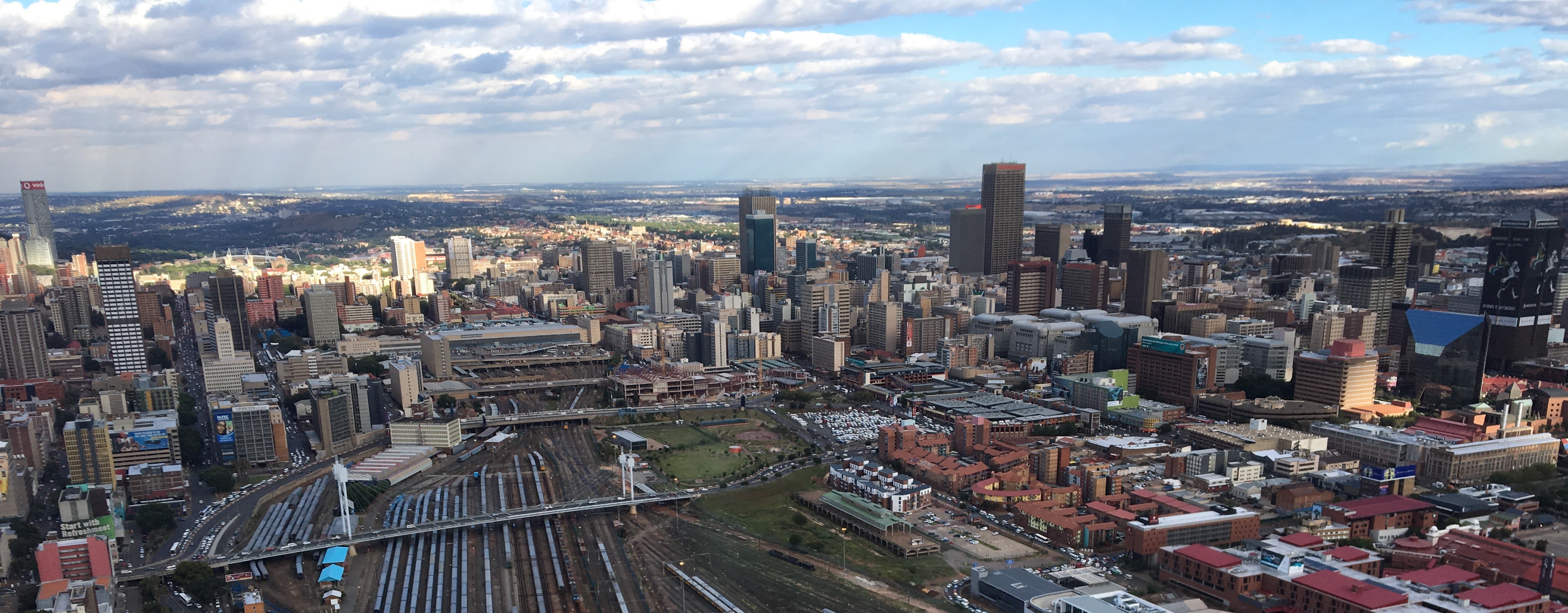
Johannesburg, South Africa Hero Image
Wikipedia Contributor, CC BY-SA

Johannesburg, South Africa

Data updated Oct 8, 2026

Follows South Africa Residency Rules. Check Digital Nomad & Retiree Pathways →

📊 Scores

78
FIRE
70
Retiree
80
Digital Nomad

Best fit: Digital Nomad (score: 78)

Johannesburg sits high on the South African plateau at 1,753 meters above sea level, giving it a subtropical climate with mild, sunny winters and warm summers with afternoon thunderstorms. The city is the economic heart of the country, and expats tend to cluster in neighborhoods like Sandton, Rosebank, and Melville, each offering a different flavor of urban life. Sandton is the gleaming business hub, Rosebank is known for its art galleries and rooftop bars, and Melville draws a bohemian crowd with its tree-lined streets and cafes. The city's energy is unmistakable, and its altitude means cool evenings even in summer, so pack a light jacket.

Living costs here are remarkably low by global standards, especially when you consider the local wages. A one-bedroom apartment in the city center rents for about $499 per month, while the same unit outside the center costs $425. For a three-bedroom, expect $996 in the center and $881 outside it. A single person's monthly budget, excluding rent, comes to around $805, which covers groceries, transport, and entertainment. Utilities run $229, internet is $36, and a mobile plan is $38. A monthly public transport pass is $90, and a gym membership is $37. An inexpensive restaurant meal costs $12, while a three-course meal for two at a mid-range spot is $44, and a cappuccino is just $2. The average monthly net salary is $1,722, which means many locals live comfortably, and expats on a Western salary will find their money stretches far. The overall cost of living index is 43 out of 100, with New York City as the baseline of 100.

Safety is a genuine consideration in Johannesburg, and the crime index sits at 60, with a safety index of 40, so it's wise to be street-smart and choose your neighborhood carefully. That said, healthcare quality is rated as good, and private hospitals in the city are well regarded. Many expats live in secure complexes with guards and gated access, which is common practice. The air quality index is 65, which is moderate, and the city's high altitude can take a few days to adjust to. English is widely spoken, making daily life easy for newcomers, and the expat community is large and active, so finding social circles and support is straightforward.

For those looking to stay long-term, South Africa offers the Retired Person Visa, which requires a minimum monthly income of $2,050, and the Digital Nomad Visa, which requires $2,950 per month. The nearest airport is QRA, just 11 kilometers from the city center, making arrivals and departures convenient. Johannesburg suits digital nomads, retirees, and anyone seeking a low-cost, high-energy urban base in Africa. With a digital nomad score of 80, a FIRE score of 78, and an expat score of 78, it's a compelling choice for those who prioritize affordability and a lively lifestyle, provided they approach safety with common sense.
Estimate the cost of moving to Johannesburg, South Africa

Get a free moving cost estimate for moving to Johannesburg, South Africa. Takes 10 seconds.

How much are you shipping?

When are you moving?

Powered by Sirelo. Free quotes from international movers.

🏚️ Cost of Living

A 1BR in the center runs about $498.84/mo. If your income is in another currency, bank FX fees add up. A multi-currency account can cut that cost.

See low-fee transfers

We may earn a commission at no cost to you.

See how Johannesburg's cost of living compares with Cape Town

Be the first to report costs in Johannesburg

Share

🛡️ Safety & Crime

40
Safety Index

(Higher is safer)

60
Crime Index

(Lower is safer)

Johannesburg has a reputation for crime that exceeds the day-to-day reality for most expats in established neighborhoods. Safety varies dramatically by area—northern suburbs like Sandton, Rosebank, and Fourways are well-policed and feel secure during daylight. However, nighttime solo walking is not advisable anywhere, and the city requires constant situational awareness. Most expats adapt quickly and live comfortably with standard precautions.

Common threats include opportunistic theft, carjacking at traffic lights, and home break-ins in less-secure areas. Avoid displaying valuables, use ride-sharing apps after dark, and stay out of downtown Johannesburg and townships unless with a trusted local guide. Solo female travelers should exercise extra caution with nighttime movement and avoid isolated areas. Petty scams targeting foreigners occur but are less prevalent than in other African cities.

South Africa's political environment is stable relative to the region, though service delivery protests and occasional civil unrest occur. Police are present but corruption exists; expats generally report reliable emergency response in affluent areas. The real risk is crime, not political instability. For Americans aged 30–65 with resources to live in secure neighborhoods and adopt local safety habits, Johannesburg is manageable—but it requires intentionality and is not a casual, walk-anywhere destination.

Johannesburg has a safety index of 40/100. Petty theft and lost belongings are the most common problems for newcomers. Compare travel insurance before you go.

Compare travel insurance

We may earn a commission at no cost to you.

🏥 Healthcare

Good
Public Hospitals
Yes
Private Clinics
Yes
English-Speaking Doctors
Widely Available

See how Johannesburg's healthcare compares with Cape Town

🌤️ Climate

Climate Zones
Subtropical
Summer Temp
26°C
Winter Temp
2°C
Humidity
55%
Air Quality Index
65
Annual Rainfall
564 mm

Best Months

FebMarAprMayAug

Climate Notes

Subtropical highland climate with sunny days and cold winter nights.

💻 Digital Nomad

Avg Internet Speed
58.3 Mbps
Internet (monthly)
$36/mo
Coworking Availability
Abundant
Coworking Spaces Nearby
1
Digital Nomad Score
80/100

Community Notes

Offers a vibrant urban life with diverse coworking spaces.

Coworking Spaces

NameNotes
Workshop17 SandtonLocated in the heart of Sandton, Workshop17 offers a professional and modern coworking environment. It's well-suited for expats due to its central location, high-speed internet, and networking opportunities.
Regus BryanstonRegus Bryanston provides a reliable and established coworking option with various membership plans. Its location in Bryanston is convenient, and the professional atmosphere makes it suitable for focused work.
Spaces RosebankSpaces Rosebank offers a stylish and creative coworking environment in a vibrant neighborhood. The community events and modern design make it appealing to digital nomads and remote workers seeking a dynamic workspace.
The Business Exchange - Melrose ArchLocated in the upscale Melrose Arch precinct, The Business Exchange offers premium coworking spaces with a focus on professionalism and networking. The area is safe and offers many amenities, making it a good choice for expats.

Names, locations and hours can change. Check each space's website before you visit. Places from © OpenStreetMap contributors and Foursquare Open Source Places (Apache 2.0).

Planning to live in Johannesburg long-term? South Africa Digital Nomad Visa lets remote workers live legally with a minimum income of $2,950/month.

View full requirements →

Working remotely from Johannesburg? Nomad health insurance covers you across borders, month to month.

See nomad insurance

We may earn a commission at no cost to you.

See how Johannesburg's digital nomad life compares with Cape Town

🧳 Expat Life

English Proficiency
Widely Spoken
Expat Community
Large & Active
Top Neighborhoods
Sandton, Rosebank, Melville
Banks Nearby
62
ATMs Nearby
50

Expat Life Notes

The economic heart of Africa is a high-energy city with a massive expat community, though safety is a primary concern.

Pros

  • ✓ Strong job market
  • ✓ World-class amenities
  • ✓ Native English speakers

Cons

  • ✗ Serious safety issues
  • ✗ Rolling power cuts
  • ✗ Poor public transport

🏘️ Neighborhoods in Johannesburg

Areas of Johannesburg that expats often consider.

Conditions can change from one block to the next, and these descriptions are general guides, not safety assessments. Before choosing where to stay or live, check current travel advisories, talk to people who live there, and visit in person if you can.

Melville

Bohemian, vibrant, restaurant-filled streets

Melville is known for its lively atmosphere, with numerous restaurants, bars, and antique shops. It's popular with students, artists, and young professionals. While walkable, safety can be a concern at night, and parking is limited.

Greenside

Trendy, relaxed, family-friendly suburb

Greenside offers a more relaxed vibe than Melville, with a mix of families and young professionals. It boasts a good selection of restaurants and cafes along Gleneagles Road. While generally safe, petty crime can occur, and a car is recommended for getting around.

Parkhurst

Upscale, charming, village-like atmosphere

Parkhurst is known for its quaint village feel, with a mix of boutiques, art galleries, and restaurants along 4th Avenue. It's a more affluent area, attracting families and professionals. It's relatively walkable, but property prices and rents are higher.

Rosebank

Modern, commercial, convenient shopping

Rosebank is a bustling commercial hub with a large shopping mall, offices, and apartments. It's well-connected by the Gautrain, making it easy to get around. While convenient, it can be noisy and crowded, and safety is a concern, especially at night.

Page 1 of 2

Could living/working in Johannesburg cut years off your work life?

With a 1-bedroom in the center at $499/mo, your FIRE number here might be much lower than you think.

Calculate My FIRE Date →

🛂 Visa Options for South Africa

Many long-stay visas require proof of health insurance. Compare international health plans before you apply.

Compare health insurance

We may earn a commission at no cost to you.

🛂

Earning over $320/mo? You may qualify for a South Africa visa.

Answer 11 questions and get a personalized match in under 2 minutes.

Find My Visa →

More Cities to Consider instead of Johannesburg

FAQ

Frequently Asked Questions about Johannesburg

Click any question to expand the answer.

Johannesburg has a population of approximately 5,538,596 people.
A single person can expect to spend around $1,247 per month in Johannesburg, including rent. A 1-bedroom apartment in the city center costs approximately $499/month.
The nearest airport to Johannesburg is QRA, approximately 11.3km away.
Johannesburg is considered moderate in terms of safety, with a safety index of 40.0. As with any city abroad, expats should research specific neighborhoods before committing to a location.
Johannesburg has an average internet speed of 58.3 Mbps. It is considered a well-established digital nomad destination.
It depends heavily on where you live and how you move around. Expats typically stick to northern suburbs like Sandton, Rosebank, Parkhurst, and Fourways, which have private security, gated complexes, and lower day-to-day risk. Driving rather than walking, avoiding certain areas after dark, and paying for a secure estate or apartment are non-negotiable costs of living here comfortably. The safety index of 40 is low — this isn't paranoia, it's the practical reality most long-term residents adapt to.
No. English is the default language of business, government offices, shopping malls, restaurants, and most daily interactions in the suburbs expats typically inhabit. South Africa has 11 official languages, and you'll hear Zulu, Sotho, and Afrikaans around you, but you can live and work in Johannesburg entirely in English without significant friction.
South Africa offers a Critical Skills Visa for in-demand professions, a Retired Person Visa requiring proof of $1,500/month in passive income, and a Business Visa for entrepreneurs. The process is managed by the Department of Home Affairs, which has a well-documented reputation for delays, lost paperwork, and inconsistent processing times. Using an accredited immigration attorney is strongly recommended — budget $1,000–$2,500 for professional help and expect the process to take 6–12 months.
Johannesburg offers a relatively affordable lifestyle. Expect to pay around $800-$1500 USD per month for a comfortable apartment in a good area like Sandton or Rosebank, while groceries and dining out are significantly cheaper than in the US. You can easily live well on a budget of $2,500-$3,500 USD per month, depending on your lifestyle.
Johannesburg has a two-tiered healthcare system: public and private. Private healthcare is excellent, with modern facilities and well-trained, English-speaking doctors readily available. Many expats opt for private medical insurance to access these services, ensuring quality care and shorter wait times.
Areas like Sandton, Rosebank, Melrose, and Bryanston are generally considered safe and popular among expats. These neighborhoods offer gated communities, 24/7 security, and are close to amenities like shopping malls, restaurants, and international schools. However, vigilance is still necessary, even in these areas.
Internet connectivity in Johannesburg is generally good, with fiber optic options available in many areas. You can expect download speeds of 50-100 Mbps, sufficient for most remote work tasks. Mobile data is also readily available and affordable, providing backup connectivity.
Yes, Johannesburg has a growing number of coworking spaces catering to digital nomads and freelancers. You'll find options like Workshop17, Regus, and WeWork in areas like Sandton and Rosebank, offering flexible workspaces and networking opportunities.
Johannesburg's lower cost of living allows retirees to significantly stretch their US retirement income. Housing, healthcare, and everyday expenses are considerably cheaper, enabling a more comfortable lifestyle on a fixed income. Careful budgeting and financial planning are still essential.
South Africa has a well-developed banking system with major international banks like Standard Bank, FNB, and Absa. Opening a bank account is relatively straightforward with the necessary documentation. International money transfers can be done easily through online platforms like Wise or Remitly, though fees may apply.
Johannesburg has a subtropical highland climate with sunny days and cool evenings. Summers (December-February) are warm and rainy, while winters (June-August) are dry and mild, with temperatures rarely dropping below freezing. Pack layers as temperatures can fluctuate significantly throughout the day.
While a car is generally recommended for getting around Johannesburg, ride-sharing services like Uber and Bolt are readily available and relatively affordable. The Gautrain, a rapid transit railway, connects key areas like the airport, Sandton, and Pretoria, offering a convenient alternative for some journeys. Public transport options like buses and minibuses are available but can be unreliable and less safe.
As a US citizen, you're still required to file US taxes even when living abroad. The Foreign Earned Income Exclusion (FEIE) allows you to exclude a certain amount of your foreign-earned income from US taxes. You may also need to report foreign bank accounts (FBAR) if they exceed a certain threshold. Consult with a tax professional specializing in expat taxes for personalized advice.
Yes, Johannesburg can be a very viable option for early retirement on $3,000 USD per month, especially if you're comfortable with a slightly more modest lifestyle. You can find comfortable housing, access quality healthcare, and enjoy a fulfilling life on that budget, leaving room for travel and leisure activities.
The day-to-day quality of life in Johannesburg is generally good for English speakers. English is widely spoken in business, government, and social settings, making it easy to communicate and navigate daily life. You'll find a vibrant cultural scene, diverse culinary options, and plenty of opportunities for outdoor activities.
Johannesburg has a sizable and active expat community, making it easy to connect with people from around the world. There are numerous expat groups and social events, providing opportunities to meet new friends and build a support network. You'll also find plenty of local social activities and cultural events to participate in.
While Johannesburg has many safe areas, it's important to be aware of areas with higher crime rates. Avoid walking alone at night in less populated areas, and be cautious in the city center after dark. Research specific areas before visiting and take necessary precautions to protect your belongings.

Share This Guide