Min Monthly Income
$320
Processing Time
4-12 wks
Difficulty
Difficult
Duration
30 months
Overview
South Africa’s work visas, including the General Work Visa and other employer‑sponsored categories, are built around local employment rather than passive income. There is a minimum monthly income of USD 320 in the official visa framework, and the program rules list the financial threshold as of 2026. In practice, the key financial criterion is having a valid employment contract with a South African employer; rental income, ETF dividends, or Social Security may support your overall profile but are not what gets the visa issued.
From a time horizon perspective, the South Africa Work Visa is a medium‑term solution. The program rules specify a 30‑month duration (up to 2.5 years), aligning with government and consular checklists that describe general work visas as valid for a period not exceeding 30 months. Renewal terms and maximum total stay beyond this first 30‑month period are not publicly specified in the data you should rely on here, so anyone planning a decade‑long stay has to assume at least one fresh application or a later status change rather than an automatic rollover.
Physical presence rules for immigration status are set at 91 days per year and a published minimum presence of 91 days. That means you cannot assume Schengen‑style 183‑day requirements or, conversely, a zero‑presence “paper residency.” If you plan to split your year across two or three countries, you will have to structure that plan around South Africa’s separate tax‑residency and immigration‑compliance tests rather than anything explicitly baked into this visa’s terms.
On process friction, the bureaucracy score is a relatively low 1/5, suggesting the government’s own process is not the most document‑heavy compared to some investment visas. Still, the consular checklists show you will handle a non‑refundable fee set per consulate (amount not specified in the program rules), a completed DHA‑1738 for stays over 90 days, proof of funds via recent bank statements, an employment contract, and supporting items like photos and itineraries. There is no apostille, FBI background check, or mandatory interview listed in the published data, which is unusual among work visas and lowers your prep workload.
Realistically, this path makes the most sense if you already have a concrete South African job offer paying the amount you actually want to live on for up to 30 months and you’re comfortable that PR and citizenship timelines are not publicly specified at the outset. It is a poor fit if your plan revolves around living in South Africa off $3,000–$6,000 per month in foreign passive income with no local employer, or if you need a clearly documented, multi‑step ladder from temporary status to a passport on a defined schedule.
Eligibility Requirements
Any nationality can apply in principle for a South Africa Work Visa under the current framework, and the visa rules explicitly list nationality restrictions as “all,” meaning no formal nationality‑based exclusion is baked into the program. In practice, applicants from sanctioned or diplomatically strained jurisdictions such as Iran, North Korea, Syria, Cuba, and in some banking contexts Russia can encounter consular pushback or difficulty opening South African bank accounts, which can derail an otherwise eligible application. Before assembling documents, confirm your specific eligibility and any informal constraints directly with South Africa’s Department of Home Affairs or the nearest South African embassy or consulate, using their published work‑visa guidance as the reference.
Min Income
$320
Min Age
18 yrs
practical
Duration
30 months
Physical Presence
91 days/yr
Requirements Checklist
0 of 17 documents in hand
0%These take the longest, so start them first.
Request these while the slow items are in progress.
You only need these on the day you submit.
How and where to apply
Apply at the nearest South African embassy, consulate, or VFS Global center in your home country using form DHA-1738. Applications for temporary residence visas are processed and finalized abroad before travel. In-country extensions or switches may be possible via Department of Home Affairs offices after arrival.
Tax Information
Local tax treatment for South Africa work‑visa holders
South Africa applies a worldwide tax regime to residents: once you are tax‑resident, South African Revenue Service (SARS) expects you to declare global income, including salary, self‑employment income, foreign rental profits, ETF and stock dividends from foreign brokerages, and pensions. The standard resident rules apply once you meet residency criteria. Non‑residents are taxed only on South‑African‑source income, such as your local employment under the work visa and local rental income, while foreign passive income remains outside scope until you become tax‑resident.
Capital gains on foreign investments are subject to South Africa's capital gains tax rules. Under South Africa’s default rules, tax residents are subject to capital gains tax on the disposal of worldwide assets, which would include selling index funds or ETFs held at a US or European brokerage; non‑residents are generally taxed only on gains from South African situs assets. The effective maximum capital gains tax rate for individuals is 18%, as 40% of net capital gains are included in taxable income and taxed at marginal rates up to 45%.
South Africa uses a 91-day physical presence rule to determine tax residency, but South Africa’s general regime uses day‑count and “ordinarily resident” tests in practice. For planning purposes, assume that spending a substantial portion of the year in South Africa with an ongoing local job risks shifting you into tax residency even without a separate election. Registration and filing timelines should be confirmed with SARS at arrival.
No special preferential regime (such as Portugal’s NHR or Italy’s flat‑tax regime) is mentioned in the visa rules for South Africa, so you cannot assume any foreign‑income exemption beyond standard rules for non‑residents. Local filing requirements are likewise not specified, but in practice you should expect to obtain a South African tax number, have Pay‑As‑You‑Earn (PAYE) withholding on salary, and file an annual return once resident. A US-South Africa tax treaty exists, so treaty protection may apply; you must verify whether any double‑taxation agreement covers employment income, pensions, or dividends and whether there is a separate US–South Africa totalization agreement for Social Security.
For US Citizens and Green Card Holders
US persons on a South Africa Work Visa remain fully taxable by the IRS on worldwide income regardless of where they live or how South Africa treats them. Three US mechanisms interact with this visa most often.
First, the Foreign Earned Income Exclusion (FEIE), claimed on Form 2555, can exclude up to $132,900 of foreign earned income for 2026 (salary, consulting, or self‑employment) from US taxable income. The pay from your South African employer while on this work visa can qualify if you meet either the Physical Presence Test (330 full days outside the US in any 12‑month period, much of that likely spent in South Africa) or the Bona Fide Residence Test (a full calendar year with a settled home abroad). FEIE does not cover ETF dividends, interest, capital gains, US rental income, pensions, or Social Security.
Second, the Foreign Tax Credit (FTC), on Form 1116, lets you credit South African income taxes against US tax on the same income streams. This matters most if you become South African tax‑resident and face local tax on salary, foreign passive income, and capital gains at rates close to or above US levels. If South African tax on a given stream is lower, or zero because you are still treated as a non‑resident locally, the FTC cannot eliminate the residual US tax.
Third, the FBAR (FinCEN 114) and related FATCA Form 8938 kick in once your combined foreign financial accounts exceed $10,000 at any point in the year. In practice, most workers with local salaries open South African accounts, and those balances often push you over the $10,000 threshold when combined with other non‑US accounts. Non‑willful FBAR penalties start around $16,700 per violation as of 2026.
For a South Africa work assignment, the rational setup is to engage both a US CPA specializing in expat taxation (to structure FEIE vs FTC, and handle FBAR/FATCA) and a South African tax advisor (to manage SARS registration, PAYE reconciliation, and worldwide‑income treatment once resident). The $1,500–$3,000 spent in year one on coordinated advice typically pays for itself in avoided penalties, optimized exclusions and credits, and a cleaner path if you later shift into permanent residency.
Living in South Africa
COL Index vs NYC
30.0
Monthly Cost (excl. rent)
$645
1BR Rent (City Center)
$482
Safety Index
25.3
Healthcare Index
63.8
Quality of Life Index
152.4
Time Zone
UTC+02:00
Capital
Pretoria
Population
59.3M
Official Languages
Afrikaans, English, Southern Ndebele, Northern Sotho, Southern Sotho, Swazi, Tswana, Tsonga, Venda, Xhosa, Zulu
Avg Internet Speed
48 Mbps
Public Transit Quality
Fair
With a budget covering rent and living costs, you'd need roughly $1,127/mo for a comfortable single-person lifestyle in South Africa.See how far your money goes →
🏙️ Best Cities in South Africa for Expats
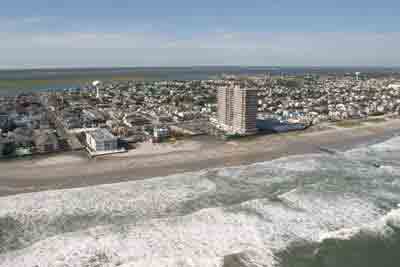 ✦ 84
✦ 84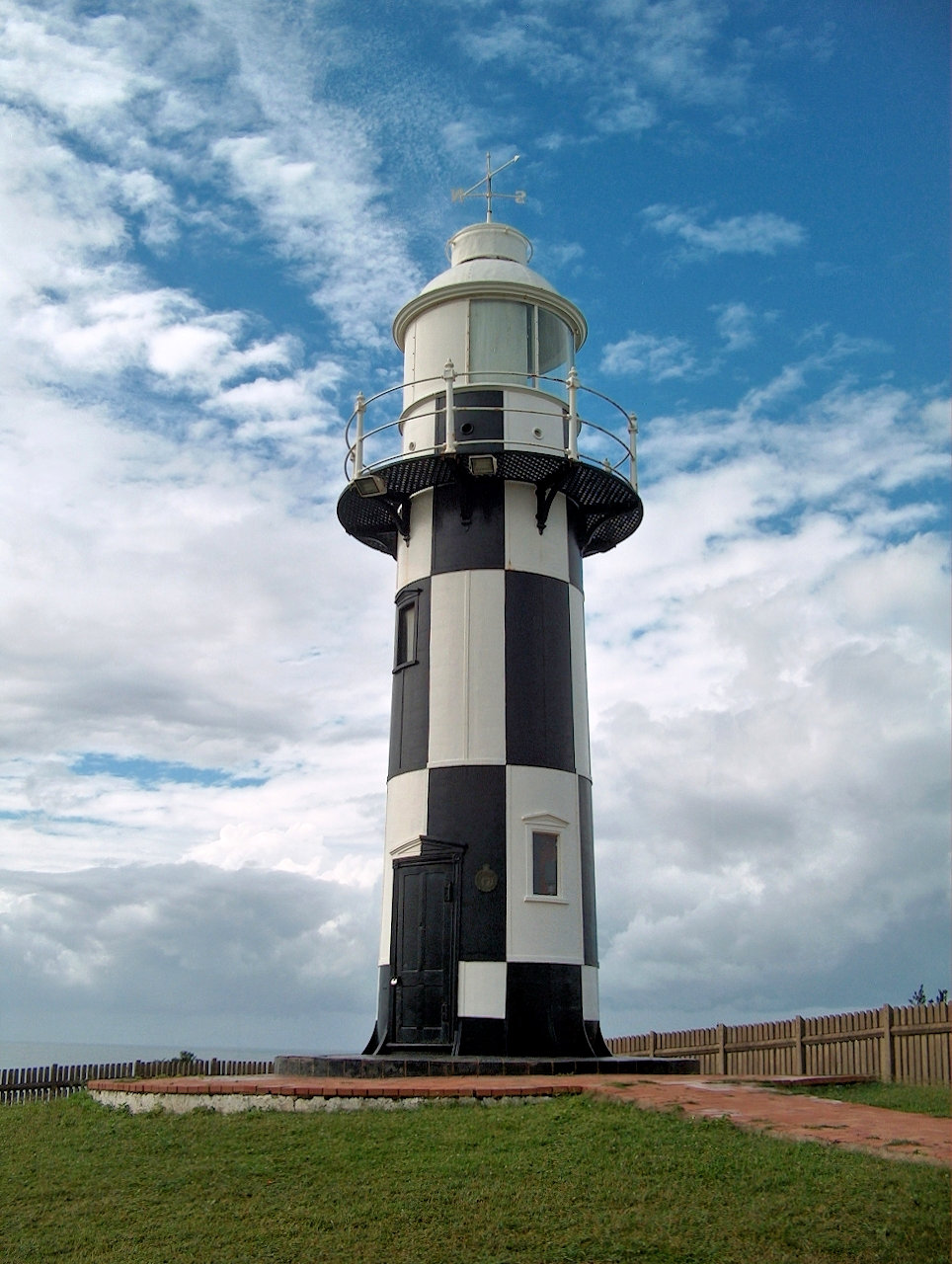 ✦ 83
✦ 83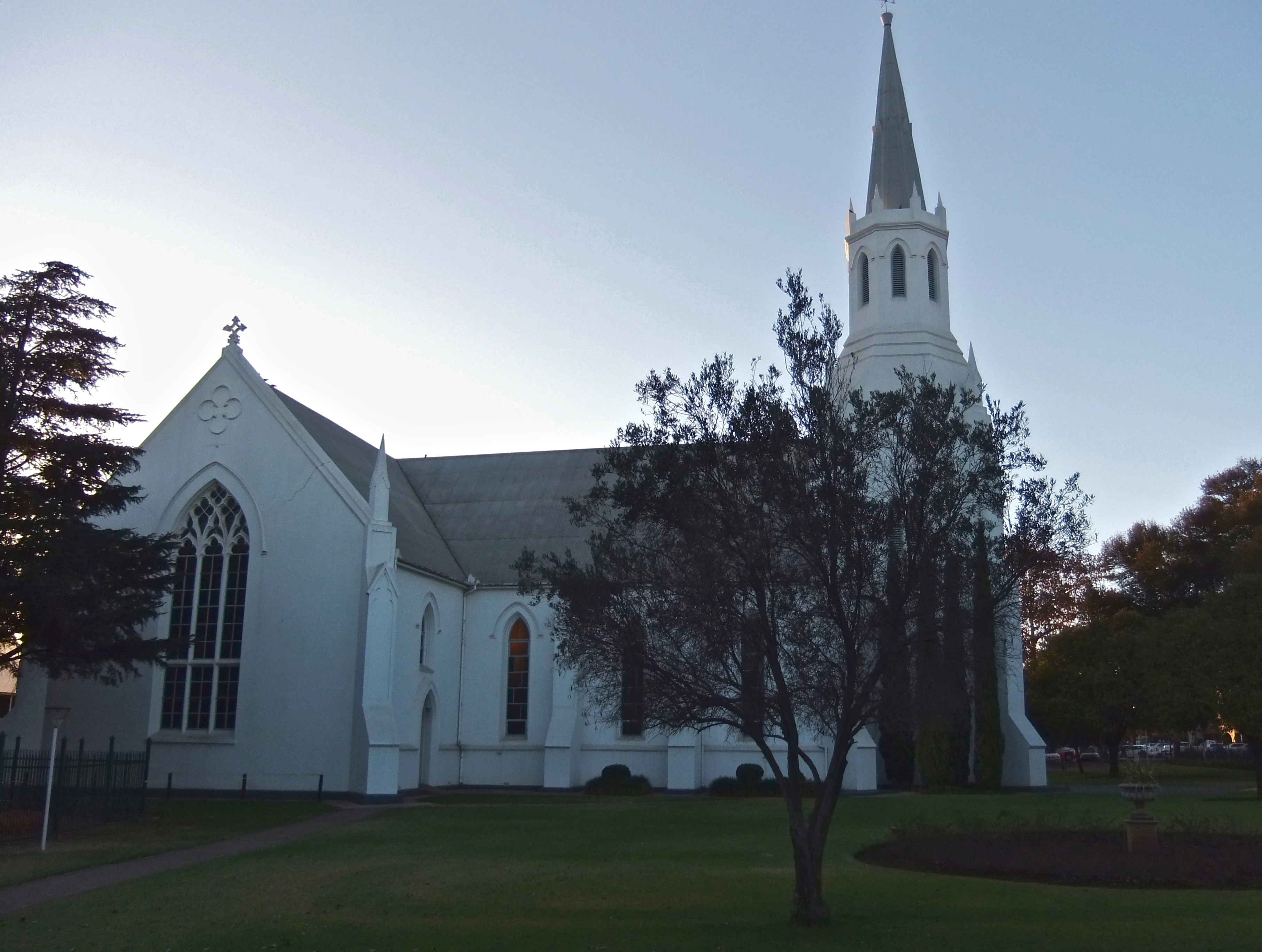 ✦ 84
✦ 84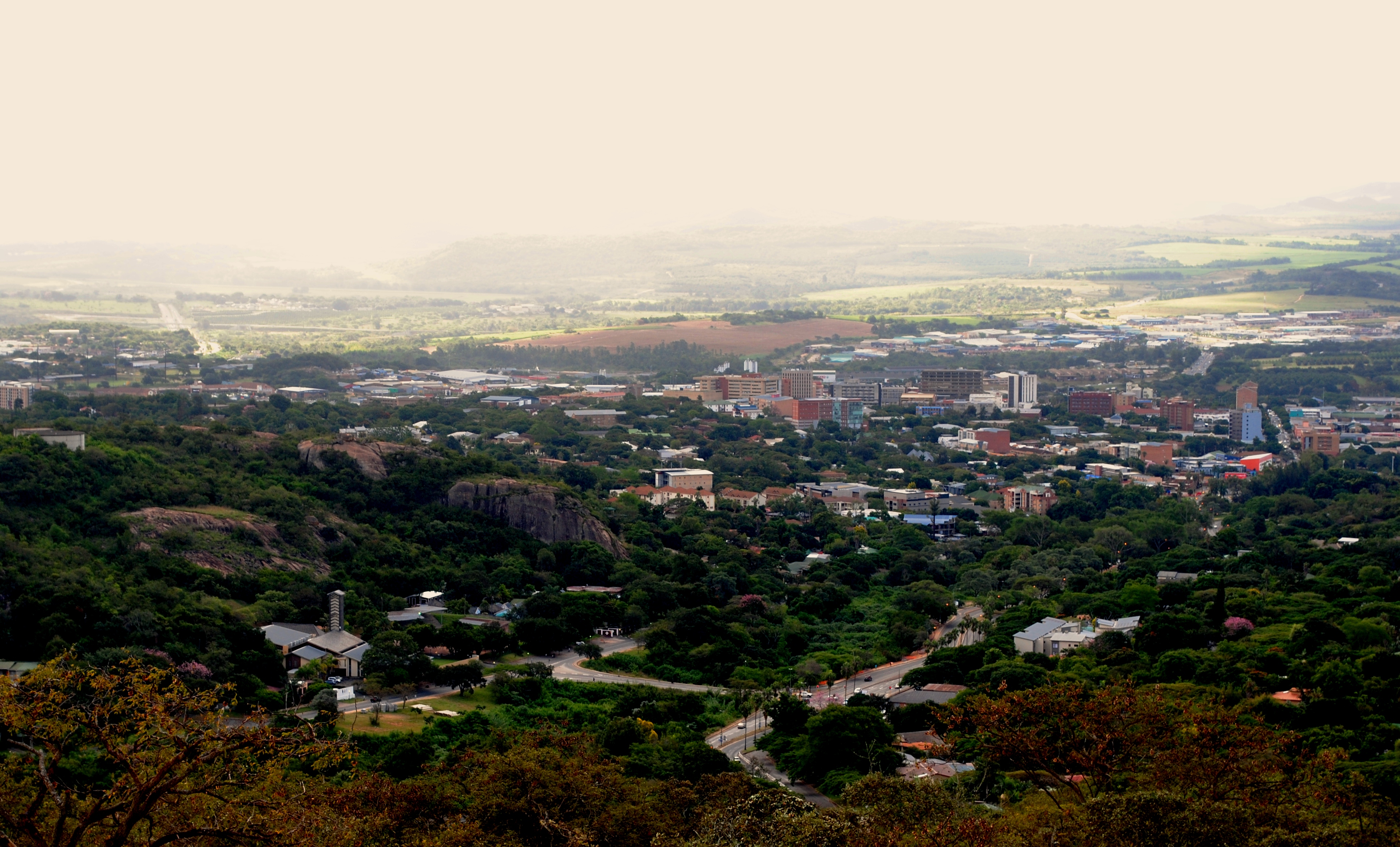 ✦ 89
✦ 89The accommodation proof that actually works
The visa checklist asks for proof of accommodation. A hotel booking for the first two weeks is the default move. It is also the one that gets questioned most often.
Consular officers are looking for evidence that you intend to reside in South Africa, not just visit. A short hotel reservation reads as a placeholder. It signals that you have not made actual living arrangements. The application does not require you to own property or sign a year-long lease before you arrive, but it does ask for something that looks like a genuine plan. A signed lease agreement, even for a short initial term, is stronger. A detailed letter of invitation from a host who owns or rents a residence, accompanied by a copy of their lease or title deed and a certified copy of their ID, also works. The key is that the document ties you to a specific address and a person or entity that can be verified.
People get this wrong by submitting a booking confirmation from a booking platform that can be cancelled without penalty. The consulate knows this. If the accommodation proof looks temporary or speculative, the application may be returned with a request for additional evidence, adding weeks to the timeline. It is not a formal rejection criterion on its own, but it becomes one when combined with other weaknesses.
If you are using a host, make sure the invitation letter states the duration of the stay and the relationship between you and the host. A vague note from a friend saying you can crash for a while will not carry much weight. The letter should be dated, signed, and accompanied by proof of the host’s legal residence status. South African citizens can provide a copy of their ID; foreign residents should include a copy of their permit.
The accommodation requirement is not the hardest part of the application, but it is the one that trips up people who treat the visa as a formality. It is a small piece of the puzzle that, when done carelessly, makes the whole file look less serious.
What happens after you land
The visa sticker in your passport gets you onto the plane. It does not finish the process. Once you arrive, you have a window to report to a Department of Home Affairs office and have your temporary residence permit formally issued. This step converts the entry visa into a status that allows you to stay and work legally for the duration of the permit.
The exact deadline for reporting varies, but you should not treat it as flexible. Delaying the visit to Home Affairs can create complications if you need to open a bank account, register with a medical scheme, or sign a lease. Landlords and employers will want to see the residence permit, not just the visa sticker. Until that permit is in hand, your status is provisional.
The permit is typically issued for an initial period of 30 months. During that time, you must be physically present in South Africa for at least 91 days each year. This is not a suggestion. Falling below the threshold can jeopardize renewal and may trigger questions about whether you are truly residing in the country. If your work requires frequent travel, you need to track your days carefully from the start. The count resets annually, and the burden of proof falls on you.
Extensions and switches are possible from within South Africa, but they require a separate application to the Department of Home Affairs. Do not assume that a renewal is automatic. The employer’s compliance documents will need to be refreshed, and the labour market test may need to be satisfied again. The renewal process can take just as long as the initial application, so start early.
The gap between landing and holding the physical permit is where people feel most exposed. You have the legal right to be there, but until the permit is issued, you lack the document that proves it to everyone else. Move quickly on the Home Affairs visit and keep copies of everything.
No permanent residency, so what’s the plan?
This visa is renewable. It does not lead to permanent residency. because many applicants assume that time spent on a work visa counts toward a long-term settlement application. It does not. You can renew the permit repeatedly, but you will not accumulate qualifying years for permanent residence under this category.
If staying in South Africa permanently is the goal, you need a different visa. The critical skills visa is the most common route, and it does offer a path to permanent residency. The work visa buys you time to find a job that qualifies for that category, but it is not a stepping stone on its own. You will eventually need to switch.
The 30-month initial permit gives you a runway. During that period, you can build a local employment record, establish relationships, and position yourself for a role that appears on the critical skills list. The SAQA evaluation you obtained for the work visa application may need to be updated or supplemented, but the groundwork is already done. The police clearance and medical documentation will need to be refreshed when you apply for the new visa.
Some people treat the work visa as a temporary solution and never make the switch. That is viable if you are comfortable renewing every two and a half years and do not need permanent status. But it leaves you dependent on your employer and on the continued availability of the visa category. Policy can change. The critical skills list gets revised. A plan that assumes indefinite renewability is a plan with a single point of failure.
If permanent residency is the objective, start planning the transition on day one. Identify which critical skills occupations your experience aligns with, check the SAQA requirements, and watch for employer opportunities that fit. The work visa is a bridge, not a destination.
Work visa vs. critical skills: when to take the offer
You have a job offer from a South African employer. The question is whether to apply for a work visa now or hold out for a role that qualifies for a critical skills visa. The answer turns on one thing: whether your occupation is on the critical skills list.
If it is, you should almost certainly pursue the critical skills visa instead. That visa gives you a direct route to permanent residency and does not require the employer to prove they could not find a local candidate. The application is still demanding, but the long-term payoff is substantial. Accepting a work visa when you qualify for critical skills is leaving the better option on the table.
If your occupation is not on the list, the work visa is your entry point. The calculation then becomes whether you can use the time on the work visa to transition into a critical skills role later. That strategy works, but it requires you to be honest about the likelihood of finding a qualifying job within 30 months. Some fields have a clear path; others do not. If your profession rarely appears on the list, the work visa may be a dead end for permanent residency, and you need to decide whether that matters to you.
The work visa ties you to a specific employer. Changing jobs requires a new application. The critical skills visa, by contrast, allows more flexibility once issued. If you value mobility, that difference is significant.
There is no universal right answer. But the decision should be made before you apply, not after you land. Once you are in the country on a work visa, your options narrow. The time to compare the two paths is when the offer is in front of you and you still have the leverage to choose.
Work Permissions
Application Steps
- 1
📋 Research visa subcategory
1-2 weeks
- 2
📄 Gather identity documents
1 week
- 3
📄 Secure employment proof
2-4 weeks
- 4
📄 Complete medical and clearance
2-4 weeks
- 5
📅 Book embassy appointment
1-2 weeks
- 6
📬 Submit application
Same day
- 7
⏳ Wait for processing
2-4 months
- 8
⏳ Collect visa and travel
1 week
- 9
🏛️ Register with SARS if needed
1-2 weeks
Frequently Asked Questions
Click any question to expand the answer.
Ready to Apply?
Work with trusted visa specialists who handle the paperwork so you can focus on your move.
Get help with this visa →* We may earn a commission if you apply through our link
At a Glance
Last verified: October 9, 2026