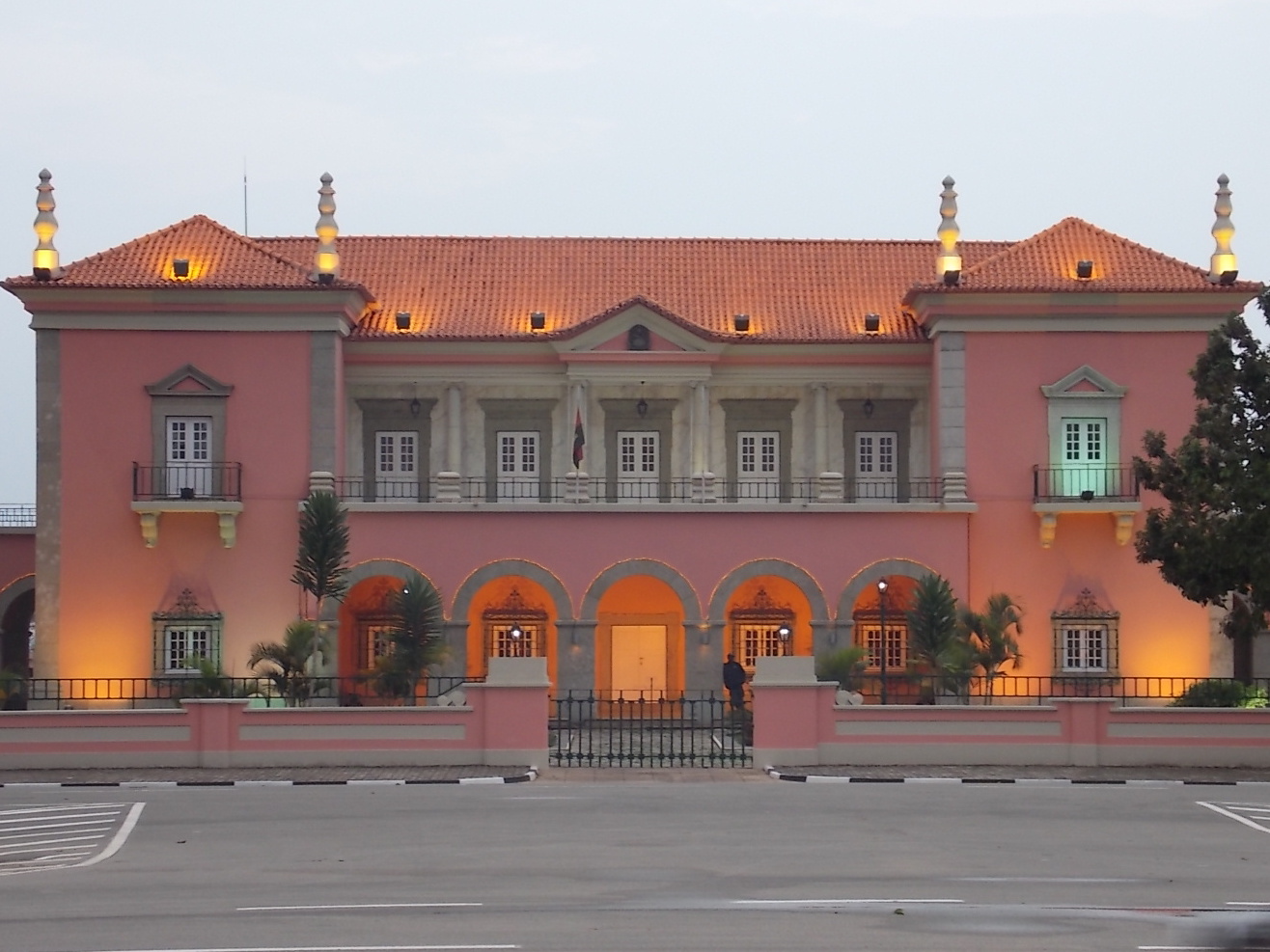
Huambo, Angola Hero Image
Wikipedia Contributor, CC BY-SA

Huambo, Angola

Follows Angola Residency Rules. Check Digital Nomad & Retiree Pathways →

📊 Scores

69
FIRE
42
Retiree
46
Digital Nomad

Best fit: FIRE / Geoarbitrage (score: 67)

Huambo sits on Angola's central plateau at 1,700 m above sea level, a position that gives the city its subtropical highland climate and keeps temperatures relatively cool compared with the country's coastal lowlands. The timezone is Africa/Luanda. Around 844 thousand people live here, and the expatriate presence is very few, which means newcomers tend to settle in a handful of familiar areas. The most popular expat neighborhoods are Centro, Bairro Palanca, and Bairro da Paz, each offering a different balance of access to services and residential calm.

Housing costs reflect the city's modest but real expatriate demand. A one-bedroom apartment in the city centre rents for $550/mo, while the same outside the centre goes for $400/mo. Three-bedroom units run $1,100/mo in the centre and $800/mo outside it. Beyond rent, a single person spends about $620/mo, and a family of four about $2,100/mo. The cost of living index is 41/100 against New York City as 100. For a single adult, a budget tier totals $1,100/mo, a mid-range tier $2,000/mo, and a comfortable tier $3,500/mo, all including rent.

Safety here is moderate, with a safety index of 55/100 and a crime index of 45/100, where lower is safer. Air quality is good, registering 28 on an index where lower is better. Healthcare quality is poor, so residents typically plan ahead for serious medical needs. Internet runs at an average of 20 Mbps, workable for routine tasks but not for heavy data demands.

Visas follow national rules, and the nearest airport is NOV, just 4 km away. English proficiency is limited, so basic Portuguese helps with daily life. The overall expat score is 67/100 and the FIRE score is 69/100, while the retiree score is 42/100 and the digital nomad score is 46/100. Huambo suits budget-conscious expatriates, early retirees focused on financial independence, and those who value a cool highland climate over a large international community.
Estimate the cost of moving to Huambo, Angola

Get a free moving cost estimate for moving to Huambo, Angola. Takes 10 seconds.

How much are you shipping?

When are you moving?

Powered by Sirelo. Free quotes from international movers.

🏚️ Cost of Living

A 1BR in the center runs about $550/mo. If your income is in another currency, bank FX fees add up. A multi-currency account can cut that cost.

See low-fee transfers

We may earn a commission at no cost to you.

See how Huambo's cost of living compares with Ganda

Be the first to report costs in Huambo

Share

🛡️ Safety & Crime

55
Safety Index

(Higher is safer)

45
Crime Index

(Lower is safer)

Huambo presents moderate safety challenges typical of Angola's second-largest city. Petty theft, armed robbery, and carjacking occur, particularly after dark and in peripheral neighborhoods. Avoid displaying wealth, traveling alone at night, and using ATMs in isolated areas. Political stability is generally stable post-civil war, but infrastructure gaps and limited police presence in outlying districts create vulnerability. For expats, hiring local security advice, using trusted drivers, and staying in established neighborhoods like Benfica is advisable. The city is manageable for experienced expats with situational awareness, but not ideal for those seeking a relaxed retirement environment.

Huambo has a safety index of 55/100. Petty theft and lost belongings are the most common problems for newcomers. Compare travel insurance before you go.

Compare travel insurance

We may earn a commission at no cost to you.

🏥 Healthcare

Poor
Public Hospitals
Yes
Private Clinics
Yes
English-Speaking Doctors
Limited

See how Huambo's healthcare compares with Ganda

🌤️ Climate

Summer Temp
25°C
Winter Temp
8°C
Humidity
62%
Air Quality Index
28

Best Months

AprMaySepOct

Climate Notes

Subtropical highland climate; relatively cool temperatures due to high elevation.

💻 Digital Nomad

Avg Internet Speed
20 Mbps
Coworking Availability
None
Coworking Spaces Nearby
0
Digital Nomad Score
46/100

Community Notes

Challenging for digital nomads due to limited services and connectivity.

Coworking Spaces

NameNotes
Regus HuamboRegus offers a reliable, professional environment in Huambo. It's a good option for expats seeking a familiar, internationally recognized brand with standard amenities and business support services. Exact location details and availability should be confirmed on their website.
Ideas Hub HuamboIdeas Hub Huambo is a locally-focused coworking space that fosters innovation and collaboration. It provides a more community-oriented vibe, which could be appealing to digital nomads looking to connect with local entrepreneurs and professionals. Check their Facebook page for current pricing and availability.

Names, locations and hours can change. Check each space's website before you visit. Places from © OpenStreetMap contributors and Foursquare Open Source Places (Apache 2.0).

Working remotely from Huambo? Nomad health insurance covers you across borders, month to month.

See nomad insurance

We may earn a commission at no cost to you.

See how Huambo's digital nomad life compares with Ganda

🧳 Expat Life

English Proficiency
Limited
Expat Community
Very Few
Top Neighborhoods
Centro, Bairro Palanca, Bairro da Paz
Banks Nearby
10
ATMs Nearby
1

Expat Life Notes

Huambo is Angola's second-largest city and the capital of Huambo Province. Once known as Nova Lisboa during the colonial era, it has a relatively planned city layout and cooler highland climate. A small number of NGO workers, missionaries, and Portuguese business owners make up the foreign community. Infrastructure is slowly recovering from the civil war.

Pros

  • ✓ Cooler highland climate
  • ✓ Lower cost than Luanda
  • ✓ Improving infrastructure
  • ✓ Largest city in southern Angola

Cons

  • ✗ No English spoken
  • ✗ Very limited expat community
  • ✗ Healthcare remains basic
  • ✗ History of civil war damage

🏘️ Neighborhoods in Huambo

Areas of Huambo that expats often consider.

Conditions can change from one block to the next, and these descriptions are general guides, not safety assessments. Before choosing where to stay or live, check current travel advisories, talk to people who live there, and visit in person if you can.

Central Huambo

Bustling commercial and civic

The heart of Huambo, this area offers easy access to government offices, banks, and major shops. While convenient, it can be noisy and crowded. Some English is spoken in businesses catering to international clients.

Bairro Académico

Lively student and residential

Close to higher education institutions, this neighborhood has a younger vibe with affordable housing options. It's less polished than the center but offers a more authentic local experience. Portuguese language skills are essential.

Cidade Alta

Upscale residential and governmental

Historically the more affluent area, Cidade Alta features larger homes and some government buildings. It's generally quieter and safer than the city center. Some expats and NGO workers reside here, making it slightly more English-friendly.

Comarca

Traditional residential and market

A more traditional residential area with a large local market. Housing is more affordable, but infrastructure may be less developed. This area offers a deep dive into Angolan culture, but requires strong Portuguese skills and a willingness to adapt.

Page 1 of 2

Could living/working in Huambo cut years off your work life?

With a 1-bedroom in the center at $550/mo, your FIRE number here might be much lower than you think.

Calculate My FIRE Date →

More Cities to Consider instead of Huambo

FAQ

Frequently Asked Questions about Huambo

Click any question to expand the answer.

Huambo has a population of approximately 844,000 people.
A single person can expect to spend around $1,375 per month in Huambo, including rent. A 1-bedroom apartment in the city center costs approximately $550/month.
The nearest airport to Huambo is NOV, approximately 4.3km away.
Huambo is considered moderate in terms of safety, with a safety index of 55.0. As with any city abroad, expats should research specific neighborhoods before committing to a location.
Huambo has an average internet speed of 20 Mbps. It is not yet considered a well-established digital nomad destination.
No, not realistically. English is rarely spoken outside a small circle of international organization staff. The local population speaks Portuguese and Umbundu. If you're planning to live, work, or handle any bureaucracy in Huambo, functional Portuguese is a hard requirement, not a nice-to-have.
Basic care is available at local clinics and the regional hospital, but standards are well below what most Western expats are accustomed to. Serious illness or injury typically requires medical evacuation to Luanda or South Africa. Comprehensive international health insurance with evacuation coverage is essential before moving here — this is not optional.
Huambo is relatively affordable compared to Luanda. Expect to pay around $500-$800 USD per month for a decent apartment, and groceries are significantly cheaper at local markets than imported goods. Dining out can range from $10 at a local eatery to $30+ at a nicer restaurant.
For longer stays, you'll need to explore residency options through investment, employment, or family ties. A tourist visa is a starting point, but it's best to consult with an Angolan immigration lawyer to navigate the specific requirements for a long-term stay.
Finding English-speaking doctors in Huambo can be challenging. While some private clinics may have staff with some English proficiency, it's advisable to have a translator or learn basic Portuguese medical terms. Quality of care is generally lower than in Western countries.
Generally, the areas closer to the city center and around the government buildings are considered safer. Ask locals for up-to-date advice, as conditions can change. Exercise caution and avoid walking alone at night in less populated areas.
Internet speeds in Huambo can be unreliable and slower than what you might be used to. Mobile data is often a better option, but it can be expensive. Look for accommodations that advertise dedicated internet connections, and always have a backup plan.
Coworking spaces are not yet common in Huambo. Some cafes offer Wi-Fi, but the reliability can vary. It's best to inquire beforehand and test the connection before committing to working there for an extended period.
ATMs are available in Huambo, but they may not always accept international cards. It's wise to inform your bank of your travel plans and carry some US dollars to exchange for Angolan Kwanza. International money transfers can be done through services like Western Union, but fees can be high.
Huambo has a subtropical highland climate with distinct wet and dry seasons. Expect warm days and cool nights year-round. The rainy season is from November to April, and the dry season is from May to October.
Public transportation in Huambo mainly consists of shared taxis (candongas), which can be crowded and confusing for newcomers. Private taxis are available but more expensive. Renting a car is an option, but driving conditions can be challenging, and it's best to hire a driver if possible.
Huambo can be a viable option for retirees on a fixed income, but it requires careful budgeting. While the cost of living is lower than in many Western countries, imported goods and healthcare can be expensive. Research thoroughly and have a financial cushion for unexpected expenses.
The expat community in Huambo is relatively small compared to Luanda. Networking opportunities may be limited, but you can connect with other expats through online forums or by attending events organized by international organizations.
As a US citizen, you're still required to file US taxes even when living abroad. You may be able to exclude a portion of your foreign earned income using the Foreign Earned Income Exclusion (FEIE). Also, be aware of FBAR reporting requirements for foreign bank accounts.
Living comfortably on $2000 USD per month in Huambo is possible, but it requires a frugal lifestyle. You'll need to prioritize local products, minimize imported goods, and be mindful of healthcare costs. It's doable, but careful budgeting is essential.
Life in Huambo is generally slower and more relaxed than in major Western cities. Be prepared for a more laid-back attitude towards schedules and deadlines. Patience is key when navigating daily life and interacting with local businesses.

Share This Guide