Moving to Gabon (2026): What Expats Actually Pay to Live There
Why Consider Gabon for Your International Move?
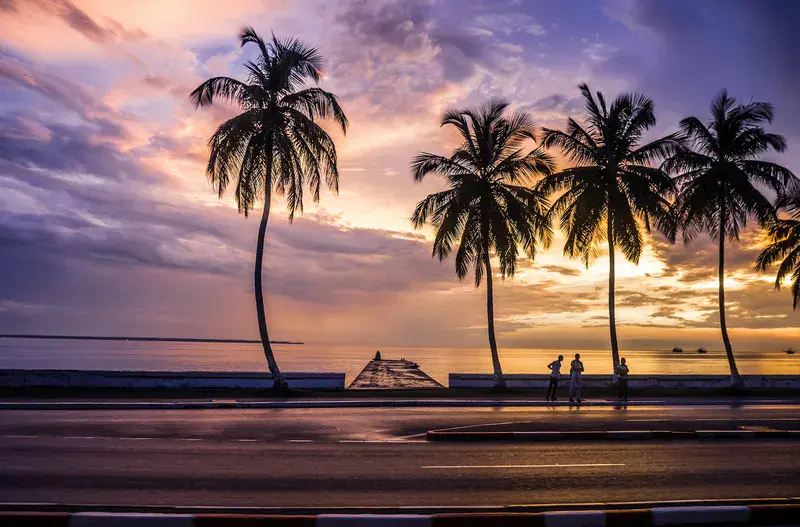
Gabon rarely appears on standard expat destination lists, and that's precisely what makes it intriguing for a certain type of international relocator. This oil-rich Central African nation offers something genuinely different: a French-speaking enclave with relative political stability, a small but established expat community, breathtaking natural beauty covering 88% of the country in rainforest, and opportunities that simply don't exist in oversaturated expat markets.
For retirees seeking adventure beyond the well-trodden paths of Portugal or Spain, Gabon presents an unconventional retirement destination with a tropical climate, French colonial architecture, and a cost structure that rewards those willing to adapt. For remote professionals and digital workers, Libreville offers a unique base with reasonable infrastructure and the chance to explore one of Africa's most biodiverse countries during your off-hours.
Let's be direct: Gabon isn't for everyone. The infrastructure challenges, limited healthcare facilities, and adjustment to Central African living require resilience and flexibility. But for those drawn to frontier markets, French cultural influence in Africa, or simply wanting to live somewhere genuinely different, Gabon offers rewards that cookie-cutter expat destinations cannot match.
Key Appeal Factors:
- Political Stability: Relatively stable compared to regional neighbors, though a 2023 military coup requires monitoring
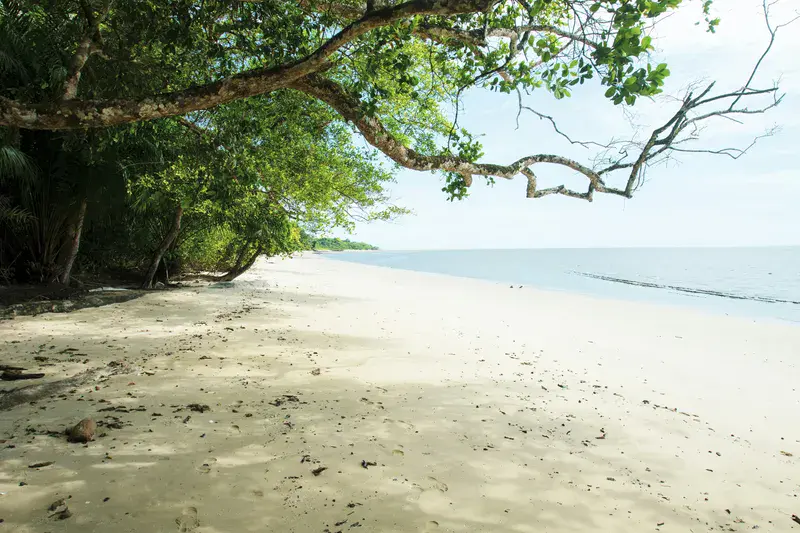
- Natural Beauty: 13 national parks, pristine Atlantic coastline, and extraordinary wildlife
- French Heritage: Strong French influence in culture, cuisine, and daily life
- Small Expat Community: Tight-knit international community, primarily French and Lebanese
- Economic Opportunities: Oil, mining, and forestry sectors attract international professionals
- Geographic Adventure: Gateway to exploring Central Africa's least-visited destinations
Understanding Gabon: Essential Context for Newcomers
Geography and Climate 🌍
Gabon sits on the Atlantic coast of Central Africa, bordered by Equatorial Guinea, Cameroon, and the Republic of Congo. The country is slightly smaller than Colorado, with a population of just 2.3 million—making it one of Africa's least densely populated nations.
The climate is equatorial and humid year-round:
- Dry Season: June to September (most comfortable)
- Rainy Season: October to May (heavy afternoon downpours)
- Average Temperature: 75-86°F (24-30°C) with high humidity
- Coastal Climate: Libreville enjoys sea breezes that moderate the heat
Over 88% of Gabon remains forested, making it one of the world's most ecologically intact countries. The nation has committed to protecting its natural heritage through an extensive national park system.
Economic Overview
Gabon's economy centers on oil extraction (accounting for 80% of exports), making it one of Africa's wealthier nations per capita. However, this wealth distributes unevenly, creating stark contrasts between Libreville's relatively modern infrastructure and rural areas.
Key Economic Indicators:
- GDP per capita: ~$8,600 USD (2023)
- Currency: Central African CFA Franc (XAF), pegged to the Euro
- Main Industries: Oil, manganese mining, timber, agriculture
- Unemployment: ~20% officially, higher in practice
- Business Language: French dominates all formal sectors
The economy's heavy reliance on oil exports creates both opportunities (well-paying jobs for qualified expats) and vulnerabilities (economic fluctuations tied to global oil prices).
Political Landscape
Gabon maintained relative stability under the Bongo family's rule from 1967 to 2023. In August 2023, a military coup ousted President Ali Bongo, installing General Brice Oligui Nguema as transitional president. While the transition has been relatively peaceful, the long-term political trajectory remains uncertain.
What This Means for Expats:
- Ongoing stability but evolving political landscape
- Strong French influence continues (France maintains military presence)
- Rule of law generally respected in business dealings
- Monitoring of political developments advised for all residents
Official government portal: Service-Public Gabon
Visa Options and Immigration Requirements
Gabon's visa system reflects its position as an oil-dependent economy that welcomes skilled foreign workers while protecting local employment. The process requires patience and often benefits from local sponsorship or employer support.
Primary Visa Categories
Visa Type | Duration | Requirements | Best For |
|---|---|---|---|
Tourist Visa | 30-90 days | Passport, invitation letter, proof of funds, yellow fever certificate | Initial reconnaissance visits |
Work Permit | 1-2 years (renewable) | Employment contract, employer sponsorship, professional qualifications | Employed expats |
Business Visa | 90 days (multiple entry) | Business registration, invitation from Gabonese company | Entrepreneurs, consultants |
Residence Permit | 1-5 years | Proof of income/employment, housing contract, police clearance | Long-term residents |
Investor/Business Permit | Variable | Business registration, proof of investment, business plan | Business owners |
The Work Permit Process 💼
Most expats arrive on work permits sponsored by employers, particularly in the oil, mining, and development sectors. The process typically follows this sequence:
- Employer Applies: Your Gabonese employer or sponsor initiates the process
- Labor Market Test: Employer must demonstrate the position requires foreign expertise
- Ministry Approval: Ministry of Labor reviews and approves the application
- Visa Issuance: French embassy/consulate issues initial visa
- In-Country Registration: Complete registration within 48 hours of arrival
- Residence Card: Apply for carte de séjour within first month
- Processing Time: 2-4 months from start to finish
- Cost: $200-500 USD in government fees, plus legal/agency costs
- Documentation: Employment contract, diplomas, criminal background check, medical certificate, passport photos
Retirement and Long-Stay Options
Gabon doesn't offer a dedicated retirement visa, making it challenging for retirees without employment or business ties. However, several pathways exist:
Option 1: Business/Investment Route
Register a local business (even a consulting entity) and obtain a business residence permit. Requires demonstrating economic activity and maintaining business registration.
Option 2: Long-Stay Tourist Visa
Some retirees obtain extended tourist visas through local connections or by demonstrating financial independence. This operates in a gray area and requires renewal advocacy.
Option 3: Property-Based Residence
While Gabon doesn't have formal property-ownership visa programs, some expats have obtained extended stays by purchasing real estate and demonstrating financial sufficiency. This requires working with a local attorney.
Practical Reality: Most foreign retirees in Gabon have professional backgrounds connecting them to the country (former employees of French companies, oil sector veterans, or those with Gabonese family connections). True "retirement visa" seekers may find countries with dedicated retirement programs more straightforward.
Essential Visa Requirements
Universal Requirements:
- Yellow Fever Certificate: Mandatory for entry; vaccination required at least 10 days before arrival
- Passport Validity: Minimum 6 months beyond intended stay
- Proof of Funds: Bank statements showing sufficient financial resources
- Accommodation Proof: Hotel reservation or housing contract
- Return Ticket: Proof of onward/return travel
Health Certificates: Medical examinations including HIV testing are required for residence permits. This can be completed at approved clinics in Libreville.
Border Crossings and Regional Access
Gabon's location allows relatively easy travel to neighboring Central African nations, though visa requirements vary. Citizens of CEMAC countries (Cameroon, Central African Republic, Chad, Republic of Congo, Equatorial Guinea) enjoy free movement, while others typically need separate visas.
Official Immigration Resources:
- Ministry of Foreign Affairs: www.diplomatie.gouv.ga
- Immigration Office: Direction Générale de la Documentation et de l'Immigration (DGDI)
For those planning international retirement with multiple potential destinations, exploring your options systematically makes sense. Our Country Rankings help compare visa requirements, costs, and retirement benefits across 100+ countries.
Cost of Living: What to Expect in Gabon
Gabon presents a paradoxical cost structure: expensive by African standards, yet manageable with the right approach. The oil economy inflates prices, particularly in Libreville, but expats who adapt to local shopping patterns and housing options can live comfortably on moderate budgets.
Monthly Budget Breakdown
Here's what different lifestyle tiers look like in Libreville (in USD):
Expense Category | Budget | Moderate | Comfortable | Luxury |
|---|---|---|---|---|
Housing | $400-700 | $800-1,200 | $1,500-2,500 | $3,000+ |
Utilities | $80-120 | $120-180 | $180-250 | $300+ |
Groceries | $250-350 | $400-550 | $600-800 | $1,000+ |
Dining Out | $100-200 | $250-400 | $500-700 | $1,000+ |
Transportation | $50-150 | $200-350 | $500-700 | $1,200+ |
Healthcare | $50-100 | $100-200 | $250-400 | $500+ |
Entertainment | $50-100 | $150-250 | $300-500 | $800+ |
Household Help | $100-200 | $200-350 | $400-600 | $800+ |
Communications | $30-50 | $50-80 | $80-120 | $150+ |
Miscellaneous | $100-150 | $200-300 | $350-500 | $700+ |
TOTAL | $1,210-2,120 | $2,470-3,860 | $4,660-7,070 | $10,450+ |
For comparison, those seeking retirement destinations under $1,000/month should consider alternatives like Guatemala or Ecuador, as Gabon's cost structure doesn't support ultra-budget living.
Housing Costs 🏠
The housing market in Libreville divides sharply between local neighborhoods and expat-oriented areas. Most international residents gravitate toward established expat zones offering better security and infrastructure.
Rental Costs in Libreville:
- Local Apartment (1-bed): $300-600/month (basic amenities, African style)
- Mid-Range Apartment (2-bed): $800-1,500/month (decent building, some expats)
- Expat Apartment (2-bed): $1,500-2,500/month (secure compound, modern)
- Expat Villa (3-4 bed): $2,500-5,000/month (garden, security, full amenities)
- Luxury Villa: $5,000-10,000+/month (diplomatic/executive standard)
Key Considerations:
- Most rentals require 3-6 months advance payment
- Landlords prefer annual contracts paid upfront or quarterly
- Utilities typically not included (electricity is expensive)
- Furnished apartments command 20-30% premium
- Security is a major factor in pricing differentials
Popular Expat Neighborhoods:
- Batterie IV: Traditional expat area, close to beach
- Haut de Gué-Gué: Elevated, good views, diplomatic presence
- Sablière: Mix of local and expat residents
- Louis: Convenient location, varied housing stock
Grocery and Food Costs 🛒
Food prices in Gabon reflect the country's heavy reliance on imports, particularly for items familiar to Western expats. However, those who adapt to local products and shopping patterns significantly reduce costs.
Supermarket Prices (approximate):
- Baguette: $1.50-2.00
- Local rice (1kg): $2.00-3.00
- Imported pasta (500g): $3.00-4.50
- Chicken breast (1kg): $8.00-12.00
- Local fish (1kg): $6.00-10.00
- Eggs (dozen): $4.00-6.00
- Local fruits/vegetables (1kg): $2.00-4.00
- Imported fruits/vegetables (1kg): $5.00-10.00
- Milk (1L): $3.00-4.00
- Wine (imported bottle): $12.00-25.00
- Beer (local, 6-pack): $8.00-12.00
Shopping Strategies:
- Local Markets: Fresh produce, fish, and staples at 40-60% below supermarket prices
- French Supermarkets: Score and Casino carry imported goods at premium prices
- Lebanese/Middle Eastern Shops: Good middle ground for quality and price
- Bulk Buying: Join with other expats to purchase imported items in bulk
Dining Out:
- Local restaurant meal: $5-10
- Mid-range restaurant (per person): $15-30
- Fine dining (per person): $40-80
- Street food (attiéké, grilled fish): $3-7
- Coffee/beer at café: $3-6
Transportation Costs 🚗
Gabon's limited public transportation means most expats rely on personal vehicles or taxis. The roads in Libreville are generally acceptable, but deteriorate quickly outside the capital.
Vehicle Ownership:
- Used car purchase: $5,000-15,000 (Japanese imports popular)
- New car purchase: $25,000-50,000+
- Gasoline: ~$1.20-1.50/liter
- Car insurance: $800-1,500/year
- Maintenance: Higher than Western standards due to road conditions
Alternatives:
- Private taxi services: $5-15 per trip within Libreville
- Motorcycle taxis: $2-5 (less safe, not recommended for expats)
- Car rental: $50-100/day, $1,200-2,000/month
- Driver hire: $300-600/month (popular for expats)
Utilities and Communications 📱
Monthly Utilities:
- Electricity: $100-300+ (expensive, air conditioning drives costs up)
- Water: $20-50
- Internet (fiber): $80-150 for reliable speeds
- Internet (ADSL): $50-80 for slower connections
- Mobile phone: $20-50 (prepaid popular)
- Satellite TV: $50-100
Connectivity Reality: Internet infrastructure has improved but remains inconsistent. Power outages occur regularly, making backup generators standard in expat compounds. Mobile networks (Airtel, Moov Africa) provide decent coverage in urban areas.
Healthcare Costs 💊
Healthcare costs are reasonable but the quality varies significantly. Most expats opt for international health insurance covering medical evacuation.
- Doctor consultation: $30-80
- Specialist consultation: $80-150
- Emergency room visit: $100-300
- Dental cleaning: $50-100
- Prescription medications: Variable (some imported drugs expensive)
- International health insurance: $1,200-5,000/year depending on coverage
Those comparing healthcare abroad vs US costs should note that while Gabon's medical services are less expensive than American care, the quality gap necessitates medical evacuation insurance.
Housing and Real Estate in Gabon
Can Foreigners Buy Property in Gabon?
Yes, foreigners can legally purchase property in Gabon, but the process involves navigating complex bureaucracy, unclear property titles, and limited legal protections. Many expats choose to rent rather than buy due to these challenges.
Legal Framework:
- Foreigners have the same property rights as Gabonese citizens
- No restrictions on foreign property ownership
- Property registration through the Conservation Foncière (Land Registry)
- Title verification can be challenging due to incomplete records
The Reality: Property ownership in Gabon carries significant risks. Title disputes are common, documentation is often incomplete, and legal recourse can be slow and unreliable. The Reddit and expat forum discussions consistently warn about property purchasing pitfalls.
Buying Process Overview
- Find Property: Work with established real estate agents (often Lebanese-owned agencies)
- Title Verification: Hire a reputable lawyer to verify title and search for liens
- Negotiate Price: Everything is negotiable; expect 10-20% below asking price
- Preliminary Contract: Sign promesse de vente with deposit (typically 10%)
- Due Diligence: Lawyer completes all verifications (can take months)
- Final Contract: Sign acte de vente before notary
- Registration: Register with Conservation Foncière
- Tax Payment: Pay transfer tax (approximately 10% of sale price)
Typical Prices (Libreville):
- Small apartment: $50,000-100,000
- Mid-range apartment (2-bed): $100,000-200,000
- Villa in expat area: $200,000-500,000
- Luxury villa: $500,000-1,500,000+
- Beachfront property: Premium pricing, limited availability
Critical Warning: Many expats who purchased property in Gabon have reported title disputes, difficulty selling, and unclear ownership chains. Unless you have strong local connections, long-term residence plans, and expert legal representation, renting is typically the wiser choice.
Rental Market Deep-Dive
The rental market operates on personal connections and advance payments. Finding quality housing requires time, local contacts, and patience.
Finding Rentals:
- Word-of-mouth through expat networks (most reliable)
- Real estate agencies (primarily serve corporate clients)
- Facebook groups: "Expats in Libreville," "Logement Gabon"
- Local newspaper classifieds (French language)
- Lebanese and French business community connections
Lease Terms:
- Standard lease: 12 months
- Payment: Often 6-12 months in advance
- Deposits: 2-3 months' rent (may be difficult to recover)
- Renewal: Typically automatic with 30-60 days notice
- Furnished vs. Unfurnished: Furnished rentals more common in expat market
What's Typically Included:
- Basic fixtures and fittings
- Security features (gates, guards in compounds)
- Generator backup (in better buildings)
- Water tanks (to handle supply interruptions)
Not Usually Included:
- Utilities (electricity, water, internet)
- Air conditioning (often installed separately)
- Appliances (even in unfurnished apartments)
- Maintenance and repairs (clarify responsibilities)
Regional Differences
Libreville: 90% of expats live in the capital, where infrastructure and housing stock concentrate.
Port-Gentil: Second city, oil industry hub. Housing primarily serves oil workers, with company-provided accommodation common. Limited private rental market.
Franceville: Smaller city in southeast. Very limited expat presence and housing options.
Rural Areas: Essentially no expatriate housing infrastructure outside major cities.

Healthcare System and Medical Facilities
Healthcare in Gabon presents one of the most significant challenges for expats, particularly those accustomed to Western medical standards. While Libreville has some acceptable facilities, the overall system suffers from limited equipment, medication shortages, and inconsistent standards.
Healthcare Infrastructure
Public Healthcare: Public hospitals and clinics exist throughout Libreville and major cities but rarely meet international standards. Shortages of equipment, medications, and trained staff are common. Most expats avoid public facilities except in emergencies.
Private Healthcare: Private clinics in Libreville provide better care but still fall short of Western standards:
- Clinique Mandji: Best private facility in Libreville, offers general medical services
- Clinique du Centre: Decent for routine care and minor procedures
- Centre Hospitalier de Libreville: Main public hospital, renovated but still challenged
- Pharmacy Network: Reasonably well-stocked in Libreville for common medications
What's Available:
- Routine consultations and checkups ✓
- Common diagnostics (X-ray, basic lab work) ✓
- Minor surgeries and procedures ✓
- Dental care (variable quality) ✓
- Emergency stabilization ✓
What's Limited or Unavailable:
- Complex surgeries ✗
- Advanced cancer treatment ✗
- Specialized cardiac care ✗
- Advanced imaging (MRI limited) ✗
- Consistent specialist care ✗
Medical Evacuation Reality 🚁
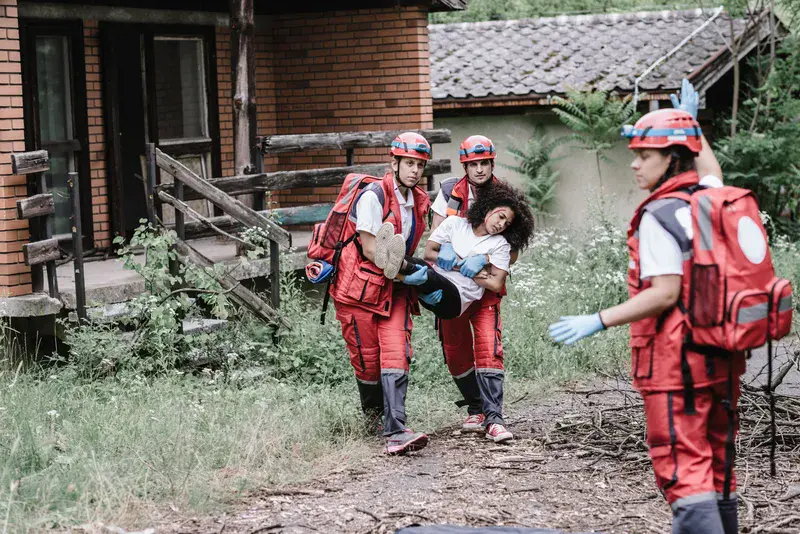
Nearly all expats in Gabon maintain international health insurance with medical evacuation coverage. For serious conditions or major procedures, evacuation to South Africa, France, or Morocco is standard protocol.
Evacuation Destinations:
- South Africa: Most common (6-hour flight to Johannesburg)
- France: For French expats or complex cases
- Morocco: Increasingly popular, good facilities in Casablanca and Rabat
- Kenya: Nairobi serves as regional medical hub
Insurance Considerations: Medical evacuation coverage is non-negotiable for Gabon. Policies should include:
- Minimum $100,000 evacuation coverage
- Direct billing arrangements
- 24/7 emergency assistance
- Coverage for evacuation companion
- Repatriation coverage
Recommended Insurers:
- Allianz Worldwide Care
- Cigna Global
- Aetna International
- GeoBlue (for Americans)
- April International (popular with French expats)
Annual premiums typically range from $1,500-5,000 depending on age, coverage level, and deductible choices. For more details on international health insurance options, consult comprehensive guides.
Pharmacies and Medications 💊
Libreville has several pharmacies stocking common medications, though supply can be inconsistent. Many expats maintain stockpiles of essential medications or arrange deliveries from France or South Africa.
Tips for Managing Medications:
- Bring 6-month supply when relocating
- Carry prescription documentation for customs
- Identify reliable pharmacies early (French-owned typically best stocked)
- Consider online pharmacies shipping from France or South Africa
- Keep backup supplies of essential medications
- Store medications properly (heat and humidity affect stability)
Tropical Health Considerations
Living in equatorial Africa requires awareness of tropical diseases and preventive measures:
Key Health Risks:
- Malaria: Present year-round; prophylaxis recommended
- Yellow Fever: Vaccination mandatory, boosters every 10 years
- Dengue: Occurs periodically, no vaccine available
- Typhoid: Vaccination recommended
- Hepatitis A & B: Vaccination strongly recommended
- Meningitis: Occasional outbreaks
- Parasitic Infections: Water and food-borne risks
Preventive Measures:
- Malaria prophylaxis (Malarone or Doxycycline common)
- Mosquito prevention (nets, repellent, screens)
- Water purification or bottled water only
- Food safety vigilance
- Regular health screenings
- Comprehensive travel vaccinations before arrival
Mental Healthcare
Mental health services are extremely limited in Gabon. The few available psychologists and counselors primarily serve the French expatriate community. Telehealth services from your home country may be the most viable option for ongoing mental health support.
Safety and Security: Is Gabon Safe?
The question "is Gabon safe?" lacks a simple answer. Gabon is relatively stable compared to many African nations, but security concerns exist, particularly in Libreville. Understanding the risk landscape and taking appropriate precautions allows most expats to live safely.
Crime and Personal Safety
Current Security Situation: Gabon maintains relative stability despite the 2023 military coup. Crime primarily consists of petty theft, burglary, and occasional armed robbery targeting perceived-wealthy foreigners.
Common Crime Types:
- Petty Theft: Pickpocketing, bag snatching in markets and crowded areas
- Residential Burglary: Break-ins targeting expat homes and compounds
- Armed Robbery: Occurs but less frequent; typically targets commercial establishments
- Vehicle Crime: Car theft, carjacking (rare but documented)
- Scams: Romance scams, business fraud, fake police officers
High-Risk Areas/Situations:
- Walking alone at night in any area
- Displaying wealth (jewelry, expensive phones, cameras)
- Withdrawing large sums at ATMs
- Unlicensed taxis (particularly at night)
- Isolated beaches and parks
- Border regions (particularly near Equatorial Guinea)
Lower-Risk Situations:
- Guarded expat compounds during daytime
- Established restaurants and hotels
- Group activities with other expats
- Daylight hours in commercial districts
- Organized tours to national parks
Practical Security Measures
Essential Precautions:
- Housing: Choose accommodations with security features (gates, guards, walls)
- Transportation: Use known taxi services or personal driver; avoid walking at night
- Valuables: Keep jewelry, expensive watches, and conspicuous wealth at home
- Cash: Carry minimal cash; use ATMs during daytime inside banks or malls
- Awareness: Stay alert to surroundings; avoid appearing distracted
- Compounds: Most expats live in guarded compounds sharing security costs
- Vehicle Security: Keep doors locked, windows up; don't leave valuables visible
- Local Contacts: Develop relationships with trustworthy locals who can advise on current conditions
Women's Safety
Women expats generally report feeling safe in Libreville with appropriate precautions. The French cultural influence creates somewhat more progressive attitudes than in some African countries, but street harassment occurs.
Specific Recommendations:
- Avoid walking alone after dark
- Dress modestly by local standards (though Libreville is relatively cosmopolitan)
- Use trusted transportation rather than walking long distances
- Join women's expat groups for community and advice
- Be cautious about displaying wealth or expensive items
LGBTQ+ Considerations
Homosexuality is legal in Gabon, which sets it apart from many African nations. However, societal acceptance is limited, and LGBTQ+ individuals maintain discretion. The expatriate community is generally more accepting than local society.
Health Security
Beyond crime, health security concerns include:
- Access to emergency medical care
- Disease outbreaks (periodic dengue, measles)
- Medical evacuation access
- Food and water safety
Natural Disasters
Gabon has low risk for natural disasters:
- Earthquakes: Very low risk
- Floods: Seasonal flooding in rainy season, rarely severe
- Storms: Tropical storms occur but rarely reach hurricane strength
- Wildlife: Elephant and hippo encounters in rural areas; respect wildlife distance
Official Safety Resources
Government Resources:
- U.S. Embassy Libreville: ga.usembassy.gov
- UK Foreign Office: Travel advice for Gabon
- French Embassy: www.ambafrance-ga.org
Emergency Numbers:
- Police: 1730 or 177
- Fire: 18 or 1813
- Emergency Medical: 1300
Reality Check: Response times for emergency services are often slow, and language barriers complicate communication. Expats typically rely on private security firms and their own networks rather than official emergency services.
For those planning emergency preparedness abroad, Gabon's limited emergency infrastructure makes advance planning particularly critical.
Working and Business Opportunities in Gabon
Gabon's employment market centers on resource extraction industries, with limited opportunities outside oil, mining, and related services. Most expat employment involves company transfers or contract positions with international firms.
Primary Employment Sectors
Oil and Gas 🛢️
The dominant employer of foreign professionals. Companies include Total, Shell, Perenco, and various service companies.
- Positions: Engineers, geologists, project managers, safety specialists, logistics coordinators
- Compensation: $60,000-200,000+ USD annually depending on role and experience
- Conditions: Often rotation schedules (4-6 weeks on, 2-4 weeks off)
- Housing: Usually provided by employer
- Benefits: Medical evacuation insurance, flights home, danger pay
Mining
Manganese extraction is Gabon's second-largest export. Companies include Comilog (Eramet Group) and various exploration firms.
- Positions: Mining engineers, environmental specialists, operations managers
- Compensation: $50,000-150,000 USD annually
- Conditions: Often remote postings requiring adaptability
Forestry and Agriculture
Gabon's forests attract sustainable logging companies and conservation organizations.
- Positions: Forestry managers, agronomists, sustainability consultants
- Compensation: $40,000-100,000 USD
- Organizations: Both private companies and NGOs
International Development and NGOs
Various international organizations operate in Gabon focused on conservation, healthcare, and development.
- Organizations: WWF, Wildlife Conservation Society, UN agencies, EU programs
- Positions: Project managers, technical advisors, researchers
- Compensation: $35,000-90,000 USD depending on organization and role
Education
International schools employ expat teachers, particularly those with French and English fluency.
- Institutions: Lycée Français, American School of Libreville, international preschools
- Positions: Teachers, administrators
- Compensation: $30,000-70,000 USD plus housing allowance
- Benefits: School holidays align with vacation travel opportunities
Hospitality and Tourism
Limited but growing sector with lodges and eco-tourism operations.
- Positions: Lodge managers, tour guides, hospitality managers
- Compensation: $25,000-60,000 USD
- Lifestyle: Often remote locations with unique lifestyle
Starting a Business in Gabon
Gabon's business environment presents challenges: bureaucratic complexity, unclear regulations, corruption concerns, and a small domestic market. However, opportunities exist for those with local connections and patience.
Business Registration Process:
- Reserve business name (ANPI - National Agency for Investment Promotion)
- Draft articles of incorporation with lawyer
- Open bank account and deposit minimum capital
- Register with Commercial Court
- Register for taxes (tax identification number)
- Register with social security (CNSS)
- Obtain business license from relevant ministry
- Register with Chamber of Commerce
- Timeline: 2-6 months typically
- Costs: $2,000-10,000 including legal fees, registration, and capital requirements
- Minimum Capital: 10 million XAF (~$16,500 USD) for SARL (limited liability company)
Business Opportunities:
- Import/Distribution: Gabon imports most goods; distribution businesses serve niche markets
- Services: Professional services (consulting, IT, marketing) for oil sector
- Hospitality: Restaurants, hotels, eco-lodges (requires significant capital)
- Online Business: Location-independent businesses operating from Gabon
- French Market Access: Gabon as base for broader Francophone African operations
Critical Challenges:
- Complex bureaucracy and corruption
- Small local market (2.3 million population)
- High operating costs
- Difficulty importing goods
- Unreliable infrastructure
- Need for local partners (practically required)
Government Business Resources:
- ANPI (National Agency for Investment Promotion): www.anpi.ga
- Chamber of Commerce: Chambre de Commerce Gabon
Remote Work and Digital Nomad Viability
Gabon isn't typically considered a digital nomad destination, but remote workers with adventurous spirits occasionally base themselves in Libreville.
Viability Assessment:
- ✓ Legal: No restrictions on remote work for foreign companies
- ✓ Internet: Fiber available in Libreville (50-100 Mbps)
- ✗ Infrastructure: Frequent power outages require backup solutions
- ✗ Coworking: No established coworking spaces
- ✗ Community: Very limited digital nomad community
- ✓ Time Zone: GMT+1 (workable for Europe, challenging for Americas)
- ✗ Cost: Expensive for a digital nomad lifestyle
Making Remote Work Function:
- Choose accommodation with reliable generator backup
- Invest in mobile data backup (4G hotspot)
- Build routine around infrastructure limitations
- Connect with French expat business community
- Plan work schedule around power reliability windows
Realistically, unless you have specific reasons to be in Gabon (partner's work, particular interest in Central Africa, research opportunities), more established remote work destinations like Croatia or Georgia offer better infrastructure and value. For detailed comparisons, see our digital nomad visa guide.
Education and Schools
Expat families in Gabon concentrate in Libreville where international schools provide education following French, American, or international curricula.
International Schools
Lycée Français Paul Émile Victor
- Curriculum: French national curriculum
- Languages: French primary, English secondary
- Grades: Preschool through Terminale (Grade 12)
- Annual Fees: $8,000-15,000 USD
- Website: lyceelibreville.ga
- Notes: Largest international school, strong academics, follows French system
American School of Libreville
- Curriculum: American curriculum
- Languages: English primary, French instruction available
- Grades: Preschool through Grade 12
- Annual Fees: $10,000-18,000 USD
- Accreditation: Not universally accredited but recognized by many universities
- Notes: Small school, tight-knit community, good for American families
Ruban Vert International School
- Curriculum: International Baccalaureate (IB) Primary Years Programme
- Languages: Bilingual French/English
- Grades: Preschool through Grade 6
- Annual Fees: $7,000-12,000 USD
- Notes: Growing school with modern approach
Education Considerations for Families
Pros:
- Small class sizes in international schools
- Strong French language immersion opportunity
- Diverse international student body
- Affordable compared to international schools in Europe or Asia
Cons:
- Limited extracurricular options compared to larger expat hubs
- Fewer advanced placement or specialized programs
- Teacher turnover can be high
- Limited high school options (most families return to home countries)
Boarding School Option: Many expat families send older children to boarding schools in France, South Africa, Kenya, or their home countries, particularly for high school. This is common among oil sector families on rotation schedules.
Families considering relocating abroad with children and pets should carefully evaluate whether Gabon's limited services meet their family's needs.
Expat Life in Gabon: What It's Really Like
Living in Gabon as an expat requires adaptability, patience, and a genuine willingness to embrace a frontier lifestyle. The Reddit discussions and expat forums paint a consistent picture: Gabon rewards those seeking adventure and unique experiences while challenging those expecting Western conveniences.
The Expat Community
The expat community in Libreville is small but tight-knit, centered primarily around French, Lebanese, and oil sector internationals.
Community Characteristics:
- Size: Few thousand expats total in Gabon, mostly in Libreville
- Composition: French (largest group), Lebanese, other West Africans, Americans, British, other Europeans
- Social Life: Revolves around private gatherings, beach clubs, restaurants
- Networking: Strong emphasis on personal connections and mutual support
- Integration: Most expats maintain separate social circles from local Gabonese
Social Venues:
- French Cultural Center (Centre Culturel Français)
- Sports clubs and beach facilities
- International restaurants (French, Lebanese, Italian)
- Private homes and compound gatherings
- Weekend beach trips and national park excursions
Online Communities:
- Facebook: "Expats in Libreville," "Gabon Expat Network"
- InterNations chapters (small but active)
- WhatsApp groups organized by nationality or interest
Daily Life Realities
Infrastructure Challenges: Living in Gabon means adapting to infrastructure limitations that can frustrate those accustomed to reliable services.
Common Frustrations:
- Power Outages: Frequent, sometimes lasting hours; generators essential
- Water Supply: Interruptions common; water tanks standard in homes
- Internet: Better than years past but still inconsistent
- Roads: Deteriorate quickly; potholes common even in Libreville
- Banking: Slow processes, limited ATM networks, cash still dominant
- Bureaucracy: Everything takes longer than expected
Daily Routine Adaptations:
- Planning activities around power availability
- Maintaining backup water and food supplies
- Flexible approach to appointments and schedules
- Building buffer time into all plans
- Developing patience with administrative processes
Cultural Adaptation 🌍
Gabon blends Central African, French colonial, and indigenous cultures, creating a unique environment requiring cultural sensitivity.
Key Cultural Considerations:
French Language: Essential for daily life. English speakers face significant challenges without French proficiency. Most expats either arrive with French skills or commit to intensive learning.
Pace of Life: "African time" is real—punctuality is flexible, processes are slow, and patience is essential. Fighting this reality creates frustration; accepting it reduces stress.
Relationship-Based Society: Personal connections matter enormously. Business, housing, and services all operate more smoothly with established relationships. Invest time in building trust.
Hierarchy and Respect: Gabonese society values age, position, and formal courtesy. Greetings are important; rushing straight to business is considered rude.
Direct vs. Indirect Communication: Unlike stereotypically direct Western communication, Gabonese culture often uses indirect communication to preserve harmony. Learning to read between the lines helps.
Social Life and Entertainment
Entertainment options in Libreville are limited compared to major cities, requiring creativity and self-direction.
Weekend Activities:
- Beaches: Pointe Denis (boat ride from Libreville), local beaches
- National Parks: Day trips or weekend excursions to nearby parks
- Restaurants: French, Lebanese, Italian cuisine dominate expat dining
- Beach Clubs: Private clubs offer swimming, dining, social events
- House Parties: Much social life happens in private homes
- Sports: Tennis, golf, diving, fishing
- Cultural Events: French Cultural Center hosts films, concerts, exhibitions
Travel Opportunities: Gabon's location enables exploration of Central Africa:
- Domestic: 13 national parks including Loango (surfing hippos!)
- São Tomé and Príncipe: Easy flight, beautiful islands
- Regional: Cameroon, Republic of Congo (visa required)
- Europe: Direct flights to Paris (6-7 hours)
- South Africa: Popular for shopping, medical, and holiday trips
Food and Dining 🍽️
The food scene reflects French influence with African ingredients and growing international options.
Restaurants:
- French: Several excellent French restaurants serving classic cuisine
- Lebanese: Strong Lebanese community supports quality Middle Eastern restaurants
- Italian: Pizza and pasta available at multiple venues
- African: Local Gabonese cuisine includes fresh fish, cassava, plantains
- Asian: Limited but growing Chinese and Vietnamese options
Local Food Highlights:
- Attiéké: Cassava couscous, staple accompaniment
- Poulet Nyembwe: Chicken in palm nut sauce
- Grilled Fish: Fresh from Atlantic, simply prepared
- Brochettes: Grilled meat skewers
- Tropical Fruits: Mangoes, papayas, pineapples
Grocery Shopping: Imported French products fill supermarkets at premium prices, while local markets offer fresh produce, fish, and staples more affordably. Most expats shop at both.
Weather and Climate Reality ☀️🌧️
The equatorial climate impacts daily life significantly:
Year-Round Characteristics:
- High humidity (80-90%)
- Warm temperatures (75-86°F / 24-30°C)
- Short days (minimal seasonal variation)
- Intense sun requiring protection
Seasonal Patterns:
- Dry Season (June-September): Most pleasant, less rain, slightly cooler
- Rainy Season (October-May): Heavy afternoon downpours, high humidity, occasional flooding
Adaptation Strategies:
- Air conditioning essential for comfortable sleep
- Dehumidifiers prevent mold growth
- Waterproof gear always necessary
- Plan outdoor activities for dry season
- Accept that mildew is a constant battle
Raising Families in Gabon 👨👩👧👦
Families who thrive in Gabon typically have adventurous spirits and realistic expectations.
Advantages:
- Tight-knit expat family community
- Children develop cultural awareness and adaptability
- French language immersion
- Unique African experiences (wildlife, culture)
- Domestic help affordable (eases parenting demands)
- Safe compounds provide play spaces
Challenges:
- Limited healthcare for children's emergencies
- Fewer organized activities than Western countries
- High school options limited (boarding school common)
- Environmental health concerns (malaria prevention)
- Difficult to find specialized services (therapists, tutors)
Most expat families in Gabon are on temporary assignments (2-5 years) rather than permanent relocations. This mindset—treating Gabon as an adventure rather than forever home—helps families navigate challenges.
Household Help and Domestic Staff
Most expat families employ household help, which is standard practice and makes managing daily life more manageable.
Common Staff:
- Housekeeper/Cleaner: $150-300/month full-time
- Cook: $200-400/month
- Gardener: $100-200/month part-time
- Security Guard: $200-350/month (often shared in compounds)
- Nanny/Childcare: $200-400/month
- Driver: $300-600/month
Employment Considerations:
- Formal contracts recommended
- Social security contributions required
- Clear expectations and communication essential
- References and background checks standard
- Fair wages and treatment expected
- Live-in vs. live-out arrangements both common
Regional Breakdown: Beyond Libreville
While most expats concentrate in Libreville, understanding the rest of Gabon provides context and potential exploration opportunities.
Libreville: The Capital 🏙️
Population: ~800,000 (nearly 40% of country's population)
Character: French-influenced coastal capital with beaches, restaurants, and Gabon's best infrastructure
Neighborhoods:
- Batterie IV: Established expat area, beachfront, restaurants
- Quartier Louis: Central, mixed local/expat, convenient
- Sablière: Residential, some expat presence
- Haut de Gué-Gué: Elevated area, diplomatic quarter
- Lalala: Growing area, more affordable housing
Advantages: All services, international schools, healthcare, expat community, entertainment, beach access, international airport
Disadvantages: Traffic congestion, higher costs, limited authentic African experience, infrastructure still challenging
Port-Gentil: The Oil Capital 🛢️
Population: ~140,000
Character: Oil industry hub on peninsula, accessible only by boat or plane
Expat Presence: Primarily oil sector workers, often on rotation schedules
Living Situation: Most accommodation is company-provided. Limited independent expat presence. Higher costs than Libreville for many items due to isolation.
Pros: Oil sector salaries, ocean access, tight expat community
Cons: Isolation, limited services beyond oil sector needs, expensive, not accessible by road
Franceville: The Interior Capital
Population: ~110,000
Character: University town in southeast, more authentically Gabonese
Expat Presence: Minimal—primarily mining sector or conservation workers
Infrastructure: Basic services available but limited compared to Libreville
Interest: Gateway to Batéké Plateaux National Park, more affordable living, university presence
National Parks: Gabon's Crown Jewels 🦍
Gabon's commitment to conservation has created 13 national parks covering 11% of the country—one of the highest percentages in the world.
Notable Parks:
Loango National Park
- "Africa's Last Eden"
- Famous for surfing hippos, forest elephants on beaches, whales (seasonal)
- Accessible safari lodges available
- Weekend trips possible from Libreville
Ivindo National Park
- Kongou and Mingouli waterfalls
- Pristine rainforest
- Gorilla and chimpanzee populations
- Remote, requires expedition-style travel
Lopé National Park
- UNESCO World Heritage Site
- Savanna-forest mosaic
- Accessible by train from Libreville
- Good wildlife viewing
Pongara National Park
- Closest to Libreville (across bay)
- Beaches, mangroves, sea turtles
- Easy day trips or weekend getaways
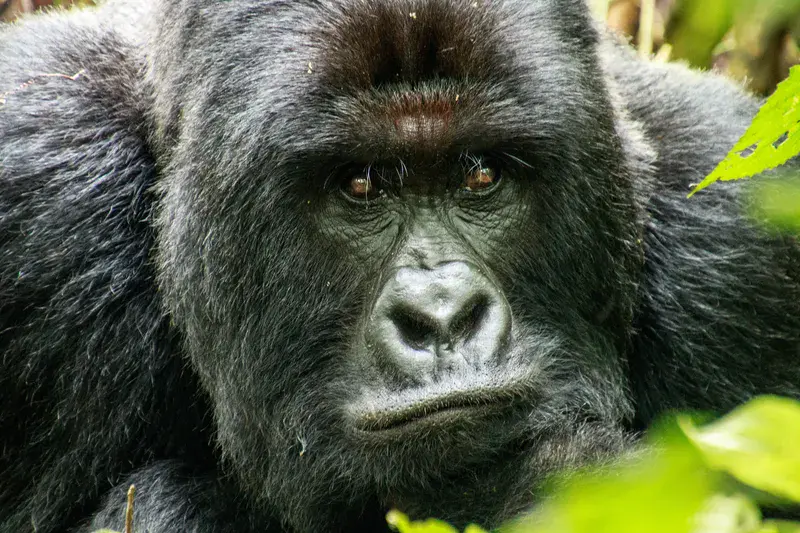
Wildlife Opportunities: Living in Gabon provides access to extraordinary wildlife: forest elephants, lowland gorillas, chimpanzees, hippos, buffalo, leopards, multiple monkey species, sea turtles, and humpback whales (seasonal).
Practical Preparations: Getting Ready to Move
Pre-Departure Checklist
6 Months Before:
✅ Research visa requirements and begin application process
✅ Secure employment or establish business plan
✅ Get comprehensive health insurance with evacuation coverage
✅ Schedule complete medical and dental checkups
✅ Begin required vaccinations (yellow fever requires 10-day lead time)
✅ Research housing options and contact agents/networks
✅ Learn or improve French language skills
✅ Sort financial affairs (banking, taxes, investments)
3 Months Before:
✅ Finalize visa and work permit applications
✅ Complete vaccination series (typhoid, hepatitis, meningitis)
✅ Arrange shipping for belongings (if bringing)
✅ Set up international banking access
✅ Purchase comprehensive travel/expat insurance
✅ Research schools if relocating with children
✅ Obtain multiple copies of important documents
✅ Prepare apostilled documents if needed
1 Month Before:
✅ Confirm housing arrangements
✅ Book flights
✅ Start malaria prophylaxis if recommended by doctor
✅ Pack medications for 6-month supply
✅ Set up phone/communication plan
✅ Notify banks of international move
✅ Join expat Facebook groups
✅ Prepare cash in USD or Euros for initial expenses
Upon Arrival:
✅ Register with immigration within 48 hours
✅ Register with embassy/consulate
✅ Set up local bank account
✅ Obtain local phone SIM card
✅ Begin residence permit application process
✅ Connect with expat community
✅ Identify doctor, pharmacy, reliable services
Banking and Financial Considerations 💰
Currency: Central African CFA Franc (XAF), pegged to the Euro at 655.957 XAF = 1 EUR
Banking Options:
- BGFI Bank: Largest in Gabon, most ATM network
- Banque Gabonaise et Française Internationale: Good for French expats
- Orabank: Regional African bank
- Ecobank: Pan-African bank with regional presence
- UBA: United Bank for Africa
Banking Reality:
- Opening accounts requires extensive documentation
- International transfers are slow (7-14 days common)
- ATM withdrawal limits are low ($100-200 per transaction)
- Credit cards accepted at major hotels, restaurants; cash dominates elsewhere
- Online banking exists but can be unreliable
- Keep accounts in home country for flexibility
Financial Tips:
- Bring USD or EUR cash for initial period
- Establish TransferWise/Wise account for international transfers
- Maintain home country banking relationship
- Budget for higher transaction fees
- Keep adequate cash reserves due to banking inefficiencies
- Consider cryptocurrency for international transfers (growing among expats)
For Americans managing finances abroad, understanding how to maintain your US credit score and avoiding banking blacklist issues is essential.
Tax Considerations
Gabonese Taxation: Gabon taxes worldwide income for residents. Tax rates are progressive, reaching 35% for highest earners. Most expats on employment contracts have taxes handled by employers.
Key Tax Points:
- Tax residence established after 183 days in country
- Progressive income tax rates (5-35%)
- Social security contributions required
- Double taxation treaties exist with some countries (including France, US)
- Employment contracts often include "net" salary (employer covers taxes)
US Citizens: US citizens must file US taxes regardless of residence. The Foreign Earned Income Exclusion (approximately $120,000 for 2024) and Foreign Tax Credit help minimize double taxation. For comprehensive guidance, see our US expat tax guide.
Professional Advice Essential: Given complex international tax situations, consult with tax professionals specializing in expat taxation before and after relocation. Our tax optimization playbook provides additional strategies.
Shipping and Logistics
Options:
- Air Freight: Fast (1-2 weeks) but expensive; best for essentials only
- Sea Freight: Slow (6-12 weeks) but more economical for larger shipments
- Excess Baggage: For small moves, extra airline baggage can be cost-effective
Shipping Realities:
- Customs clearance is slow and requires patience
- Duties and taxes can be substantial (plan for 20-30% of declared value)
- Using a customs broker is highly recommended
- Some items face import restrictions (check current regulations)
- Delays are common; don't ship items you need immediately
What to Bring:
- ✓ Medications (6-month supply minimum)
- ✓ Electronics (laptops, phones, tablets)
- ✓ Professional equipment if needed for work
- ✓ Specialty dietary items unavailable in Gabon
- ✓ Clothing suitable for tropical climate
- ✓ Personal documents (multiple copies)
- ✓ Photos and sentimental items
What Not to Bring:
- ✗ Large furniture (expensive to ship, available locally)
- ✗ Heavy appliances (wrong voltage, available locally)
- ✗ Items available in local French supermarkets
- ✗ Vehicles (import duties are prohibitive)
Making the Decision: Is Gabon Right for You?
Gabon isn't for everyone. The infrastructure challenges, limited healthcare, isolation from family, and adaptation requirements make it unsuitable for expats seeking comfort and convenience. However, for specific profiles, Gabon offers unique opportunities.
Who Thrives in Gabon ✅
Adventure-Seeking Retirees
If you're 50+ with strong financial resources, excellent health, and genuine interest in exploring Central Africa, Gabon provides an unconventional retirement adventure. The combination of French culture, African authenticity, and extraordinary nature appeals to those bored by typical retirement destinations like Spain or Belize.
Oil and Resource Sector Professionals
Engineers, project managers, and technical specialists in extraction industries find lucrative opportunities with compensation packages that acknowledge hardship conditions. If you're building wealth through high-earning years, Gabon's tax structure and salaries can accelerate financial goals toward financial independence.
Conservation and Research Professionals
Gabon's commitment to protecting rainforests and wildlife creates opportunities for conservation biologists, ecologists, and sustainability professionals. Living in one of the world's most biodiverse countries provides career fulfillment despite logistical challenges.
French-Speaking Expats Seeking Authenticity
Francophone expats who have lived in overbuilt expat destinations and want genuine cultural immersion in a French-speaking African context find Gabon refreshing. The small expat community and integration with French culture create a different dynamic than massive expat hubs.
Remote Professionals with Specific Gabon Interest
Digital nomads or remote workers with partners in Gabon, research interests, or specific reasons to base in Central Africa can make it work with proper preparation and realistic expectations about infrastructure.
Who Struggles in Gabon ❌
Retirees with Health Concerns
If you have chronic health conditions, need regular specialist care, or cannot tolerate 6+ hour evacuation times to quality healthcare, Gabon is unsuitable. The medical infrastructure cannot support complex health needs. Consider destinations with better healthcare infrastructure instead.
Families with Teenagers
The limited high school options and lack of extracurricular activities make Gabon challenging for families with teenagers. Most expat families leave before high school years or send children to boarding schools.
Those Expecting First-World Infrastructure
If inconsistent power, water interruptions, and unreliable internet frustrate rather than challenge you, Gabon will disappoint. Success requires embracing limitations rather than fighting them.
Non-French Speakers Unwilling to Learn
Without French fluency, daily life becomes extremely difficult. While some expats in oil compounds operate in English, anyone engaging with local culture, government, or services needs French.
Comfort-Seeking Retirees
If retirement means predictable infrastructure, extensive healthcare access, diverse entertainment, and established expat communities, Portugal or Spain, or Southeast Asian destinations better fit your needs.
Planning Tools and Resources
Making an informed decision about relocating to Gabon—or comparing it against alternative destinations—benefits from structured analysis and planning tools.
Comparing Gabon to Alternative Destinations
Before committing to Gabon, systematically evaluate how it compares to other potential expat and retirement destinations. Our comprehensive country rankings and best places to retire abroad guides help identify whether Gabon's unique characteristics align with your priorities.
For those considering Gabon as part of an early retirement strategy, particularly leveraging geographic arbitrage, understanding the financial implications is essential. Many expats use geographic arbitrage to accelerate their path to financial independence.
Financial Independence Planning
While Gabon isn't typically a FIRE (Financial Independence, Retire Early) destination, some remote professionals and early retirees do base themselves there. The FIRE calculator helps evaluate whether Gabon's cost structure aligns with your financial independence goals.
Pros and Cons: The Honest Assessment
Advantages of Living in Gabon ✅
Unique Positioning
- One of Africa's most biodiverse countries with extraordinary wildlife
- Relatively stable politically compared to regional neighbors
- Small expat community creates tight social bonds
- Gateway to exploring under-visited Central African countries
- Strong French cultural influence providing familiar frameworks
- Oil wealth creates pockets of good infrastructure
Natural Environment
- 13 national parks offering world-class wildlife viewing
- Pristine Atlantic beaches with minimal development
- Year-round warm climate
- 88% forest coverage providing ecological authenticity
- Opportunities to see rare species (gorillas, forest elephants, surfing hippos)
Practical Benefits
- French language immersion opportunity
- Affordable domestic help makes daily life manageable
- Lower crime than many African capitals
- Direct flights to Paris (good European connectivity)
- Legal framework recognizes foreign property ownership
- No LGBTQ+ legal restrictions (rare for Africa)
Professional Opportunities
- Lucrative oil sector positions with strong compensation packages
- Conservation career opportunities in pristine ecosystems
- Less saturated market for consultants and service providers
- Potential to build unique professional experience
Disadvantages of Living in Gabon ❌
Infrastructure Challenges
- Frequent power outages requiring generator backup
- Inconsistent water supply necessitating storage tanks
- Limited and expensive internet (improving but still challenging)
- Poor road conditions even in capital
- Minimal public transportation
- Slow and unreliable banking systems
Healthcare Limitations
- No facilities meeting advanced Western standards
- Medical evacuation necessary for serious conditions
- Limited specialist availability
- Medication supply inconsistencies
- Mental health services essentially unavailable
- Constant tropical disease risks (malaria, dengue)
Cost Structure
- Expensive by African standards due to oil economy
- Imported goods carry premium prices
- Housing costs high in expat-suitable areas
- Limited budget accommodation options for expats
- High utilities costs (especially electricity for AC)
Practical Challenges
- French language essential (non-negotiable)
- Complex and slow bureaucracy
- Small local market limits business opportunities
- Isolation from family in home countries
- Limited entertainment and cultural activities
- Few organized expat activities or clubs
- Difficult to find specialized services
Social and Cultural
- Very small expat community may feel isolating
- Limited integration between expat and local communities
- Dating pool extremely limited for single expats
- Food variety limited despite French restaurants
- Weather (high humidity) challenging for some
- Everything takes longer than expected
Next Steps: Moving Forward with Your Gabon Plans
Immediate Actions
If Seriously Considering Gabon:
- Visit First: Never commit to moving without visiting. Spend 2-4 weeks in Libreville, explore neighborhoods, meet expats, and assess whether the reality matches your expectations.
- Secure Employment or Business Foundation: Unless you have substantial independent wealth, establish work or business plans before relocating. Gabon is expensive and requires income security.
- Master French: If not already fluent, invest seriously in French language learning. This is non-negotiable for success in Gabon.
- Connect with Current Expats: Join Facebook groups, reach out to expats on LinkedIn, and build your network before arrival. These connections become lifelines.
- Arrange Comprehensive Insurance: Secure international health insurance with medical evacuation coverage before booking flights. This is essential, not optional.
- Prepare Financially: Build cash reserves, establish international banking, and understand tax implications for your citizenship before relocating.
Alternative Paths
If Gabon Seems Too Challenging:
Consider these alternatives that offer some of Gabon's benefits with better infrastructure:
- Morocco: French-speaking, African culture, better infrastructure, established expat communities
- Senegal: West African experience, French language, more expats, better services
- Cape Verde: African island living, easier logistics, growing expat presence
- Mauritius: Tropical island, better infrastructure, English/French, established retirement programs
- Portugal: Strong expat infrastructure, retirement visas, coastal living, European healthcare

8 Tax-Free and Underrated Retirement Havens for 2025 (Antigua, Gabon & Beyond)
Explore 8 off-the-radar countries like Gabon, Antigua & Comoros where expats enjoy tax-free or low-tax retirement with real geoarbitrage perks.

The Expat’s Health Insurance Handbook: Navigating Coverage Overseas
Master healthcare with this guide - compare insurance, get expert tips on choosing the right policy, and avoid common pitfalls on coverage abroad.

Fan Your FIRE: How to Live in Argentina on $800–$1,200 a Month (Yes, Really!)
Yes, you can live well in Argentina on $800–$1,200/mo. Real cost breakdown, visa options, best cities, and what's changed in 2026.
Italy vs Greece for Expats (2026): Cost, Visas, Healthcare & Lifestyle Compared
Florence at $1,830/month vs Thessaloniki at $1,200/month. Real housing, visa, healthcare & lifestyle data to pick your Mediterranean home.