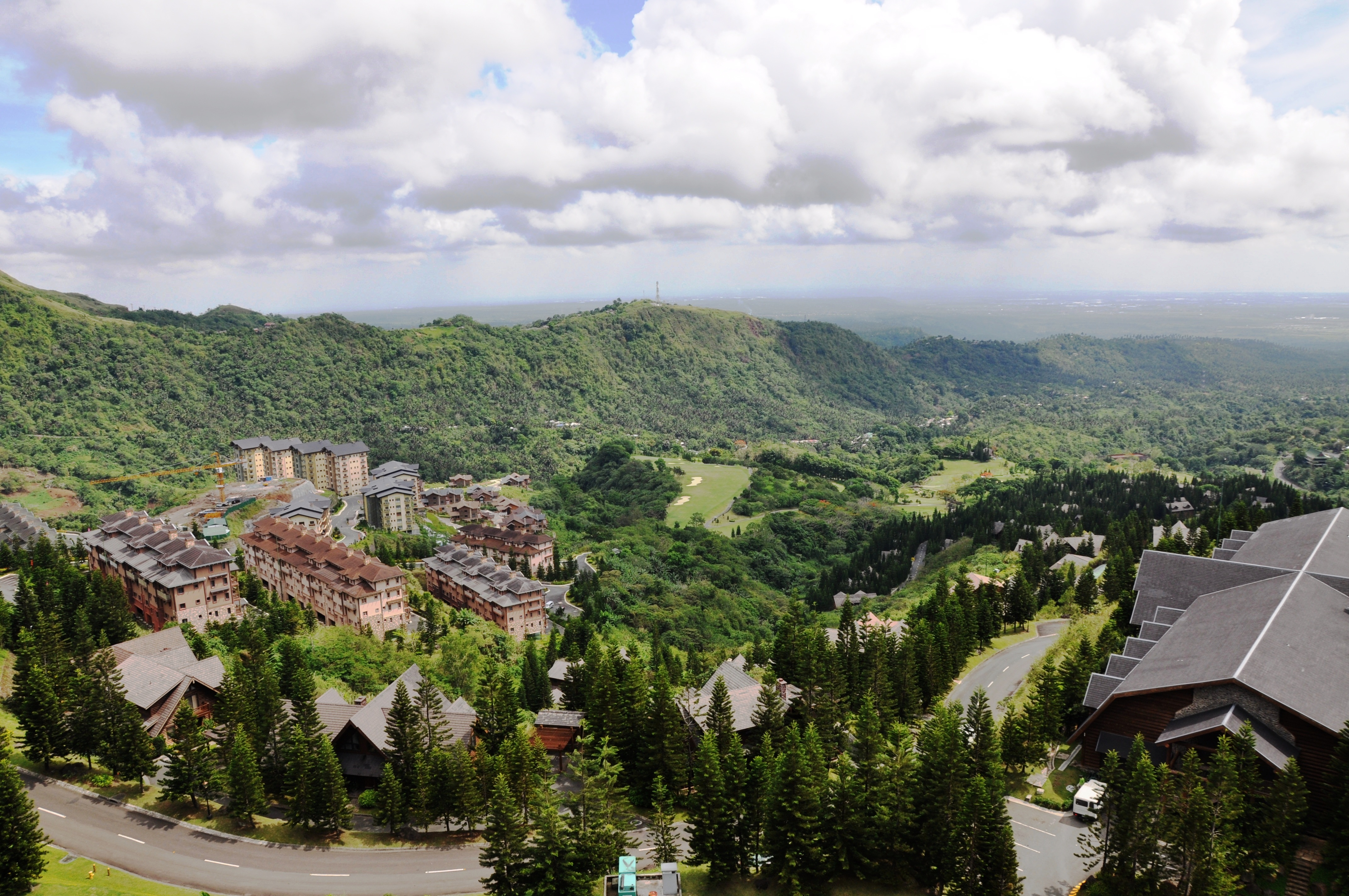
Tourism and real estate dominate Tagaytay's economy—hotels, restaurants, and vacation rental management are the main employers, alongside a growing residential development sector catering to Manila weekenders. Agriculture (pineapple, flowers) persists in surrounding areas but is secondary. Remote work is viable here; many expats and digital nomads base themselves here for the cooler climate and lower costs than Metro Manila, though job opportunities for on-site employment are limited unless you're in hospitality or property management.
A 1BR in the city center runs $550/month; outside central areas, $350–450 is realistic. Tricycles and jeepneys handle local transport; Manila is 1.5–2 hours by car via the Tagaytay-Nasugbu Highway. Healthcare is adequate—private clinics exist, but serious cases require Manila hospitals. English is widely spoken in tourist areas but less so in residential neighborhoods. Bureaucracy is standard Philippine friction: permits, residency paperwork, and utility connections move slowly. Water and power outages occur occasionally.
Expect cool, misty mornings (15–20°C), clear afternoons, and frequent rain June–November. Food leans tourist-oriented (cafes, Filipino comfort food) with limited international variety outside main strips. The expat community is small but visible—mostly retirees and remote workers. Weekends mean hiking Taal trails, visiting the ridge viewpoints, or day-tripping to nearby beaches. Tagaytay suits remote workers seeking affordable, cooler living and a slower pace, not those needing robust job markets or dense expat infrastructure.
Estimate the cost of moving to Tagaytay, Philippines
Get a free moving cost estimate for moving to Tagaytay, Philippines. Takes 10 seconds.
How much are you shipping?
When are you moving?
Powered by Sirelo. Free quotes from international movers.
🏚️ Cost of Living
💰 Budgets and Costs
$364/mo, one person, rent included
Selected: budget lifestyle
Tagaytay on a budget budget comes to about $364 a month for one adult, with $111 of that going to rent. Beyond rent the estimate covers $100 on groceries, $8.00 on dining out, $18.00 on entertainment and lifestyle, $111 on utilities and connectivity and $16.00 on transport.
Rent
$111/mo
1BR outside the centre
Groceries
$100/mo
75% of mid-range grocery spend
Dining out
$8.00/mo
4 inexpensive meals
Entertainment & lifestyle
$18.00/mo
1 cinema trip, 8 cappuccinos
Utilities & connectivity
$111/mo
utilities, mobile, internet
Transport
$16.00/mo
Monthly pass
Budgets (excl. rent)
Single person$253/mo
Excludes rent. The total above is all-in, rent included.
$420/mo, one person, rent included
Selected: mid-range lifestyle
Tagaytay on a mid-range budget comes to about $420 a month for one adult, with $111 of that going to rent. Beyond rent the estimate covers $134 on groceries, $19.00 on dining out, $29.00 on entertainment and lifestyle, $111 on utilities and connectivity and $16.00 on transport.
Rent
$111/mo
1BR outside the centre
Groceries
$134/mo
Staples basket scaled to a full month
Dining out
$19.00/mo
10 inexpensive meals
Entertainment & lifestyle
$29.00/mo
2 cinema trips, 12 cappuccinos
Utilities & connectivity
$111/mo
utilities, mobile, internet
Transport
$16.00/mo
Monthly pass
Budgets (excl. rent)
Single person$309/mo
Excludes rent. The total above is all-in, rent included.
$571/mo, one person, rent included
Selected: comfortable lifestyle
Tagaytay on a comfortable budget comes to about $571 a month for one adult, with $159 of that going to rent. Beyond rent the estimate covers $187 on groceries, $45.00 on dining out, $53.00 on entertainment and lifestyle, $111 on utilities and connectivity and $16.00 on transport.
Rent
$159/mo
1BR in the centre
Groceries
$187/mo
140% of mid-range grocery spend
Dining out
$45.00/mo
6 inexpensive meals + 6 mid-range meals
Entertainment & lifestyle
$53.00/mo
4 cinema trips, 20 cappuccinos
Utilities & connectivity
$111/mo
utilities, mobile, internet
Transport
$16.00/mo
Monthly pass
Budgets (excl. rent)
Single person$412/mo
Excludes rent. The total above is all-in, rent included.
Estimates for one adult, built from this city's average prices and the usage shown for each tier. Your spending will differ with how often you eat out and where you live.
A 1BR in the center runs about $158.85/mo. If your income is in another currency, bank FX fees add up. A multi-currency account can cut that cost.
Tagaytay is widely regarded as one of the Philippines' safer provincial cities, with a relaxed, small-town atmosphere that appeals to expats. Daytime walkability is good in central areas, though nighttime strolls are best avoided or done in groups. The city's cooler climate and affluent residential zones attract retirees, contributing to a generally secure feel compared to Manila or Cebu.
Petty theft and pickpocketing occur, particularly in markets and crowded areas; secure valuables and avoid displaying expensive items. Scams targeting foreigners—overpriced services, fake tour operators—are common but avoidable with local awareness. Violent crime is rare, though isolated incidents happen. Solo female travelers should exercise standard precautions; the expat community is well-established and supportive. Avoid isolated areas after dark and use registered taxis or ride-sharing apps.
The Philippines has moderate corruption and police reliability varies, though Tagaytay's local authorities are generally responsive to expat concerns. Political protests occasionally occur nationwide but rarely affect this provincial city directly. The main risk is petty opportunistic crime rather than organized violence or instability. For a 30-65 American seeking a quieter, safer provincial base with good healthcare access and expat infrastructure, Tagaytay is a solid choice—safer than major metros but requiring standard expat vigilance.
Tagaytay has a safety index of 60/100. Petty theft and lost belongings are the most common problems for newcomers. Compare travel insurance before you go.
See how Tagaytay's healthcare compares with Bataan
🌤️ Climate
Summer Temp
25°C
Winter Temp
18°C
Humidity
75%
Air Quality Index
42
Annual Rainfall
1795 mm
Best Months
NovDecJanFeb
Climate Notes
Tagaytay offers a cool, temperate climate year-round due to its 600m elevation, with mild temperatures, frequent afternoon rains from June to November, and dry, pleasant conditions from December to May.
💻 Digital Nomad
Avg Internet Speed
43.2 Mbps
Internet (monthly)
$24/mo
Coworking Availability
Abundant
Coworking Spaces Nearby
0
Digital Nomad Score
70/100
Community Notes
Tagaytay offers picturesque views and an active digital nomad community.
A popular local coworking space in Tagaytay City, offering a relaxed atmosphere and essential amenities like fast internet and printing services. It's a good option for those seeking a community vibe and affordable rates.
Located in Tagaytay, Clock In Coworking provides a professional workspace with comfortable seating, meeting rooms, and reliable internet. It's a convenient option for digital nomads looking for a productive environment.
Specifically catering to digital nomads, Nomad's Hub in Tagaytay offers a collaborative environment with networking opportunities. They provide essential amenities and a supportive community for remote workers.
See how Tagaytay's digital nomad life compares with Bataan
🧳 Expat Life
English Proficiency
Common in Tourist Areas
Expat Community
Medium
Top Neighborhoods
Crossing area, Metro Heights
Banks Nearby
22
ATMs Nearby
12
Expat Life Notes
A cool-climate destination on a ridge. Very popular with retirees and weekenders from Manila.
Pros
✓ Cool weather
✓ Great food and views
✓ English widely spoken
Cons
✗ Severe weekend traffic
✗ High costs for PH
✗ Active volcano risks
🏘️ Neighborhoods in Tagaytay
Areas of Tagaytay that expats often consider.
Conditions can change from one block to the next, and these descriptions are general guides, not safety assessments. Before choosing where to stay or live, check current travel advisories, talk to people who live there, and visit in person if you can.
Kaybagal South
Convenient, accessible, growing residential
Kaybagal South is a rapidly developing area along the main highway, making it very accessible. It's popular with families and those seeking a mix of residential comfort and proximity to commercial establishments. While walkable in some sections, having a car or relying on public transport is generally necessary. Expect some construction noise as the area continues to grow.
Mahogany Market Area
Bustling, local, authentic Filipino
Centered around the famous Mahogany Market, this area offers a truly local experience. It's a vibrant, busy area with affordable living options, but may be overwhelming for some expats due to the crowds and limited English spoken. While not particularly walkable due to traffic, it's well-connected by jeepneys. Expect noise and a less polished environment.
Alfonso (near Tagaytay)
Rural, peaceful, scenic countryside
While technically a separate municipality, Alfonso is just outside Tagaytay and offers a more laid-back, rural lifestyle. Many expats choose to live here for the larger properties and quieter atmosphere. A car is essential, and while English is spoken, learning some Tagalog will enhance your experience. Expect cooler temperatures and beautiful scenery.
Tolentino West
Residential, quiet, family-oriented
Tolentino West is a primarily residential area known for its peaceful atmosphere and family-friendly environment. It's a good option for retirees or those seeking a quieter lifestyle. While not as centrally located as other areas, it's still relatively accessible. Walkability is limited, so transportation is needed.
San Jose
Upscale, exclusive, panoramic views
San Jose is known for its upscale subdivisions and stunning views of Taal Volcano. It's a popular choice for those seeking luxury living and a more exclusive environment. Expect higher rental costs and a reliance on private transportation. Many residents are affluent Filipinos and expats.
Iruhin East
Developing, affordable, residential potential
Iruhin East is an up-and-coming residential area offering more affordable housing options. It's further from the main tourist areas, providing a quieter and more local experience. Transportation is essential, and English proficiency may be lower than in more central areas. Expect ongoing development and potential for future growth.
Page 1 of 2
Could living/working in Tagaytay cut years off your work life?
With a 1-bedroom in the center at $159/mo, your FIRE number here might be much lower than you think.
Tagaytay has a population of approximately 87,811 people.
A single person can expect to spend around $397 per month in Tagaytay, including rent. A 1-bedroom apartment in the city center costs approximately $159/month.
The nearest airport to Tagaytay is SGL, approximately 25.2km away.
Tagaytay is considered relatively safe, with a safety index of 60.0. As with any city abroad, expats should research specific neighborhoods before committing to a location.
Tagaytay has an average internet speed of 43.2 Mbps. It is considered a well-established digital nomad destination.
Yes, but inconsistently. Globe and Smart offer home broadband; speeds are 10–30 Mbps on good days. Outages happen during heavy rain. Many expats use dual SIM setups or coworking spaces in Manila as backup. Test before committing long-term.
Tourist visas (30 days) are extendable to 59 days. For longer stays, pursue a Special Resident Retiree's Visa (SRRV, requires $20k–$50k deposit) or renewable tourist visas. Visa runs to nearby countries are common. Consult an immigration lawyer; rules shift frequently.
You can live comfortably in Tagaytay on $1,200-$2,000 USD per month, depending on your lifestyle. Rent for a decent condo with a view ranges from $400-$800, groceries are affordable at local markets, and eating out is very cheap – a good meal costs around $5-$10.
Tagaytay has a growing expat community, though it's smaller than in Manila or Cebu. You'll find groups on Facebook and meetups happening regularly, making it easy to connect with other foreigners and share experiences.
For expats, popular areas include Alfonso (just outside Tagaytay), along the ridge overlooking Taal Lake, and near Picnic Grove. These areas offer stunning views, convenient access to amenities, and a mix of housing options.
Public transport relies heavily on jeepneys and tricycles, which are cheap but can be crowded. Buses connect Tagaytay to Manila and other cities. Many expats opt to buy a car for more flexibility, especially if living outside the city center.
Tagaytay has a cooler climate than most of the Philippines due to its elevation. Expect temperatures in the 70s and 80s Fahrenheit year-round, with a rainy season from June to September. It's a welcome escape from the heat of Manila.
Opening a bank account can be tricky and requires patience. You'll typically need a valid visa, proof of address, and passport. Major banks like BDO and Metrobank have branches in Tagaytay, but requirements can vary, so call ahead.
Yes, there are several hospitals in and around Tagaytay with English-speaking doctors, including the Tagaytay Medical Center. While not as advanced as hospitals in the US, they provide adequate care for most routine medical needs.
Tagaytay is generally safe, but petty theft can occur, especially in crowded tourist areas. It's wise to be aware of your surroundings and avoid walking alone late at night in poorly lit areas. Overall, it's a peaceful place to live.
Absolutely. Your US retirement income will go much further in Tagaytay. Social Security or a pension of $2,000 USD per month can provide a comfortable lifestyle, allowing you to enjoy dining out, travel, and leisure activities.
As a US citizen, you're still required to file US taxes even when living abroad. The Foreign Earned Income Exclusion (FEIE) can help you exclude a certain amount of your income from US taxes. Consult a tax professional specializing in expat taxes.
Internet speeds in Tagaytay are generally reliable, with fiber optic options available in many areas. You can expect speeds of 25-50 Mbps, sufficient for most remote work tasks. Check with your landlord or internet provider for specific speeds in your area.
Coworking spaces are limited in Tagaytay itself, but you can find some options in nearby cities like Dasmariñas. Many cafes also offer decent Wi-Fi and a comfortable workspace, though they can get crowded during peak hours.
For long-term stays, Americans often use a tourist visa initially, then explore options like the Special Resident Retiree's Visa (SRRV) if over 50, or an employment visa if working for a local company. Consult with a Philippine immigration lawyer for the best option for your situation.
Tagaytay can be a great place for early retirement, especially if you're looking for a cooler climate and lower cost of living. With careful budgeting and passive income streams, you can enjoy a comfortable and fulfilling retirement in Tagaytay.
Cost-of-living and visa updates for Tagaytay and the rest of Philippines. Free with RA Postcards.
By submitting your email address, you will receive a free subscription to RA Postcards and special offers from Rewire Abroad and our affiliates. You can unsubscribe at any time, and we encourage you to read more about our Privacy Policy.