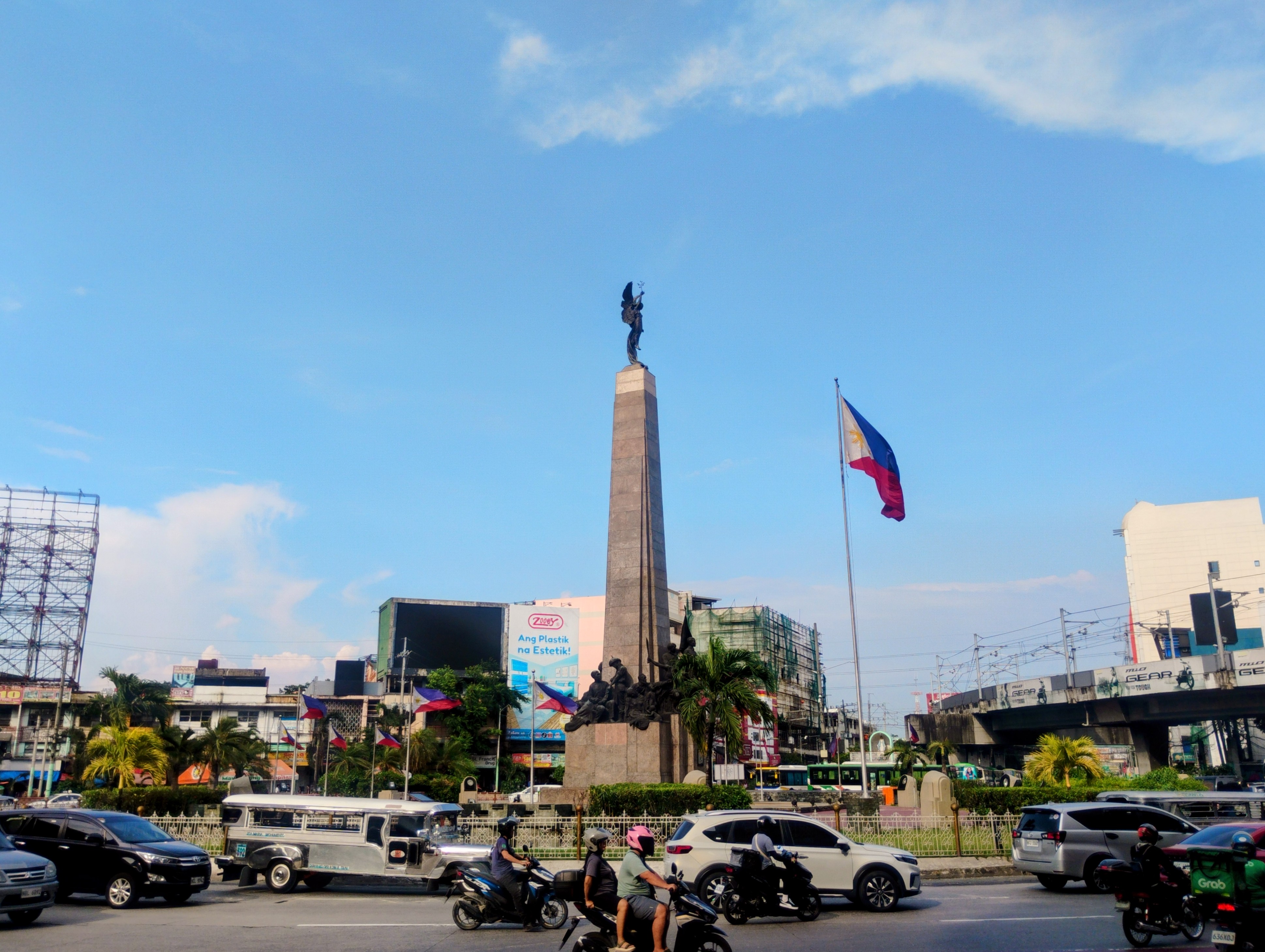
With a population of over 1.7 million, Caloocan is a sprawling, densely packed city in Metro Manila. The tax burden is heavy, as the city's coffers must support a vast network of 193 barangays. Bureaucracy is a persistent headache, exemplified by the long-running disputes over the city's borders. And while the tropical climate brings abundant rainfall, the poor drainage leaves many areas prone to flooding. Still, Caloocan's strategic location and thriving commercial districts make it an appealing option for those seeking an urban center with ample job opportunities and amenities - provided they can tolerate the challenges of big-city living.
Estimate the cost of moving to Caloocan, Philippines
Get a free moving cost estimate for moving to Caloocan, Philippines. Takes 10 seconds.
How much are you shipping?
When are you moving?
Powered by Sirelo. Free quotes from international movers.
🏚️ Cost of Living
💰 Budgets and Costs
$294/mo, one person, rent included
Selected: budget lifestyle
Caloocan on a budget budget comes to about $294 a month for one adult, with $119 of that going to rent. Beyond rent the estimate covers $65.00 on groceries, $11.00 on dining out, $12.00 on entertainment and lifestyle and $87.00 on utilities and connectivity.
Rent
$119/mo
1BR outside the centre
Groceries
$65.00/mo
75% of mid-range grocery spend
Dining out
$11.00/mo
4 inexpensive meals
Entertainment & lifestyle
$12.00/mo
1 cinema trip, 8 cappuccinos
Utilities & connectivity
$87.00/mo
utilities, mobile, internet
Budgets (excl. rent)
Single person$175/mo
Excludes rent. The total above is all-in, rent included.
$347/mo, one person, rent included
Selected: mid-range lifestyle
Caloocan on a mid-range budget comes to about $347 a month for one adult, with $119 of that going to rent. Beyond rent the estimate covers $87.00 on groceries, $28.00 on dining out, $26.00 on entertainment and lifestyle and $87.00 on utilities and connectivity.
Rent
$119/mo
1BR outside the centre
Groceries
$87.00/mo
Staples basket scaled to a full month
Dining out
$28.00/mo
10 inexpensive meals
Entertainment & lifestyle
$26.00/mo
gym, 2 cinema trips, 12 cappuccinos
Utilities & connectivity
$87.00/mo
utilities, mobile, internet
Budgets (excl. rent)
Single person$228/mo
Excludes rent. The total above is all-in, rent included.
$523/mo, one person, rent included
Selected: comfortable lifestyle
Caloocan on a comfortable budget comes to about $523 a month for one adult, with $205 of that going to rent. Beyond rent the estimate covers $121 on groceries, $67.00 on dining out, $43.00 on entertainment and lifestyle and $87.00 on utilities and connectivity.
Rent
$205/mo
1BR in the centre
Groceries
$121/mo
140% of mid-range grocery spend
Dining out
$67.00/mo
6 inexpensive meals + 6 mid-range meals
Entertainment & lifestyle
$43.00/mo
gym, 4 cinema trips, 20 cappuccinos
Utilities & connectivity
$87.00/mo
utilities, mobile, internet
Budgets (excl. rent)
Single person$318/mo
Excludes rent. The total above is all-in, rent included.
Estimates for one adult, built from this city's average prices and the usage shown for each tier. Your spending will differ with how often you eat out and where you live.
A 1BR in the center runs about $205.08/mo. If your income is in another currency, bank FX fees add up. A multi-currency account can cut that cost.
Caloocan is a densely populated, working-class city north of Manila with a mixed safety profile. Daytime navigation is generally manageable in commercial areas, but nighttime solo walking is not advisable, especially for women or those unfamiliar with the city. The overall feel is urban and bustling rather than dangerous, but expats should maintain situational awareness and avoid displaying wealth.
Petty theft, pickpocketing, and bag snatching are the primary concerns, particularly on public transport and in crowded markets. Scams targeting foreigners—including overcharging, fake tours, and online romance schemes—are common. Violent crime exists but is typically gang-related and concentrated in specific barangays; avoid isolated areas after dark. Solo female travelers should use registered taxis or ride-sharing apps rather than hailing cabs on the street.
The Philippines has moderate corruption, and police reliability varies; bribery is sometimes expected in minor incidents. Caloocan itself is not a political hotspot, but Manila-area protests can occasionally affect transportation. The city is manageable for expats with street smarts and local knowledge, but it's not a relaxed retirement destination. Those seeking a safer, quieter Philippine base should consider Cebu or Davao instead.
Caloocan has a safety index of 45/100. Petty theft and lost belongings are the most common problems for newcomers. Compare travel insurance before you go.
While Acceler8 doesn't have a specific location in Caloocan, it has multiple locations in Metro Manila, including Quezon City, which is easily accessible. It offers a professional environment with good amenities, suitable for expats needing a reliable workspace near Caloocan.
Similar to Acceler8, Clock In has locations in nearby cities like Quezon City and Mandaluyong, providing a convenient option for Caloocan residents. They offer various membership plans and a modern workspace, making it a good choice for digital nomads.
Located in Quezon City, Venture Space Plus is a budget-friendly option with a relaxed atmosphere. It's a good choice for remote workers looking for a simple and affordable workspace near Caloocan.
See how Caloocan's digital nomad life compares with Roxas
🧳 Expat Life
English Proficiency
Limited
Expat Community
Very Few
Top Neighborhoods
Grace Park
Banks Nearby
1261
ATMs Nearby
354
Expat Life Notes
A dense, gritty industrial city in northern Metro Manila with virtually no western expat infrastructure.
Pros
✓ Native English universally spoken
✓ Extremely low cost
✓ Major transport links
Cons
✗ Severe congestion and pollution
✗ High noise levels
✗ Security vigilance required
🏘️ Neighborhoods in Caloocan
Areas of Caloocan that expats often consider.
Conditions can change from one block to the next, and these descriptions are general guides, not safety assessments. Before choosing where to stay or live, check current travel advisories, talk to people who live there, and visit in person if you can.
Grace Park West
Residential, convenient, budget-friendly
A densely populated residential area with a mix of housing types. Primarily Filipino families and working professionals reside here. Public transportation is readily available, but traffic can be heavy. It's a more affordable option, but English proficiency may be lower than in more central areas.
Bagong Barrio
Local, bustling, commercial hub
A vibrant commercial area with markets, shops, and eateries. It's a very local experience, offering a glimpse into everyday Filipino life. While affordable, it can be crowded and noisy, and English is not widely spoken. Not ideal for expats seeking a quiet or Westernized environment.
Maypajo
Traditional, community-oriented, affordable
A more traditional neighborhood with a strong sense of community. Housing is generally older and more affordable. While it offers an authentic Filipino experience, it may lack amenities and infrastructure that expats are accustomed to. Language barriers could also be a challenge.
Sangandaan
Busy intersection, accessible, developing
Centered around a major intersection, Sangandaan offers easy access to other parts of Caloocan and Metro Manila. It's a rapidly developing area with new commercial establishments. While convenient for transportation, it can be congested and noisy. Limited expat presence.
University Hills
Residential, quiet, family-friendly
A more upscale residential area compared to other parts of Caloocan. It's generally quieter and more secure, attracting families and professionals. While not specifically geared towards expats, it offers a more comfortable living environment. Access to amenities and transportation is good.
Page 1 of 2
Could living/working in Caloocan cut years off your work life?
With a 1-bedroom in the center at $205/mo, your FIRE number here might be much lower than you think.
Caloocan has a population of approximately 1,712,945 people.
A single person can expect to spend around $513 per month in Caloocan, including rent. A 1-bedroom apartment in the city center costs approximately $205/month.
The nearest airport to Caloocan is MNL, approximately 22.7km away.
Caloocan is considered moderate in terms of safety, with a safety index of 45.0. As with any city abroad, expats should research specific neighborhoods before committing to a location.
Caloocan has an average internet speed of 50 Mbps. It is not yet considered a well-established digital nomad destination.
You can find decent apartments in Caloocan for relatively cheap. Expect to pay around PHP 8,000-15,000 per month for a one-bedroom apartment, depending on the location and amenities. Areas closer to Manila or major roads tend to be pricier.
While not as prevalent as in Makati or BGC, you can find English-speaking doctors in Caloocan, especially at larger hospitals like Caloocan Doctors' Hospital. It's always a good idea to confirm English proficiency when booking appointments, or consider traveling to nearby cities for more options.
Caloocan has a reputation for being less safe than some other parts of Metro Manila. It's best to avoid walking alone at night, especially in less populated areas. Stick to well-lit streets and be aware of your surroundings, particularly in areas like Bagong Silang.
Internet speeds in Caloocan can be variable. While fiber optic is available in some areas, speeds can fluctuate. Expect download speeds ranging from 25-50 Mbps, which is generally sufficient for remote work, but it's wise to check with your specific provider and location beforehand.
The most common visa for retirees is the Special Resident Retiree's Visa (SRRV) offered by the Philippine Retirement Authority. This requires a deposit with a Philippine bank, with the amount varying based on age and pension status. Consult the PRA website for the latest requirements.
Public transport in Caloocan is readily available but can be crowded. Jeepneys and buses are common, but can be confusing for newcomers. The LRT-1 line passes through Caloocan, offering a faster connection to other parts of Manila, but expect it to be packed during peak hours.
Caloocan has a tropical climate, with distinct wet and dry seasons. Expect hot and humid weather year-round, with the rainy season typically running from June to November. Be prepared for typhoons during this period.
Coworking spaces are not as common in Caloocan as in central Manila. You might find a few smaller options, but many digital nomads choose to work from cafes or travel to nearby cities like Quezon City for a wider selection of coworking facilities.
As a geoarbitrager, you can live quite comfortably in Caloocan on a budget of $800-$1200 USD per month. This covers rent, groceries, transportation, and some leisure activities. Eating local food and utilizing public transport will help keep costs down.
Services like Wise (formerly TransferWise) and Remitly offer competitive exchange rates and lower fees for transferring money. ATMs are widely available, but be aware of potential withdrawal fees from both your bank and the local ATM. BDO and BPI are common banks.
The expat community in Caloocan is smaller compared to more central areas of Manila. Online forums and Facebook groups for expats in the Philippines are good places to connect with others. Consider attending meetups in nearby cities like Quezon City to expand your network.
Yes, retiring early in Caloocan on $1500 USD per month is feasible, especially if you embrace a local lifestyle. You'll need to be mindful of your spending and potentially supplement your income with small side hustles. Focus on affordable housing and local food to maximize your budget.
Filipinos are generally very hospitable and respectful. Be aware of the importance of 'pakikisama' (getting along) and 'hiya' (sense of shame). Direct confrontation is often avoided, and indirect communication is common. Learning a few basic Tagalog phrases will be greatly appreciated.
Groceries and dining out are significantly cheaper in Caloocan than in the US. You can buy fresh produce and local ingredients at wet markets for a fraction of the cost. Eating at local 'carinderias' (small eateries) is very affordable, while restaurants offer a range of prices.
As a US citizen, you're still required to file US taxes even when living abroad. You may be able to exclude a significant portion of your foreign-earned income using the Foreign Earned Income Exclusion (FEIE). Also, be aware of FBAR reporting requirements for foreign bank accounts exceeding $10,000.
Cost-of-living and visa updates for Caloocan and the rest of Philippines. Free with RA Postcards.
By submitting your email address, you will receive a free subscription to RA Postcards and special offers from Rewire Abroad and our affiliates. You can unsubscribe at any time, and we encourage you to read more about our Privacy Policy.