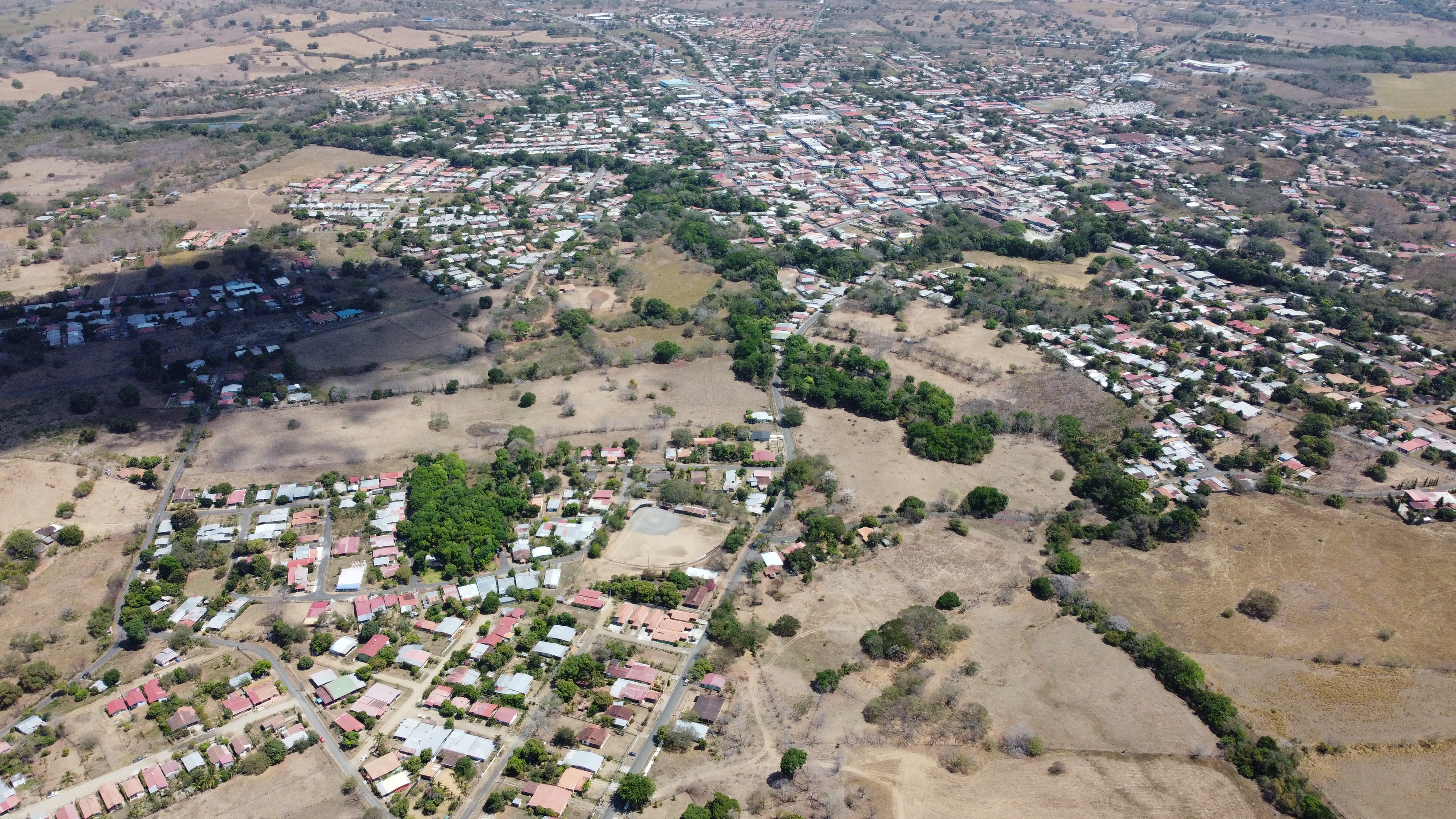
Agriculture, fishing, and seasonal tourism drive Las Tablas' economy—it's not a place to find corporate jobs or remote work infrastructure. Most locals earn through farming, small-scale fishing, or running family businesses tied to Carnival season. If you're not self-employed or location-independent, employment options are thin. The city exists economically around February's Carnival festival, which floods money in briefly, then quiets down hard.
Rent runs $300–500/month for a decent house; utilities add another $50–80. The Pan-American Highway connects you to Panama City (3.5 hours by bus, $8–12), but local transport is informal—taxis, motoconchistas, or your own vehicle. Healthcare is basic; serious issues require travel to the capital. Spanish is essential; English is rare outside tourist-facing spots. Bureaucracy is standard Panamanian friction: residency paperwork is slow, and government offices keep erratic hours.
Tropical heat year-round, with May–November rains that can be heavy. Food is fresh seafood and traditional Panamanian fare—excellent if you like it, monotonous if you don't. The expat community is tiny; you'll meet other foreigners at Carnival or not at all. Weekends mean beach walks, fishing trips, or driving to nearby Pedasi. This suits retirees on tight budgets, cultural enthusiasts, or people who genuinely want isolation—not digital nomads seeking community or nightlife.