Application Fee
$250
Difficulty
Easy
Duration
24 months
Path to Citizenship
5 years
Overview
For a Western expat, the Panama Friendly Nations Visa comes down to two hard numbers: a minimum one-time investment of 200000 USD in qualifying real estate or capital (such as a time deposit) plus 5000 USD in personal savings. Income type is flexible: remote_work, savings, passive, pension, and business income all count as valid ways to support yourself, but Social Security and foreign pension income are not formally recognized as qualifying proof under this program’s rules. A retiree with a 800000 USD brokerage account and 3000 USD/month in ETF dividends, or a remote employee earning 7000 USD/month on a W2 or contractor basis, can usually meet the practical solvency expectations once the investment and 5000 USD savings hurdle are cleared.
Day-to-day life flexibility is high. You only need to spend 1 day/year in Panama to keep the residency active and can be out of the country up to 730 days in a row without breaking your status. That makes it realistic to base yourself most of the year in a second jurisdiction for tax or family reasons while keeping Panama as a low-friction Plan B. For a nomad cycling between 3–4 countries, this is materially different from regimes that demand 183+ days per year on the ground.
Legally, the status is a stepping stone: it runs for 24 months and leads to permanent residency (PR) in 2 years so long as you maintain the qualifying conditions. From there, a long-term planner can look ahead to Panamanian citizenship after 5 years in total. Someone aiming at a 10-year relocation can map out a concrete path: 2 years on this visa, convert to PR, then wait the remaining 3 years before filing for naturalization, all without any increase in the presence requirement beyond the existing 1 day/year floor.
Friction is moderate rather than brutal. The bureaucracy score of 3.15 / 5 reflects a process that demands careful paperwork but not extraordinary hurdles: an apostille is legally required as of 2026, no FBI background check, no medical exam, no interview, and no mandatory local bank account in the black-letter rules. The main annoyances are the scale of the 200000 USD investment, timing your 5000 USD savings proof with the application, and the 12 weeks – 26 weeks processing window, which makes this unsuitable for last-minute movers. Expect to wait 3 to 6 months from a clean filing until you have a stable residence card in hand.
This structure makes the most sense if you can park 200000 USD into Panamanian real_estate or capital for the medium term, keep 5000 USD liquid for the application, and are comfortable treating Panama as a low-presence base while your index funds and rental properties continue working elsewhere. It is a poor fit if your net worth is under 250000 USD, you cannot lock up 200000 USD in a single-country asset, or you need a quick, fully passive residency without tying capital to the local system.
Eligibility Requirements
Eligibility for the Panama Friendly Nations Visa is explicitly restricted by nationality because the program is designed to favor countries with strong economic, political, and commercial ties to Panama. The underlying logic is not random: it is anchored in a government-defined list of “friendly” states, dominated by developed economies and key trading partners. That means access depends more on bilateral relations and perceived economic alignment than on generic immigration policy, and the list is inherently political.
The eligible pool is broadly described as citizens of around 50 “friendly” countries. Publicly accessible lists show a heavy concentration of EU member states plus the United Kingdom, the United States, Canada, Australia, New Zealand, Japan, South Korea, and several Latin American and other OECD-aligned countries. For American, Canadian, British, and most EU passport holders comparing residencies, this visa is explicitly tailored to your group, and it is one of the few Panamanian tracks where your nationality is itself a primary qualifying asset.
If your citizenship is not on the Friendly Nations list, you cannot use this route, regardless of your net worth or income. In that case, alternatives include Panama’s general investor and business visas, such as the Business Investor Visa or the retiree-focused Pensionado program if you have a qualifying lifetime pension, as well as the Digital Nomad Visa if your income profile fits its rules. A second passport from an eligible country—through descent, naturalization elsewhere, or a citizenship-by-investment program—can also open the Friendly Nations door when your original nationality is excluded.
Panama has materially changed this list in the past, including both additions and removals of specific countries, so it should not be treated as permanently fixed. Shifts in diplomatic or economic policy can translate into sudden eligibility changes for certain nationalities, even when the overall framework stays intact. That volatility matters if you are timing a second citizenship specifically to pair with this visa.
Before you assemble documents or commit 200000 USD into Panamanian real_estate or capital based on blog-era assumptions, verify your eligibility on the official website of the Servicio Nacional de Migración (Panama’s National Migration Service). For edge-case nationalities or dual citizens, a 150–300 USD consultation with a Panamanian immigration lawyer is inexpensive insurance against building a residency plan on an outdated country list.
Min Savings
$200,000
Min Investment
$200,000
Application Fee
$250
Min Age
18 yrs
Duration
24 months
Physical Presence
1 days/yr
Max Absence
730 days
Remote Work / Freelance · Pension / Social Security · Savings · Passive / Investment Income · Business Income
W2 Employee (foreign employer) · 1099 Contractor · Business Owner · Self-Employed
Requirements Checklist
0 of 22 documents in hand
0%These take the longest, so start them first.
Request these while the slow items are in progress.
You only need these on the day you submit.
Extra requirements for this visa
- Apostille required on official documents
How and where to apply
Applications start with an in-person registration at Panama's National Immigration Service after arriving on a tourist visa. Full document submission follows via immigration office in Panama; no online portal or home-country consulate option. You can prepare docs remotely and visit briefly for registration.
Tax Information
Local tax regime and what it means for you
Panama uses a territorial tax regime. That means only Panamanian-source income is subject to local tax; income earned outside Panama is generally outside the Panamanian tax net. For a Friendly Nations Visa holder, this distinction is crucial. Salary from a foreign employer paid into a US or Canadian account, dividends from ETFs in a foreign brokerage, rental income from property in the US, Canada, the UK, or Australia, and pension distributions from foreign plans are treated as foreign-source and are not taxed in Panama under the territorial rules. By contrast, income from a local Panamanian job (w2), contractor work performed for Panamanian clients, or profits from a Panamanian company (owner or self_employed) will fall into the taxable bucket.
Capital gains on foreign investments
Capital gains from selling foreign securities, such as index funds or ETFs held in a US, Canadian, or European brokerage, are generally exempt under territorial rules because the income is foreign-source. Selling a US-listed S&P 500 ETF in a US brokerage, for example, would not create Panamanian taxable income, regardless of whether the proceeds are later transferred to Panama. Gains on Panamanian real_estate or shares of Panamanian companies, however, are subject to local capital gains tax at the rates in force at the time; these rates are set by domestic law and taxed at 10% for securities and via a 3%/10% withholding for real estate transfers, so they should be confirmed with a local advisor before transacting.
Tax residency triggers and filing
Panama’s tax residency framework is not defined by this visa alone; it is driven mainly by presence and local ties. In practice, spending 183 days or more in Panama in a tax year, or establishing a habitual abode and center of vital interests there, is what turns you into a Panamanian tax resident, not merely holding a 24-month Friendly Nations permit. If you remain under 183 days and keep your main economic and family base elsewhere, you are often treated as non-resident for local tax purposes, with filing obligations limited to Panamanian-source income, if any. Local filing mechanics, including whether you must obtain a Panamanian tax ID and submit an annual return in a low-or-zero-income scenario, can vary by individual circumstances and should be confirmed case by case.
Tax treaty status with the US
Panama’s tax treaty status with the United States is partial. There is some bilateral framework, including elements affecting shipping, air transport, and the Panama Canal, but there is no comprehensive income tax treaty that would, for example, fully eliminate double taxation on dividends, capital gains, or ordinary salary. There is also no full Social Security totalization agreement covering US Social Security contributions for US workers in Panama. For most Friendly Nations Visa holders with foreign passive income, the practical effect is that US-source investment income keeps its usual US tax treatment, Panamanian-source income is taxed in Panama, and cross-border relief relies more on US unilateral mechanisms (like the Foreign Tax Credit on Form 1116) than on treaty provisions.
For US Citizens and Green Card Holders
US citizens and green card holders on the Panama Friendly Nations Visa remain fully subject to US worldwide taxation. The territorial system in Panama does not change your obligations to the IRS.
For earned income from remote_work, self-employment, or consulting, the Foreign Earned Income Exclusion on Form 2555 can shelter up to 132900 USD of 2026 earned income (indexed in later years). This includes W2-style income from a foreign employer and self_employed income from foreign clients, but not dividends, capital gains, rental income, pension or IRA distributions, or Social Security. With this visa’s 1 days/year physical presence requirement and the ability to be absent up to 730 days, many FIRE users will not meet the 330-day Physical Presence Test unless they consciously base themselves abroad most of the year; the Bona Fide Residence Test is easier to meet if you make Panama your primary home for multiple years.
When Panama does not tax your foreign-source income, the Foreign Tax Credit on Form 1116 has limited use for that income stream. A remote worker taxed only in the US on US-source salary, or an investor with only US-taxed dividends and capital gains, will have little or no Panamanian tax to credit. FTC becomes relevant if you have Panamanian-source earnings: local salary, local business profits, or gains on Panamanian real_estate. In those cases, the Panamanian tax paid can offset US tax on that same income up to the US rate.
FBAR (FinCEN Form 114) and FATCA Form 8938 remain pivotal. Any time your aggregate foreign financial accounts (Panamanian banks, brokers, or even prepaid cards) exceed 10000 USD at any point in the year, you must file FBAR electronically with FinCEN; non-willful penalties start at a statutory 10000 USD per violation, adjusted to about 16700 USD as of 2026. FATCA Form 8938 has higher thresholds but overlaps in scope. The Friendly Nations Visa does not legally require a local bank account, but many residents open one to manage 5000 USD savings or investment-related cash flows, so these reporting thresholds are easy to trip.
The optimal approach is coordinated planning: a US CPA who specializes in expat taxation to handle Forms 2555, 1116, 8938, and FBAR, and a Panamanian tax advisor for local residency, source-of-income analysis, and any required returns. The 1500–3000 USD you spend in year one on this paired advice usually pays for itself through avoided FBAR/FATCA penalties and better choices about where to recognize and source income and capital gains.
Living in Panama
COL Index vs NYC
43.9
Monthly Cost (excl. rent)
$781
1BR Rent (City Center)
$1,023
Safety Index
57.3
Healthcare Index
60.7
Quality of Life Index
124.4
Time Zone
UTC-05:00
Capital
Panama City
Population
4.3M
Official Languages
Spanish
Avg Internet Speed
197 Mbps
Public Transit Quality
Fair
With a budget covering rent and living costs, you'd need roughly $1,804/mo for a comfortable single-person lifestyle in Panama.See how far your money goes →
🏙️ Best Cities in Panama for Expats
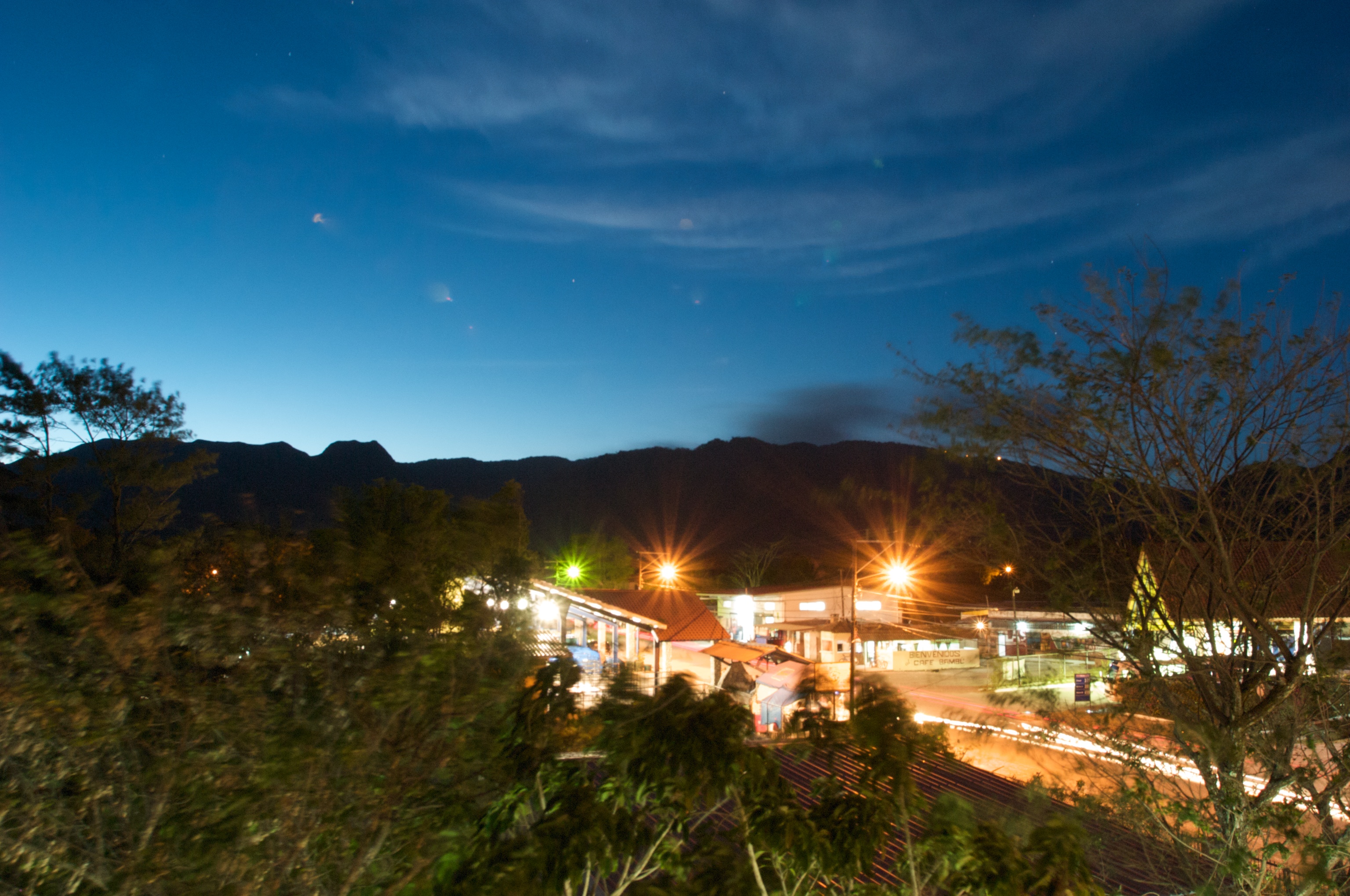 ✦ 79
✦ 79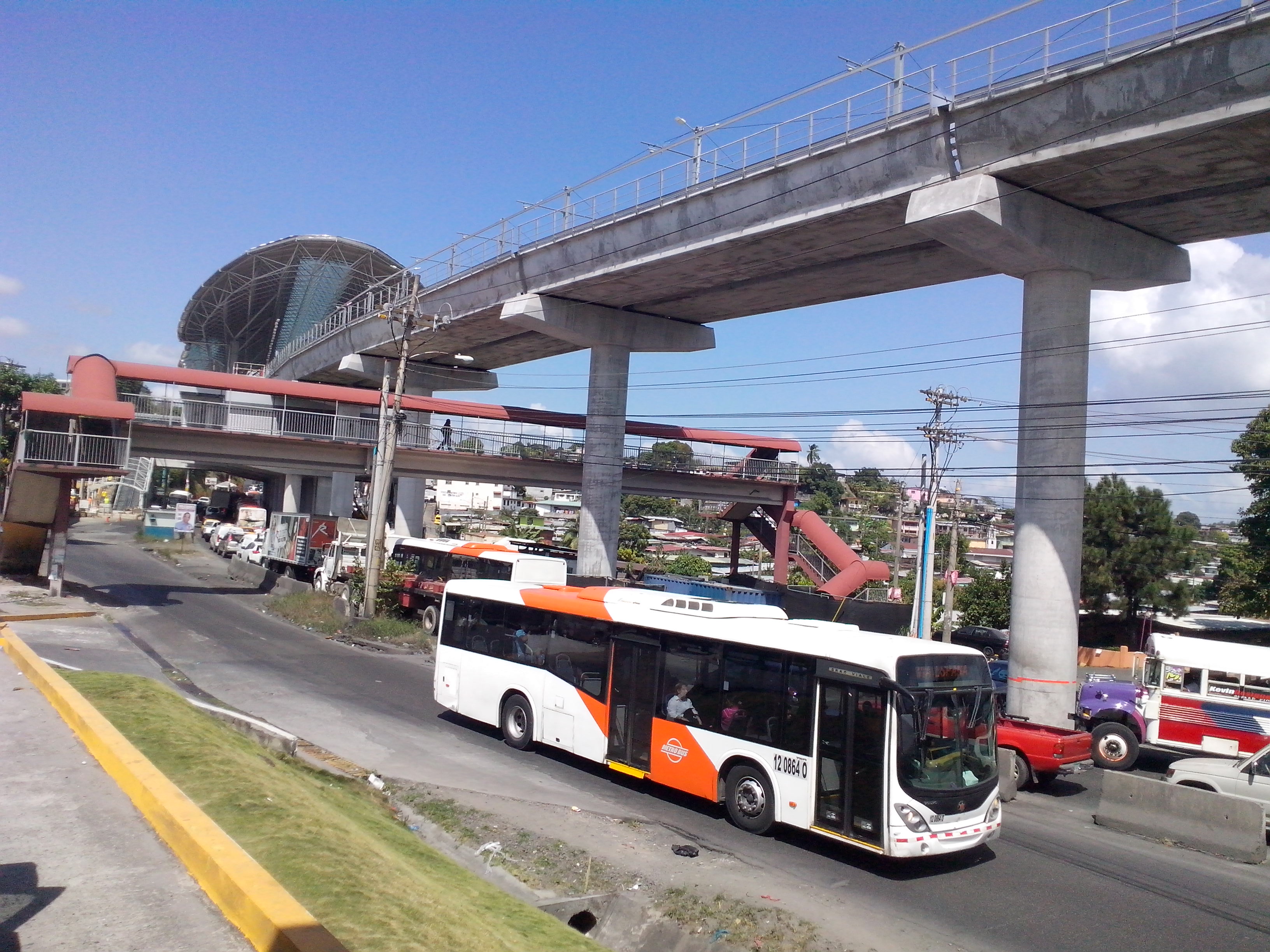 68
68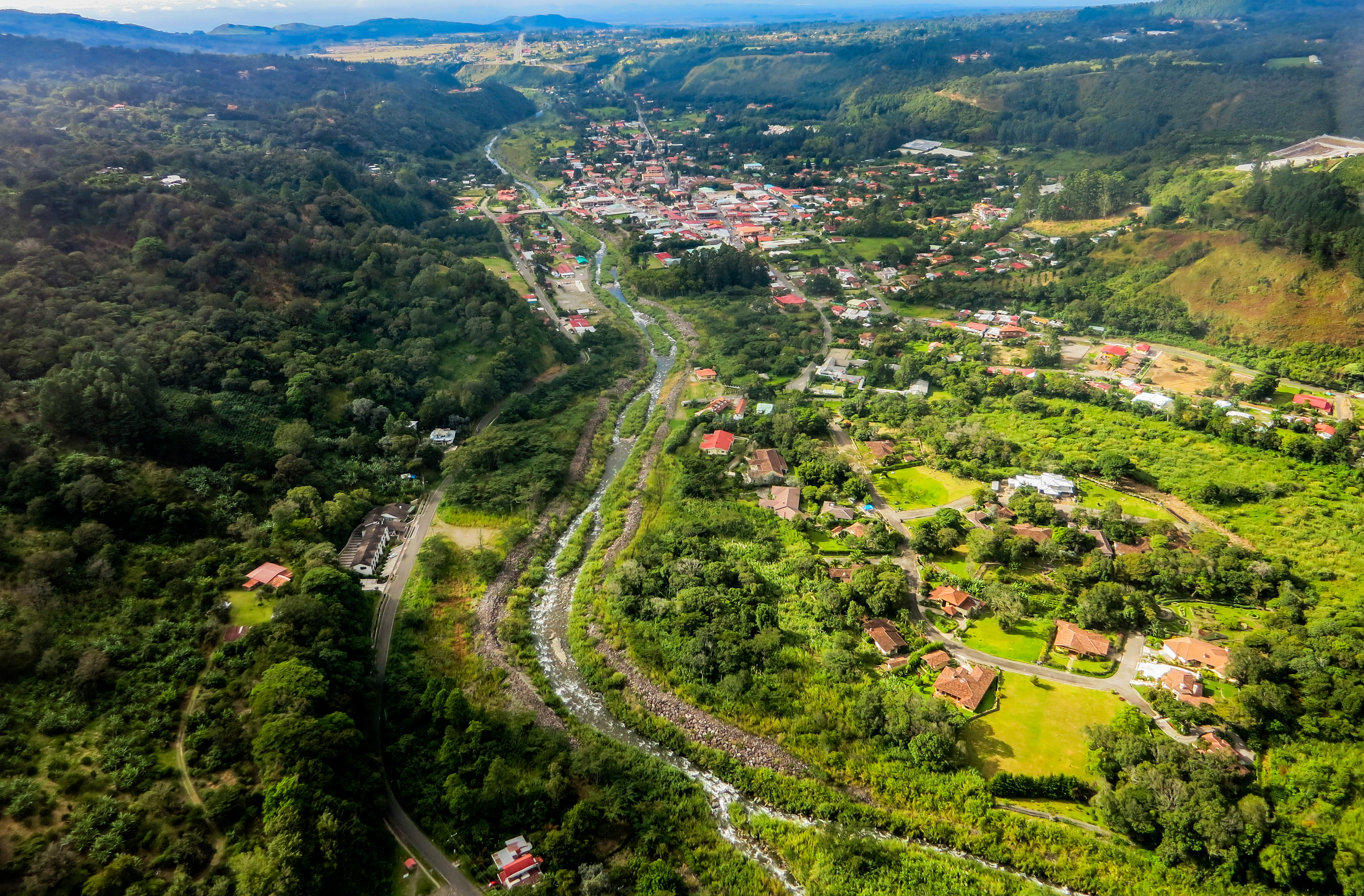 ✦ 81
✦ 81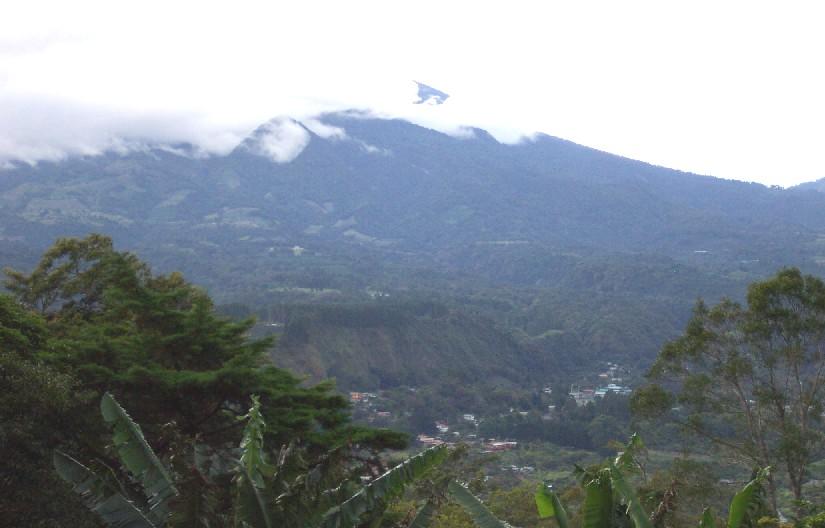 57
57Getting the income documentation story straight before applying
Most applicants walk in thinking about this the way they'd think about a digital nomad visa, pay stubs, invoices, a monthly cash flow narrative. That instinct works against you here. The core financial ask is a bank reference letter from a licensed Panamanian bank certifying at least USD 5,000 in a personal account, plus USD 2,000 per dependent, sitting alongside the larger USD 200,000 solvency or investment figure. Notice the word Panamanian. A pristine six months of Chase or Wells Fargo statements proves nothing to the National Migration Service if the certifying letter doesn't come from a bank licensed inside the country.
That means the real first move for someone earning $4,000 to $10,000 a month from US clients isn't gathering pay stubs, it's figuring out how to get a Panamanian bank to issue that letter before the rest of the file gets submitted. Opening a local account as a non-resident takes longer and asks for more than people expect, and it usually can't happen until you've made at least one trip. Applicants who leave this until the week of registration end up sitting in Panama City for an extra month waiting on a bank appointment they should have started arranging remotely.
The larger $200,000 figure needs its own paper trail, separate from the day-to-day account. If you're qualifying on savings, that money needs to read as stable and traceable, not as a balance that spiked three weeks before you applied. Immigration reviewers have seen enough staged-looking deposits to know what a recent lump transfer into an otherwise thin account looks like, and they will ask follow-up questions that slow everything down. If you're qualifying through an investment or a business registration instead, the incorporation and Public Registry documents need to exist and be current before you start the residency file, not be filed in parallel with it. Sequencing this backwards is the single most common reason otherwise qualified applicants sit in processing limbo far longer than the typical range.
The housing question nobody puts on the checklist
There's no line item requiring a signed lease or a title deed, which leads people to assume housing is irrelevant to this process. It isn't irrelevant, it's just handled differently than in countries that demand a rental contract upfront. You arrive on a tourist visa, register in person, and then wait through a processing window that runs into several months before there's any resolution. During that stretch you need a real address, not because a form asks for one, but because notices, translated documents, and any request for additional paperwork will need somewhere to land, and because renewing or extending your tourist status while the file processes is its own small logistics project.
The mistake people make is booking a short-term rental or extended-stay unit for the first few weeks and assuming they'll sort out something more permanent once the visa clears. That backwards ordering costs money and creates friction with landlords who don't want month-to-month tenants with residency status still in question. It also complicates the notarized documentation trail, since some of your affidavits and powers of attorney will reference your presence in-country, and having a stable address from day one makes every subsequent notarization cleaner.
There's a second layer to this for anyone bringing dependents. The financial documentation scales with each dependent, and so, informally, does the expectation of a settled household when Panamanian institutions look at your file. A single applicant renting a small apartment near Casco Viejo reads differently to a bank or a notary than a family of four still living out of suitcases in a hotel three months in. None of this is written into the requirements, but it shapes how smoothly the rest of the process goes, and treating housing as an afterthought because it isn't a checklist item is a common and avoidable error.
What happens between approval and holding a real permit
Getting a yes from the National Migration Service is not the same as holding a card that lets you live normally. The process starts with in-person registration after you've already landed on a tourist visa, there's no filing this from a US consulate and flying in once it's done. Full document submission happens at the immigration office in Panama, and processing from that point runs a minimum of roughly seventeen weeks, sometimes longer, with no published ceiling on how long it can stretch.
During that window you're in a kind of administrative middle state. You've submitted everything, the case is active, but you don't yet have the document that lets you open accounts, sign leases as a resident, or prove status if you're stopped and asked. Anyone counting on same-quarter certainty is planning against the wrong timeline. The permit that eventually issues runs for 24 months, and it is truly a working permit, local employment is allowed, not a placeholder that leaves you stuck at tourist-visa status while you wait for a second approval.
The practical gap most people underestimate is what to do with life administration in the meantime. Banking, phone contracts, and even some rental agreements in Panama treat "application pending" very differently from "permit issued," and a lot of the friction people report after landing has nothing to do with immigration itself and everything to do with everyone else wanting to see the card before they'll deal with you as a resident rather than a tourist. Budget for that stretch as its own phase, not a footnote before the real process starts.
The road to permanent residency and citizenship, and what it actually asks
On paper this is one of the more direct routes in the region: two years to permanent residency, five to citizenship. In practice, the two-year clock is less about waiting and more about not breaking continuity. The rules allow up to 730 consecutive days of absence before that continuity is threatened, which sounds generous until you consider that a remote worker who splits time between the US and Panama for client meetings or family reasons can drift close to that ceiling without tracking it carefully. The permit doesn't ask for constant physical presence, day to day, but it does ask you to not disappear for stretches long enough to look like you've relocated back home in substance while keeping the Panamanian status on paper.
Citizenship at five years is the harder number to plan around, because getting there cleanly depends on the permanent residency step actually converting on schedule rather than lingering in its own review queue. People tend to treat the five-year mark as a fixed date from their arrival, when it's really five years measured from a status that itself has to be granted and then held without disruption. A gap or a lapse anywhere in that chain resets expectations even if it doesn't formally reset the clock. None of this is as a warning anywhere in the requirements, it just shows up as delay for people who assumed the timeline was a straight line rather than a sequence of dependent steps.
Weighing this against the income-only alternative
The most obvious contrast for a remote worker weighing this visa is against countries running pure income-threshold digital nomad programs, where you prove a monthly figure and skip the capital commitment entirely. Those visas are lighter to qualify for if your income is strong and your savings are not, and they don't ask you to move $200,000 into a jurisdiction you may not have lived in yet. If your priority is speed and low capital exposure, and you're not particularly attached to Panama as a long-term base, an income-based program elsewhere is the less demanding choice, and there's no reason to force a comparison in Panama's favor just because it's the one with more documentation to write about.
Where Panama pulls ahead is for someone who already has the capital sitting somewhat idle and wants that money doing double duty, funding a residency track that leads somewhere permanent rather than just renewing annually on proof of income. A visa that converts into permanent residency in two years and citizenship in five is structurally a faster route to a second passport option than most income-only programs, which tend to renew indefinitely without ever converting into anything permanent. The decision, then, isn't really about comparing paperwork. It's about whether $200,000 parked for a few years in exchange for a five-year citizenship runway is a better use of that capital than keeping it liquid and renewing an income-based visa somewhere else year after year. For someone who already has the number and wants the destination to be permanent rather than provisional, that trade tends to be worth making. For someone stretching to hit the threshold, it usually isn't.
Work Permissions
Application Steps
- 1
📋 Confirm nationality eligibility
1 day
- 2
📋 Choose and complete investment
2-4 weeks
- 3
📄 Gather required documents
2-4 weeks
- 4
🏛️ Travel to Panama for registration
1-2 days
- 5
📬 Submit full application
1 day
- 6
⏳ Wait for provisional approval
12-26 weeks
- 7
🏛️ Return for cedula and PR
1-2 days
Compare this visa
Curated comparisons that include this route.
Frequently Asked Questions
Click any question to expand the answer.
Ready to Apply?
Work with trusted visa specialists who handle the paperwork so you can focus on your move.
Get help with this visa →* We may earn a commission if you apply through our link
At a Glance
Last verified: October 9, 2026