Min Monthly Income
$1,000
Processing Time
12 wks
Difficulty
Moderate
Path to Citizenship
5 years
Overview
Qualification turns entirely on pension income: you must show at least 1,000 USD/month of guaranteed pension income for life, as confirmed in the the program rules and echoed by multiple practitioner sources. Other common FIRE income streams such as ETF dividends, interest, and rental income from abroad do not count toward that 1,000 USD/month threshold; the only income source formally recognized for this visa is pension income. There is no publicly specified minimum savings or liquid net-worth requirement, and any age 18 or older can qualify if the lifetime pension test is met, which means a 45‑year‑old with a corporate pension payout for life can use this just as easily as a 68‑year‑old on government benefits.
Officially, the program is built around pension income only, not local work or business activity, and the the program does not disclose whether local work is permitted or capped. That means a conservative reading for planning purposes is: qualify and budget as if you will be living on foreign pension income plus investment withdrawals, not on a local salary. This is different from Panama’s Friendly Nations Visa, which is often paired with a work permit, but that is a separate route and not reflected in this visa’s rules. For someone drawing 3,000–4,000 USD/month from a mix of pensions and brokerage withdrawals, the key test is having at least 1,000 USD/month from a formal pension source.
A major structural advantage is residency: the Pensionado route leads to permanent residency immediately, with 0 years of temporary status, and a defined 5‑year path to citizenship if you later decide to naturalize. The the program does not specify the permitted duration of stay for the initial card or any renewal cycle, but practically you can treat this as a long‑term relocation framework rather than a short, renewable temporary stay. For long‑range planners mapping out 10–20 years of retirement, locking in PR from day one eliminates the classic worry that changing income or age rules could push you out at renewal.
On presence, the the program does not disclose a physical presence requirement or a maximum consecutive absence, so you cannot assume true “zero‑days” flexibility in the way some Caribbean residences work. Panama’s nationality law for citizenship uses presence as part of its analysis, so a retiree who wants a Panamanian passport in 5 years should expect to spend substantial time in‑country, even though the immigration sheet here does not give a concrete day count. If your plan is to split time between Panama and, say, Spain or the US, you will need a bespoke day‑count strategy rather than relying on a simple 183‑day rule of thumb.
Friction is moderate. Processing runs 12–40 weeks according to the program rules, which aligns with on‑the‑ground reports of cases resolving in as little as 3 months or dragging close to a year if documents are flawed. The bureaucracy score of 1.475/5 suggests fewer formal hurdles than many retirement visas: apostilles, FBI checks, medical exam, interview, local bank account, and private health insurance are all marked “No” or “not specified,” so the hard work is front‑loading clean, recent originals and pension letters that explicitly call the income a “pension for life.”
In practice, this route makes the most sense if you have at least 1,000–1,500 USD/month in lifetime pension income and a total retirement cash flow over 2,500–3,000 USD/month, want immediate permanent residency, and do not need local earned income. It is a poor fit if your retirement is funded mainly by dividends, rental income, or business distributions with no formal pension, or if your timeline depends on working locally full‑time to make your numbers work.
Eligibility Requirements
Any nationality can apply in principle for the Panama Pensionado Visa; the immigration framework in the visa rules lists nationality restrictions as “all,” meaning it is not limited to specific regions or blocs. In practice, applicants from sanctioned or diplomatically sensitive countries such as Iran, North Korea, Syria, Cuba, and in some banking contexts Russia can encounter significant hurdles opening Panamanian bank accounts or passing enhanced due‑diligence checks, even when the law allows them to file. Before assembling a full document package, verify your specific eligibility and any extra requirements directly with Panama’s Servicio Nacional de Migración (National Immigration Service) using its official channels.
Min Income
$1,000
Min Age
18 yrs
Physical Presence
1 days/yr
Pension / Social Security
+25% per adult · +25% per child
Requirements Checklist
0 of 18 documents in hand
0%These take the longest, so start them first.
Request these while the slow items are in progress.
You only need these on the day you submit.
How and where to apply
Applications are typically submitted through a Panamanian immigration lawyer to immigration authorities in Panama. You can start from abroad or enter on a tourist visa and apply in-country. No specific consulate or online portal is detailed.
Tax Information
Local tax regime and what it means for you
Panama runs a territorial tax system: income is taxed based on where it is sourced, not on where you live or where the money is paid. Under this model, foreign‑source income such as US Social Security, Canadian CPP/OAS, corporate or government pensions from abroad, ETF dividends in a US brokerage, and rental income from properties outside Panama is not taxed in Panama. Panama focuses on Panamanian‑source income: salary from a Panamanian employer, profits from a local business, and rents from Panamanian real estate.
For Pensionado holders living on 1,000 USD/month or more of foreign pension plus withdrawals from foreign brokerage accounts, the local tax bill is usually 0 USD as long as you do not generate Panamanian‑source income. If you start a business that invoices Panamanian clients or buy rental units in Panama, that portion of your income becomes taxable locally under standard Panamanian rules.
Capital gains on foreign investments
Capital gains from selling index funds, ETFs, or stocks held in a foreign brokerage are treated as foreign‑source gains under Panama’s territorial regime when the issuer, broker, and underlying activity are outside Panama. Those gains are generally not taxed in Panama. By contrast, gains from selling Panamanian securities on the local market or Panamanian real estate are Panamanian‑source and subject to local capital gains rules and withholding.
Tax residency triggers and filing
Panama treats you as a tax resident when you spend more than 183 days in the country in a calendar year (or have Panama as your center of vital interests), regardless of your visa category. The Pensionado visa by itself does not automatically trigger tax residency; it is the day count and ties that matter. Once you are a tax resident with Panamanian‑source income, you obtain a local tax ID (RUC or personal NIT) and file annual returns; deadlines and procedures are set by the Dirección General de Ingresos (DGI). If you have no Panamanian‑source income, many retirees do not file, but that position should be confirmed with a local advisor based on your facts.
Tax treaty status
Panama has no income tax treaty with the US. In practical terms, you must assume there is no effective income tax treaty coordinating treatment of your US‑source income unless your tax advisor identifies a specific article that applies. Social Security, US dividends, and capital gains are therefore taxed primarily under US domestic law, with Panama relying on its territorial system rather than a treaty to avoid double taxation.
For US Citizens and Green Card Holders
US persons on a Panama Pensionado remain fully taxable by the IRS on worldwide income. The Pensionado framework and Panama’s territorial system do not change US obligations.
FEIE (Form 2555) only covers earned income: salary from remote work, self‑employment, and consulting. The 2026 exclusion is 132,900 USD. Pension payments, annuities, Social Security, dividends, capital gains, and rental income are not eligible for FEIE. Since the Pensionado route is aimed at pension income and Panama does not tax foreign‑source income, many retirees have little or no earned income and cannot benefit from FEIE at all. For those still doing remote consulting on the side, qualifying under the Physical Presence Test (330 full days outside the US in any rolling 12‑month period, including days in Panama) is often more straightforward than the Bona Fide Residence Test, but either route requires careful day‑tracking.
The Foreign Tax Credit (Form 1116) only helps when you pay foreign income tax on the same income the US is taxing. With a pure territorial regime like Panama’s and 0% tax on foreign‑source pensions, dividends, and capital gains, there are usually no Panamanian taxes to credit against US liability on those streams. You might use Form 1116 only for Panamanian‑source items such as local rental income, a local job, or a business serving Panamanian clients.
FBAR (FinCEN 114) applies once the aggregate value of your non‑US financial accounts (bank, brokerage, certain pensions) exceeds 10,000 USD at any time in the year. This threshold is global across all accounts, not per account. FATCA Form 8938 can also apply at higher thresholds starting at 50,000 USD for some filers. Local bank account requirements are typically informal, but in practice many Pensionado holders open at least one Panamanian account to receive pension payments or pay local expenses; that alone is enough to trigger FBAR if combined balances pass 10,000 USD.
For this visa, you need coordinated advice: a US CPA specializing in expat taxation to structure FEIE vs. FTC, handle FBAR and Form 8938, and manage retirement‑account distributions, and a Panamanian tax advisor to confirm your tax residency status and any local filing. The 1,500–3,000 USD spent in year one on this specialized guidance is commonly offset by avoiding multi‑year FBAR penalties and optimizing US elections on pensions, Roth conversions, and investment sales.
Living in Panama
COL Index vs NYC
43.9
Monthly Cost (excl. rent)
$781
1BR Rent (City Center)
$1,023
Safety Index
57.3
Healthcare Index
60.7
Quality of Life Index
124.4
Time Zone
UTC-05:00
Capital
Panama City
Population
4.3M
Official Languages
Spanish
Avg Internet Speed
197 Mbps
Public Transit Quality
Fair
With a budget covering rent and living costs, you'd need roughly $1,804/mo for a comfortable single-person lifestyle in Panama.See how far your money goes →
🏙️ Best Cities in Panama for Retirees
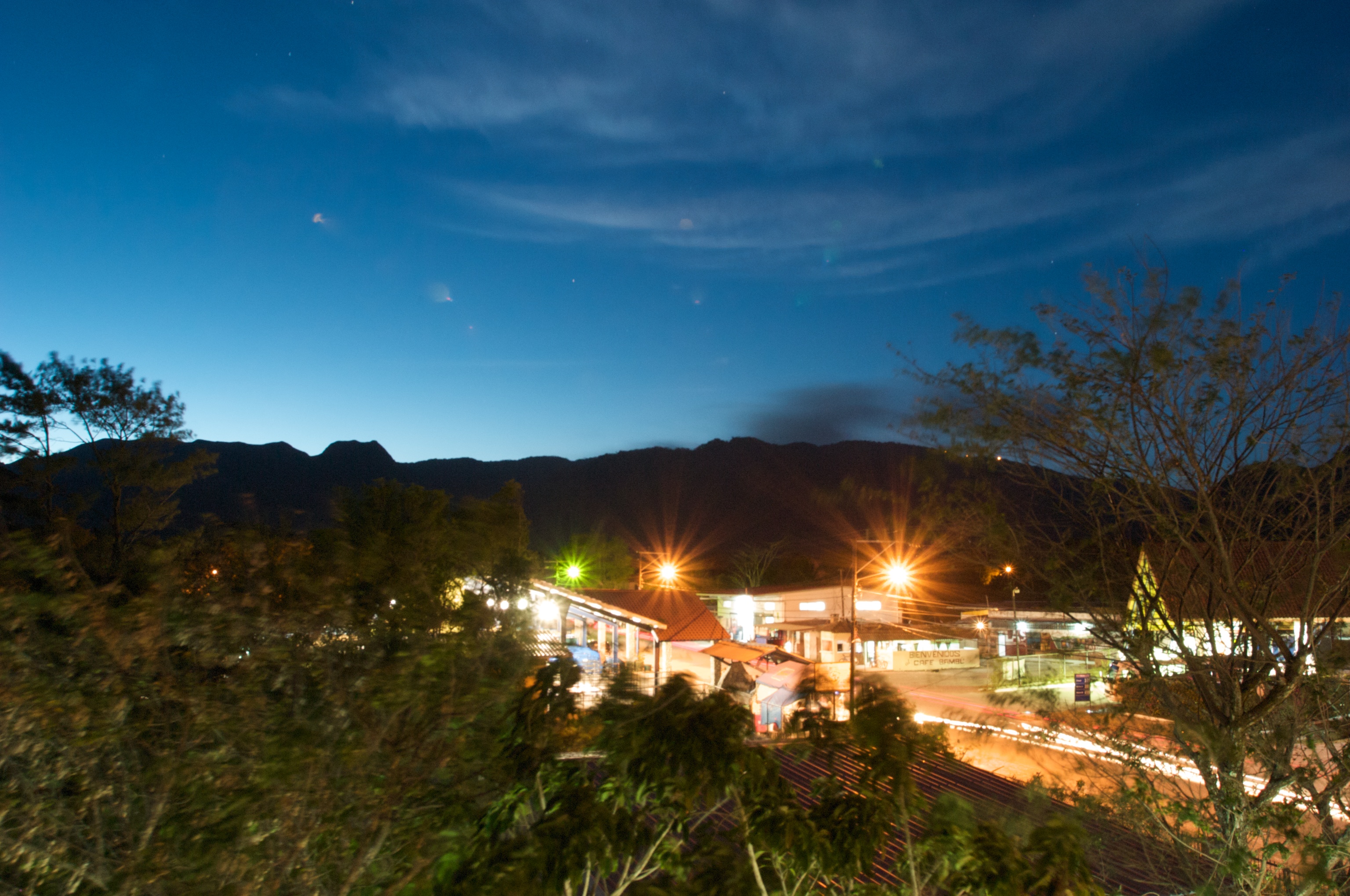 54
54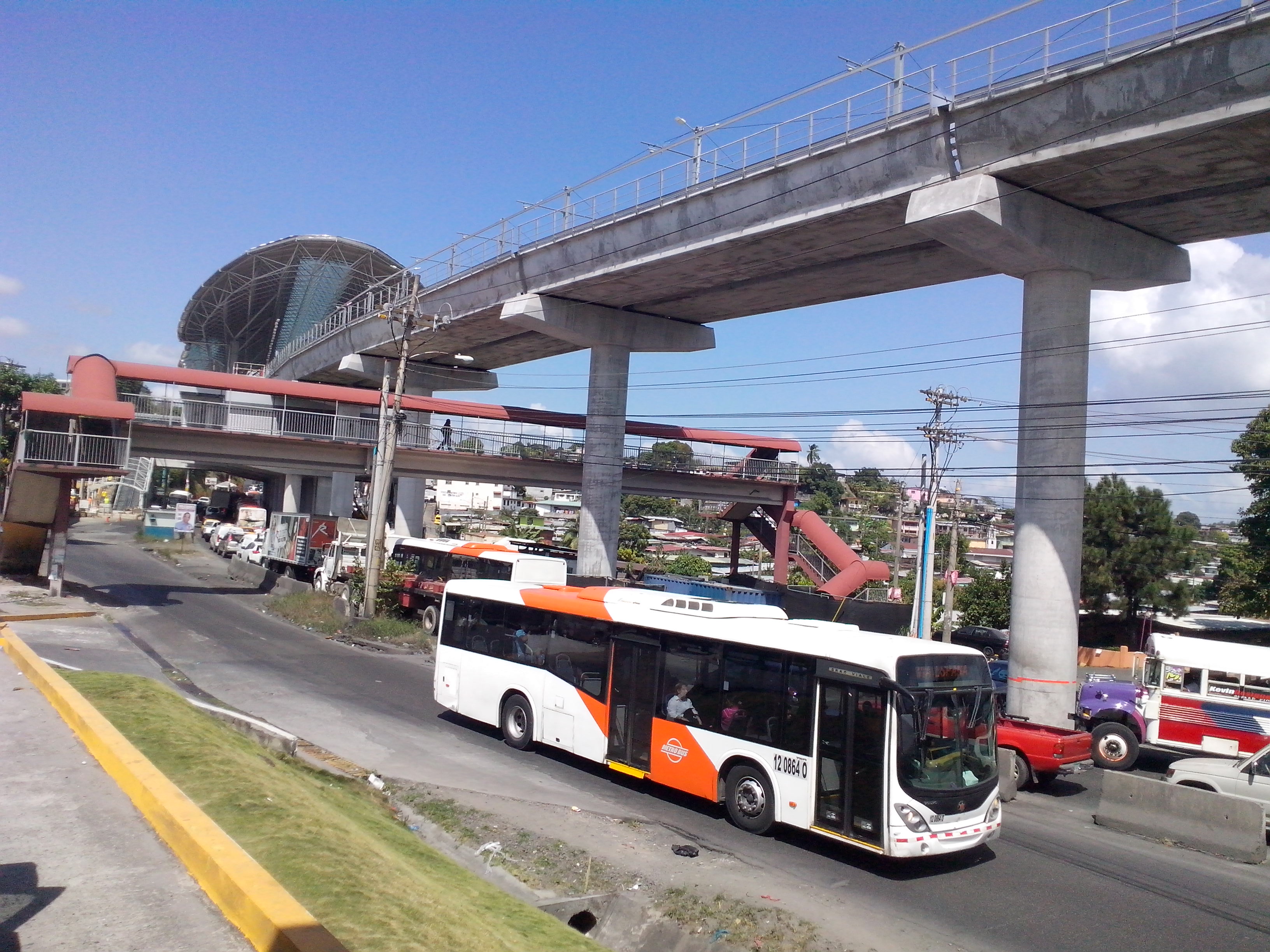 51
51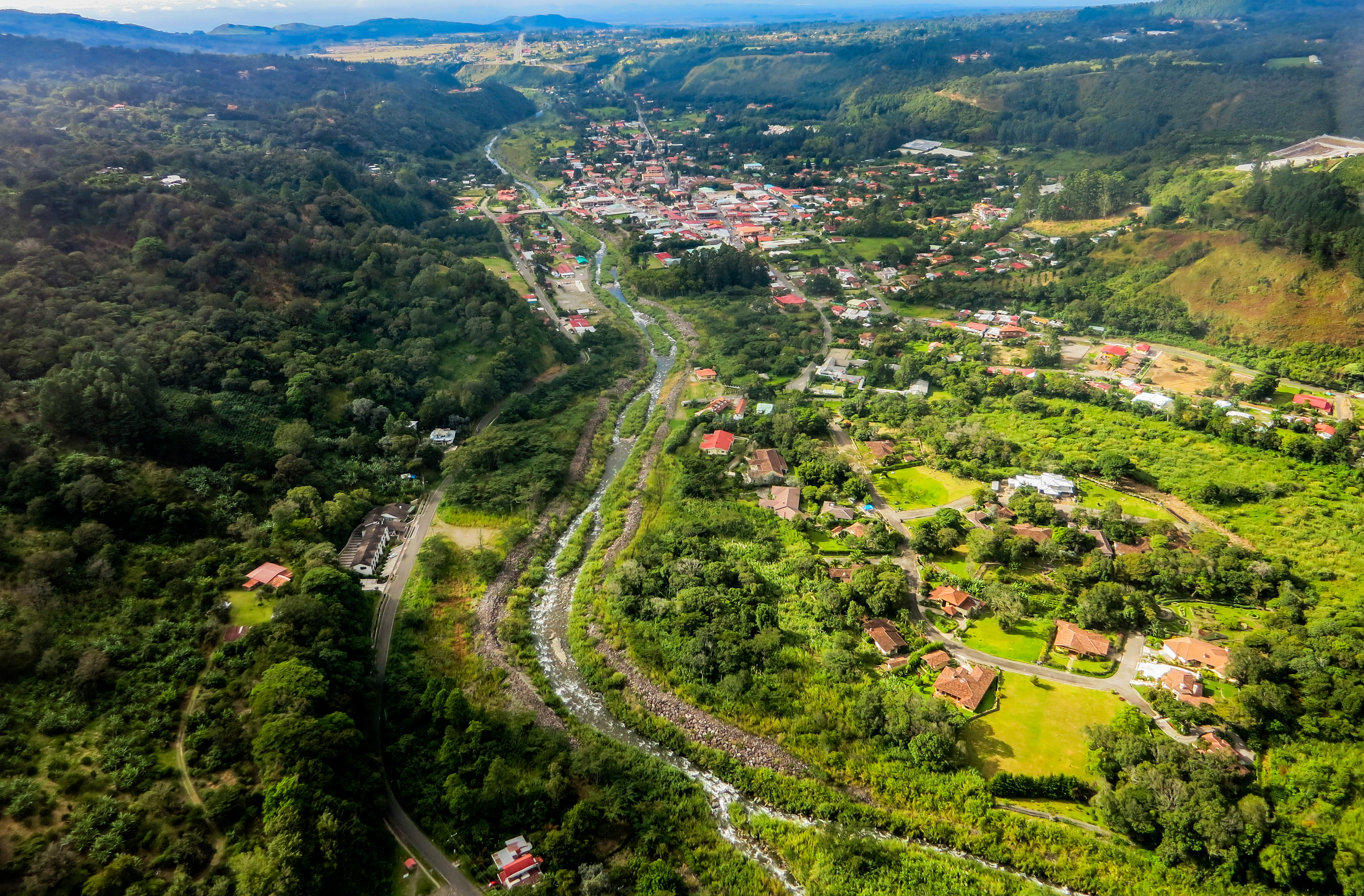 67
67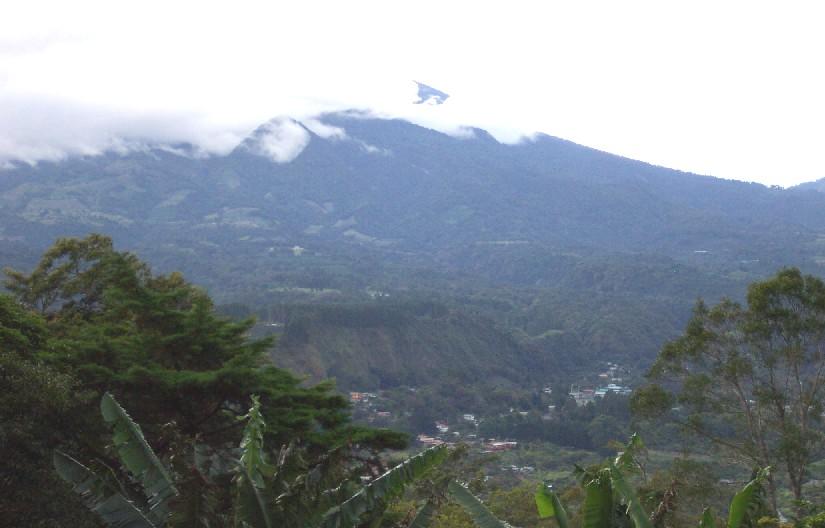 59
59The address and household paperwork people underestimate
There's no minimum housing standard written into this visa the way there is for some residence programs elsewhere, but that doesn't mean the address side of the file is trivial. If you're bringing dependents, you need to show a shared address with them, which sounds simple until you're applying from a hotel, an Airbnb, or a friend's guest room with no lease in your name. Immigration wants a household that looks stable enough to attach a support affidavit to, and a paper trail that a notary or the receiving apostille chain hasn't already validated for you.
The mistake shows up most often with couples who apply separately by accident, or who assume a joint bank account substitutes for proof of cohabitation. It doesn't. The relationship documentation and the address documentation are two different requirements doing two different jobs, one proving who you are to each other and one proving where you actually live, and conflating them is a common reason lawyers send files back for correction before submission rather than after rejection.
What happens after your visa gets approved
This is where the Pensionado visa behaves differently than most retirement visas people research beforehand. There's no multi-year holding pattern on a temporary card before you qualify for permanent status. Approval under this program grants permanent residency directly, which changes how you should think about the waiting period. The twelve-to-forty week window most applicants fall into isn't a countdown to some intermediate status you'll need to renew and re-justify. It's the runway to a permanent card.
, "approved" and "card in hand" are not the same moment, and the gap between them is where a lot of anxious emailing to lawyers happens. Expect a period where your case has cleared but the physical document hasn't been issued, and plan travel around that rather than assuming you can leave the country and re-enter on the strength of an approval letter alone. The physical presence requirement is truly minimal, essentially a single day, which gives retirees real flexibility to split time between Panama and elsewhere once the card exists. Before it exists, don't test that flexibility.
The five-year run to citizenship, and what the gap year actually holds
Permanent residency lands fast under this program, but citizenship doesn't, and the five-year mark is where the two timelines diverge sharply from how they're often described online. Reaching permanent status quickly can create a false sense that everything downstream moves at the same pace. It doesn't. The years between getting your residency card and becoming eligible to naturalize are where most of the paperwork people assume is finished actually needs to be maintained: renewals, continued proof of the same pension income that got you in, and staying inside whatever presence pattern keeps your residency active rather than lapsed.
Retirees who treat the five-year clock as passive tend to be the ones who show up at year five with a residency history full of gaps they didn't track carefully. If citizenship is truly the goal rather than a nice-to-have, the discipline has to start on day one of holding the card, not in year four when someone mentions the timeline out loud.
Panama against the obvious alternative
The retiree comparing this to Costa Rica's equivalent program is usually comparing the wrong variables. Costa Rica's pensioner track has its own appeal and its own community of American retirees, but the two countries ask for fundamentally different levels of commitment on presence and on how fast you get real status. Panama hands you permanent residency almost immediately and only asks you to set foot in the country once, which matters enormously if you're not ready to fully relocate yet and want a foothold while you decide. If your plan involves spending real chunks of the year back in the US near family, that asymmetry alone should carry more weight in the decision than tax comparisons or cost-of-living tables.
Where Panama asks more of you is later, in the slower and more procedural climb toward citizenship, and in the fact that private pension income needs more corroborating paperwork than a straightforward Social Security file does. If your income is simple and government-backed, Panama's process is close to frictionless. If it's a patchwork of private pension income, rental income, and partial Social Security, the file gets heavier fast, and that's the point where some retirees start seriously weighing whether a country with a more flexible income test is worth the trade of a slower path to permanent status.
Work Permissions
What's typically permitted:
Application Steps
- 1
📋 Research visa requirements
1-2 weeks
- 2
📄 Gather pension proof
2-4 weeks
- 3
📋 Engage immigration lawyer
1 week
- 4
📬 Submit application
Same day
- 5
⏳ Wait for approval
12-40 weeks
- 6
🏛️ Complete in-country registration
1-2 weeks
Planning a long stay? Compare international health plans for Panama.
Compare health insuranceWe may earn a commission at no cost to you.
Compare this visa
Curated comparisons that include this route.
Frequently Asked Questions
Click any question to expand the answer.
Ready to Apply?
Work with trusted visa specialists who handle the paperwork so you can focus on your move.
Get help with this visa →* We may earn a commission if you apply through our link
At a Glance
Last verified: May 13, 2026