Min Monthly Income
$3,000
Difficulty
Moderate
Duration
9 months
Overview
Getting the income documentation story straight before applying
The number that matters is $3,000 a month in qualifying income, required as of 2026, and the mistake people make isn't earning too little, it's presenting income in a way that reads as unstable to whoever is reviewing the file. A single US client paying irregularly, with invoices that jump from $1,800 one month to $6,000 the next, tells a worse story than a steady $3,200 even though the average is higher in the first case. Consistency reads as credibility here. Someone earning $6,000 a month from two US clients on retainer is in a stronger position than someone pulling in $9,000 from five different one-off contracts, even though the second person's total is larger.
Pension income doesn't count toward this threshold, which surprises people who assumed any documented passive income would qualify. This is a freelancer and remote-work permit, not a retirement visa, and the government treats it that way. If your income is Social Security or a pension, this isn't your lane regardless of the amount. What counts is active self-employment or remote employment income, which means the paperwork trail needs to look like ongoing work, not a one-time payout or a fixed annuity statement. Bank statements should show recurring deposits that match invoices or contracts, not lump sums that arrived once and sat there. Applicants sometimes try to pad a thin income history by depositing savings into the account they're using for proof right before applying. Reviewers have seen this pattern enough times that a deposit with no matching invoice, arriving weeks before the file goes in, tends to draw a second look rather than reassurance.
The other piece people underprepare is the gap between what a client relationship looks like informally and what it needs to look like on paper. A verbal freelance arrangement with a US company needs to become a written contract or a series of invoices with dates, amounts, and a described scope of work, ideally going back several months before you file. Building that paper trail takes longer than people expect, and it's the kind of thing you want sorted out two or three months before you plan to submit, not the week of.
Eligibility Requirements
Min Income
$3,000
Duration
9 months
Remote Work / Freelance
W2 Employee (foreign employer) · 1099 Contractor · Self-Employed
Requirements Checklist
Tax Information
What Panama Actually Taxes
Panama runs a pure territorial system: tax residents pay Panamanian income tax only on income sourced inside Panama, and everything earned outside the country, as of 2026, sits outside the net entirely, whether you're formally a tax resident or not. For someone on the Self-Employed / Remote Worker Permit, that means freelance revenue billed to US or European clients, dividends from a US brokerage account, capital gains on a Vanguard portfolio, rental income from a house back in Ohio, and any pension or Social Security check all land as foreign-source and go untaxed at the local level. Panama-source income is a different story: wages from local employment or profit from a Panama-based business face standard brackets, 0% up to USD 11,000, 15% up to USD 50,000, and 25% above that, as of 2026.
Residency status itself barely moves the needle here, because the exemption on foreign-source income applies regardless of whether you're a formal tax resident. The permits built for this route, Pensionado and Friendly Nations among them, carry no minimum-stay requirement, so you can spend most of the year in Panama or fly in and out without changing the tax outcome on your US-sourced income. What does complicate things is sitting on tourist stays instead of converting to residency, since those cap out at 180 days and start to interfere with claims you'll want to make later on the US side.
There's no separate preferential tax rate layered on top of the territorial system, because the territorial system already does the work. The Pensionado visa, open to retirees with at least USD 1,000 a month in lifetime pension income (or USD 750 if paired with a Panama real estate purchase of USD 100,000 or more), doesn't change your tax rate: foreign pension income was already exempt before you applied. What it buys is a stack of discounts, 15 to 50 percent off medical care, medication, restaurants, hotels and flights, plus no minimum-stay clock to watch. The Friendly Nations Visa works the same way for US citizens building residency through employment, business ownership, or property purchase, a path to permanent status rather than a tax break, since the foreign-source exemption you're relying on existed before you filed the application. Pick up a Panama-source income stream later, and either program leaves you fully exposed to the standard brackets above.
Your US Return Doesn't Care Where You Live
None of this touches your US filing obligation. Citizens and green card holders owe the IRS on worldwide income no matter where they sleep, and Panama's zero rate on foreign income does nothing to change that math. The Foreign Earned Income Exclusion lets you exclude up to USD 132,900 of 2026 earned income, freelance revenue and remote salary specifically, and if you're renting rather than owning you can likely stack a housing exclusion worth roughly USD 18,000 on top of it. What it will not touch: dividends, capital gains, rental income from property back home, pension distributions, or Social Security. Those get reported and taxed by the US regardless of what Panama does with them.
The Foreign Tax Credit, normally the backstop against double taxation, does almost nothing for you here. Since the territorial system leaves most retirement and passive income entirely untaxed locally, there's no Panamanian tax bill to credit against your US liability, which means expats living on foreign-source income can end up owing the IRS in full on money Panama never touched. Qualifying for the FEIE means passing either the
Living in Panama
COL Index vs NYC
43.9
Monthly Cost (excl. rent)
$781
1BR Rent (City Center)
$1,023
Safety Index
57.3
Healthcare Index
60.7
Quality of Life Index
124.4
Time Zone
UTC-05:00
Capital
Panama City
Population
4.3M
Official Languages
Spanish
Avg Internet Speed
197 Mbps
Public Transit Quality
Fair
With a budget covering rent and living costs, you'd need roughly $1,804/mo for a comfortable single-person lifestyle in Panama.See how far your money goes →
🏙️ Best Cities in Panama for Freelancers
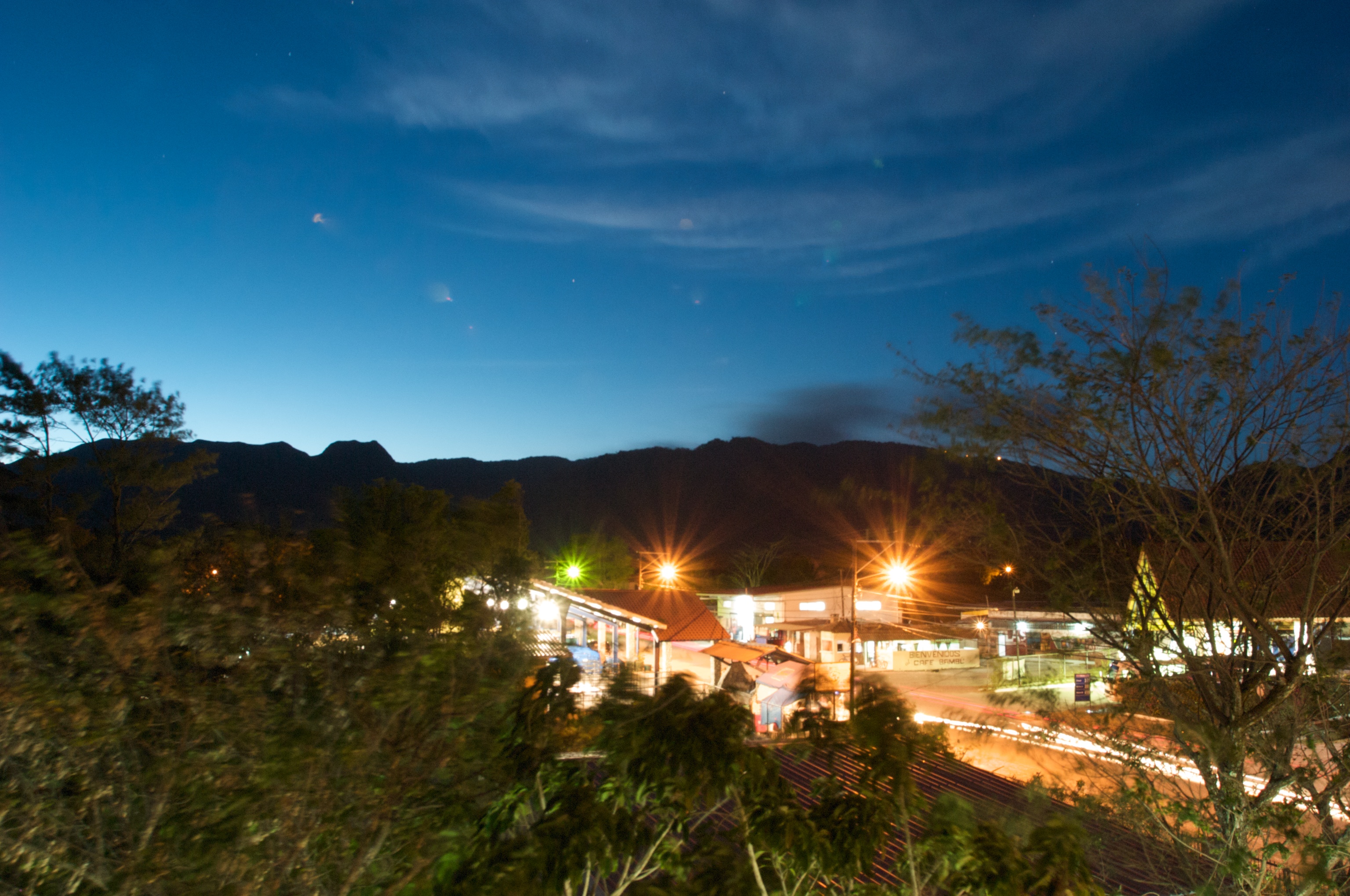 54
54 55
55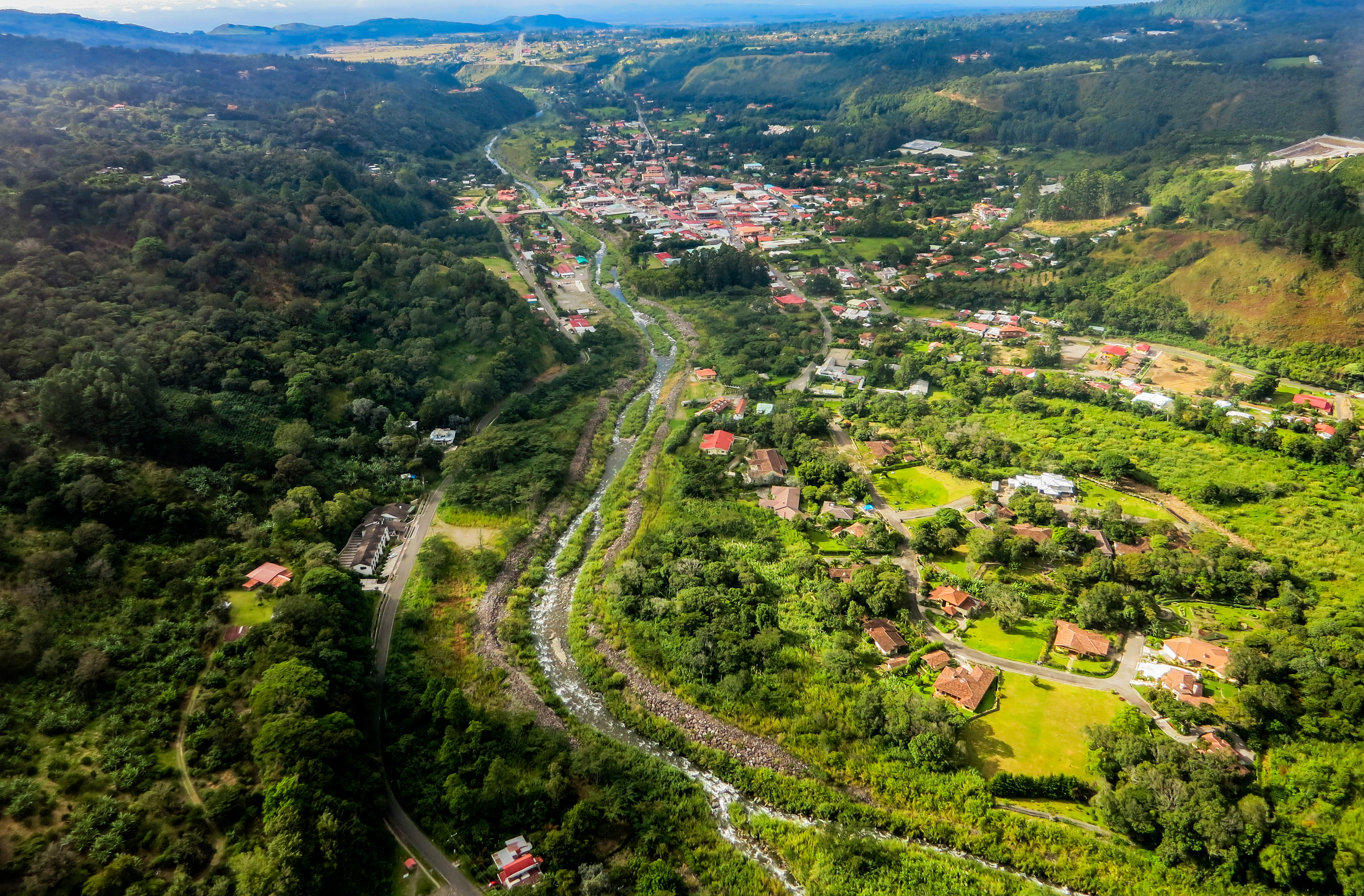 67
67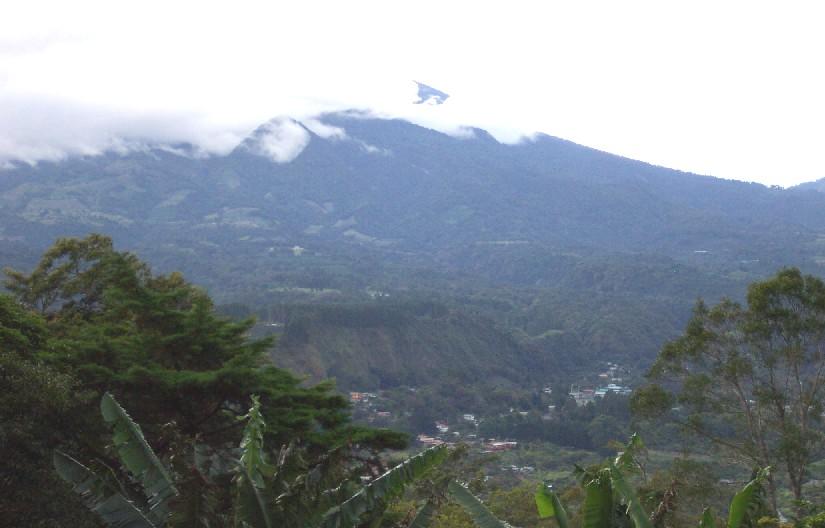 44
44The housing and health insurance requirement and how people get it wrong
Health insurance is required, and the error here is treating it as a box to check rather than a document to get right. A US travel insurance policy purchased online in ten minutes often doesn't satisfy what's being asked for, because it's built for short trips and excludes the kind of ongoing coverage a residency application wants to see. What tends to work better is a policy, US or Panamanian, that explicitly covers the applicant for the duration of the stay and doesn't read like a trip-cancellation product with medical coverage bolted on as an afterthought.
There's no local bank account requirement built into this permit, which is unusual compared to how a lot of people assume Latin American residency programs work, and it removes one step that trips up other visa categories. You don't need to show up with a Panamanian account already open. , once you're living there day to day, running everything through a US account gets impractical fast, so most people end up opening one anyway within the first few months, just not because the application demanded it.
Where people get the housing side of this wrong is treating an Airbnb printout as proof of address. A short-term rental booking confirmation looks temporary because it is, and if the file needs an address it should be one you can back up with something more durable, a lease, a utility bill, a letter from a landlord. Sorting out a longer-term rental before or shortly after arrival, rather than living out of short bookings while you figure things out, saves a scramble later when any address-dependent step comes up. It also just makes the first few months less chaotic, which matters more than people expect once they're actually there juggling a new tax setup and unfamiliar bureaucracy at the same time.
What actually happens after you land
The permit runs nine months initially, which is short enough that renewal planning needs to start almost as soon as you arrive, not a month before it expires. There's no interview and no medical exam required, which keeps the process lighter than a lot of comparable programs, but it also means there are fewer checkpoints where someone official confirms you're on track, so the responsibility for tracking your own renewal timeline sits entirely with you. No apostille requirement either, which cuts out one of the slower and more expensive steps that trips up applicants elsewhere, usually the FBI background check apostille chain that eats weeks in other countries. That step isn't part of this permit at all.
Local work is permitted under this status, which is worth sitting with for a second, because a lot of remote-work permits elsewhere explicitly forbid taking on local clients or local employment. Here you can. That opens a door that people sometimes don't use, either because they assumed it wasn't allowed or because they never planned past the remote income that got them the permit in the first place.
The renewable nature of the permit means there's no hard ceiling written into it forcing you to leave after one term, but renewable isn't the same as permanent, and the two get conflated more than they should. Each renewal is its own event, tied to the same income documentation questions you answered the first time, which means the contract and invoice trail you built for the initial application needs to keep being built, indefinitely, for as long as you want to stay. People who let that habit slip in year two, once the initial paperwork stress fades, are the ones who scramble at renewal time.
What the long-term path requires in practice
Here's the part that changes the calculus for a lot of applicants: this permit doesn't lead to permanent residency. It renews, but it doesn't convert into something more permanent on its own track. That's a structural decision, not an oversight, and it means anyone treating this as step one of a citizenship plan is planning against the wrong document. If long-term settlement in Panama is the actual goal, the self-employed permit gets you in the door and lets you live there legally on a renewing basis, but the residency clock that eventually leads somewhere else isn't ticking under this specific status the way people assume it is.
This matters most for people who assumed "renewable" implicitly meant "eventually permanent," which is a reasonable assumption borrowed from how a lot of other countries structure their residency ladders, and one that doesn't hold here. If PR or citizenship is the endpoint, the sequencing question isn't when to renew this permit, it's whether to be on this permit at all, or whether a different category built with that endpoint in mind is the one to start on from day one. Switching categories later is possible in general terms, but it's a fresh decision with its own paperwork, not a natural next rung on a ladder this permit was built to be part of.
For someone whose actual goal is a base of operations for a few years, low tax friction on income earned elsewhere, and the option to leave without having invested years into a citizenship track, none of this is a problem. It becomes a problem only when the visa gets chosen for the wrong reason.
The judgment call against the more residency-focused alternative
Panama runs more than one path into the country for people with foreign income, and the fork that matters is between this permit and one of the categories explicitly built toward permanent residency. The self-employed and remote worker route wins on speed and simplicity: no interview, no medical exam, no apostille chain, a lower income bar to clear, and none of the deposit or investment commitments that heavier residency categories tend to ask for. If the goal is legal presence in Panama within a reasonably short window, minimal friction, and freedom to leave without unwinding anything, this is the better tool.
The trade-off is that you're renting the country's legal status rather than building toward owning any piece of it. A residency-track alternative asks for more up front, usually more paperwork, more scrutiny, sometimes a financial commitment this permit doesn't require, in exchange for years that actually count toward something permanent. For a US freelancer who isn't sure yet whether Panama is a five-year plan or a five-month experiment, that trade favors starting here rather than committing to a heavier track before you know you want to stay. For someone who's already decided Panama is where they're building a longer life, starting on a permit that structurally excludes PR just delays the real decision instead of avoiding it.
The honest read is that this permit is the right entry point for testing the fit, and the wrong permanent home for anyone who already knows the answer.
Work Permissions
Application Steps
- 1
Research
Verify all requirements for this visa type and country
- 2
Gather documents
Obtain all required documents (passport, financial statements, health insurance, etc.)
- 3
Complete application
Fill out the official application form
- 4
Submit application
Submit all documents to the appropriate consulate or online portal
- 5
Pay fees
Complete payment of application and visa fees
- 6
Attend interview
If required, attend any scheduled interviews
- 7
Wait for decision
Processing times vary from weeks to months
- 8
Travel and activate
Once approved, travel to the country and complete any activation requirements
Compare this visa
Curated comparisons that include this route.
Frequently Asked Questions
Click any question to expand the answer.
Ready to Apply?
Work with trusted visa specialists who handle the paperwork so you can focus on your move.
Get help with this visa →* We may earn a commission if you apply through our link
At a Glance
Last verified: June 7, 2026