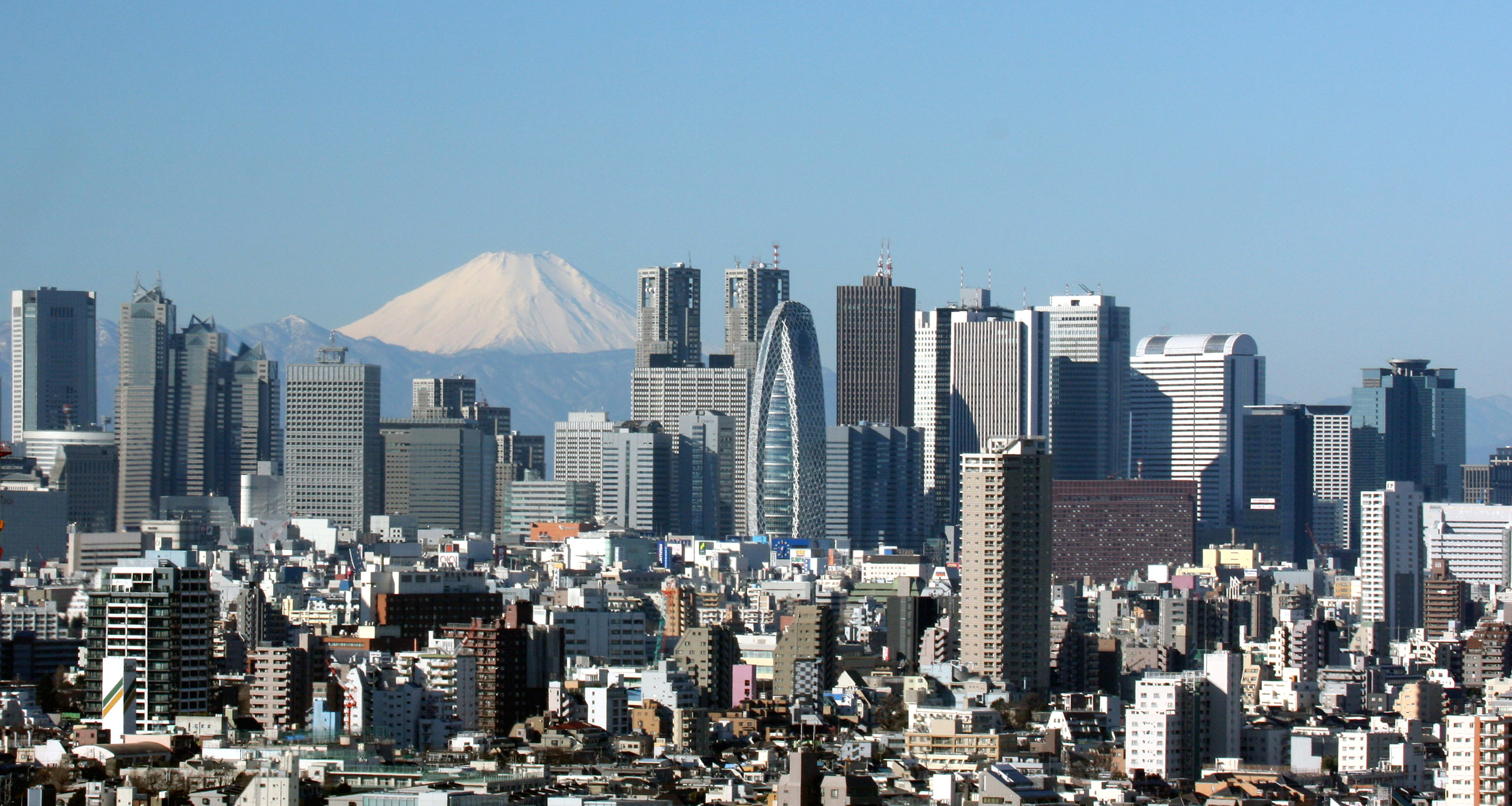
Finance, technology, manufacturing, and retail dominate here, with 26 Fortune Global 500 companies headquartered in the metro area — Sony, Toyota, Mitsubishi, SoftBank, and others. The Tokyo Stock Exchange and a dense cluster of international banks make this one of Asia's premier finance hubs. For expats, the realistic job paths are English teaching (¥250,000–¥300,000/month to start), corporate roles at multinationals requiring Japanese, or remote work. Breaking into Japanese firms without N2-level Japanese is genuinely difficult; most white-collar hiring still runs through Japanese-language networks.
A one-bedroom in central Tokyo runs around $1,400/month — expensive by Asian standards, though cheaper than London or New York for comparable quality. The train network is extraordinary: Shinjuku Station alone handles over 3.5 million passengers daily, and you can reach almost anywhere without a car. Public healthcare is accessible once you're enrolled in the national insurance system (premiums vary by income), but enrollment requires navigating ward office bureaucracy almost entirely in Japanese. Residency paperwork, bank account setup, and even apartment hunting often demand a Japanese guarantor and patience for bureaucratic friction that is real and consistent.
Four distinct seasons mean cherry blossoms in April, brutal humidity in August, and crisp winters that rarely drop below freezing in the city center. The food scene is genuinely world-class at every price point — a Michelin-starred meal or a ¥500 ramen bowl, both excellent. The expat community is sizable but not dominant; Tokyo doesn't have the expat-bubble feel of Singapore or Dubai, which means deeper integration is possible but lonelier if your Japanese is weak. Weekends mean hiking in Okutama, day trips on the Shinkansen, or disappearing into neighborhoods like Shimokitazawa or Yanaka. This city suits disciplined savers with remote income or professionals in finance and tech who want world-class urban infrastructure and don't mind a steep language learning curve.
Estimate the cost of moving to Tokyo, Japan
Get a free moving cost estimate for moving to Tokyo, Japan. Takes 10 seconds.
How much are you shipping?
When are you moving?
Powered by Sirelo. Free quotes from international movers.
🏚️ Cost of Living
💰 Budgets and Costs
$1,158/mo, one person, rent included
Selected: budget lifestyle
Tokyo on a budget budget comes to about $1,158 a month for one adult, with $692 of that going to rent. Beyond rent the estimate covers $132 on groceries, $30.00 on dining out, $41.00 on entertainment and lifestyle, $200 on utilities and connectivity and $63.00 on transport.
Rent
$692/mo
1BR outside the centre
Groceries
$132/mo
75% of mid-range grocery spend
Dining out
$30.00/mo
4 inexpensive meals
Entertainment & lifestyle
$41.00/mo
1 cinema trip, 8 cappuccinos
Utilities & connectivity
$200/mo
utilities, mobile, internet
Transport
$63.00/mo
Monthly pass
Budgets (excl. rent)
Single person$466/mo
Excludes rent. The total above is all-in, rent included.
$1,341/mo, one person, rent included
Selected: mid-range lifestyle
Tokyo on a mid-range budget comes to about $1,341 a month for one adult, with $692 of that going to rent. Beyond rent the estimate covers $176 on groceries, $76.00 on dining out, $134 on entertainment and lifestyle, $200 on utilities and connectivity and $63.00 on transport.
Rent
$692/mo
1BR outside the centre
Groceries
$176/mo
Staples basket scaled to a full month
Dining out
$76.00/mo
10 inexpensive meals
Entertainment & lifestyle
$134/mo
gym, 2 cinema trips, 12 cappuccinos
Utilities & connectivity
$200/mo
utilities, mobile, internet
Transport
$63.00/mo
Monthly pass
Budgets (excl. rent)
Single person$649/mo
Excludes rent. The total above is all-in, rent included.
$2,136/mo, one person, rent included
Selected: comfortable lifestyle
Tokyo on a comfortable budget comes to about $2,136 a month for one adult, with $1,280 of that going to rent. Beyond rent the estimate covers $246 on groceries, $159 on dining out, $188 on entertainment and lifestyle, $200 on utilities and connectivity and $63.00 on transport.
Rent
$1,280/mo
1BR in the centre
Groceries
$246/mo
140% of mid-range grocery spend
Dining out
$159/mo
6 inexpensive meals + 6 mid-range meals
Entertainment & lifestyle
$188/mo
gym, 4 cinema trips, 20 cappuccinos
Utilities & connectivity
$200/mo
utilities, mobile, internet
Transport
$63.00/mo
Monthly pass
Budgets (excl. rent)
Single person$856/mo
Excludes rent. The total above is all-in, rent included.
Estimates for one adult, built from this city's average prices and the usage shown for each tier. Your spending will differ with how often you eat out and where you live.
A 1BR in the center runs about $1280.34/mo. If your income is in another currency, bank FX fees add up. A multi-currency account can cut that cost.
Tokyo is exceptionally safe by global standards, with violent crime extremely rare and petty theft uncommon even in crowded areas. The main concerns for expats are minor: package theft, bicycle theft, and occasional scams targeting foreigners (overly friendly strangers, inflated bar tabs in Roppongi). Avoid late-night walks alone in entertainment districts like Kabukicho, though danger is low. Earthquake preparedness matters more than crime here. For Americans accustomed to urban vigilance, Tokyo feels remarkably secure—you can walk most neighborhoods at any hour without significant risk.
Located in the iconic Shibuya Scramble Square, this WeWork offers stunning city views and a vibrant atmosphere. Its central location makes it ideal for meeting clients and exploring Tokyo after work.
Located in Meguro, Impact Hub Tokyo is a community-focused coworking space that attracts social entrepreneurs and innovators. They offer a collaborative environment and host regular events, making it a great place to network.
Basis Point Kanda offers a more traditional, quiet workspace in the Kanda business district. It's a good option for those who prefer a focused environment and easy access to transportation.
The Hive Jinnan is located in Shibuya and offers a stylish and modern workspace with a focus on design and creativity. It's a popular choice for freelancers and startups in the creative industries.
See how Tokyo's digital nomad life compares with Lisbon
🧳 Expat Life
English Proficiency
Common in Tourist Areas
Expat Community
Large & Active
Top Neighborhoods
Minato, Shibuya, Setagaya, Ebisu
Banks Nearby
554
ATMs Nearby
460
Expat Life Notes
A massive, ultra-safe metropolis. Tokyo offers a unique blend of hyper-modernity and deep tradition, though integration can be slow.
Pros
✓ Unparalleled safety and cleanliness
✓ Excellent public transport
✓ Incredible food quality
Cons
✗ Work culture can be intense
✗ High language barrier for depth
✗ Small living spaces
🏘️ Neighborhoods in Tokyo
Areas of Tokyo that expats often consider.
Conditions can change from one block to the next, and these descriptions are general guides, not safety assessments. Before choosing where to stay or live, check current travel advisories, talk to people who live there, and visit in person if you can.
Shibuya
Vibrant, youthful, always buzzing
Shibuya is famous for its iconic scramble crossing and trendy shops. It's a hub for young people and fashion, offering endless entertainment and dining options. While exciting, it can be crowded and expensive, and finding quiet residential pockets is challenging.
Shinjuku
Diverse, bustling, entertainment central
Shinjuku offers a mix of towering skyscrapers, vibrant nightlife, and tranquil gardens. It's a major transportation hub, making it convenient for exploring Tokyo and beyond. Expect higher rent and constant activity, but also unparalleled access to amenities and cultural experiences.
Roppongi
Upscale, international, nightlife focused
Roppongi is known for its international atmosphere, art museums, and vibrant nightlife. It's popular with expats and offers a wide range of dining and entertainment options. Be aware that it can be expensive and noisy, especially on weekends.
Azabu-Juban
Charming, upscale, residential village
Azabu-Juban offers a more relaxed and sophisticated atmosphere with a mix of traditional shops and modern amenities. It's popular with families and expats seeking a quieter residential area. Expect higher rent, but also a more peaceful and convenient lifestyle with excellent access to international schools and services.
Setagaya is a large residential area offering a more suburban feel with parks and green spaces. It's popular with families and those seeking a quieter lifestyle away from the city center. While less expat-centric, it provides a more authentic Japanese experience and potentially lower rent, but requires more Japanese language skills.
Nakameguro
Stylish, trendy, canal-side living
Nakameguro is known for its trendy boutiques, cafes, and the picturesque Meguro River. It's a popular spot for strolling and enjoying the cherry blossoms in spring. It's relatively expensive and can get crowded, but offers a stylish and convenient lifestyle with good access to other parts of Tokyo.
Koenji
Bohemian, alternative, budget-friendly
Koenji is known for its vintage shops, live music venues, and counter-culture scene. It offers a more affordable living option compared to central Tokyo. While less geared towards expats, it provides a unique and vibrant atmosphere for those seeking a more alternative experience and are comfortable navigating with limited English.
Page 1 of 2
Could living/working in Tokyo cut years off your work life?
With a 1-bedroom in the center at $1280/mo, your FIRE number here might be much lower than you think.
Tokyo has a population of approximately 9,733,276 people.
A single person can expect to spend around $3,201 per month in Tokyo, including rent. A 1-bedroom apartment in the city center costs approximately $1280/month.
The nearest airport to Tokyo is OKO, approximately 14.5km away.
Tokyo is considered relatively safe, with a safety index of 90.0. As with any city abroad, expats should research specific neighborhoods before committing to a location.
Tokyo has an average internet speed of 200 Mbps. It is considered a well-established digital nomad destination.
For daily life — convenience stores, trains, tourist areas — yes. For renting an apartment, dealing with ward offices, opening a bank account, or working at a Japanese company, no. English signage has improved significantly, but bureaucratic and professional life still runs heavily in Japanese. Reaching at least N3 level will meaningfully reduce daily friction.
It depends on your baseline. A central one-bedroom runs around $1,400/month, which is cheaper than equivalent neighborhoods in London, Sydney, or New York. Groceries and eating out are reasonable — a solid restaurant meal costs $10–15. The real costs are rent and the occasional large bureaucratic fee. On a $4,000/month remote income, you can live comfortably but not lavishly in a central neighborhood.
Japan does not currently offer a dedicated digital nomad visa. Most long-term expats use a work visa tied to a Japanese employer, a spouse visa, or the Highly Skilled Professional visa (points-based). Early retirees without Japanese income sources have limited options — tourist stays max out at 90 days. Japan has been slow to create flexible residency pathways compared to countries like Portugal or Thailand, so visa planning requires serious lead time.
Shirokane and Azabu are popular with wealthier expats due to their international schools and larger apartments. For a more budget-friendly option, consider Shimokitazawa or Koenji, which have a younger, more bohemian vibe and are well-connected to the city center.
Tokyo has four distinct seasons, with hot, humid summers and mild winters. Spring (March-May) and autumn (September-November) are the most pleasant times to visit, with comfortable temperatures and beautiful foliage. Expect typhoons in late summer and early autumn.
Tokyo boasts some of the fastest and most reliable internet speeds in the world. You can easily find apartments with fiber optic connections, and many cafes and coworking spaces offer free Wi-Fi, making it ideal for remote work.
Yes, Tokyo has a thriving coworking scene, with options ranging from large international chains like WeWork to smaller, locally-owned spaces. Prices vary, but you can typically find a desk for around $300-$500 per month.
As a foreign resident, you can enroll in the Japanese National Health Insurance system, which covers 70% of your medical costs. Many hospitals have English-speaking staff, particularly in expat-heavy areas, and the quality of care is generally excellent.
As a US citizen, you're still required to file US taxes even when living abroad. You may be able to exclude a portion of your income using the Foreign Earned Income Exclusion (FEIE) or claim a Foreign Tax Credit for taxes paid to Japan. Consult with a tax professional specializing in expat taxes.
Opening a bank account can be challenging without a long-term visa and a residence card. Some banks, like Shinsei Bank, are more foreigner-friendly and offer English services. Be prepared to provide documentation such as your passport, residence card, and proof of address.
Services like Wise (formerly TransferWise) and Remitly are popular for international money transfers, offering competitive exchange rates and lower fees than traditional banks. ATMs are widely available, but be aware of potential foreign transaction fees.
It's possible, but you'll need to be mindful of your spending and live outside the city center. Focus on affordable neighborhoods, cook at home frequently, and take advantage of free activities like exploring parks and temples. Healthcare costs should also be factored in.
Tokyo has a large and diverse expat community, with numerous social groups and events catering to different interests. Websites like Meetup.com and Facebook groups are great resources for connecting with other expats.
While learning some Japanese will greatly enhance your experience, it's possible to navigate daily life in Tokyo with English, especially in tourist areas and larger cities. Many signs are bilingual, and customer service staff often have some English proficiency. Embrace the challenge of learning the language, but don't let it deter you from moving.
Be mindful of Japanese customs such as bowing, removing shoes indoors, and avoiding loud conversations in public. Punctuality is highly valued, and tipping is not customary. Researching basic etiquette will help you avoid unintentional faux pas.
Cost-of-living and visa updates for Tokyo and the rest of Japan. Free with RA Postcards.
By submitting your email address, you will receive a free subscription to RA Postcards and special offers from Rewire Abroad and our affiliates. You can unsubscribe at any time, and we encourage you to read more about our Privacy Policy.