Min Monthly Income
$6,667
Application Fee
$20
Processing Time
4-12 wks
Difficulty
Easy
Duration
6 months
Overview
Japan’s Digital Nomad Visa is built around one core filter: high, verifiable remote income. The minimum is set at 6,667 USD/month, which corresponds to roughly 10,000,000 JPY/year as of 2026, per multiple practitioner guides. That threshold is aimed at salaried remote employees and location-independent professionals who can document contracts, payroll, or business income; this aligns with the stated target audience of digital nomads and remote W‑2 employees. Purely passive streams like ETF dividends, rental income, or Social Security are not described as qualifying income, so someone drawing 3,800 USD/month from a mix of rentals and dividends but no ongoing remote work is unlikely to meet the practical standard for “digital nomad” status under this visa.
Stays are short by design: the visa is granted for 6 months and is non-renewable under current rules. There is no minimum physical presence requirement (0 days) , but the structure is clear: this is for one extended stay, not a backdoor to semi-permanent shuttling in and out of Japan. With no renewal pathway and no multi‑year framework, someone planning a 10‑year relocation will need to view this as a one‑off experience, then transition to another status (such as a work, spouse, or business manager visa) if they want to remain.
From an immigration status perspective, this visa is flagged as leading to permanent residency, though the path to citizenship depends on subsequent status changes. Years to permanent residence and years to citizenship depend on your subsequent visa status, and this category is flagged as leading to permanent residency. If your long‑term goal is a Japanese permanent resident certificate or a Japanese passport, you would need a different visa category and several years of qualifying residence; this 6‑month digital nomad status can still serve as a step toward that outcome, provided you meet the residency requirements over time.
The administrative friction is moderate but not extreme: the bureaucracy score is 1/5, and key burdens like an apostille, FBI background check, medical exam, in‑person interview, or local bank account are explicitly not required. You will still face standard consulate‑level scrutiny, and you must carry private health insurance (health insurance required: Yes), but the application fee is about 20 USD, processing time runs roughly 4 to 12 weeks (as of 2026), and there is no requirement to open a Japanese account to park funds. For many expats used to Latin American or Schengen‑area paperwork, this feels relatively lightweight.
This visa makes the most sense if you already earn at least 6,667 USD/month from foreign remote work, want a one‑off 6‑month stint in Japan, and do not need local employment or a residency track. It is a poor fit if your income is 4,000 USD/month or less from passive investments, you need to string together multi‑year residence, or you are not planning to transition to another visa category afterward.
Eligibility Requirements
Japan restricts eligibility for its Digital Nomad Visa to citizens of countries that already enjoy short‑term visa‑free entry and, according to several practitioner sources, generally have double taxation agreements with Japan; this is driven by bilateral arrangements and risk controls, not by a simple “all nationalities welcome” policy. In practice, the eligible pool includes major OECD partners like the United States, Canada, the United Kingdom, most EU member states, Australia, New Zealand, and other treaty‑linked countries whose nationals can currently enter Japan visa‑free for tourism. Those are also the most common applicant nationalities in the remote‑work and FIRE communities.
If your passport is from a country that does not have visa‑free entry to Japan or lacks a robust bilateral tax framework, consulates are unlikely to accept an application under this digital nomad category. There is no published “back door” via the same nomad visa if you are excluded; you would need to qualify under a completely different status, such as a work visa, student visa, or spouse/dependee status linked to a qualifying resident. Acquiring a second passport from an eligible country can, in theory, open the door, but only if you genuinely hold and use that nationality; Japan will assess you based on the passport under which you apply.
The underlying lists for visa‑free entry and tax treaties do change over time with diplomacy and sanctions. For example, Russia’s and some Middle Eastern or African states’ arrangements have shifted in other Japanese immigration contexts, and heightened scrutiny can affect how consulates treat applicants from those countries even if rules permit entry. However, the core group of OECD partners such as the US, Canada, EU states, Australia, and New Zealand has been stable and is unlikely to be removed abruptly from eligibility.
Before investing in translations, insurance, or income documentation, confirm your nationality’s status directly with the Immigration Services Agency of Japan and the Japanese embassy or consulate that will process your case. Because eligibility is keyed to visa‑waiver and treaty lists that can change without high‑profile announcements, a short written confirmation or a focused 150–300 USD consultation with a Japan‑licensed immigration lawyer is far cheaper than assembling a non‑starter application under the wrong passport.
Min Income
$6,667
Application Fee
$20
Min Age
18 yrs
practical
Duration
6 months
Physical Presence
None required
Max 0% from local sources
Requirements Checklist
0 of 9 documents in hand
0%These take the longest, so start them first.
Request these while the slow items are in progress.
You only need these on the day you submit.
How and where to apply
Apply at a Japanese embassy or consulate in your home country. You may first obtain a non-mandatory Certificate of Eligibility from Japan's Immigration Services Agency or Regional Bureau. Cannot apply in-country; must be from outside Japan.
Tax Information
Local tax picture for digital nomads in Japan
Japan uses a worldwide income tax system for residents and a source‑based system for non‑residents. For digital nomads on this 6‑month visa, the key distinction is whether you cross Japan’s tax‑residency threshold, which under domestic law hinges on having a “jusho” (habitual residence) or “kyosho” (temporary residence) and on the length and nature of your stay. Non‑residents are taxed only on Japan‑sourced income and do not report foreign‑sourced income such as a US remote salary paid from a US company, ETF dividends in a US brokerage, or rental income from property in Canada or Australia. Residents, by contrast, are taxed on worldwide income, including remote salary, pensions, and foreign dividends.
Foreign‑source capital gains from selling index funds or ETFs in your US, Canadian, or EU brokerage are taxable in Japan only if you are a Japanese tax resident. In that case, gains are taxed under Japan’s financial income rules at a flat 20.315% (15% national, 5% local, and 0.315% reconstruction surtax). If you remain a non‑resident for Japanese tax purposes during your 6‑month stay, those foreign capital gains fall outside Japan’s tax scope.
There is no dedicated “digital nomad” tax regime akin to Portugal’s NHR or Italy’s flat‑tax non‑dom program; you are either treated as a standard resident or non‑resident under Japanese domestic rules. Whether and when a digital nomad must register with the Japanese tax office, obtain a MyNumber, or file an income declaration depends on your income sources, so you should assume that if you generate any Japan‑source income (for example, local consulting in Tokyo, which this visa forbids) you would trigger filing duties, while foreign‑source income alone may not.
The US-Japan tax treaty and Social Security Totalization Agreement help prevent double taxation, and practitioners commonly rely on the Japan–US income tax treaty in other contexts. For purposes of this guide, you should not assume unlimited treaty relief on Social Security, dividends, or pensions for this visa category without confirming your specific circumstances.
For US Citizens and Green Card Holders
US citizens and green card holders remain taxable on worldwide income regardless of holding a Japan Digital Nomad Visa. The Foreign Earned Income Exclusion (FEIE), claimed on Form 2555, can shield up to 132,900 USD of earned income in 2026 from US income tax, but only for earned income: remote W‑2 salary, self‑employment, or consulting fees. It does nothing for ETF dividends, capital gains, rental income, pensions, or Social Security. Given this visa’s 6‑month duration and non‑renewable status, most users will rely on the Physical Presence Test (330 full days outside the US in any 12‑month period, including days spent in Japan and other countries) rather than the Bona Fide Residence Test, which is hard to meet with no path to long‑term status.
The Foreign Tax Credit (FTC), via Form 1116, becomes relevant only once you are actually paying Japanese tax. If you remain a Japanese non‑resident with only foreign‑source income, your Japanese tax on that foreign income is effectively 0%, leaving no foreign taxes to credit against US tax; in that case, FTC does not reduce your US liability on those streams. If you drift into Japanese tax residency and Japan taxes your remote salary or capital gains at an effective rate higher than the US rate, the FTC can offset some or all of your US liability on that same income, but you still need to file and compute it correctly.
Even though a local bank account is not required for this visa, many nomads open one or accumulate balances in Japanese fintech apps. FBAR (FinCEN 114) kicks in when the aggregate value of all non‑US financial accounts you control exceeds 10,000 USD at any point in the year, regardless of whether the Japan account is required by the visa. FATCA Form 8938 has higher thresholds (starting at 50,000 USD for many single filers living in the US and 200,000 USD+ for many bona fide foreign residents) but is separate from FBAR, and penalties for missing either are severe, with non‑willful FBAR penalties starting around 16,700 USD per violation as of 2026 (inflation-adjusted from a $10,000 statutory base).
For this visa, the sensible setup involves two advisors: a US CPA who specializes in expat taxation and understands FEIE, FTC, FBAR, and Form 8938 interactions, and a Japan‑based tax advisor who can confirm your resident vs non‑resident status and any local filing obligations. The 1,500–3,000 USD you spend in year one on that combined advice is often recovered in optimized FEIE/FTC strategies and in avoiding penalties for incorrect or missed filings.
Living in Japan
COL Index vs NYC
45.6
Monthly Cost (excl. rent)
$830
1BR Rent (City Center)
$532
Safety Index
77.1
Healthcare Index
80.0
Quality of Life Index
185.2
Time Zone
UTC+09:00
Capital
Tokyo
Population
125.8M
Official Languages
Japanese
Avg Internet Speed
399 Mbps
Public Transit Quality
Excellent
With a budget covering rent and living costs, you'd need roughly $1,362/mo for a comfortable single-person lifestyle in Japan.See how far your money goes →
🏙️ Best Cities in Japan for Digital Nomads
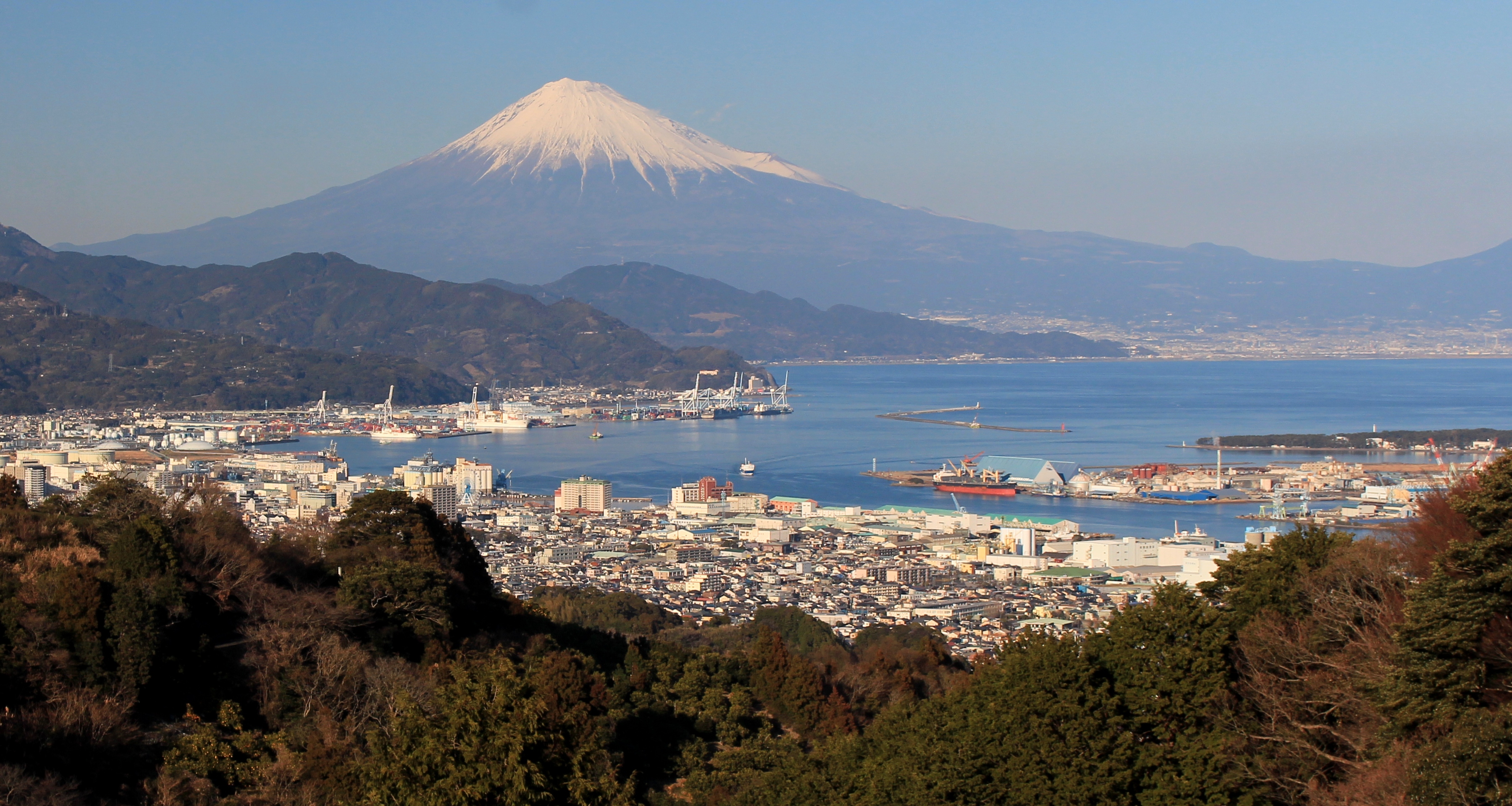 ✦ 76
✦ 76 ✦ 76
✦ 76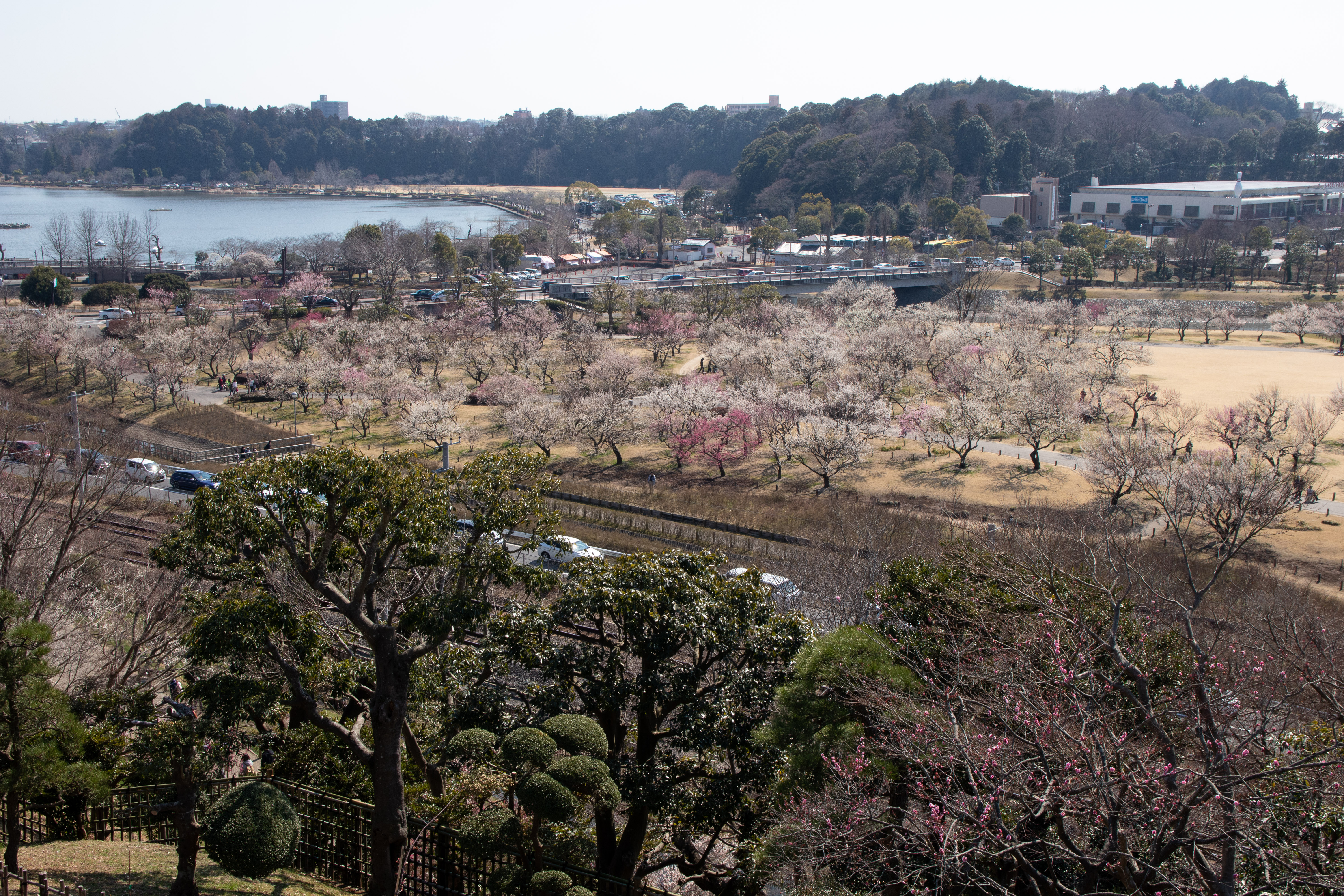 ✦ 78
✦ 78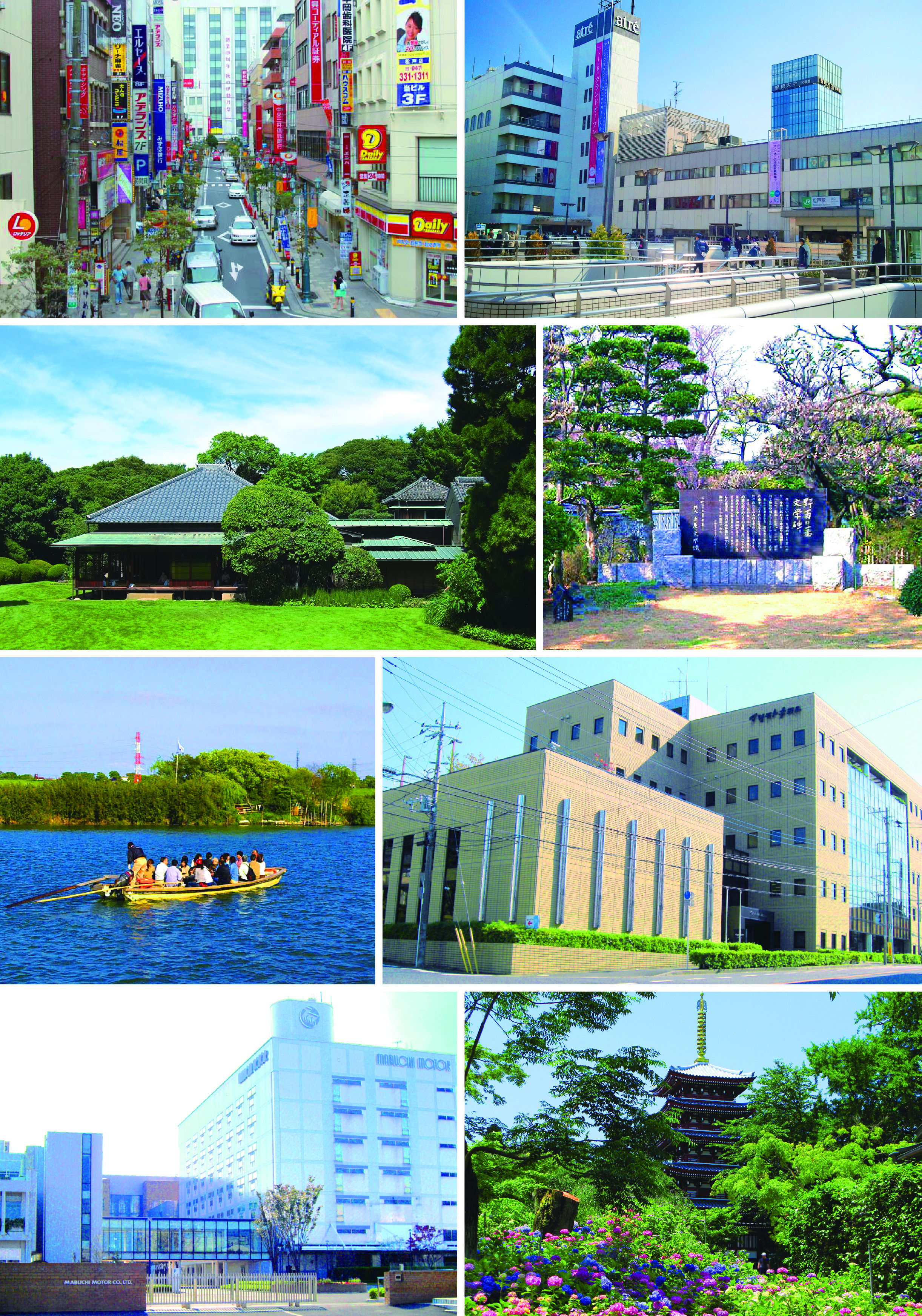 ✦ 76
✦ 76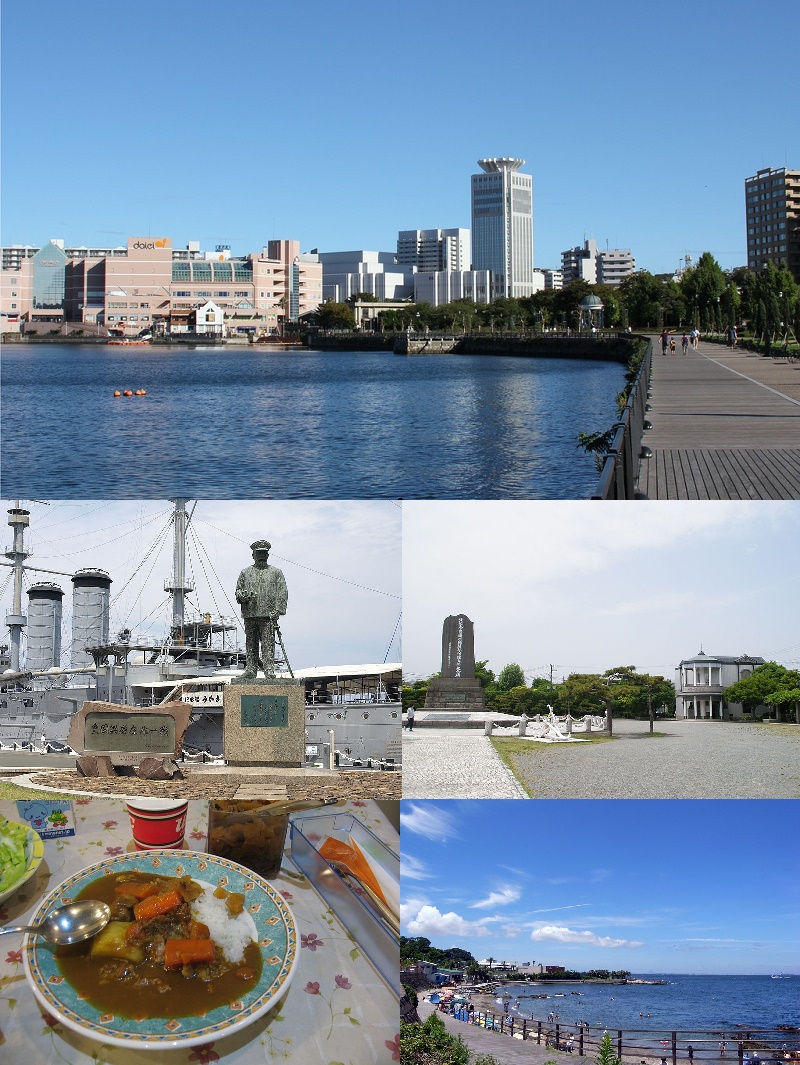 ✦ 80
✦ 80 ✦ 78
✦ 78The accommodation question nobody warns you about
There's no line item in the checklist demanding a signed lease or a landlord's letter, and that absence causes its own problem. Applicants read the document list, see no housing requirement, and assume they can sort out where they're actually going to live after they land. In theory that's true. In practice, the visa's structure makes it harder than it sounds.
You're arriving on a six-month, non-renewable stay with no path to convert it into ongoing residency from inside the country and no local bank account requirement to smooth the way. Landlords who rent to standard long-term residents want tenants with a stable status and often want proof of a local account for deposits and monthly transfers. Someone showing up with a visa that expires on a fixed date and no domestic banking history looks, from a landlord's chair, like a short-term liability. That pushes most people toward furnished short-term rentals or serviced apartments built for exactly this kind of stay, which cost more per month than a standard lease and need to be booked, or at least researched thoroughly, before departure rather than after.
If you didn't bring a Certificate of Eligibility and are instead submitting the letter outlining planned activities and length of stay, your described plans and your actual housing situation need to line up. A letter that says you intend to be based in Osaka for six months, followed by an arrival with no fixed address and a plan to "figure it out," is a gap between paper and reality that nobody at the embassy will catch in advance but that becomes a very real logistical problem the day you land with luggage and no keys.
What actually happens after you land
The unusual thing about this process is how much of the real decision-making happens before you ever board a flight. There's no interview, no medical exam, and the Certificate of Eligibility is optional rather than mandatory, which means the embassy or consulate reviewing your file abroad is making the entire call based on paper. Processing runs four to twelve weeks, and that window is where all the friction lives, not at the border.
Skipping the Certificate of Eligibility doesn't disqualify you, but it does shift the burden onto the letter describing your planned activities and the strength of everything else in the file, since the consulate now has less pre-vetted context to work from. People who route through the Certificate of Eligibility first tend to see fewer follow-up requests at the consulate stage, simply because the immigration bureau has already sanity-checked the basics before the embassy sees the file.
Once you're actually in Japan, the visa does not evolve into anything else. It permits no local work and no local income during the stay, which matters if any of your existing clients are Japan-based, since that income stream would need to be restructured or paused before you rely on it here. There's no local bank account requirement either, which keeps the setup simple but also means your financial life in Japan stays entirely foreign for the length of the stay. The gap between "visa approved" and "settled in" is smaller here than with most residency-track visas precisely because there's no residency track to settle into. What you land with is largely what you leave with, six months later.
The long-term path is a different question than the visa answers
This is the part where the paperwork and the reality diverge most sharply. The visa itself does not renew. There is no extension filed from inside Japan, no automatic conversion into a longer-stay category, and no mechanism built into this particular status for turning six months into seven. If your plan for staying longer than the initial period depends on something happening organically once you're already there, that plan doesn't have a foundation.
Anyone thinking about Japan as a longer-term base needs to treat this visa as a bounded experience and build any longer-term ambition as a completely separate application, pursued through a different visa category, planned and started well before the six months runs out or after leaving and reapplying from outside the country entirely. That's a very different posture than a renewable nomad visa where you extend the same status year over year and accumulate time toward something. Here, the six-month clock is the whole arrangement. People who come in treating it as a testing ground, a way to spend real time in Japan before deciding whether to pursue something more permanent through entirely separate channels, tend to leave satisfied. People who come in assuming this is step one of an immigration plan tend to leave confused about why nothing carried forward.
Japan versus a renewable nomad visa elsewhere
The honest comparison isn't between two sets of requirements, it's between two different kinds of commitment. A renewable digital nomad visa, the kind several European countries run, asks for similar income documentation and health insurance but gives you a status that extends year after year, often building toward permanent residency over time if you keep renewing and stay compliant. Japan's version asks for a comparable income threshold, around $80,000 annually as of 2026, and a comparable insurance minimum, but hands you a single non-renewable six-month window in exchange, with no local work permitted at all during that time.
If what you actually want is a base you can build a life around gradually, a renewable visa somewhere with a real path from temporary to permanent status is the more honest tool for the job, even if the country itself doesn't have the same pull as Japan. If what you want is a defined, high-quality six months in a place that's very difficult to get long-term footing in through ordinary channels, and you're not trying to solve residency in the same move, Japan's version does exactly what it says on the label and doesn't pretend to be more than that. The mistake is picking Japan because of the destination and only noticing the non-renewable structure once the six months are half gone and the next step turns out not to exist.
Work Permissions
Application Steps
- 1
📋 Verify nationality eligibility
1 day
- 2
📄 Gather proof of income
1-2 weeks
- 3
📄 Secure health insurance
1 week
- 4
📄 Complete application form
1-2 days
- 5
📬 Optionally apply for COE
- 6
📬 Submit at embassy/consulate
- 7
⏳ Await visa decision
- 8
🏛️ Arrive and complete entry
Same day
This visa requires proof of health insurance. Compare international plans before you apply.
Compare health insuranceWe may earn a commission at no cost to you.
Compare this visa
Curated comparisons that include this route.
Frequently Asked Questions
Click any question to expand the answer.
Ready to Apply?
Work with trusted visa specialists who handle the paperwork so you can focus on your move.
Get help with this visa →* We may earn a commission if you apply through our link
At a Glance
Last verified: October 9, 2026