Processing Time
4-12 wks
Difficulty
Difficult
Duration
12 months
Overview
The Japan Specified Skilled Worker visa is not a remote work permit. It exists for people who will take a job in one of Japan’s designated industries: agriculture, construction, food service, manufacturing, and a handful of others. If you’re a US-based freelancer or remote employee pulling in $5,000 to $10,000 a month, the arithmetic of this visa asks you to set that income aside. The roles it covers pay local wages, and the visa ties you to a specific employer. Changing jobs means reapplying. For someone accustomed to the autonomy of freelancing, that constraint can feel like a cage. But for those who want to build a life in Japan and are willing to work within its systems, the SSW visa is a legitimate entry point. The upside is a renewable status that can, over time, lead to longer-term residency. The trade-off is immediate: you swap location independence for a structured job in a country that values stability and compliance above flexibility.
For retirees with passive income, this visa offers no path if pension income is your primary source; the system does not recognize it. You would need to qualify through a job offer and skill test, which is a different proposition entirely. The SSW visa rewards people who are ready to work in a specific sector, learn the language, and stay employed. It penalizes anyone hoping to coast on foreign earnings.
The application hinges on two things going right. First, you need a job offer from a Japanese employer registered with the relevant oversight organization. Without that, there is no application. Second, you must pass a skills proficiency test and a Japanese language exam, or have completed the Technical Intern Training Program. The consulate does not interview you, but the paperwork gets scrutinized for gaps in the employer’s registration or inconsistencies in your qualifications. Applications that treat this like a formality get returned. The ones that move forward are those where the employer’s documentation and the applicant’s test results align without friction. As of 2026, processing takes four to twelve weeks, and the initial permit runs for twelve months, renewable. That short first term means you will be proving your eligibility again soon, so the quality of your initial submission matters more than it does for visas that grant longer stays upfront.
Eligibility Requirements
Duration
12 months
Requirements Checklist
Tax Information
Japan's Worldwide Net and the Five-Year Window
Japan taxes its residents on worldwide income, full stop. Once you cross into resident status, salary from a Japanese employer, freelance revenue billed to clients anywhere, dividends sitting in a US brokerage account, capital gains on that same portfolio, and rental income from a house you still own back home all land on the same return. National rates start at 5% on the first JPY 1,950,000 (about USD 13,000) and climb to 45% above JPY 40,000,000 (about USD 267,000), and a local inhabitant tax adds roughly another 10% on top of most brackets. Layer in the 2.1% reconstruction surtax, which runs through 2037, and the marginal rate on ordinary income at the top end reaches 55.945% as of 2026, a number that changes how you think about US credits almost immediately.
Investment income runs on a separate track. Listed securities, both dividends and capital gains, get taxed at a flat 20.315% if you elect separate self-assessment, though you can instead fold dividends into ordinary progressive income if that works out cheaper at lower income levels. Gains on unlisted shares and real property follow progressive or holding-period rules instead, real estate held five years or less gets hit at 39.63%, longer holds drop to 20.315%, and unlisted share gains can run all the way up to that same 55.945% ceiling.
Japan does draw one real line for newcomers, and it matters more than almost anything else on this page. Non-permanent resident status limits Japanese tax to Japan-source income plus whatever foreign-source income you actually remit into the country, foreign income you leave abroad and never bring in stays outside Japan's reach entirely. It applies automatically, no application required, to anyone who hasn't held a domicile or residence in Japan for more than five of the preceding ten years, and it lasts for up to five aggregate years within that ten-year window. It covers employment, business, and investment income. It does not cover pension income, which Japan taxes at progressive rates regardless of where the money sits. Reform proposals may take effect in April 2027, tightening the remittance-basis treatment, so anyone counting on this status for foreign dividends or unremitted gains should plan the remittance timing now, not in year four.
Where the IRS Still Reaches You
Citizenship, not address, decides whether you file with the IRS, and moving to Japan on a Specified Skilled Worker visa changes nothing about that obligation. The Foreign Earned Income Exclusion lets you exclude up to USD 132,900 of earned income for the 2026 tax year, salary and freelance revenue qualify, but the exclusion stops there. Dividends, capital gains, rental income, and pension distributions all stay outside FEIE's reach and land on your 1040 at ordinary US rates unless something else offsets them.
That something else is usually the Foreign Tax Credit, and it does more work in Japan than in most countries people move to. Japan's combined marginal rate of 55.945% for 2026 runs well past anything the US charges on comparable income, which means Japanese tax paid often exceeds the US liability on the same dollars, generating excess credits that carry forward. A fair number of Americans in Japan skip FEIE entirely and file straight FTC once self-employment income or brokerage gains enter the picture, since FEIE's interaction with those categories gets messy fast. A tax treaty between Japan and the US does prevent double taxation on paper, and it drops withholding on portfolio dividends paid to US residents down to 10% (5% for qualifying corporate shareholders), but the savings clause keeps the US taxing its own citizens regardless of what the treaty says elsewhere. The treaty repositions specific income categories rather than getting you out of filing.
Then there's the account reporting. Most Specified Skilled Worker roles pay salary into a Japanese bank account by necessity, and once that account, plus any brokerage, iDeCo, or NISA holdings, crosses USD 10,000 in combined value at any point in the year, FinCEN Form 114 becomes mandatory. Miss it and the non-willful penalty runs at a statutory USD 10,000 per violation, adjusted for 2026 to roughly USD 16,700, and that figure moves again every year. Form 8938 kicks in separately once combined foreign assets top USD 200,000 single or USD 400,000 married filing jointly at year end while you're living abroad.
The first-year decisions that actually cost money are predictable. Confirming non-permanent resident eligibility and mapping out remittance timing before any April 2027 reform may take effect is one. Choosing between the bona fide residence test and the 330-day physical presence test for FEIE purposes, when either could technically work, is another, and the wrong choice can cost you a full exclusion year. Roth IRA distributions get no special treatment under Japanese law, Japan doesn't recognize the account as tax-exempt, and traditional 401(k) or IRA distributions get taxed as pension income locally with only partial treaty relief, which surprises almost everyone who assumed the treaty covered it. A first-year advisory engagement here typically runs USD 1,500 to 3,000, and for a Specified Skilled Worker balancing an NISA account, a US brokerage, and a five-year residency clock, that's the year it earns its fee.
Living in Japan
COL Index vs NYC
45.6
Monthly Cost (excl. rent)
$830
1BR Rent (City Center)
$532
Safety Index
77.1
Healthcare Index
80.0
Quality of Life Index
185.2
Time Zone
UTC+09:00
Capital
Tokyo
Population
125.8M
Official Languages
Japanese
Avg Internet Speed
399 Mbps
Public Transit Quality
Excellent
With a budget covering rent and living costs, you'd need roughly $1,362/mo for a comfortable single-person lifestyle in Japan.See how far your money goes →
🏙️ Best Cities in Japan for Expats
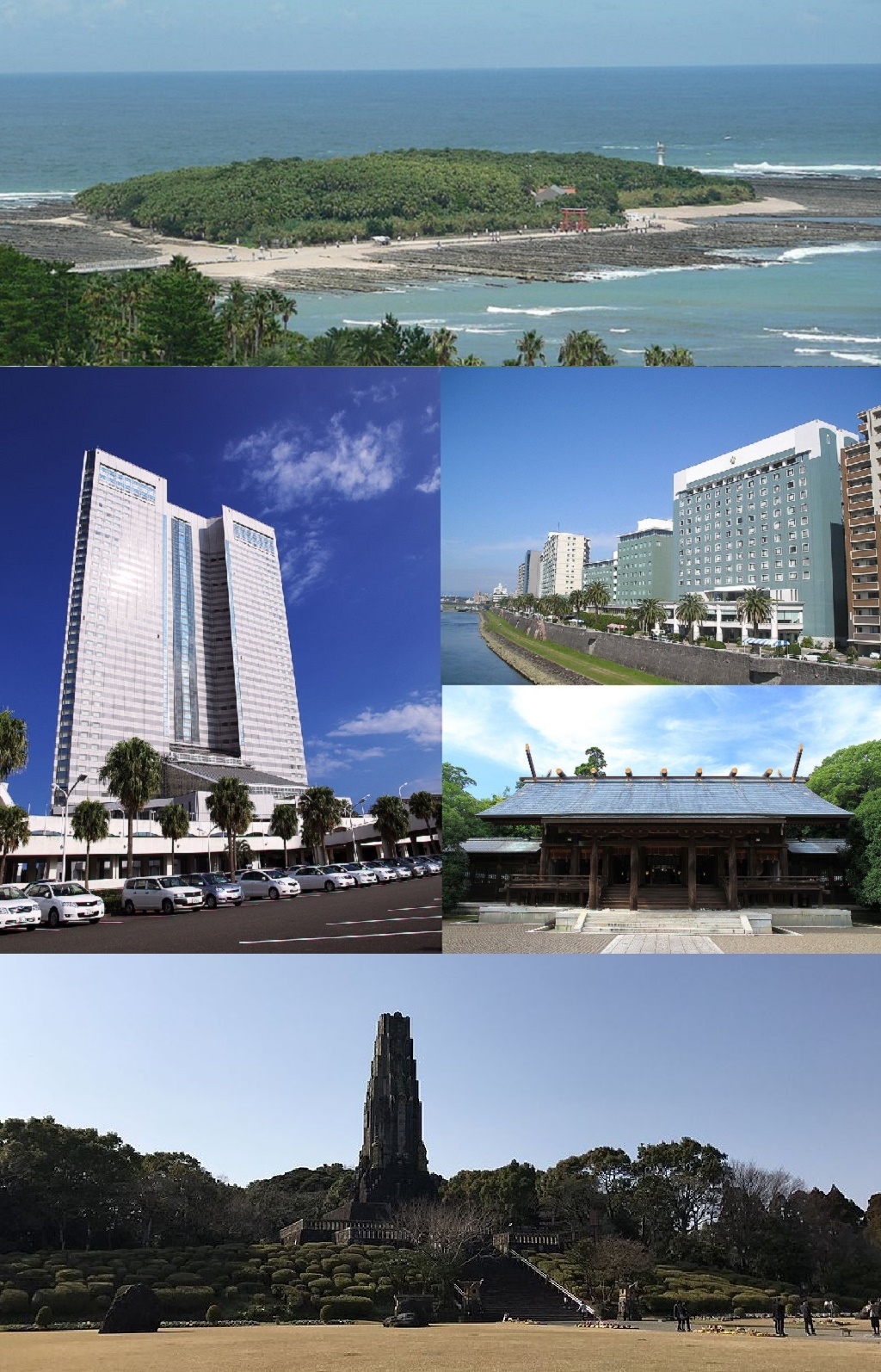 ✦ 89
✦ 89 ✦ 81
✦ 81 ✦ 81
✦ 81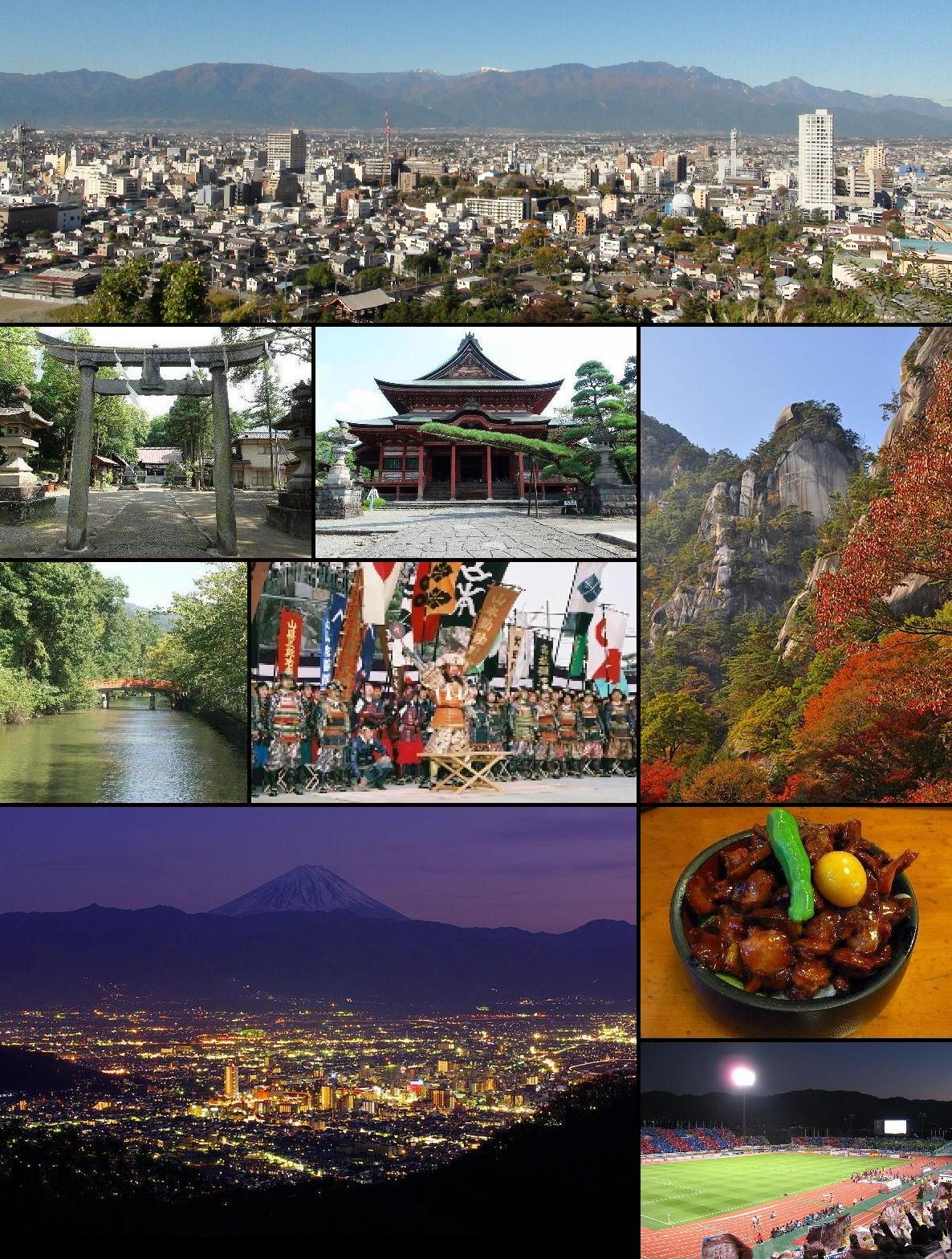 ✦ 91
✦ 91 ✦ 81
✦ 81 ✦ 88
✦ 88The job offer that immigration actually accepts
Many applicants assume any Japanese company can sponsor them. In practice, the employer must be registered with the organization that oversees the specific industry. For agriculture, it might be a body like the Japan Agricultural Cooperatives; for construction, the relevant industry association. A generic employment contract from an unregistered company will not pass. The consulate checks the employer’s status in the relevant registry. If the employer’s registration has lapsed or the job description does not match the designated field, the application stalls. Get the employer’s registration certificate and confirm the industry code before you submit.
The contract needs to reflect a full-time position with compensation that immigration considers sufficient to support yourself. Lowball offers get flagged. The documentation must be in Japanese, and translation errors cause delays that can push you past your intended start date. The job offer is the foundation, and without it, you cannot even begin the process. Some applicants try to line up a job after arriving, but the visa requires the offer upfront. The employer’s willingness to handle the paperwork and their familiarity with the system often determines whether the application moves smoothly or gets stuck in requests for more evidence.
The address problem most applicants do not see coming
When you apply for the visa, you need to provide an address in Japan where you will reside. Many applicants list the employer’s office or a temporary hotel. Immigration expects a residential address. If you have not secured housing, the application can be rejected or delayed. The better approach is to have the employer arrange housing and provide a lease or a letter confirming your accommodation. If you are arranging it yourself, you will need a rental contract or a letter from the landlord.
After landing, you must register your address at the municipal office promptly. If the address on your visa application does not match the one you register, you will have to explain the discrepancy. People who list a placeholder address and then move immediately create unnecessary paperwork. The visa is approved based on the information you provide, and changes after entry can trigger a review. Getting the housing sorted before you submit avoids a cascade of corrections that can eat into the short initial permit period. Employers who handle accommodation for their foreign workers often have a smoother process, but not all do. Confirm who is responsible for the lease before you commit.
After the visa, before the real permit
Landing in Japan with a visa sticker in your passport is not the same as holding a residence card. At the airport, you will receive a landing permission that allows you to enter and start the registration process. You then need to register your address at the local city hall and apply for a residence card within the required timeframe. The card is the document that proves your legal status, and you will need it to open a bank account, sign a phone contract, and enroll in health insurance. Health insurance is mandatory, and you will sign up through your employer or the national health system.
The initial permit is valid for twelve months, so you will be doing this renewal dance soon. The gap between landing and holding the card can feel uncertain, but as long as you complete registration on time, you are fine. The real risk is delaying registration because you are busy settling in; missing the deadline can invalidate your status. Some arrivals underestimate how long it takes to get the card issued, and they find themselves unable to prove their right to work for a week or two. Plan to handle registration immediately after arrival, not after you have unpacked.
The long-term path is a ladder, not an escalator
The SSW visa is renewable, but it does not automatically lead to permanent residency. To get PR, you typically need to switch to a different visa category that allows for longer stays and eventually PR eligibility. The transition requires higher skill levels, more experience, and a demonstrated ability to support yourself without public assistance. The timeline is measured in years, not months, and it depends on your industry and your employer’s willingness to sponsor the upgrade. Many SSW holders remain on yearly renewals for a long time because the leap to the next tier requires passing a more difficult skills exam and proving a clean record of tax and social insurance payments.
If your goal is citizenship, the path is similarly long and requires renouncing your original nationality. The SSW visa is a starting point, not a shortcut. Treat it as a multi-year commitment to working in Japan, not a quick residency hack. The system rewards consistency: uninterrupted employment, on-time tax payments, and a clear upgrade path. Gaps in your work history or a change to an unregistered employer can reset your progress. The short initial permit period means you will be proving your eligibility repeatedly, so any misstep gets noticed.
SSW versus the remote work life you are leaving
If you are currently earning a US salary from your laptop, the SSW visa asks you to walk away from that. The designated industries pay local wages that, while livable in Japan, will not match what you are making now. The visa also restricts you to one employer; you cannot freelance on the side or switch jobs without a new application. For someone with a degree and professional experience, Japan offers other work visas for professionals with job offers in office-based fields. Those visas allow more mobility and might suit a remote worker who can secure a relevant position. But they still require a job offer.
The real alternative for remote workers is to look at countries that have digital nomad visas and allow you to keep your foreign income. Japan does not currently offer a remote work visa. So the SSW visa is a choice to immerse yourself in Japanese working culture and build a life there from the ground up. It is not a way to relocate while maintaining your current career. Make that decision before you invest time in the skills exam.
Work Permissions
Application Steps
- 1
Research
Verify all requirements for this visa type and country
- 2
Gather documents
Obtain all required documents (passport, financial statements, health insurance, etc.)
- 3
Complete application
Fill out the official application form
- 4
Submit application
Submit all documents to the appropriate consulate or online portal
- 5
Pay fees
Complete payment of application and visa fees
- 6
Attend interview
If required, attend any scheduled interviews
- 7
Wait for decision
Processing times vary from weeks to months
- 8
Travel and activate
Once approved, travel to the country and complete any activation requirements
Frequently Asked Questions
Click any question to expand the answer.
Ready to Apply?
Work with trusted visa specialists who handle the paperwork so you can focus on your move.
Get help with this visa →* We may earn a commission if you apply through our link
At a Glance
Last verified: October 9, 2026