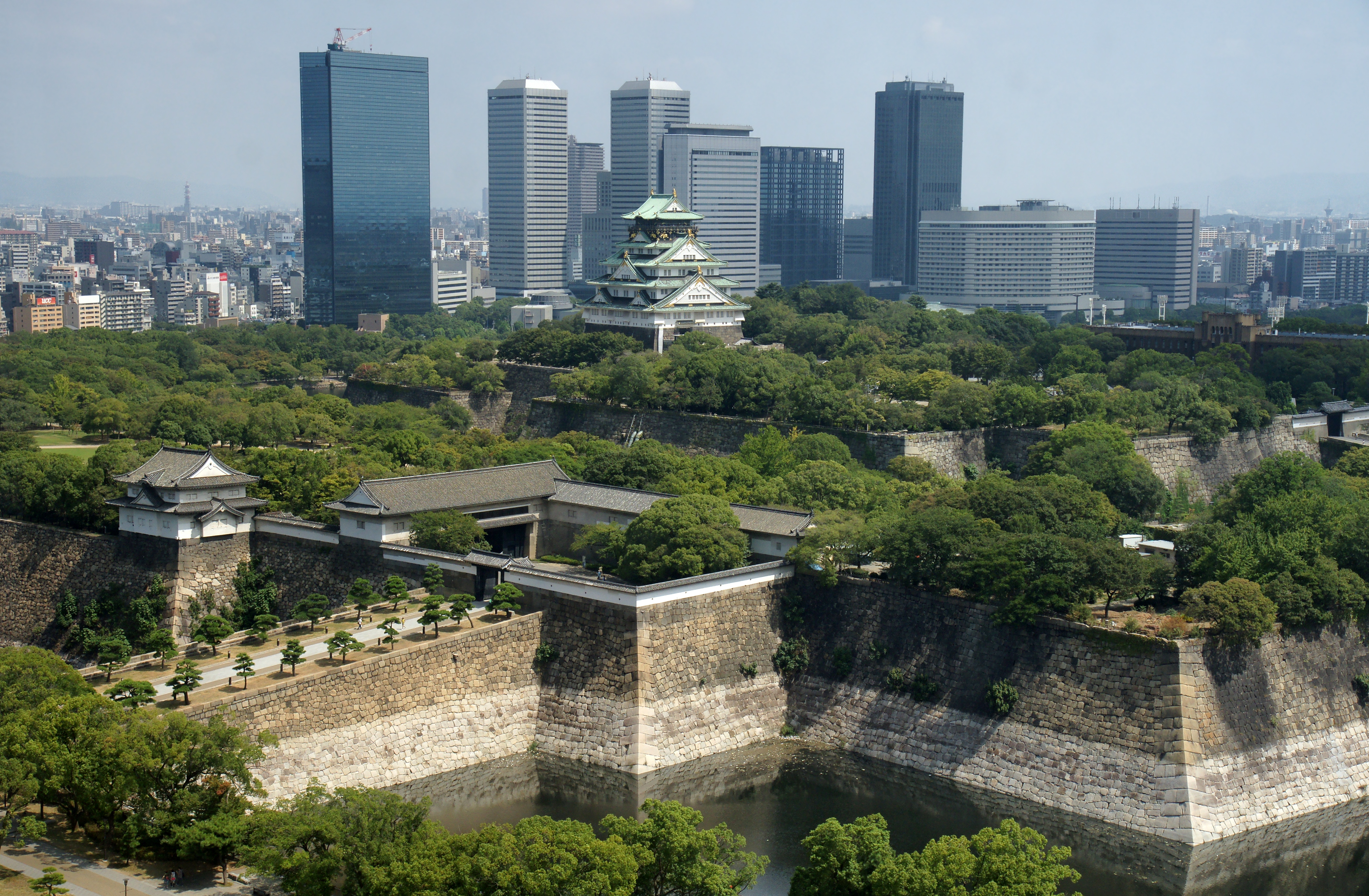
Japan's second economic engine after Tokyo, this city runs on electronics manufacturing, finance, and trade. Panasonic and Sharp both call it home, and the Osaka Exchange handles derivatives trading that moves serious money. For expats, the realistic job paths are English teaching (¥250,000–¥300,000/month at established schools), corporate roles at multinationals requiring Japanese fluency, or remote work brought from abroad. Osaka University feeds a genuine R&D sector, but breaking into it without Japanese is genuinely hard. The economy is robust — unemployment stays low — but it doesn't hand foreigners easy entry points.
A one-bedroom in the city center runs around $1,100/month — cheaper than Tokyo by roughly 20–30%, but not cheap by global standards. The metro system is excellent and a monthly pass costs around ¥9,000; you rarely need a car. Public healthcare is accessible once you're enrolled in National Health Insurance, which is mandatory and income-scaled — budget ¥15,000–¥25,000/month. The language barrier is the real friction: outside tourist zones, English signage drops off fast, and bureaucratic processes — residency registration, bank accounts, phone contracts — require Japanese or a patient bilingual helper. Expect paperwork to take longer than it should.
Summers are genuinely brutal — July and August hit 35°C with humidity that makes it feel worse — but spring and autumn are exceptional. The food culture here is arguably Japan's best: takoyaki, kushikatsu, ramen, and izakayas on every block at prices that undercut Tokyo. The expat community exists but isn't enormous — concentrated around Namba, Shinsaibashi, and Umeda — so you'll integrate into Japanese social life or stay somewhat isolated. Weekends mean day trips to Kyoto (15 minutes by Shinkansen), hiking in Minoh, or eating your way through Dotonbori. This city suits remote workers or corporate transferees who want serious urban infrastructure, great food, and lower costs than Tokyo — provided they're willing to invest in learning Japanese.
Estimate the cost of moving to Osaka, Japan
Get a free moving cost estimate for moving to Osaka, Japan. Takes 10 seconds.
How much are you shipping?
When are you moving?
Powered by Sirelo. Free quotes from international movers.
🏚️ Cost of Living
💰 Budgets and Costs
$942/mo, one person, rent included
Selected: budget lifestyle
Osaka on a budget budget comes to about $942 a month for one adult, with $508 of that going to rent. Beyond rent the estimate covers $148 on groceries, $25.00 on dining out, $35.00 on entertainment and lifestyle, $194 on utilities and connectivity and $32.00 on transport.
Rent
$508/mo
1BR outside the centre
Groceries
$148/mo
75% of mid-range grocery spend
Dining out
$25.00/mo
4 inexpensive meals
Entertainment & lifestyle
$35.00/mo
1 cinema trip, 8 cappuccinos
Utilities & connectivity
$194/mo
utilities, mobile, internet
Transport
$32.00/mo
Monthly pass
Budgets (excl. rent)
Single person$434/mo
Excludes rent. The total above is all-in, rent included.
$1,103/mo, one person, rent included
Selected: mid-range lifestyle
Osaka on a mid-range budget comes to about $1,103 a month for one adult, with $508 of that going to rent. Beyond rent the estimate covers $197 on groceries, $63.00 on dining out, $109 on entertainment and lifestyle, $194 on utilities and connectivity and $32.00 on transport.
Rent
$508/mo
1BR outside the centre
Groceries
$197/mo
Staples basket scaled to a full month
Dining out
$63.00/mo
10 inexpensive meals
Entertainment & lifestyle
$109/mo
gym, 2 cinema trips, 12 cappuccinos
Utilities & connectivity
$194/mo
utilities, mobile, internet
Transport
$32.00/mo
Monthly pass
Budgets (excl. rent)
Single person$595/mo
Excludes rent. The total above is all-in, rent included.
$1,492/mo, one person, rent included
Selected: comfortable lifestyle
Osaka on a comfortable budget comes to about $1,492 a month for one adult, with $700 of that going to rent. Beyond rent the estimate covers $276 on groceries, $133 on dining out, $157 on entertainment and lifestyle, $194 on utilities and connectivity and $32.00 on transport.
Rent
$700/mo
1BR in the centre
Groceries
$276/mo
140% of mid-range grocery spend
Dining out
$133/mo
6 inexpensive meals + 6 mid-range meals
Entertainment & lifestyle
$157/mo
gym, 4 cinema trips, 20 cappuccinos
Utilities & connectivity
$194/mo
utilities, mobile, internet
Transport
$32.00/mo
Monthly pass
Budgets (excl. rent)
Single person$792/mo
Excludes rent. The total above is all-in, rent included.
Estimates for one adult, built from this city's average prices and the usage shown for each tier. Your spending will differ with how often you eat out and where you live.
A 1BR in the center runs about $700.14/mo. If your income is in another currency, bank FX fees add up. A multi-currency account can cut that cost.
Osaka is genuinely safe for expats, with low violent crime and strong police presence. Petty theft and pickpocketing occur in crowded areas like Dotonbori and train stations—standard urban precautions apply. Scams targeting foreigners are rare but include overly friendly locals steering you to inflated-price establishments. Avoid isolated areas late at night, though this is more about common sense than genuine danger. For a 30-65 American, Osaka presents minimal safety concerns and ranks among Japan's safest major cities.
Located in the Namba SkyO building, this WeWork offers stunning city views and is close to Namba station, a major transportation hub. It's a modern, well-equipped space with a vibrant community, making it ideal for expats seeking networking opportunities.
A stylish coworking space in the Minami-Senba area, known for its fashion boutiques and cafes. Garage Minami-Senba offers a relaxed atmosphere, private booths, and event spaces, making it a good choice for those seeking a creative and collaborative environment.
Located in Hommachi, The Garden Osaka offers a calm and green environment, a welcome respite from the city bustle. It features a variety of workspace options, from open desks to private offices, and is well-suited for focused work.
Located in Grand Front Osaka, near Osaka Station, Impact Hub Osaka is part of a global network focused on social impact. It's a great place for digital nomads interested in connecting with like-minded individuals and participating in community events.
See how Osaka's digital nomad life compares with Tokyo
🧳 Expat Life
English Proficiency
Common in Tourist Areas
Expat Community
Small
Top Neighborhoods
Umeda, Namba, Horie
Banks Nearby
394
ATMs Nearby
199
Expat Life Notes
Osaka is outgoing and foodie-focused; it is generally more affordable and friendly than Tokyo.
Pros
✓ Exceptional food culture
✓ Friendly local population
✓ Strategic hub for Kyoto/Nara
Cons
✗ Grittier than other Japanese cities
✗ Crowded transit
✗ Hot humid summers
🏘️ Neighborhoods in Osaka
Areas of Osaka that expats often consider.
Conditions can change from one block to the next, and these descriptions are general guides, not safety assessments. Before choosing where to stay or live, check current travel advisories, talk to people who live there, and visit in person if you can.
Namba
Vibrant entertainment and shopping
Namba is Osaka's bustling entertainment district, known for its bright lights, street food, and theaters. It's popular with tourists and younger expats due to its lively atmosphere and convenient access to transportation. However, it can be noisy and crowded, and prices tend to be higher.
Umeda
Modern, convenient, upscale shopping
Umeda is Osaka's northern hub, featuring major department stores, office buildings, and the Osaka Station. It's a very convenient area with excellent transportation links, making it attractive to professionals and those who value accessibility. Rent is relatively high, and it can feel less residential than other areas.
Shin-Osaka
Transit hub, business-oriented, convenient
Shin-Osaka is primarily known for the Shinkansen (bullet train) station, making it ideal for frequent travelers. The area is business-oriented, with many hotels and office buildings. While convenient, it lacks the charm and character of other neighborhoods, and can feel sterile.
Tennoji
Historic temples, modern amenities
Tennoji offers a mix of historical sites, like Shitennoji Temple, and modern amenities, including the Abeno Harukas skyscraper. It's a more affordable option than Umeda or Namba, while still offering good transportation and shopping. The area is generally safe and walkable, making it suitable for families and retirees.
Nakazakicho
Retro cafes, artsy, bohemian
Nakazakicho is a charming neighborhood known for its preserved traditional houses, retro cafes, and independent shops. It has a bohemian vibe and is popular with artists and students. While less overtly expat-focused, it's a great option for those seeking a unique and authentic Osaka experience, though English may be less prevalent.
Yodoyabashi
Business district, riverside walks
Yodoyabashi is a central business district with beautiful riverside walks along the Dojima River. It's a more upscale area with many corporate offices and high-end restaurants. While not specifically geared towards expats, its central location and pleasant environment make it appealing to professionals, but expect higher costs.
Tsuruhashi
Korea Town, authentic, affordable
Tsuruhashi is Osaka's Korea Town, known for its delicious Korean food, bustling markets, and affordable prices. It offers a unique cultural experience and is a great option for budget-conscious expats. However, English is not widely spoken, and the area can be quite crowded and chaotic.
Page 1 of 2
Could living/working in Osaka cut years off your work life?
With a 1-bedroom in the center at $700/mo, your FIRE number here might be much lower than you think.
Osaka has a population of approximately 2,665,314 people.
A single person can expect to spend around $1,750 per month in Osaka, including rent. A 1-bedroom apartment in the city center costs approximately $700/month.
The nearest airport to Osaka is KIX, approximately 13.9km away.
Osaka is considered relatively safe, with a safety index of 78.0. As with any city abroad, expats should research specific neighborhoods before committing to a location.
Osaka has an average internet speed of 120 Mbps. It is considered a well-established digital nomad destination.
In tourist areas and some corporate environments, yes. But daily life — opening a bank account, dealing with city hall, signing a lease — will be genuinely difficult without Japanese or a bilingual helper. Apps like Google Translate help, but they won't get you through bureaucratic processes smoothly. Learning at least basic Japanese is strongly recommended before moving.
Somewhat, but not dramatically. City-center one-bedrooms average around $1,100/month versus Tokyo's $1,400–$1,600. Dining and transport are comparable. The savings are real but won't transform your budget — figure on 15–25% lower overall cost of living depending on your lifestyle.
Japan's visa options are limited compared to Southeast Asian countries. Common routes include the Highly Skilled Professional visa, a work visa sponsored by a Japanese employer, the Business Manager visa for entrepreneurs, or the Student visa. Japan does not have a digital nomad visa as of 2025, and tourist visa extensions are not a legal long-term strategy. Planning ahead is essential.
Osaka has four distinct seasons. Summers (June-August) are hot and humid, while winters (December-February) are relatively mild but can be chilly. Spring (March-May) and autumn (September-November) offer the most pleasant weather, making them ideal times to visit or settle in.
Osaka is generally considered a very safe city with low crime rates, especially violent crime. However, like any major city, petty theft can occur, particularly in crowded tourist areas like Namba and Umeda. Overall, you can feel comfortable walking around most neighborhoods at night.
Umeda is a convenient, central option with modern apartments, but expect higher rents (¥150,000+ per month). For a more local feel and lower costs (¥80,000-¥120,000), consider areas like Tennoji or Nakazakicho. Shin-Osaka is great for easy access to bullet trains.
Osaka boasts excellent internet infrastructure with widespread fiber optic connections. You can expect speeds of 100-300 Mbps easily in most apartments and coworking spaces. Mobile data is also reliable and affordable.
Yes, Osaka has a growing number of coworking spaces catering to freelancers and remote workers. Options like The DECK, Garage Osaka, and Knowledge Capital offer various membership plans and amenities.
Japan has a universal healthcare system, and Osaka offers high-quality medical care. While not all doctors speak fluent English, larger hospitals and clinics often have English-speaking staff or translation services. The Osaka International Clinic is a good starting point.
Opening a bank account can be challenging without a long-term visa and residence card. Shinsei Bank and Japan Post Bank are often recommended as being more foreigner-friendly. Be prepared to provide identification and proof of address.
As a US citizen, you're still required to file US taxes even when living abroad. The Foreign Earned Income Exclusion (FEIE) can help you exclude a certain amount of your income from US taxes. Also, be aware of FBAR and FATCA reporting requirements.
Osaka has an excellent and efficient public transportation system, including subways, trains, and buses. The subway is the most convenient way to get around the city center. Consider purchasing an ICOCA or Suica card for easy payment.
Osaka is known as the 'nation's kitchen' and boasts a diverse and delicious food scene. You can find everything from street food like takoyaki and okonomiyaki to high-end restaurants. Expect to pay ¥800-¥1500 for a casual meal and ¥3000+ for a more upscale dining experience.
Osaka has a sizable expat community, though smaller than Tokyo's. You can connect with other expats through online forums like GaijinPot and InterNations, as well as through local meetups and events organized by expat groups.
Yes, Osaka is viable for early retirement on $2500 USD per month, especially if you are frugal and prioritize affordable housing outside the city center. This budget allows for a comfortable lifestyle, covering essential expenses and some leisure activities, while still leaving room for savings or investments.
Be mindful of Japanese customs such as removing shoes indoors, bowing as a greeting, and avoiding loud conversations in public spaces. Punctuality is highly valued, and tipping is not customary. Learning basic Japanese phrases will greatly enhance your experience.
Cost-of-living and visa updates for Osaka and the rest of Japan. Free with RA Postcards.
By submitting your email address, you will receive a free subscription to RA Postcards and special offers from Rewire Abroad and our affiliates. You can unsubscribe at any time, and we encourage you to read more about our Privacy Policy.