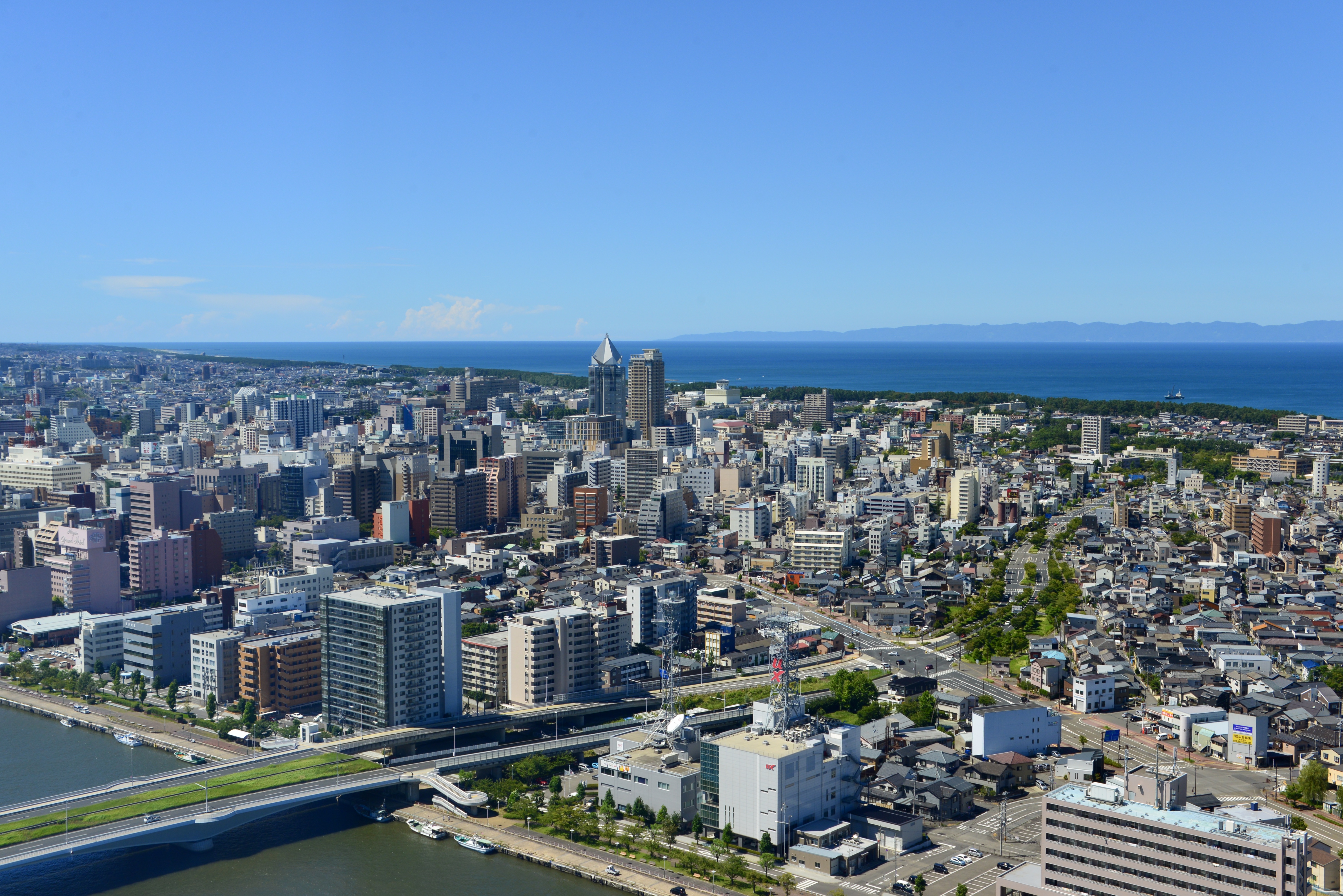
Rice and sake built this prefecture's identity, and they still matter — Niigata produces some of Japan's most prized koshihikari rice and houses dozens of sake breweries that export nationally and internationally. Beyond agriculture, chemical manufacturing and precision machinery (concentrated in Sanjō and Nagaoka) employ a significant chunk of the workforce, and Niigata Port keeps trade moving with Russia, Korea, and China. Remote workers and digital nomads can function here, but local job opportunities for non-Japanese speakers are genuinely limited — expect manufacturing, English teaching, or bring your own income.
A one-bedroom in the city center runs around $600/month, which is roughly half what you'd pay in Tokyo. Food costs are low, especially if you eat local — rice, seafood, and produce are cheap and excellent. The Jōetsu Shinkansen puts Tokyo 1.5 hours away, which matters when you need a visa run or a consulate visit. Healthcare is solid and affordable under Japan's national insurance system. The real friction: Japanese language ability is not optional here. English signage is sparse, bureaucracy runs entirely in Japanese, and the expat community is small enough that you won't find much hand-holding.
Winters are genuinely brutal — heavy Sea of Japan snowfall from December through March means shoveling, disrupted transport, and grey skies for months. That said, ski resorts like Naeba (home to Fuji Rock Festival) are world-class and within easy reach. Summers are hot, humid, and green, with excellent hiking and onsen culture year-round. The expat community is small — think dozens, not thousands — so social life integrates into Japanese circles or doesn't happen much. This city suits self-sufficient remote workers or retirees who want low costs, genuine Japanese culture, and don't mind earning their comfort.
Estimate the cost of moving to Niigata, Japan
Get a free moving cost estimate for moving to Niigata, Japan. Takes 10 seconds.
How much are you shipping?
When are you moving?
Powered by Sirelo. Free quotes from international movers.
🏚️ Cost of Living
A 1BR in the center runs about $348.48/mo. If your income is in another currency, bank FX fees add up. A multi-currency account can cut that cost.
Niigata is genuinely safe for expats, with low violent crime and petty theft rates typical of Japan's regional cities. The main concerns are minor: occasional package theft, bicycle theft, and the standard scams targeting foreigners (overly friendly strangers, inflated bar tabs). Avoid isolated areas late at night, though serious crime is rare. The city's aging population and strong community policing create a secure environment. For Americans accustomed to major U.S. cities, Niigata will feel remarkably peaceful—this is a legitimate advantage for remote workers and retirees seeking stability.
🏥 Healthcare
Excellent
Public Hospitals
Yes
Private Clinics
Yes
English-Speaking Doctors
Limited
See how Niigata's healthcare compares with Kashiwa
🌤️ Climate
Climate Zones
Subtropical
Summer Temp
29°C
Winter Temp
0°C
Humidity
75%
Air Quality Index
35
Annual Rainfall
1957 mm
Best Months
MayJunOct
Climate Notes
Humid subtropical climate; known for very heavy winter snowfall.
💻 Digital Nomad
Avg Internet Speed
70 Mbps
Internet (monthly)
$25/mo
Coworking Availability
Moderate
Coworking Spaces Nearby
0
Digital Nomad Score
70/100
Community Notes
Niigata is a serene coastal city with enough facilities for work and leisure.
Located conveniently near Niigata Station, BIZcomfort offers a modern and professional environment. It's a good option for those needing easy access to transportation and a reliable workspace with standard amenities.
BasisPoint is another coworking space near Niigata Station, offering a stylish and comfortable workspace. They provide private booths, meeting rooms, and event spaces, making it suitable for both individual work and team collaborations.
Aimed at startups and entrepreneurs, this space provides a collaborative environment with networking opportunities. It's a good choice for those looking to connect with the local business community and participate in workshops and events.
See how Niigata's digital nomad life compares with Kashiwa
🧳 Expat Life
English Proficiency
Common in Tourist Areas
Expat Community
Small
Top Neighborhoods
Chuo-ku, Nishi-ku
Banks Nearby
6
ATMs Nearby
0
Expat Life Notes
A major coastal city on the Sea of Japan. Life is peaceful and seafood is legendary, but the international scene is small.
Pros
✓ Incredible seafood
✓ Clean and organized
✓ Access to world-class ski resorts nearby
Cons
✗ Heavy winter snow
✗ Limited English proficiency
✗ Smaller social circle for foreigners
🏘️ Neighborhoods in Niigata
Areas of Niigata that expats often consider.
Conditions can change from one block to the next, and these descriptions are general guides, not safety assessments. Before choosing where to stay or live, check current travel advisories, talk to people who live there, and visit in person if you can.
Bandai
Bustling commercial and entertainment
Bandai is Niigata City's main commercial hub, offering shopping, dining, and entertainment options. Many expats find it convenient due to its central location and access to amenities. However, it can be noisy and crowded, especially on weekends.
Hakusan
Residential, green, family-friendly
Hakusan is a quieter residential area known for Hakusan Park, a large green space. It's popular with families and those seeking a more relaxed atmosphere. While less expat-centric, it offers a more authentic Japanese living experience, but requires more Japanese language skills.
Furumachi
Historic, traditional, refined atmosphere
Furumachi was once the city's main commercial district and retains a traditional atmosphere with historic buildings and established businesses. It's a good option for those interested in Japanese culture and history. While some English is spoken, knowing Japanese will greatly enhance the experience.
Echigo Sekikawa
Rural, scenic, outdoor recreation
Located further from the city center, Echigo Sekikawa offers a more rural lifestyle with access to nature and outdoor activities. It's a budget-friendly option for those seeking peace and quiet. However, it requires a car and significant Japanese language ability.
Niigata Station Area
Convenient, modern, transportation hub
Living near Niigata Station provides excellent access to transportation, making it easy to explore the region. The area has modern apartments and convenient amenities. Expect higher rent prices and more noise due to the station's activity.
Shinkawa
Quiet, residential, local charm
Shinkawa is a residential area with a local feel, offering a glimpse into everyday Japanese life. It's a good option for those seeking a more authentic experience away from the tourist crowds. Japanese language proficiency is recommended for daily living.
Page 1 of 2
Could living/working in Niigata cut years off your work life?
With a 1-bedroom in the center at $348/mo, your FIRE number here might be much lower than you think.
Niigata has a population of approximately 2,192,319 people.
A single person can expect to spend around $871 per month in Niigata, including rent. A 1-bedroom apartment in the city center costs approximately $348/month.
The nearest airport to Niigata is KIJ, approximately 43.2km away.
Niigata is considered relatively safe, with a safety index of 75.0. As with any city abroad, expats should research specific neighborhoods before committing to a location.
Niigata has an average internet speed of 70 Mbps. It is considered a well-established digital nomad destination.
Realistically, no — not comfortably. Unlike Tokyo or Osaka, English signage and English-speaking staff are rare. City hall paperwork, medical appointments, and daily errands will require Japanese or a patient bilingual friend. Basic survival is possible, but expect significant friction if you arrive without at least intermediate Japanese.
Bad enough to factor seriously into your decision. The Sea of Japan coast receives some of Japan's heaviest snowfall — several meters per season in some areas. From December through March expect frequent snow, limited daylight, and cold that settles in. Roads and trains are generally maintained, but daily life slows down. If you hate winter, this is a dealbreaker.
It works if you're self-sufficient. Fiber internet is widely available, coworking spaces exist but are limited, and the cost of living is meaningfully lower than Tokyo. The Shinkansen makes Tokyo day trips feasible at around ¥13,000–¥15,000 round trip. The tradeoff is isolation — the English-speaking expat community is small, and building a social life takes real effort.
Niigata is significantly more affordable than major US cities. Expect to pay roughly half the rent, and groceries are generally cheaper, especially if you shop at local markets. Dining out can range from budget-friendly ramen shops to pricier restaurants, but overall, you'll stretch your dollar further.
While English proficiency isn't widespread, some hospitals in Niigata City, like Niigata City General Hospital, have English-speaking staff or translation services. It's always a good idea to confirm availability beforehand, and having a Japanese-speaking friend can be helpful.
Niigata is generally a very safe city with low crime rates. Petty theft is rare, and violent crime is even rarer. As with any city, it's wise to be aware of your surroundings, especially at night, but overall, you can feel secure walking around.
Japan doesn't have a specific retirement visa. Americans typically explore options like the Tourist Visa (allowing stays up to 90 days), the Long-Term Stay Visa (requiring significant savings and no work), or potentially a spousal visa if married to a Japanese citizen. Consulting with an immigration lawyer is crucial.
Niigata boasts excellent internet infrastructure, with fiber optic connections widely available. You can expect speeds of 100 Mbps or higher in most areas, making it suitable for video conferencing, streaming, and other bandwidth-intensive tasks. Mobile data is also reliable.
Yes, Niigata City has several coworking spaces, particularly around Niigata Station. Many cafes also offer free Wi-Fi, though the speed and reliability can vary. Check online reviews for the best options based on your needs.
Opening a bank account can be challenging without a long-term visa and a Japanese address. Some banks may require a Japanese speaker to assist with the application. Shinsei Bank is known to be more foreigner-friendly, but research your options carefully.
Areas slightly outside the city center, like Furumachi or areas along the Shinano River, tend to offer more affordable housing options. You can find apartments and houses at lower prices compared to areas closer to Niigata Station, while still maintaining good access to amenities.
Niigata has a smaller expat community compared to larger cities like Tokyo or Osaka. However, there are still opportunities to connect through online groups and language exchange events. The local international association can also be a good resource.
As a US citizen, you're still required to file US taxes even when living abroad. The Foreign Earned Income Exclusion (FEIE) can help you exclude a certain amount of your income from US taxes. You may also need to report foreign bank accounts (FBAR). Consult with a tax professional specializing in expat taxes.
For a comfortable retirement in Niigata, a monthly budget of $2,000-$3,000 USD should be sufficient for most individuals. This covers rent, utilities, groceries, healthcare, and some leisure activities. Your actual expenses will depend on your lifestyle and housing preferences.
Niigata has a good public transportation system, including buses and trains. The city center is also walkable and bike-friendly. Owning a car is an option, but parking can be expensive in some areas. Consider a Japan Rail Pass if you plan to travel extensively by train.
Japanese culture emphasizes politeness, respect, and indirect communication. Learning basic Japanese phrases and customs will go a long way. Be mindful of personal space, avoid loud conversations in public, and be punctual for appointments. Gift-giving is common, but learn the proper etiquette.
Several options exist for transferring money, including Wise (formerly TransferWise), Remitly, and international bank transfers. Compare fees and exchange rates to find the most cost-effective method. Wise often offers competitive rates and lower fees compared to traditional banks.
Cost-of-living and visa updates for Niigata and the rest of Japan. Free with RA Postcards.
By submitting your email address, you will receive a free subscription to RA Postcards and special offers from Rewire Abroad and our affiliates. You can unsubscribe at any time, and we encourage you to read more about our Privacy Policy.