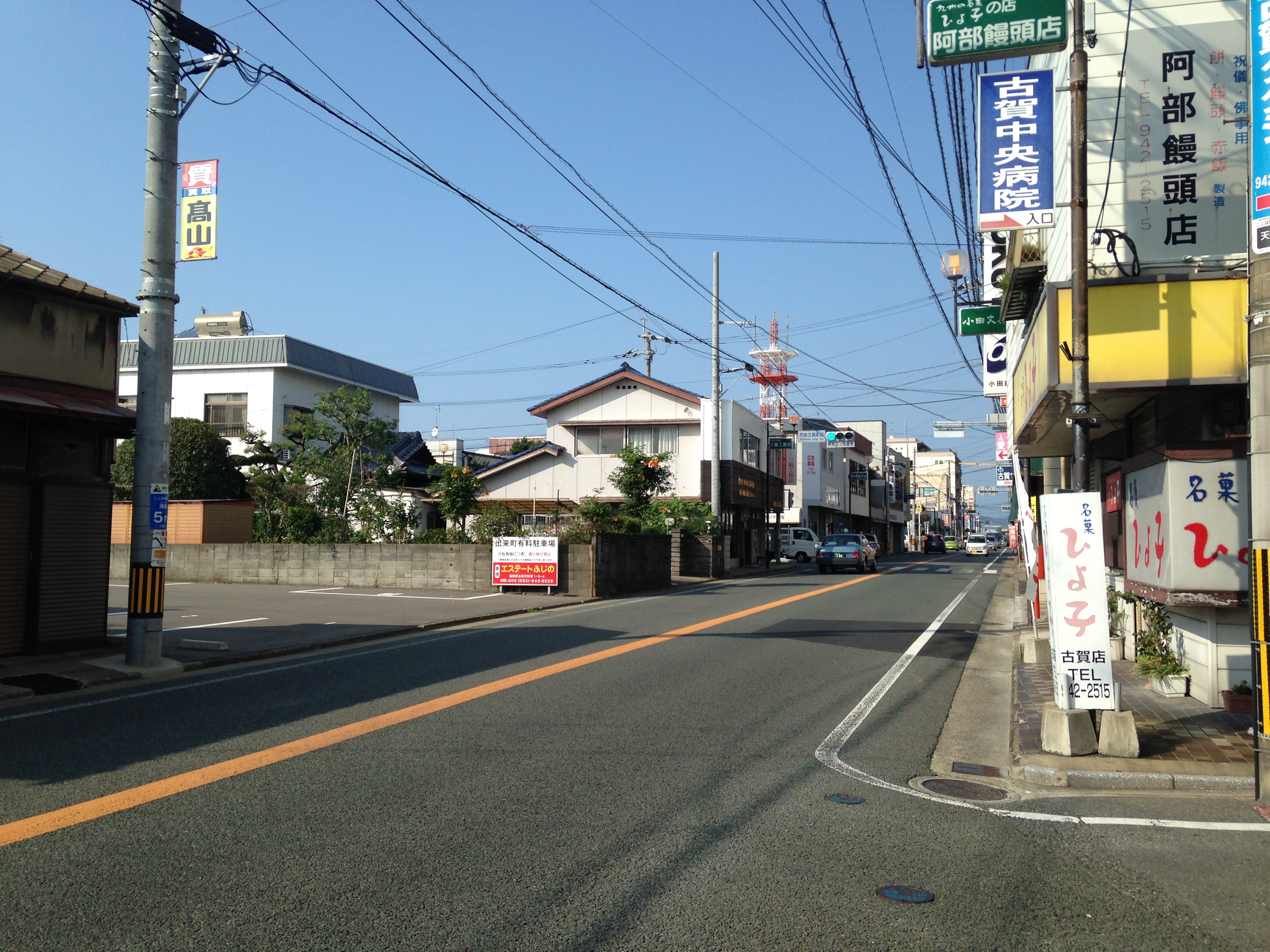
Manufacturing drives the local economy, with semiconductor plants from NEC and automotive suppliers providing steady blue-collar and engineering jobs. Food processing companies leverage Kyushu's agricultural output, while the service sector supports the 140,000 residents and steady stream of castle tourists. English-teaching positions exist but competition is fierce outside the major industrial employers. The job market favors Japanese speakers with technical skills, though some international companies offer bilingual roles at competitive salaries compared to Tokyo standards.
Rent runs ¥40,000-60,000 monthly for decent apartments, roughly half of Tokyo prices. The Shinkansen connects you to major cities in 3-4 hours, but local transport relies heavily on buses and limited rail lines. Healthcare follows Japan's excellent national system, though English-speaking doctors are scarce. City hall bureaucracy moves at typical Japanese pace—expect multiple visits for residence cards and paperwork. Daily Japanese is essential; English signage exists mainly around tourist areas near the castle.
Humid summers hit 35°C with oppressive humidity, while winters stay mild around 10°C. Local cuisine centers on horse meat (basashi) and tonkotsu ramen—polarizing but authentic. The expat community is tiny, maybe 200-300 foreigners total, mostly English teachers and factory engineers. Weekends mean hiking Mount Aso, exploring the reconstructed castle, or day trips via Shinkansen. This suits people wanting authentic Japan without Tokyo chaos, but you'll need strong Japanese skills and patience for small-city limitations.
Estimate the cost of moving to Koga, Japan
Get a free moving cost estimate for moving to Koga, Japan. Takes 10 seconds.
How much are you shipping?
When are you moving?
Powered by Sirelo. Free quotes from international movers.
🏚️ Cost of Living
A 1BR in the center runs about $550/mo. If your income is in another currency, bank FX fees add up. A multi-currency account can cut that cost.
Koga is exceptionally safe by any standard, with very low violent crime and petty theft rates typical of rural Japan. The main concerns for expats are minor: occasional bicycle theft, scams targeting elderly residents (less relevant to your demographic), and the need to follow strict local rules around trash disposal and noise. There are no dangerous neighborhoods to avoid. The biggest adjustment is Japan's bureaucratic requirements—not safety risks. This is an excellent choice for remote workers or retirees seeking a peaceful, secure environment with genuine community integration.
While technically in Kuki (neighboring city), it's easily accessible from Koga and offers a professional environment with meeting rooms and business support services. It's a good option for those needing a more formal workspace.
Located in nearby Omiya (Saitama), this Regus provides a reliable and professional coworking environment with various membership options. It's a good option for those who value consistency and access to a global network.
See how Koga's digital nomad life compares with Tokyo
🧳 Expat Life
English Proficiency
Limited
Expat Community
large
Banks Nearby
14
ATMs Nearby
1
🏘️ Neighborhoods in Koga
Areas of Koga that expats often consider.
Conditions can change from one block to the next, and these descriptions are general guides, not safety assessments. Before choosing where to stay or live, check current travel advisories, talk to people who live there, and visit in person if you can.
Koga Station Area
Convenient, bustling transportation hub
Centered around Koga Station, this area offers easy access to Tokyo and other cities. You'll find a mix of apartments, shops, and restaurants catering to commuters and locals. While convenient, it can be noisier than more residential areas, but the accessibility is a major plus for those who travel frequently.
Goryo
Quiet residential, family-friendly
Goryo is a primarily residential area with a mix of houses and apartments. It's a good option for those seeking a quieter lifestyle away from the city center. While not particularly expat-heavy, it offers a more authentic Japanese living experience, though English language support may be limited.
Sanwa
Suburban, affordable, local charm
Sanwa offers a more suburban feel with a mix of older and newer housing. It's generally more affordable than areas closer to the station. While not geared towards expats, it provides a glimpse into everyday Japanese life and could be suitable for those on a tighter budget willing to learn Japanese.
Fukuyo
Rural, peaceful, agricultural setting
Fukuyo is a more rural area of Koga, characterized by farmland and a slower pace of life. Housing options may be limited, and a car is almost essential. This area is ideal for retirees or those seeking a tranquil environment, but language skills are crucial.
Koga Central Area (City Hall)
Governmental, services, convenient living
Near the city hall, this area offers convenient access to administrative services and local amenities. It's a mix of residential and commercial properties. While not a major expat hub, the central location and availability of services make it a practical choice, and some English support may be available at the city hall.
Page 1 of 2
Could living/working in Koga cut years off your work life?
With a 1-bedroom in the center at $550/mo, your FIRE number here might be much lower than you think.
Koga has a population of approximately 140,349 people.
A single person can expect to spend around $1,375 per month in Koga, including rent. A 1-bedroom apartment in the city center costs approximately $550/month.
The nearest airport to Koga is IBR, approximately 18.1km away.
Koga is considered relatively safe, with a safety index of 78.0. As with any city abroad, expats should research specific neighborhoods before committing to a location.
Koga has an average internet speed of 70 Mbps. It is considered a well-established digital nomad destination.
Daily conversational Japanese is essential. While some international companies offer bilingual environments, city services, healthcare, and most social interactions require Japanese. English signage is limited outside tourist areas.
Manufacturing companies like NEC offer engineering roles, and English teaching positions exist but are competitive. Most opportunities require Japanese language skills. The job market favors technical backgrounds over service sector roles.
Significantly cheaper—rent is roughly half of Tokyo prices at ¥40,000-60,000 monthly. Food, transport, and utilities follow similar patterns. However, entertainment options are limited, so you might spend more on travel to larger cities.
Koga is generally considered a very safe city with low crime rates. Like anywhere, petty theft can occur, but violent crime is rare. You'll feel comfortable walking around at night.
Koga experiences four distinct seasons. Summers are hot and humid, winters are cool with occasional light snow, and spring and autumn are mild and pleasant, making them ideal times to visit or live there.
While not all doctors speak fluent English, some clinics and hospitals have English-speaking staff or translation services. The Koga Central Hospital is a good option to investigate for English support.
Areas near Koga Station are convenient for transportation and have a good selection of shops and restaurants. For a quieter environment, consider neighborhoods further from the station, but be mindful of transportation options.
Koga has reliable high-speed internet, suitable for most remote work needs. Fiber optic connections are widely available, offering speeds comparable to other developed areas in Japan.
For long-term stays, you'll likely need a visa such as a work visa (if employed by a Japanese company), a student visa, or a spouse visa. It's best to consult the Japanese embassy or consulate for the most up-to-date information and requirements.
Koga has a decent public transportation system, including trains and buses. While a car can be convenient for exploring the surrounding areas, it's possible to manage without one, especially if you live near Koga Station.
Coworking spaces are not as prevalent in Koga as in larger cities like Tokyo. However, some business centers and shared office spaces may be available. Check online directories for the latest listings.
Groceries in Koga can be slightly more expensive than in some parts of the US, especially for imported items. Eating out can range from affordable ramen shops to pricier restaurants, offering a variety of options.
The expat community in Koga is relatively small compared to major cities. However, you can connect with other expats through online forums and social media groups focused on Japan or the Ibaraki prefecture.
With careful budgeting, you could potentially retire comfortably in Koga on $2,000-$3,000 USD per month, covering rent, food, utilities, and healthcare. This depends heavily on your lifestyle and spending habits.
Major Japanese banks like MUFG and SMBC have branches in Koga. ATM fees can vary, so it's best to use ATMs at convenience stores like 7-Eleven or Japan Post Bank, which often have lower fees for foreign cards.
Be mindful of Japanese customs such as removing shoes indoors, bowing as a greeting, and avoiding loud conversations in public. Learning basic Japanese phrases will also be greatly appreciated by locals.
Cost-of-living and visa updates for Koga and the rest of Japan. Free with RA Postcards.
By submitting your email address, you will receive a free subscription to RA Postcards and special offers from Rewire Abroad and our affiliates. You can unsubscribe at any time, and we encourage you to read more about our Privacy Policy.