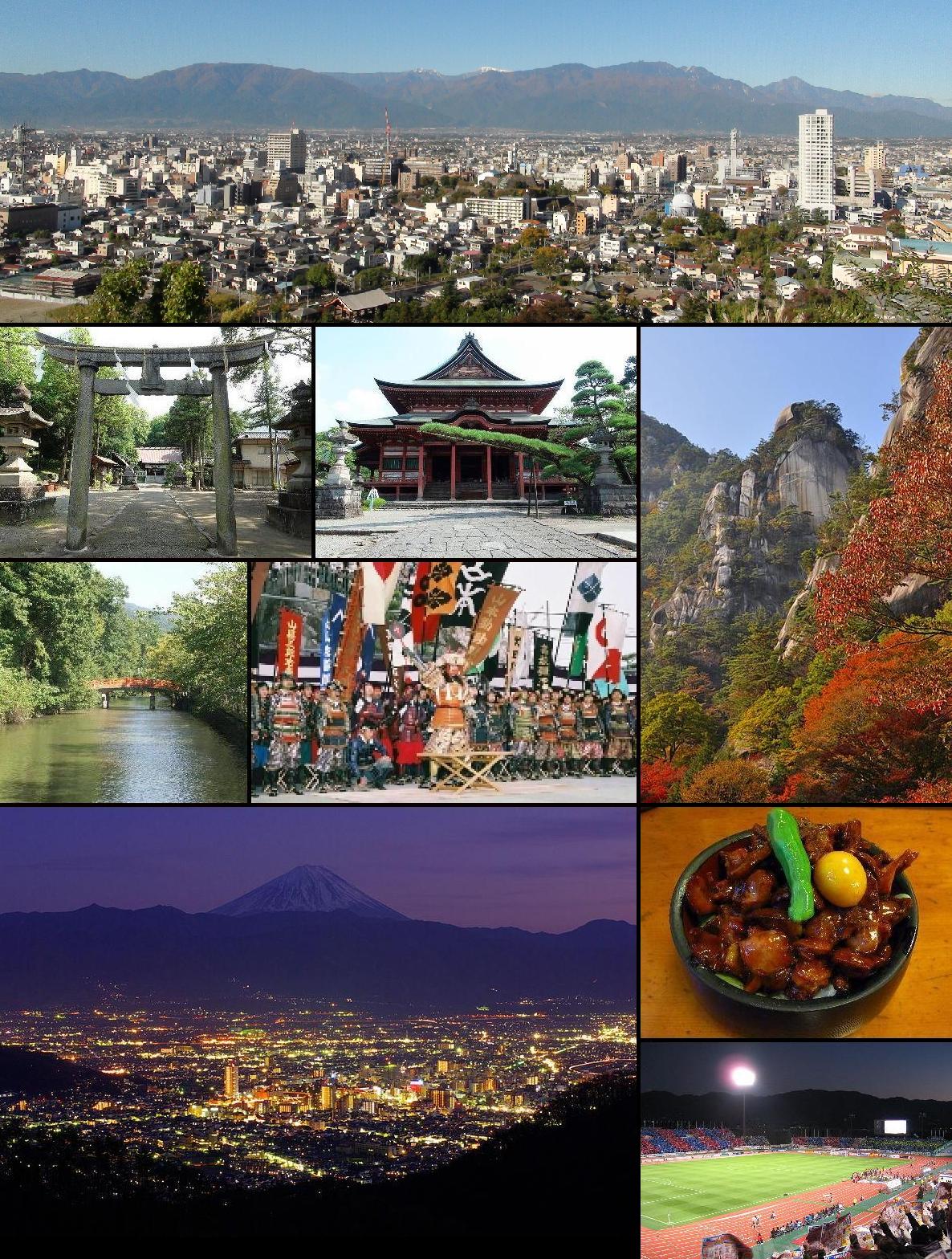
Agriculture dominates the local economy, with grape cultivation and wine production employing thousands across Yamanashi Prefecture. Small-to-medium manufacturing plants provide steady blue-collar work, while tourism related to Mount Fuji proximity and wine country brings seasonal service jobs. The Ventforet Kofu football club creates some sports industry employment, but don't expect Silicon Valley salaries — this is rural Japan with wages to match. English teaching remains the most accessible path for foreigners, though positions are limited compared to major cities.
One-bedroom apartments in the city center average $345 monthly, making housing genuinely affordable by Japanese standards. The 90-minute bullet train to Tokyo costs around ¥2,600 each way, so commuting is possible but expensive for daily use. Healthcare follows Japan's excellent national system, though English-speaking doctors are scarce. City hall bureaucracy moves at typical Japanese pace — bring patience and a translator. Limited English signage outside tourist areas means basic Japanese is essential for daily life.
Four distinct seasons bring skiing in winter and hiking in summer, with Mount Fuji dominating the skyline on clear days. The wine scene is legitimate — local vineyards produce quality bottles, not tourist gimmicks. Expat community is tiny, maybe a few dozen Westerners total, so prepare for cultural immersion whether you want it or not. Weekend options include hot springs, mountain trails, and wine tastings, but nightlife is minimal. This suits outdoorsy types seeking authentic Japan without Tokyo's chaos and costs.
Estimate the cost of moving to Kofu, Japan
Get a free moving cost estimate for moving to Kofu, Japan. Takes 10 seconds.
How much are you shipping?
When are you moving?
Powered by Sirelo. Free quotes from international movers.
🏚️ Cost of Living
A 1BR in the center runs about $345.27/mo. If your income is in another currency, bank FX fees add up. A multi-currency account can cut that cost.
Kofu is exceptionally safe for expats, with very low violent crime and petty theft rates typical of rural Japan. The main concerns are minor property crimes and occasional scams targeting foreigners unfamiliar with local banking or rental procedures. Avoid isolated areas late at night, though this is more precaution than necessity. The city's compact size, strong community policing, and cultural emphasis on order make it one of Japan's safest regional cities. For an American accustomed to major U.S. cities, Kofu will feel remarkably secure with minimal daily safety concerns.
Located near Kofu Station, Basis Point offers a modern and professional environment. It's a good option for those needing reliable internet and a central location for meetings or exploring the city after work.
A community-focused coworking space that aims to connect people and ideas. It's a good option for those looking to network with locals and other remote workers in a relaxed atmosphere.
While not strictly a coworking space, the Kofu City Library Media Park offers free or low-cost access to desks, Wi-Fi, and a quiet working environment. It's a budget-friendly option for focused work, though it may lack some of the amenities of dedicated coworking spaces.
See how Kofu's digital nomad life compares with Tokyo
🧳 Expat Life
English Proficiency
Limited
Expat Community
large
Banks Nearby
65
ATMs Nearby
2
🏘️ Neighborhoods in Kofu
Areas of Kofu that expats often consider.
Conditions can change from one block to the next, and these descriptions are general guides, not safety assessments. Before choosing where to stay or live, check current travel advisories, talk to people who live there, and visit in person if you can.
Kofu Station Area
Convenient, lively, urban hub
Centered around Kofu Station, this area offers excellent access to transportation, shopping, and dining. It's a good choice for those who value convenience and a more urban lifestyle. While convenient, it can be noisier and more crowded than other areas.
Yamanote
Quiet, residential, family-friendly
A more suburban residential area, Yamanote is known for its quiet streets and family-friendly atmosphere. It's further from the city center, requiring a car or reliance on public transport. This area offers a more authentic Japanese living experience, but English may be less commonly spoken.
Chuo
Central, commercial, government offices
The central business district, Chuo is home to government offices, shops, and restaurants. It's a convenient location for those working in the city center. While centrally located, it can be less residential and more focused on business.
Shimoishida
Residential, affordable, local charm
A more affordable residential area, Shimoishida offers a glimpse into everyday Japanese life. It's further from the main attractions but provides a quieter and more local experience. Expect limited English and a need to learn Japanese for daily life.
Kosai
Suburban, spacious, family-oriented
Located a bit outside the city center, Kosai offers larger homes and a more suburban feel. It's ideal for families seeking more space and a quieter environment. A car is almost essential here, and English proficiency may be limited.
Yumura Onsen
Relaxing, onsen town, touristy
Famous for its hot springs, Yumura Onsen is a popular tourist destination. While charming, it can be more expensive and crowded, especially during peak seasons. It could be a good option for retirees seeking relaxation and access to onsen, but expect a higher cost of living.
Page 1 of 2
Could living/working in Kofu cut years off your work life?
With a 1-bedroom in the center at $345/mo, your FIRE number here might be much lower than you think.
Kofu has a population of approximately 187,985 people.
A single person can expect to spend around $863 per month in Kofu, including rent. A 1-bedroom apartment in the city center costs approximately $345/month.
The nearest airport to Kofu is HND, approximately 111km away.
Kofu is considered relatively safe, with a safety index of 85.0. As with any city abroad, expats should research specific neighborhoods before committing to a location.
Kofu has an average internet speed of 120 Mbps. It is considered a well-established digital nomad destination.
Basic conversational Japanese is essential for daily tasks like banking, shopping, and dealing with city hall. Unlike Tokyo, English signage and English-speaking staff are rare outside major hotels and tourist sites.
The bullet train takes 90 minutes and costs around ¥2,600 each way, making daily commuting expensive at roughly $50 per day. Some people do it, but most find remote work or local employment more practical.
English teaching is the main option, with a few positions at local schools and conversation cafes. Other opportunities are limited unless you have specialized skills and strong Japanese language ability for local manufacturing or tourism businesses.
Japan doesn't have a specific retirement visa. Americans typically explore options like the Tourist Visa (allowing stays up to 90 days, renewable once), the Long-Stay Visa for sightseeing (requires substantial savings), or potentially a business-related visa if you have passive income or consulting work.
Kofu has excellent internet infrastructure, with fiber optic available in most areas. You can expect download speeds of 100-300 Mbps, making it ideal for video conferencing and other remote work needs. Mobile data is also reliable and affordable.
While Kofu doesn't have a plethora of coworking spaces like Tokyo, there are a few options available, including shared office spaces and business centers. Check online resources like Coworker or ask at local business support centers for the most up-to-date information.
Japan has a universal healthcare system, and the quality of care in Kofu is generally very good. Finding English-speaking doctors can be challenging, but larger hospitals often have staff who can assist. Consider using online resources or your embassy for referrals.
Kofu is a relatively compact city, and getting around is easy. Public transportation includes buses and trains, but many people prefer to cycle. Owning a car is useful for exploring the surrounding Yamanashi Prefecture, but parking can be limited in some areas.
Kofu has a humid subtropical climate with hot, humid summers and mild winters. Expect significant snowfall in the winter months, especially in the surrounding mountains. Spring and autumn are generally pleasant with comfortable temperatures.
The expat community in Kofu is relatively small compared to larger cities like Tokyo or Osaka. However, there are still opportunities to connect with other foreigners through language exchange groups, international associations, and online forums.
For convenient access to amenities, consider living near Kofu Station. For a quieter, more residential area, look at neighborhoods like Yuda or Chuo. Prices tend to be lower further from the city center.
As a US citizen, you're required to file US taxes even when living abroad. You may be able to exclude a significant portion of your income using the Foreign Earned Income Exclusion (FEIE). Be sure to research FBAR and FATCA reporting requirements as well.
Yes, $2500 USD per month provides a comfortable retirement in Kofu. You can afford a nice apartment, enjoy dining out occasionally, and still have money left over for travel and other activities. Healthcare costs are also relatively affordable under the Japanese system.
Be prepared for a more reserved and indirect communication style than in the US. Politeness and respect are highly valued, and it's important to learn basic Japanese etiquette. Public displays of affection are less common, and punctuality is expected.
Opening a bank account can be challenging without a long-term visa and residence card. Some banks are more foreigner-friendly than others, so it's worth researching your options. You'll typically need your passport, residence card, and proof of address.
Kofu is generally very safe, and there aren't specific areas to actively avoid. Like any city, be aware of your surroundings, especially at night. The areas around some of the smaller train stations can be a bit quieter and less well-lit.
Cost-of-living and visa updates for Kofu and the rest of Japan. Free with RA Postcards.
By submitting your email address, you will receive a free subscription to RA Postcards and special offers from Rewire Abroad and our affiliates. You can unsubscribe at any time, and we encourage you to read more about our Privacy Policy.