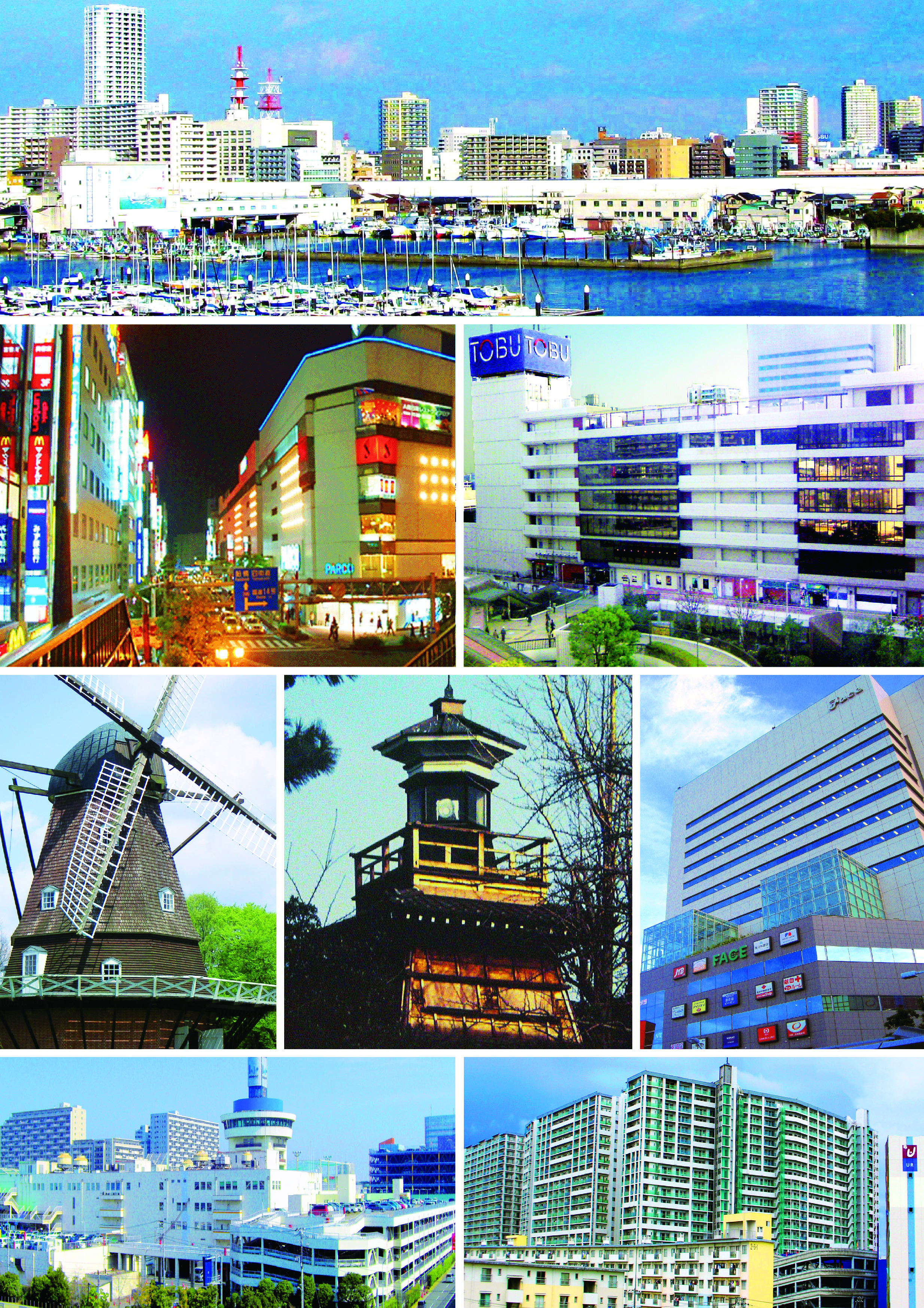
Funabashi, Japan Hero Image
Wikipedia Contributor, CC BY-SA

Funabashi, Japan

🌊 Coastal

Data updated Oct 8, 2026

Follows Japan Residency Rules. Check Digital Nomad & Retiree Pathways →

📊 Scores

73
FIRE
67
Retiree
70
Digital Nomad

Best fit: FIRE / Geoarbitrage (score: 73)

Funabashi sits on the flat, low-lying Kanto Plain in Chiba Prefecture, just five meters above sea level, with a humid subtropical climate that brings hot, sticky summers and cool, dry winters. The city is a practical base for travelers who want easy access to Tokyo without the capital's price tag, and most expats cluster around the Funabashi Station area and Nishi-Funabashi, where train lines and daily conveniences are within walking distance. The population of roughly 609,000 keeps the city feeling busy but not overwhelming, and the streets are orderly enough that newcomers quickly find their rhythm.

Living costs here are noticeably lighter than in most U.S. cities, with the overall cost of living index sitting at 68 out of 100 compared to New York City. A one-bedroom apartment in the city center runs about $900 per month, while the same unit outside the center drops to $750; a three-bedroom in the center costs $1,800, and outside the center it falls to $1,400. For a single adult, the budget tier total, including rent, comes to $1,800 per month, while the comfortable tier totals $4,500. Excluding rent, a single person spends roughly $1,100 monthly, and a family of four spends about $3,500. Utilities add $132 per month, internet runs $32, and a mobile plan costs $24. Eating out is remarkably cheap: an inexpensive restaurant meal is $6, a three-course meal for two at a mid-range spot is $16, and a cappuccino costs just $1.

Safety is one of Funabashi's strongest draws, with a safety index of 92 out of 100 and a crime index of just 8, which means violent and petty crime are rare. Healthcare quality is rated excellent, and while English proficiency is limited, the medical system is reliable and well organized, so even non-Japanese speakers can navigate clinics with some preparation. The air quality index of 45 is moderate, better than many large Asian cities, and the overall expat score of 73 reflects a comfortable, low-stress environment for foreigners.

For longer stays, Japan's Digital Nomad Visa is the relevant program, and it requires a minimum monthly income of $6,667. The nearest airport is NRT, located just 15 kilometers away, making arrivals and departures quick and painless. Funabashi suits digital nomads and early retirees who prioritize safety, affordability, and a calm daily routine over nightlife or a large expat community, which remains small here. The retiree score of 67 and FIRE score of 73 suggest that this is a place where savings stretch further, though the limited English and modest expat scene mean you should come with some Japanese basics or a willingness to learn.
Estimate the cost of moving to Funabashi, Japan

Get a free moving cost estimate for moving to Funabashi, Japan. Takes 10 seconds.

How much are you shipping?

When are you moving?

Powered by Sirelo. Free quotes from international movers.

🏚️ Cost of Living

💰 Budgets and Costs

$1,194/mo, one person, rent included
Selected: mid-range lifestyle

Funabashi on a mid-range budget comes to about $1,194 a month for one adult, with $750 of that going to rent. Beyond rent the estimate covers $153 on groceries, $63.00 on dining out, $40.00 on entertainment and lifestyle and $188 on utilities and connectivity.

Rent

$750/mo

1BR outside the centre

Groceries

$153/mo

Staples basket scaled to a full month

Dining out

$63.00/mo

10 inexpensive meals

Entertainment & lifestyle

$40.00/mo

2 cinema trips, 12 cappuccinos

Utilities & connectivity

$188/mo

utilities, mobile, internet

Budgets (excl. rent)

Single person$444/mo

Excludes rent. The total above is all-in, rent included.

Estimates for one adult, built from this city's average prices and the usage shown for each tier. Your spending will differ with how often you eat out and where you live.

A 1BR in the center runs about $900/mo. If your income is in another currency, bank FX fees add up. A multi-currency account can cut that cost.

See low-fee transfers

We may earn a commission at no cost to you.

See how Funabashi's cost of living compares with Ueda

Be the first to report costs in Funabashi

Share

🛡️ Safety & Crime

92
Safety Index

(Higher is safer)

8
Crime Index

(Lower is safer)

Funabashi is exceptionally safe by any standard, with violent crime virtually non-existent and petty theft rare. The city benefits from Japan's strong policing, social cohesion, and low crime culture. Expats should observe standard precautions—avoid displaying valuables, stay aware in entertainment districts late at night—but these are minimal concerns. Scams targeting foreigners are uncommon. The main practical risks involve traffic safety and natural disasters (earthquakes, typhoons), not crime. For an American seeking a secure, orderly environment to retire or work remotely, Funabashi is an excellent choice with negligible personal safety concerns.

🏥 Healthcare

Excellent
Public Hospitals
Yes
Private Clinics
Yes
English-Speaking Doctors
Available

See how Funabashi's healthcare compares with Ueda

🌤️ Climate

Summer Temp
31°C
Winter Temp
1°C
Humidity
72%
Air Quality Index
45
Annual Rainfall
1364 mm

Best Months

AprMayOct

Climate Notes

Humid subtropical climate with hot summers and cool, dry winters.

💻 Digital Nomad

Avg Internet Speed
103 Mbps
Internet (monthly)
$32/mo
Coworking Availability
Abundant
Coworking Spaces Nearby
3
Digital Nomad Score
70/100

Community Notes

Funabashi is an excellent suburban area with easy access to Tokyo.

Coworking Spaces

NameNotes
Basis Point FunabashiA modern coworking space located near Funabashi Station, offering a variety of seating options, meeting rooms, and private booths. It's a good option for those seeking a professional environment with easy access to transportation.
BIZcomfort FunabashiBIZcomfort offers a range of coworking options, from open desks to private offices, in a convenient location in Funabashi. They provide 24/7 access and individual booths, making it suitable for those with flexible schedules.
Regus FunabashiLocated in the Funabashi Face Building, Regus offers a professional and well-equipped workspace with various office solutions. It's a reliable choice for those who prefer a globally recognized brand with comprehensive business services.

Names, locations and hours can change. Check each space's website before you visit. Places from © OpenStreetMap contributors and Foursquare Open Source Places (Apache 2.0).

Planning to live in Funabashi long-term? Japan Digital Nomad Visa lets remote workers live legally with a minimum income of $6,667/month.

View full requirements →

Working remotely from Funabashi? Nomad health insurance covers you across borders, month to month.

See nomad insurance

We may earn a commission at no cost to you.

See how Funabashi's digital nomad life compares with Ueda

🧳 Expat Life

English Proficiency
Limited
Expat Community
Small
Top Neighborhoods
Funabashi Station area, Nishi-Funabashi
Banks Nearby
60
ATMs Nearby
26

Expat Life Notes

A coastal city in Chiba that serves as a major transit point for Tokyo; the expat community is mostly long-term residents.

Pros

  • ✓ Excellent shopping
  • ✓ Great transport links
  • ✓ Coastal access

Cons

  • ✗ Very crowded
  • ✗ Limited English spoken
  • ✗ Suburban sprawl

🏘️ Neighborhoods in Funabashi

Areas of Funabashi that expats often consider.

Conditions can change from one block to the next, and these descriptions are general guides, not safety assessments. Before choosing where to stay or live, check current travel advisories, talk to people who live there, and visit in person if you can.

Honcho

Central, convenient, urban living

Honcho is the heart of Funabashi, offering easy access to the train station and city amenities. It's a bustling area with many shops, restaurants, and entertainment options. While convenient, it can be noisy and crowded, and finding larger apartments can be challenging.

Tsudanuma

Lively, student-friendly, affordable

Technically just outside Funabashi in Narashino, Tsudanuma is a major transport hub and university area, making it popular with students and younger residents. Rent is generally more affordable than Honcho, and there are plenty of dining and shopping options. The area can be quite busy, especially around the station.

Nishi-Funabashi

Transportation hub, family-oriented, practical

Nishi-Funabashi is a major railway junction, offering excellent connections to Tokyo and other parts of Chiba. It's a more residential area than Honcho or Tsudanuma, popular with families. While convenient for travel, it lacks the vibrant nightlife and entertainment options of the city center.

Katsushika

Quiet, residential, local charm

Located in the northern part of Funabashi, Katsushika is a more traditional and quieter residential area. It offers a glimpse into everyday Japanese life, with local shops and parks. English is not widely spoken, so some Japanese language ability is helpful. Rent is relatively affordable.

Page 1 of 2

Could living/working in Funabashi cut years off your work life?

With a 1-bedroom in the center at $900/mo, your FIRE number here might be much lower than you think.

Calculate My FIRE Date →

🛂 Visa Options for Japan

Many long-stay visas require proof of health insurance. Compare international health plans before you apply.

Compare health insurance

We may earn a commission at no cost to you.

🛂

Earning over $6,667/mo? You may qualify for a Japan visa.

Answer 11 questions and get a personalized match in under 2 minutes.

Find My Visa →

More Cities to Consider instead of Funabashi

FAQ

Frequently Asked Questions about Funabashi

Click any question to expand the answer.

Funabashi has a population of approximately 609,040 people.
A single person can expect to spend around $2,250 per month in Funabashi, including rent. A 1-bedroom apartment in the city center costs approximately $900/month.
The nearest airport to Funabashi is NRT, approximately 14.6km away.
Funabashi is considered relatively safe, with a safety index of 92.0. As with any city abroad, expats should research specific neighborhoods before committing to a location.
Funabashi has an average internet speed of 103 Mbps. It is considered a well-established digital nomad destination.
It works well logistically — the Sobu Line puts you in central Tokyo in 30–40 minutes, and rent is meaningfully lower than Tokyo's inner wards. The tradeoff is a limited English-speaking community and a city that functions almost entirely in Japanese, so daily life requires either language ability or a high tolerance for navigating things slowly.
Practically speaking, yes. Unlike some parts of central Tokyo with English signage and bilingual staff, Funabashi is a working Japanese city where government offices, most landlords, medical clinics, and everyday shops operate entirely in Japanese. You can survive with translation apps, but signing a lease, registering your residence, or enrolling in national health insurance will be significantly harder without Japanese ability or a bilingual helper.
Funabashi boasts excellent internet infrastructure, with fiber optic widely available. Expect speeds of 100-300 Mbps easily, making video calls and large file transfers a breeze. Many cafes also offer free Wi-Fi, though speeds can vary.
While not as prevalent as in central Tokyo, some clinics and hospitals in Funabashi have English-speaking staff or offer translation services. It's best to research beforehand or ask your embassy for a list of recommended medical providers. Having Japanese health insurance is crucial.
Funabashi is generally a very safe city, but areas around Funabashi Station and closer to the coast tend to be popular with families and are considered particularly safe. Avoid poorly lit areas late at night, as you would anywhere.
Groceries in Funabashi can be comparable to or slightly more expensive than in the US, especially for imported items. Dining out offers a range of options, from affordable ramen shops to pricier restaurants; expect to pay around $10-20 for a decent meal.
Funabashi experiences four distinct seasons. Summers are hot and humid, winters are mild but can be chilly, spring is pleasant with cherry blossoms, and autumn offers comfortable temperatures and colorful foliage. Be prepared for typhoons in late summer and early autumn.
Funabashi has an excellent public transportation system, including trains and buses. The JR Sobu Line and Tobu Urban Park Line are convenient for getting around the city and connecting to Tokyo. Consider purchasing a Suica or Pasmo card for easy payment.
While Funabashi doesn't have a huge number of dedicated coworking spaces, several cafes offer comfortable seating and reliable Wi-Fi. Look for places near Funabashi Station or in the Lalaport shopping center. Some libraries also offer quiet study areas.
Japan doesn't have a specific retirement visa. Americans typically need to explore options like a long-term tourist visa (with limitations), a spouse visa (if married to a Japanese citizen), or an investment/business visa. Consulting with an immigration lawyer is highly recommended.
Funabashi has a smaller expat community compared to Tokyo, but it's still present. You can connect with other expats through online forums, language exchange groups, and international events in the wider Chiba prefecture. Don't expect a huge English-speaking bubble.
Yes, Japan Post ATMs and 7-Eleven ATMs are generally reliable for accepting foreign cards. Be aware of potential transaction fees from both your bank and the ATM provider. Consider opening a local bank account for easier access to funds.
Funabashi is considered very safe for solo female expats. Violent crime is rare. However, it's always wise to be aware of your surroundings, especially at night, and take basic safety precautions like avoiding walking alone in poorly lit areas.
While you can manage daily life in Funabashi with only English, learning some basic Japanese will significantly improve your experience. Many locals don't speak English fluently, so knowing basic phrases will help with shopping, transportation, and social interactions. Google Translate is your friend.
A single person could comfortably retire in Funabashi on a monthly budget of around $2,000-$2,500 USD, covering rent, utilities, food, and some entertainment. This assumes you own your assets outright and have no major debts. Healthcare costs can vary.
Funabashi offers a variety of leisure activities, including visiting Funabashi Andersen Park, exploring the local shopping streets, and enjoying the waterfront. You can also easily access Tokyo for day trips and cultural experiences. The local baseball team is also very popular.
As a US citizen living in Funabashi, you're still required to file US taxes. The Foreign Earned Income Exclusion (FEIE) can help you exclude a certain amount of your foreign-earned income from US taxes. You may also need to report foreign bank accounts (FBAR) if they exceed $10,000 in aggregate.

Share This Guide