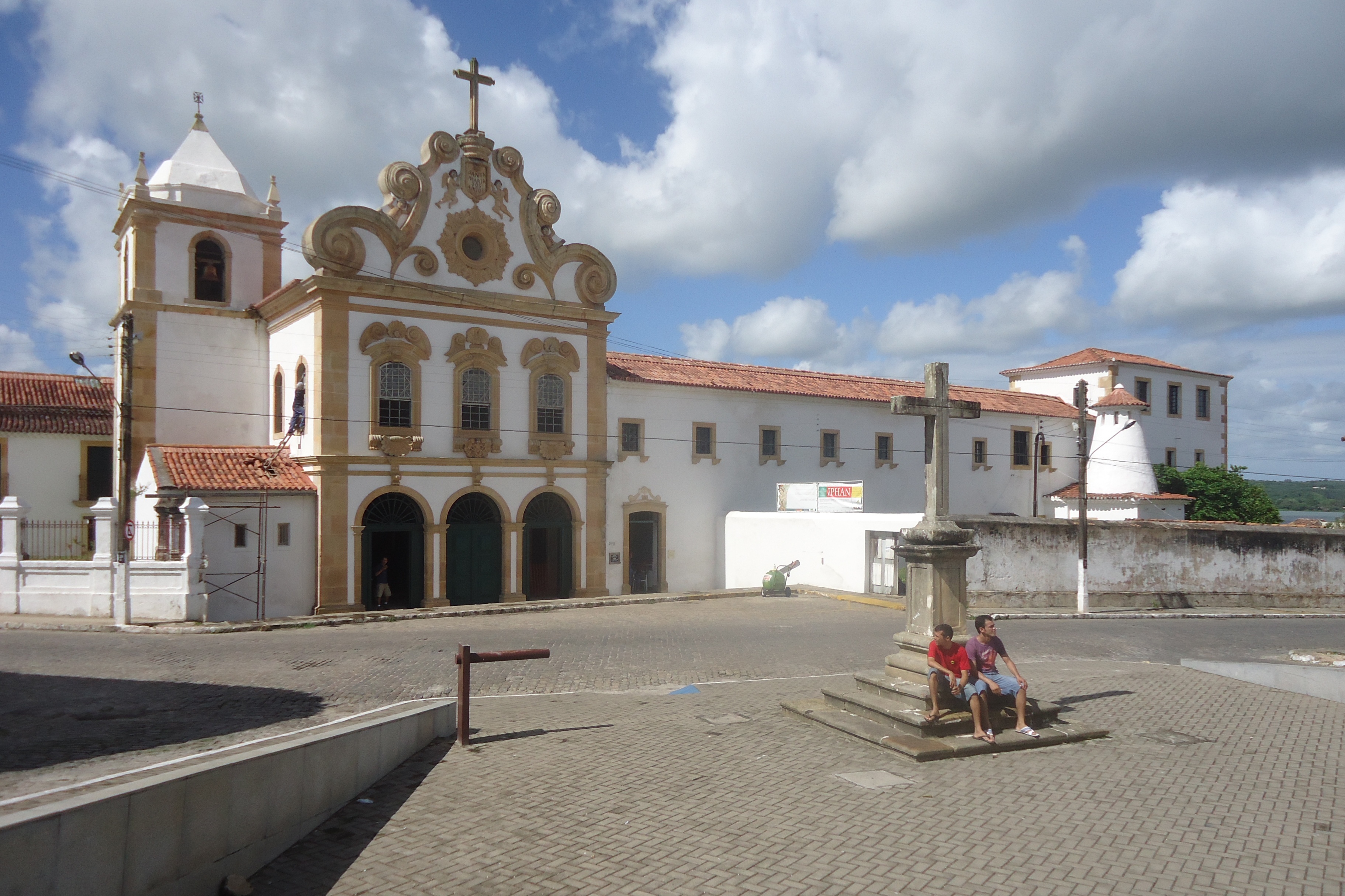
Penedo sits in the Brazilian state of Alagoas, a colonial town on the banks of the São Francisco River, just 9 m above sea level and wrapped in a tropical climate. The timezone is America/Maceio, and with a population of 52 thousand, it keeps the pace of a small city where daily life unfolds slowly. The nearest airport is MCZ, 123 km away, which connects the region to larger domestic and international routes. Expats who settle here tend to choose the city centre, where the historic streets and river views define the atmosphere, or areas outside the centre for a quieter, more residential feel.
Living costs in Penedo are remarkably low. A one-bedroom apartment in the city centre rents for $280/mo, while outside the centre it drops to $200/mo. For a three-bedroom place, expect $540/mo in the centre or $380/mo outside. A single adult can live on a budget tier of $650/mo including rent, step up to a mid-range tier at $950/mo, or enjoy a comfortable tier at $1,400/mo. Excluding rent, a single person spends about $370/mo, and a family of four about $970/mo. The cost of living index is 29/100, with New York City set at 100, making Penedo one of the most affordable places to stretch a budget.
Safety in Penedo is moderate, with a safety index of 60/100 and a crime index of 40/100, where lower numbers mean less crime. Air quality is decent, with an index of 45, and healthcare quality is rated as good. English proficiency is common in tourist areas, so visitors and new residents can often get by without Portuguese in those spots, though daily life may still require some local language skills.
For visas, retirees can apply for VITEM XIV, which requires a minimum monthly income of $2,000/mo. Digital nomads have the Brazil Digital Nomad Visa, with a minimum monthly income of $1,500/mo. Getting there means flying into MCZ, 123 km from town, then continuing by road. With an overall expat score of 85/100, a FIRE score of 87/100, a retiree score of 70/100, and a digital nomad score of 68/100, Penedo suits budget-conscious retirees, early retirees chasing financial independence, and remote workers who value low costs over fast internet, since average speeds run at 34 Mbps.