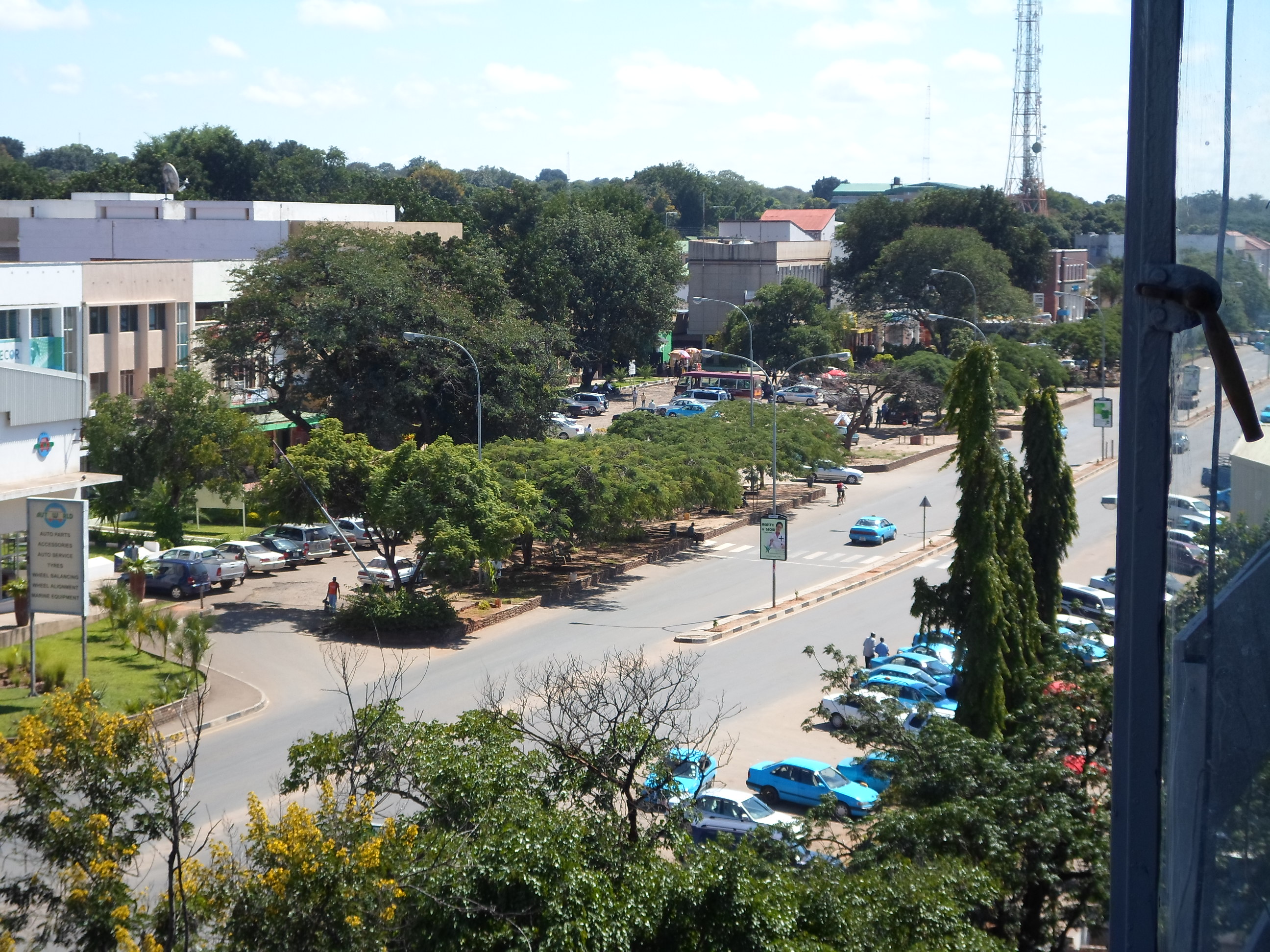
Tourism and hospitality dominate Livingstone's economy almost entirely. Victoria Falls drives everything—hotels, restaurants, adventure outfitters, and tour operators employ most working expats and locals. Cross-border trade with Zimbabwe adds some economic texture, but if the Falls tourism slows, the city feels it immediately. Remote work and running tourism businesses are the realistic income paths; traditional employment is thin unless you're in hospitality management.
Rent runs $400–800/month for a decent two-bedroom; utilities add $60–100. Transport is manageable—minibuses cost pennies, taxis are negotiable. Healthcare exists but serious issues require Harare or South Africa; travel insurance is non-negotiable. English is widely spoken due to tourism, so language isn't a major barrier. Bureaucracy for residence permits is slow and opaque; expect multiple trips to immigration and unclear timelines. Internet is reliable enough for remote work.
Subtropical heat dominates October–November; the wet season (November–March) brings humidity and occasional flooding. Food leans tourist-oriented and pricey in town, though local markets offer cheap maize and vegetables. The expat community is small and transient—mostly tourism workers and digital nomads passing through. Weekends mean Victoria Falls hikes, Zambezi river activities, or day trips to Zimbabwe. This suits adventure-focused remote workers and tourism entrepreneurs willing to accept a one-industry town with limited cultural depth.
Estimate the cost of moving to Livingstone, Zambia
Get a free moving cost estimate for moving to Livingstone, Zambia. Takes 10 seconds.
How much are you shipping?
When are you moving?
Powered by Sirelo. Free quotes from international movers.
🏚️ Cost of Living
If your income is in another currency, bank FX fees add up every month. A multi-currency account can cut that cost.
Livingstone is relatively safe for a Zambian city, with a manageable day-to-day feel for expats. The town is small and walkable during daylight hours, though nighttime walks alone are best avoided. The expat community is established and familiar with local rhythms. While petty crime exists, violent crime against foreigners is uncommon. Most expats report feeling reasonably secure with standard precautions.
Petty theft and pickpocketing occur, particularly in markets and crowded areas like the town center. Opportunistic theft from vehicles and homes happens, especially if security is lax. Scams targeting tourists exist but are less aggressive than in larger cities. Solo female travelers should avoid walking alone after dark and be cautious in isolated areas. Use registered taxis rather than hailing rides on the street.
Zambia's political environment is relatively stable compared to regional neighbors, though corruption in police and bureaucracy is common. Police reliability varies; bribery requests are not uncommon during traffic stops. Livingstone itself has not experienced significant civil unrest recently. For Americans considering relocation, the city offers genuine safety advantages over larger African urban centers, though it requires vigilance and local awareness rather than fear.
Livingstone has a safety index of 60/100. Petty theft and lost belongings are the most common problems for newcomers. Compare travel insurance before you go.
See how Livingstone's healthcare compares with Kitwe
🌤️ Climate
Climate Zones
Arid
Summer Temp
28°C
Winter Temp
18°C
Humidity
65%
Air Quality Index
52
Annual Rainfall
736 mm
Best Months
MayJunJulAugSep
Climate Notes
Livingstone has a subtropical climate with hot, wet summers (November–March) and mild, dry winters (May–August), making it ideal for outdoor activities like Victoria Falls visits during the cooler months.
💻 Digital Nomad
Avg Internet Speed
30 Mbps
Coworking Availability
Limited
Coworking Spaces Nearby
0
Digital Nomad Score
55/100
Community Notes
Popular for tourism but offers limited coworking options and fair healthcare services.
A popular local option offering a relaxed atmosphere, reliable internet, and a community vibe. Located centrally, it's a good choice for those seeking a budget-friendly and social coworking experience.
While primarily a lodge, The Zambezi Source offers dedicated workspace with reliable internet and power. Its location near the Zambezi River provides a tranquil setting, appealing to those seeking a balance between work and nature.
See how Livingstone's digital nomad life compares with Kitwe
🧳 Expat Life
English Proficiency
Common in Tourist Areas
Expat Community
Medium
Top Neighborhoods
Victoria Falls Road area
Banks Nearby
4
ATMs Nearby
5
Expat Life Notes
The tourism capital of Zambia. Highly international vibe near the Falls but rugged infrastructure elsewhere.
Pros
✓ Victoria Falls proximity
✓ Large expat tourism community
✓ English speaking
Cons
✗ High seasonal costs
✗ Tourist harassment in center
✗ Poor healthcare
🏘️ Neighborhoods in Livingstone
Areas of Livingstone that expats often consider.
Conditions can change from one block to the next, and these descriptions are general guides, not safety assessments. Before choosing where to stay or live, check current travel advisories, talk to people who live there, and visit in person if you can.
Central Livingstone
Bustling commercial and residential
The heart of Livingstone, offering easy access to shops, restaurants, and transportation. Many guesthouses and hotels are located here, making it relatively expat-friendly. Expect noise and tourist activity, but also convenience.
Linda
Quiet, residential, family-oriented
A more local residential area, offering a quieter environment than the center. Housing is generally more affordable here. You'll need your own transportation and a willingness to integrate into the local community, as English may not be as widely spoken.
Maramba
Mixed residential, growing area
Maramba is a developing area with a mix of housing options, some catering to expats. It's further from the city center but offers a more relaxed atmosphere. Some newer developments are springing up here, making it a good option for those seeking modern amenities.
Sichili
Local, traditional, budget-friendly
A very local area with basic housing and limited amenities. It's the most affordable option, but requires a high degree of cultural adaptation. English is not widely spoken, and transportation can be challenging.
Waterfalls Area (Near Zambezi Sun)
Upscale, tourist-focused, scenic
This area, close to the Zambezi River and major tourist attractions, features higher-end hotels and lodges. While not strictly residential, long-term rentals may be available in nearby guesthouses or villas. Expect higher prices and a constant influx of tourists.
Avani Area
Luxury, resort-style, convenient
Similar to the Zambezi Sun area, this is a high-end tourist zone with luxury accommodations. Long-term stays are possible in some villas or apartments, but prices are significantly higher. The location offers unparalleled access to Victoria Falls and related activities.
Page 1 of 2
Could living/working in Livingstone cut years off your work life?
With a 1-bedroom in the center at $475/mo, your FIRE number here might be much lower than you think.
Livingstone has a population of approximately 33,000 people.
The nearest airport to Livingstone is LVI, approximately 4.7km away.
Livingstone is considered relatively safe, with a safety index of 60.0. As with any city abroad, expats should research specific neighborhoods before committing to a location.
Livingstone has an average internet speed of 30 Mbps. It is not yet considered a well-established digital nomad destination.
No. The process is slow, requires multiple immigration office visits, and timelines are unclear. Most expats work on renewable visitor visas or business permits. Hire a local fixer if possible; DIY is frustrating.
Reasonably safe in tourist areas and expat neighborhoods. Petty theft happens; violent crime is uncommon but not impossible. Avoid walking alone at night. The safety index of 60 reflects typical African city caution, not crisis.
Thin outside tourism and hospitality. Remote work is the realistic option. If you want local employment, you'll compete for hotel management, guide, or tour operator roles—salaries are low unless you're senior management.
Livingstone has an arid climate, not subtropical, with dry conditions and strong sunshine. The safety index is 60, and the city sees little rainfall year-round.
Livingstone's cost of living data is not available. The city has a safety index of 60 and an overall score of 61.
Maramba is popular for its central location and mix of housing options. The area around the Zambezi Sun hotel offers more upscale living, but at a higher cost. For a quieter experience, consider areas further from the town center, but ensure reliable transport.
Internet speeds in Livingstone average 30 Mbps, which is sufficient for basic remote work. Mobile data is widely available and often more reliable than fixed-line connections. For consistent connectivity, consider a local SIM card from Airtel or MTN.
For long-term stays, explore the possibility of a visitor's permit extension or a temporary residence permit. You'll need to demonstrate sufficient funds and a clear purpose for your stay. Consulting with a local immigration lawyer is highly recommended to navigate the process.
Healthcare facilities are basic. The Livingstone Central Hospital provides general services, but for serious conditions, evacuation to South Africa may be necessary. Some private clinics have English-speaking doctors, but it's wise to confirm beforehand. Comprehensive travel insurance is essential.
Taxis are readily available and relatively inexpensive. Minibuses are a cheaper option, but can be crowded and confusing for newcomers. Renting a car offers more flexibility, but be prepared for driving on the left and potentially challenging road conditions outside of town.
The local language is Tonga, but English is widely spoken, especially in tourist areas and businesses. Learning a few basic Tonga phrases will be appreciated by locals and can enhance your experience. You can get by easily with just English.
ATMs are available in Livingstone, but they may not always be reliable. Stanbic Bank and Barclays (now ABSA) are good options. Consider opening a local bank account for convenience. International money transfers can be done through services like WorldRemit or Xoom, but be aware of fees.
Livingstone has a medium-sized expat community, with a safety index of 60 and an overall score of 61. Social events and networking opportunities exist through local businesses and online groups.
Livingstone's cost of living data is not available, but its overall score is 61 and safety index is 60. Without specific cost figures, it is difficult to confirm if $2,000 per month is sufficient for a comfortable retirement.
As a US citizen, you're still required to file US taxes even when living abroad. The Foreign Earned Income Exclusion (FEIE) can help you exclude a certain amount of your foreign-earned income from US taxes. Also, be aware of FBAR requirements for reporting foreign bank accounts.
Zambian culture is generally conservative and respectful. Dress modestly, especially when visiting rural areas. Politeness and patience are highly valued. Be prepared for a slower pace of life and a more relaxed approach to timekeeping.
Livingstone itself doesn't offer many direct passive income opportunities. However, the lower cost of living allows you to stretch passive income generated elsewhere (e.g., dividends, rental income). Investing in local real estate could be an option, but requires careful research.
Cost-of-living and visa updates for Livingstone and the rest of Zambia. Free with RA Postcards.
By submitting your email address, you will receive a free subscription to RA Postcards and special offers from Rewire Abroad and our affiliates. You can unsubscribe at any time, and we encourage you to read more about our Privacy Policy.