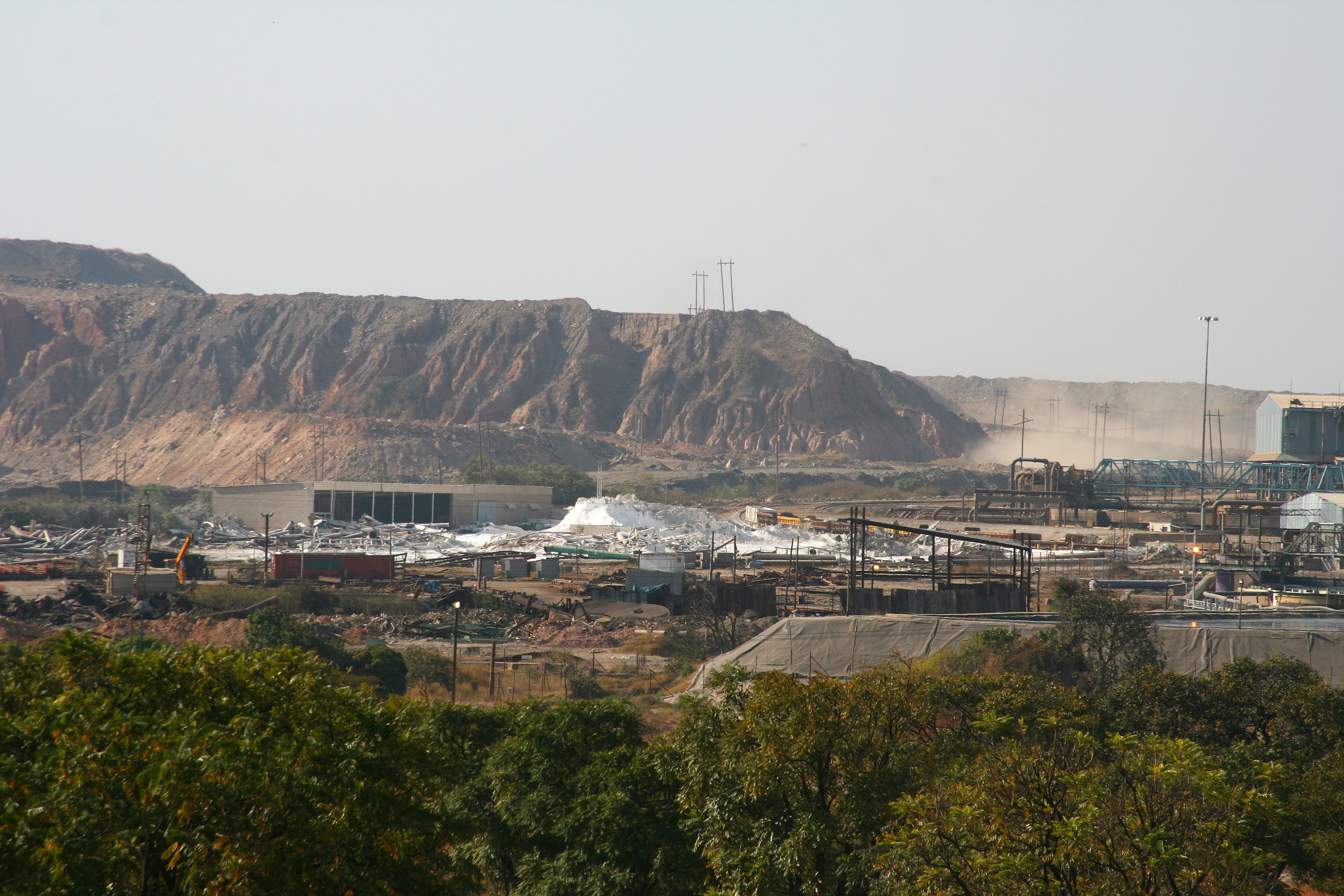
Copper mining is Chingola's entire economic story. The Nchanga Mine—one of the world's largest open-pit operations—and associated underground shafts employ thousands directly and thousands more in logistics, equipment, and services. If you work in mining, engineering, or supply chain, there's genuine opportunity here. Everyone else depends on mining's health: when copper prices drop, the town feels it immediately. The Copperbelt Highway makes it a freight hub too, but that's secondary to what comes out of the ground.
Rent runs $320/month for a one-bedroom in town, which is cheap by expat standards but reflects limited amenities. Healthcare requires travel to Ndola or Lusaka for serious issues—the local clinic handles basics only. Bemba is the dominant language; English works in business but not daily life. Bureaucracy is standard Zambian friction: visa extensions, work permits, and banking take patience. Two shopping malls exist, but imported goods cost more. Power cuts happen. Internet is available but unreliable during rainy season.
Chingola is hot, humid, and dusty—not a lifestyle destination. Weekends mean the Chimfunshi Wildlife Orphanage (60km away), football matches, or driving to Ndola for restaurants. The expat community is small and mining-focused; you'll know most people within months. This city suits mining professionals, their families, and people genuinely interested in industrial Zambia—not digital nomads or retirees seeking leisure.
Estimate the cost of moving to Chingola, Zambia
Get a free moving cost estimate for moving to Chingola, Zambia. Takes 10 seconds.
How much are you shipping?
When are you moving?
Powered by Sirelo. Free quotes from international movers.
🏚️ Cost of Living
💰 Budgets and Costs
$427/mo, one person, rent included
Selected: budget lifestyle
Chingola on a budget budget comes to about $427 a month for one adult, with $220 of that going to rent. Beyond rent the estimate covers $97.00 on groceries, $60.00 on dining out and $50.00 on utilities and connectivity.
Rent
$220/mo
1BR outside the centre
Groceries
$97.00/mo
75% of mid-range grocery spend
Dining out
$60.00/mo
4 inexpensive meals
Utilities & connectivity
$50.00/mo
utilities
Budgets (excl. rent)
Single person$207/mo
Excludes rent. The total above is all-in, rent included.
$561/mo, one person, rent included
Selected: mid-range lifestyle
Chingola on a mid-range budget comes to about $561 a month for one adult, with $220 of that going to rent. Beyond rent the estimate covers $130 on groceries, $151 on dining out, $10.00 on entertainment and lifestyle and $50.00 on utilities and connectivity.
Rent
$220/mo
1BR outside the centre
Groceries
$130/mo
Staples basket scaled to a full month
Dining out
$151/mo
10 inexpensive meals
Entertainment & lifestyle
$10.00/mo
gym
Utilities & connectivity
$50.00/mo
utilities
Budgets (excl. rent)
Single person$341/mo
Excludes rent. The total above is all-in, rent included.
$728/mo, one person, rent included
Selected: comfortable lifestyle
Chingola on a comfortable budget comes to about $728 a month for one adult, with $320 of that going to rent. Beyond rent the estimate covers $182 on groceries, $166 on dining out, $10.00 on entertainment and lifestyle and $50.00 on utilities and connectivity.
Rent
$320/mo
1BR in the centre
Groceries
$182/mo
140% of mid-range grocery spend
Dining out
$166/mo
6 inexpensive meals + 6 mid-range meals
Entertainment & lifestyle
$10.00/mo
gym
Utilities & connectivity
$50.00/mo
utilities
Budgets (excl. rent)
Single person$408/mo
Excludes rent. The total above is all-in, rent included.
Estimates for one adult, built from this city's average prices and the usage shown for each tier. Your spending will differ with how often you eat out and where you live.
A 1BR in the center runs about $320/mo. If your income is in another currency, bank FX fees add up. A multi-currency account can cut that cost.
Chingola is a working-class mining town with moderate safety concerns. Daytime movement is generally manageable, though the city lacks the infrastructure and police presence of larger Zambian cities. Night-time walkability is limited—most expats rely on private transport after dark. The overall feel is cautious rather than dangerous; locals navigate daily life normally, but expats stand out and require situational awareness.
Petty theft and opportunistic robbery are the primary concerns, particularly in crowded markets and around the town center. Violent crime is less common but not absent. Avoid displaying valuables, walking alone at night, and isolated areas. Solo female travelers should exercise extra caution and avoid nightlife venues alone. Home security is important; break-ins occur, especially in less-guarded residential areas. Scams targeting foreigners are uncommon but possible.
Zambia is politically stable with low corruption relative to the region, and Chingola has no specific geopolitical risks. However, police capacity is limited and response times can be slow. Expats should maintain low profiles and avoid discussing politics. The city's economy depends on copper mining, making it vulnerable to commodity price swings, which can affect local stability. For a retiree or remote worker, Chingola is manageable with proper precautions, but it's not ideal for those seeking a relaxed, worry-free environment. Larger cities like Lusaka or Livingstone offer better expat infrastructure.
Chingola has a safety index of 48/100. Petty theft and lost belongings are the most common problems for newcomers. Compare travel insurance before you go.
While technically in Kitwe, it's the closest established coworking option to Chingola (approx. 45 mins drive). Regus offers reliable internet, professional meeting rooms, and a business address, making it suitable for expats needing a formal workspace.
Located in Kitwe, WorkSpace Zambia provides a more budget-friendly option with a community-focused environment. It's a good choice for digital nomads looking to connect with local entrepreneurs and other remote workers, despite the commute from Chingola.
See how Chingola's digital nomad life compares with Lusaka
🧳 Expat Life
English Proficiency
Limited
Expat Community
Small
Top Neighborhoods
Nchanga area
Banks Nearby
0
ATMs Nearby
1
Expat Life Notes
A major mining town in the Copperbelt. Expats are mostly engineers and contractors.
Pros
✓ English-speaking
✓ Safe for Copperbelt
✓ Strong mining community
Cons
✗ Isolated
✗ Industrial pollution
✗ Limited leisure
🏘️ Neighborhoods in Chingola
Areas of Chingola that expats often consider.
Conditions can change from one block to the next, and these descriptions are general guides, not safety assessments. Before choosing where to stay or live, check current travel advisories, talk to people who live there, and visit in person if you can.
Town Centre
Bustling commercial and residential
The heart of Chingola, offering convenient access to shops, markets, and transport. While lively, it can be noisy and crowded. Suitable for those who want to be in the middle of everything, but less ideal for those seeking peace and quiet.
Kasompe
Residential, family-oriented, established
A well-established residential area, popular with families and long-term residents. It's generally quieter than the Town Centre, but less walkable and reliant on taxis or personal transport. Limited amenities directly within the neighborhood, but close enough to the center for shopping.
Nchanga South
Mining community, company housing
Historically linked to the Nchanga copper mine, this area features a mix of housing, some of which is company-owned. It can be a more affordable option, but amenities and services may be limited. Expat presence is tied to the mining industry.
Kabundi East
Developing residential, quieter streets
A growing residential area with newer construction. It offers a more peaceful environment compared to the town center. Requires personal transport or taxis to access amenities and services.
Chiweza
Local markets, vibrant community
A more local and less developed area, known for its vibrant markets and community life. It offers a more authentic Zambian experience, but may lack some of the conveniences and infrastructure that expats are accustomed to. Best suited for adventurous individuals on a budget.
Page 1 of 2
Could living/working in Chingola cut years off your work life?
With a 1-bedroom in the center at $320/mo, your FIRE number here might be much lower than you think.
Chingola has a population of approximately 59,500 people.
A single person can expect to spend around $800 per month in Chingola, including rent. A 1-bedroom apartment in the city center costs approximately $320/month.
The nearest airport to Chingola is CGJ, approximately 4.6km away.
Chingola is considered moderate in terms of safety, with a safety index of 48.0. As with any city abroad, expats should research specific neighborhoods before committing to a location.
Chingola has an average internet speed of 18 Mbps. It is not yet considered a well-established digital nomad destination.
Chingola's economy is heavily mining-dependent, with mining company employees making up most expats. Some limited teaching, NGO, and small business opportunities exist, but non-mining work is scarce. With an expat community described as small and English proficiency limited, Lusaka or Ndola are better options for most non-mining professionals.
Local clinics handle minor issues only. Serious medical care requires travel to Ndola (90km) or Lusaka (300km). Many mining companies provide health insurance covering evacuation. If you have chronic conditions or need specialist care, this is a real limitation. Expats typically budget for medical travel.
Chingola is very affordable. Expect to pay around $300-$600 USD per month for rent depending on the neighborhood (Nchanga South is pricier), and groceries are significantly cheaper than in the US. Dining out at local restaurants can cost as little as $5-$10 per meal.
As a tourist, you can initially enter Zambia visa-free or obtain a visa on arrival, typically valid for 90 days. For longer stays, you'll need to apply for a residency permit, which requires demonstrating investment, employment, or other qualifying factors. Consult the Zambian Immigration Department for the most up-to-date requirements.
Finding English-speaking doctors in Chingola is challenging due to limited English proficiency and poor healthcare quality. You may encounter some English-speaking staff at major hospitals like Nchanga South, but confirming language skills before appointments is essential, as fluency is not guaranteed.
Chingola has a safety index of 48 and a crime index of 52, indicating moderate safety concerns. Specific neighborhood data like Nchanga South is not available in current statistics, but the city overall has average safety levels. It is wise to take standard precautions such as securing your property and avoiding walking alone at night.
Internet speed in Chingola averages 18 Mbps, which is adequate for most remote work tasks like video calls and file transfers. Mobile data from Airtel or MTN is available, but a dedicated connection may offer more reliability for high-bandwidth work.
Coworking spaces are not common in Chingola. Most digital nomads work from home or cafes. If reliable internet is a must, consider renting an office space or exploring options in larger cities like Lusaka.
The most common forms of transport are taxis and minibuses. Taxis are readily available but negotiate the fare beforehand. Minibuses are cheaper but can be crowded and less comfortable. Renting a car is also an option, but be prepared for driving on the left side of the road.
Chingola has a subtropical climate with distinct wet and dry seasons. The dry season (May to October) is generally sunny and pleasant, while the wet season (November to April) brings heavy rainfall and humidity. Temperatures are moderate year-round.
The expat community in Chingola is relatively small, primarily consisting of individuals working in the mining industry or with NGOs. Social opportunities may be limited compared to larger cities, but you can connect with other expats through online forums and local events.
Yes, Chingola offers a significantly lower cost of living than the US, allowing you to stretch your pension income further. A monthly pension of $2,000 USD could provide a comfortable lifestyle, covering housing, food, and leisure activities.
Several banks operate in Chingola, including Stanbic Bank and Zanaco. Opening a bank account requires documentation such as your passport and proof of residency. ATM fees can be high, so it's best to withdraw larger sums of money at once. International money transfers are possible but can be expensive.
As a US citizen, you're still required to file US taxes even when living abroad. You may be eligible for the Foreign Earned Income Exclusion (FEIE) or the Foreign Tax Credit, which can reduce your tax liability. Be sure to report foreign bank accounts (FBAR) if the combined value exceeds $10,000.
Chingola can be a viable option for early retirement, especially if you're looking to significantly reduce your living expenses. With a passive income of $1,500-$2,000 USD per month, you could live comfortably, but it's crucial to factor in healthcare costs and potential emergencies.
While the official language is English, not everyone speaks it fluently, especially outside of urban areas. Learning a few basic phrases in Bemba, the local language, will greatly enhance your daily interactions and integration into the community. Overall, you can manage daily life using English, but patience and cultural sensitivity are key.
Cost-of-living and visa updates for Chingola and the rest of Zambia. Free with RA Postcards.
By submitting your email address, you will receive a free subscription to RA Postcards and special offers from Rewire Abroad and our affiliates. You can unsubscribe at any time, and we encourage you to read more about our Privacy Policy.