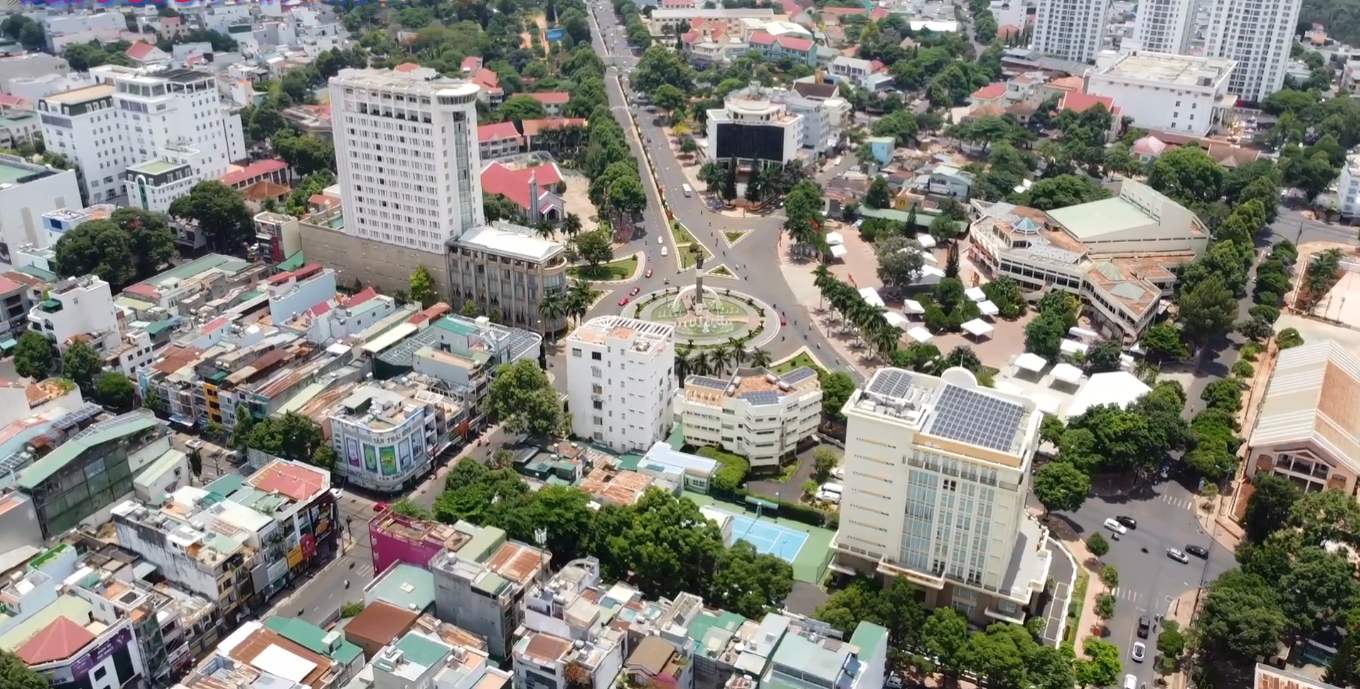
Coffee dominates everything here — this region produces over 90% of Vietnam's coffee exports, making it a genuine global commodity hub. Manufacturing and industrial production jumped 16.75% in 2022, while 1,500 new businesses registered (up 42.72% from 2021), creating opportunities in logistics, processing, and agricultural tech. The economy runs on coffee trading, food processing, and supporting industries, with retail sales hitting 100 trillion VND in 2022. English-speaking roles exist mainly in international coffee trading companies and manufacturing firms serving export markets.
Rent averages $320/month for a city center one-bedroom, significantly cheaper than Ho Chi Minh City or Hanoi. The airport connects directly to both major cities via Vietnam Airlines, VietJet, and Bamboo Airways, making it surprisingly accessible. Healthcare relies on provincial hospitals — adequate for routine care but serious cases often require transfer to Ho Chi Minh City. Vietnamese is essential for daily life; English works in coffee export businesses but nowhere else. Government bureaucracy moves at typical Vietnamese pace, though the growing business environment has streamlined some processes.
The 536-meter elevation delivers genuinely cooler temperatures than lowland Vietnam, with distinct wet and dry seasons that feel refreshing after sweltering coastal cities. Coffee culture runs deep — you'll find exceptional local roasters and plantation tours, but nightlife remains limited to local beer joints and karaoke. The expat community is tiny, mostly coffee industry professionals and a handful of digital nomads drawn by low costs. Weekends mean exploring nearby waterfalls, coffee farms, or ethnic minority villages in the surrounding highlands. This suits coffee industry professionals, budget-conscious remote workers who don't need urban amenities, and anyone seeking authentic Vietnamese highland living.