Processing Time
1 wk
Difficulty
Difficult
Duration
12 months
Overview
Vietnam labels this as a digital nomad visa in some English-language materials, but in practice it is the standard electronic visa (e‑visa) being used by remote workers. There is no publicly specified minimum monthly income, no minimum savings, and no investment requirement. The government fee for a single‑entry e‑visa is 25 USD, matching the official e‑visa portal; a multiple‑entry version can cost more, but that higher fee is not reflected in the 25 USD figure given in the program rules. With no disclosed income threshold, a remote worker or FIRE retiree living off ETF dividends, rental income, or Social Security can qualify as long as they satisfy the basic entry conditions and pay the fee.
The initial permit duration is 12 months and processing time is 0.7–1.4 weeks (as of 2026); renewal terms are not publicly specified in the program rules, even though external sites frequently quote 30–90 days and 2–4 working days processing. All that can be stated safely from the published data is that the visa’s duration is 12 months (as of 2026); renewability remains not publicly disclosed, and the processing time is 0.7–1.4 weeks (as of 2026). That makes this visa much less of a long‑term residency solution than, for example, Malaysia’s DE Rantau (12 months, renewable) or Thailand’s Long‑Term Resident visa (10 years), both of which publish firm timelines.
This status does not lead to permanent residency: the program explicitly state “Leads to PR: No,” and there are no disclosed timelines for years to permanent residency or to citizenship. There is also no published physical presence requirement or maximum consecutive absence period tied to this visa class. For someone planning a 10‑year stay, this means stringing together short stays, border runs, or switching to a different Vietnam visa type (such as a business, work, or investor visa) if they want a formal path to long‑term residence.
On the compliance side, paperwork friction is relatively light: no apostille, no FBI background check, no medical exam, and no interview are required according to the program rules, and there is no disclosed requirement for local health insurance or a local bank account. The bureaucracy score is 1 / 5, which reflects a streamlined online application and a single 25 USD payment but also an opaque framework where key parameters like processing time and duration are specified as 0.7–1.4 weeks and 12 months (as of 2026); renewal cost is not publicly specified here and must be inferred from other sources or experience.
Local employment is not permitted under this visa; the work & income section explicitly lists “Local Work Permitted: No.” There is no published cap on foreign income and no breakdown of which employment or income sources are allowed or recognized, including Social Security or pension income, so those streams sit entirely in the foreign sphere. This arrangement makes the visa operationally similar to using a tourist‑class e‑visa for remote work: you rely on non‑Vietnamese income while being barred from taking local jobs.
This setup makes the most sense if, for example, you earn 4,000–8,000 USD per month from a foreign employer or a brokerage account and want low‑friction, short‑term stays without committing to Vietnamese permanent residence. It is a poor fit if you need a clear, published 3–5 year track into permanent residency or citizenship, or if you plan to take salaried work from a Vietnamese company without upgrading to a proper work visa.
Eligibility Requirements
Any nationality can apply in principle for the Vietnam Digital Nomad Visa; the visa rules list nationality restrictions as “all,” and the official e‑visa system is open broadly. In practice, applicants from sanctioned or diplomatically sensitive states such as Iran, North Korea, Syria, and sometimes Russia or Cuba can encounter denials or banking and security checks that make approval far less predictable, even if not formally barred in law. Before assembling documents or paying the 25 USD fee, confirm current eligibility directly on the official Vietnam Immigration Department platforms, especially the electronic visa portal operated by the Cục Quản lý Xuất nhập cảnh (Immigration Department) under the Ministry of Public Security.
Duration
12 months
Requirements Checklist
0 of 19 documents in hand
0%These take the longest, so start them first.
Request these while the slow items are in progress.
You only need these on the day you submit.
How and where to apply
Apply online via Vietnam's official e-visa portal for tourist visas accessible to most nationalities. For business (DN) or investor (DT) visas, obtain sponsorship/approval letter first then apply at embassy/consulate or in-country immigration. E-visa holders can transition to longer visas with local guarantee post-arrival.
Tax Information
Local tax regime and what it means for you
Vietnam is categorized here as using a resident tax regime. In practice that means personal income tax depends on whether you are considered a Vietnamese tax resident or a non‑resident, not on your visa label. A resident is taxed on worldwide income, while a non‑resident is taxed only on Vietnam‑sourced income. For a digital nomad on this visa, foreign‑source salary from a US or EU employer, ETF dividends from a foreign brokerage, or rental income from property in Canada or Australia falls into the worldwide‑income bucket once you are resident.
Capital gains from selling foreign index funds or ETFs in a non‑Vietnamese brokerage account are, for residents, part of worldwide taxable income under this resident regime. The exact rates and calculation rules for such foreign portfolio gains can vary depending on how the gain is characterized, and Vietnam’s detailed brackets change periodically, so you should assume they are taxable as part of your global income once resident rather than exempt under any territorial treatment.
Tax residency in Vietnam generally hinges on physical presence, with 183 days in a tax year a common reference point; however, Vietnam's threshold is 183 days in a calendar year or 12 consecutive months from arrival, though this visa itself does not impose a separate automatic trigger. Practically, if you string together stays that exceed roughly six months in a year, the authorities can treat you as a tax resident, but Vietnam does not spell out a separate registration step tied specifically to this visa.
Once resident, you can expect standard obligations: obtaining a tax ID, registering with the local tax office through an employer or on your own, and filing annual returns that report worldwide income, including foreign dividends and business profits. Specific filing deadlines, registration procedures, and first‑year requirements vary by locality, so you should obtain current guidance locally.
There is no US-Vietnam tax treaty. That means there is no treaty addressing Social Security, dividends, or interest. Without a treaty, US‑source pensions, Social Security, and portfolio income could be fully taxable in both jurisdictions, with relief available only through US domestic mechanisms such as foreign tax credits rather than through treaty‑based exemptions.
For US Citizens and Green Card Holders
US citizens and green card holders on the Vietnam Digital Nomad Visa remain fully subject to US tax on worldwide income regardless of the local resident regime. Foreign Earned Income Exclusion (FEIE) on Form 2555 can shield up to 132,900 USD of earned income in 2026 (salary, self‑employment, consulting from foreign clients or employers). It does nothing for passive streams such as ETF dividends, capital gains, US rental income, pension distributions, or Social Security, which remain fully taxable. Given this visa’s undefined duration and absence of a formal long‑term residence path, the Physical Presence Test (330 full days outside the US in any 12‑month period, including days in Vietnam and other countries) is the more reliable FEIE route than the Bona Fide Residence Test.
Foreign Tax Credit (FTC) via Form 1116 becomes relevant if you are treated as a Vietnamese tax resident and Vietnam actually taxes your income. If Vietnam taxes your foreign salary or business income at effective rates similar to or higher than US rates, FTCs can offset US liability on the same income. If your effective Vietnamese rate on foreign income is low or zero in practice (for example, because you never cross the 183‑day presence line), FTCs will not help much, since there will be few or no Vietnamese taxes to credit.
FBAR (FinCEN 114) kicks in if your combined balance in non‑US financial accounts exceeds 10,000 USD at any point during the calendar year. That threshold applies even though this visa does not require a local Vietnamese bank account according to the visa rules; many nomads open one for convenience and suddenly cross the FBAR line once you add Wise, Revolut, and foreign brokerages. You may also need to file FATCA Form 8938, with higher thresholds but overlapping disclosure.
For this visa, you need two types of professional help: a US CPA specializing in expat taxation to handle FEIE vs. FTC, FBAR, and FATCA positioning, and a Vietnamese tax advisor who understands expat filings and how tax residency is determined in practice. The 1,500–3,000 USD spent in year one on that combination usually pays for itself through correctly structured elections, avoidance of FBAR penalties (statutory maximum around 16,700 USD per violation as of 2026), and preventing accidental worldwide taxation in both systems without offsets.
Living in Vietnam
COL Index vs NYC
26.6
Monthly Cost (excl. rent)
$431
1BR Rent (City Center)
$401
Safety Index
59.2
Healthcare Index
61.3
Quality of Life Index
95.8
Time Zone
UTC+07:00
Capital
Hanoi
Population
97.3M
Official Languages
Vietnamese
Avg Internet Speed
343 Mbps
Public Transit Quality
Good
With a budget covering rent and living costs, you'd need roughly $832/mo for a comfortable single-person lifestyle in Vietnam.See how far your money goes →
🏙️ Best Cities in Vietnam for Digital Nomads
 66
66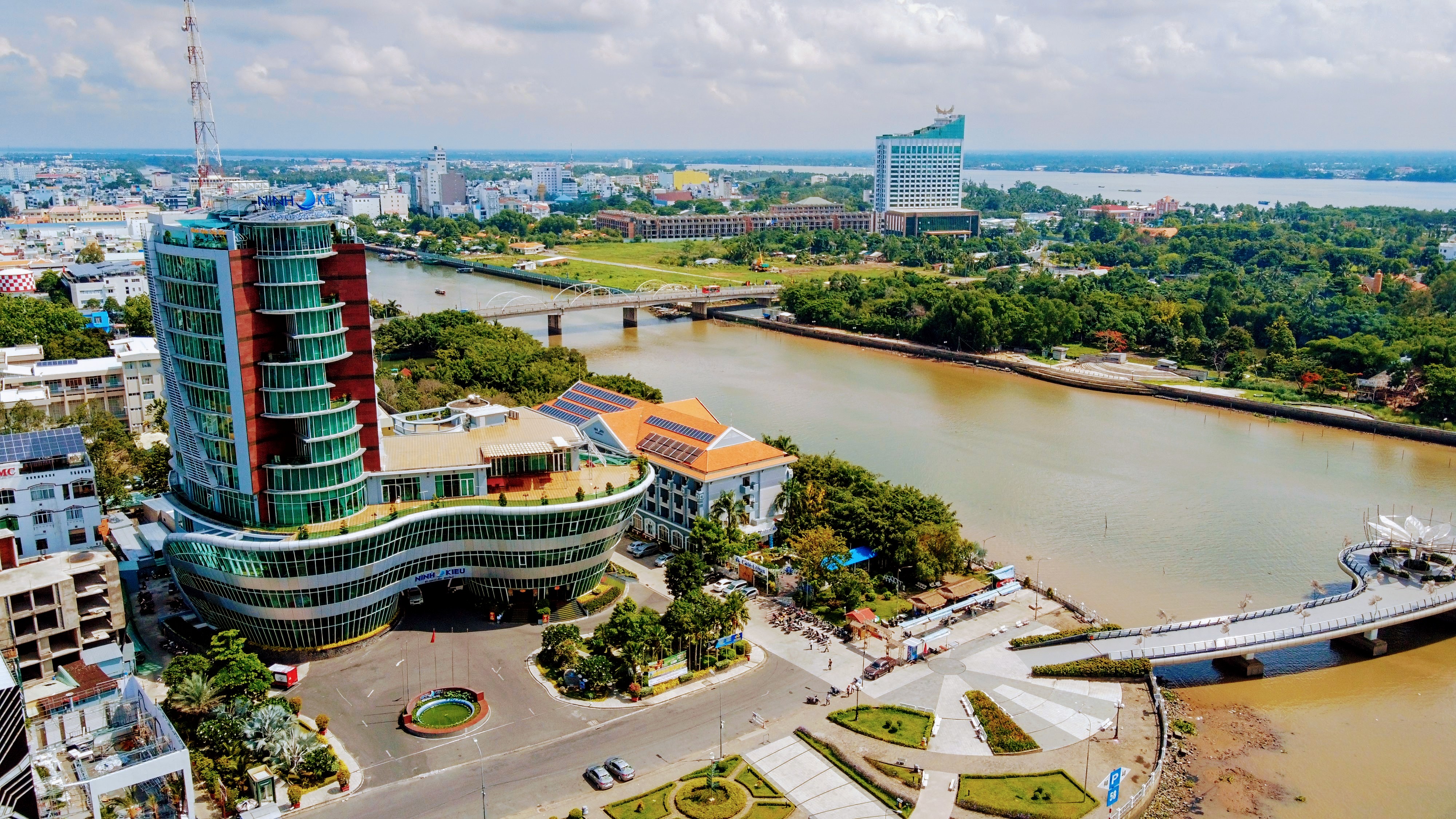 72
72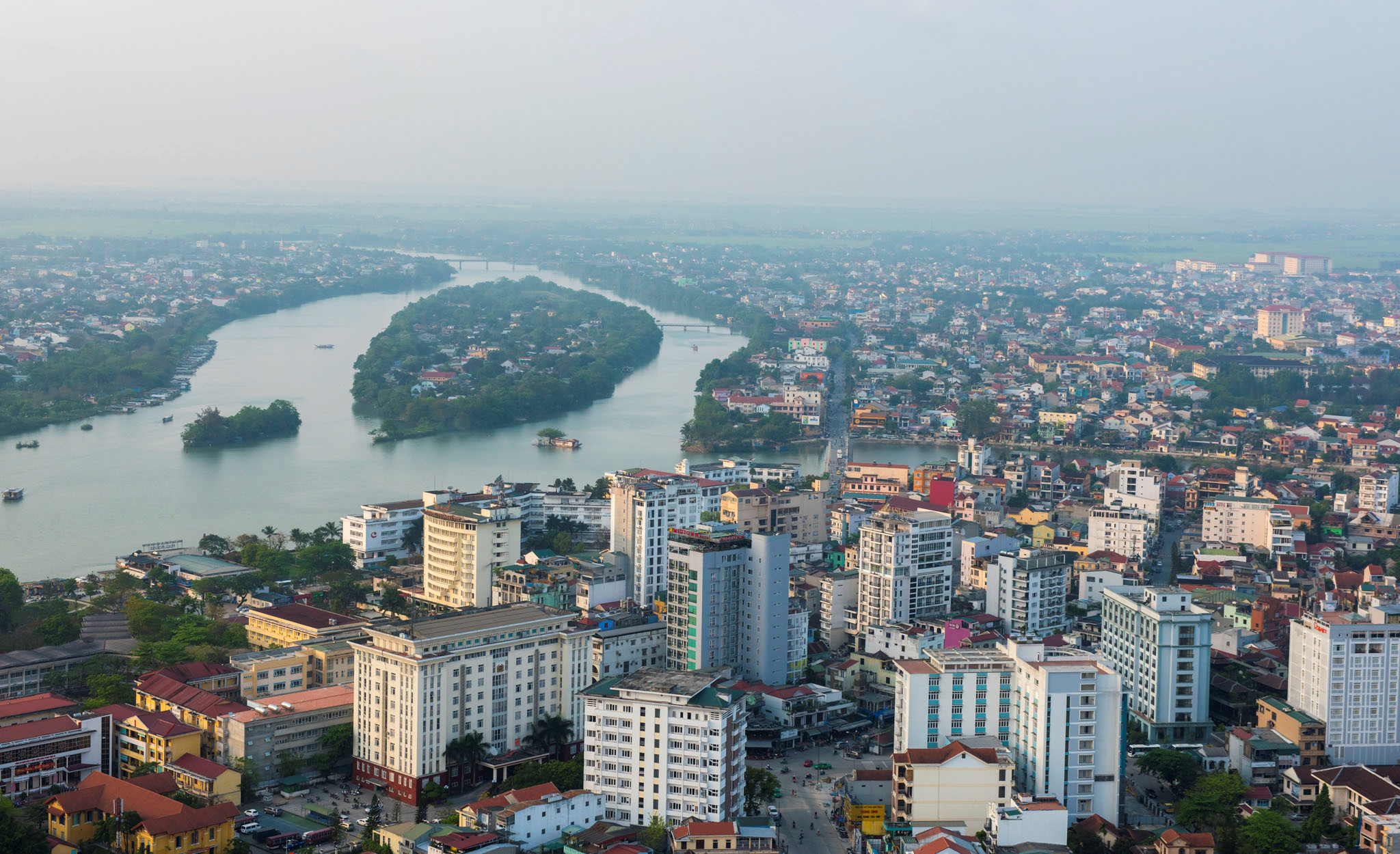 68
68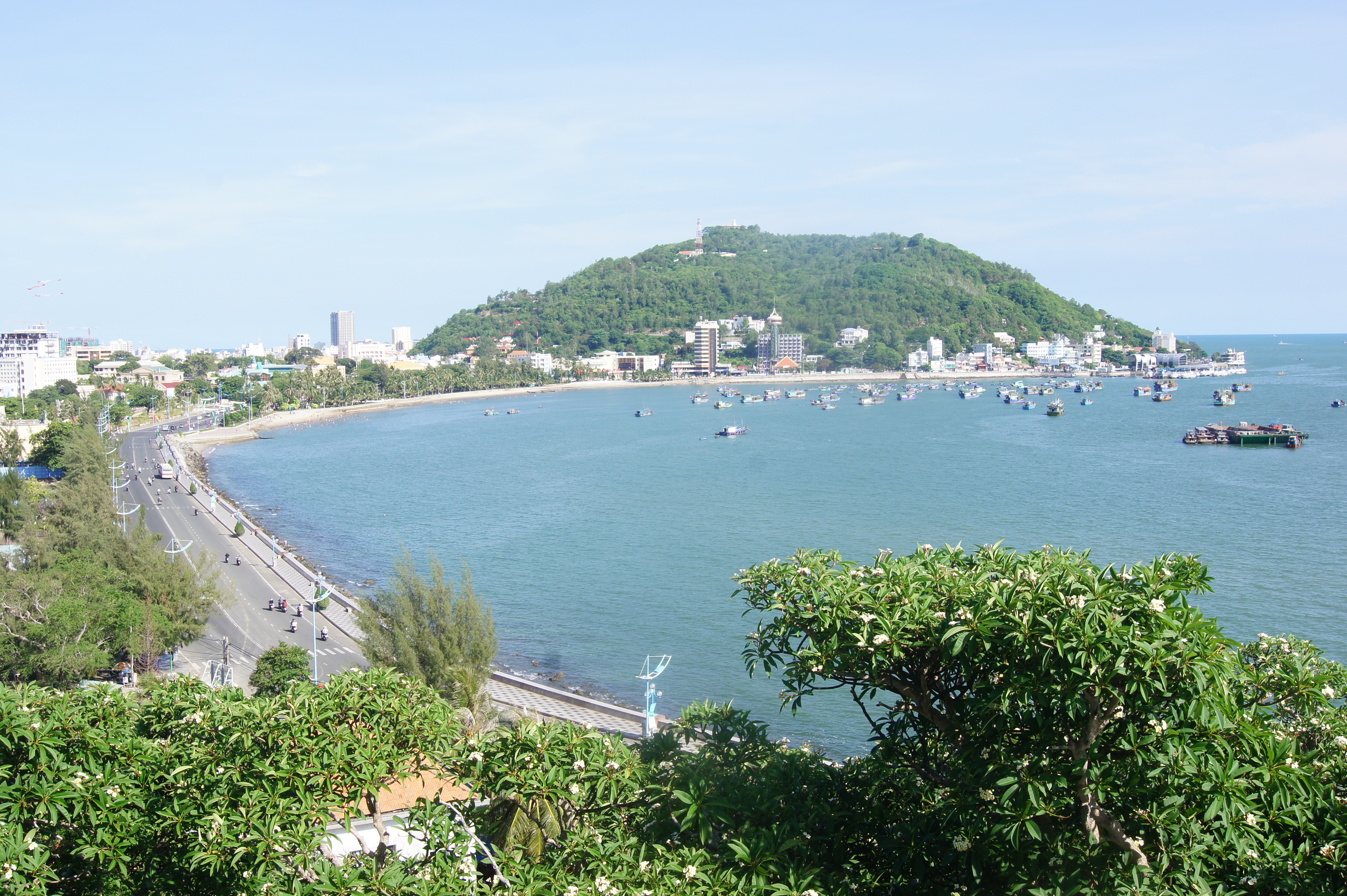 67
67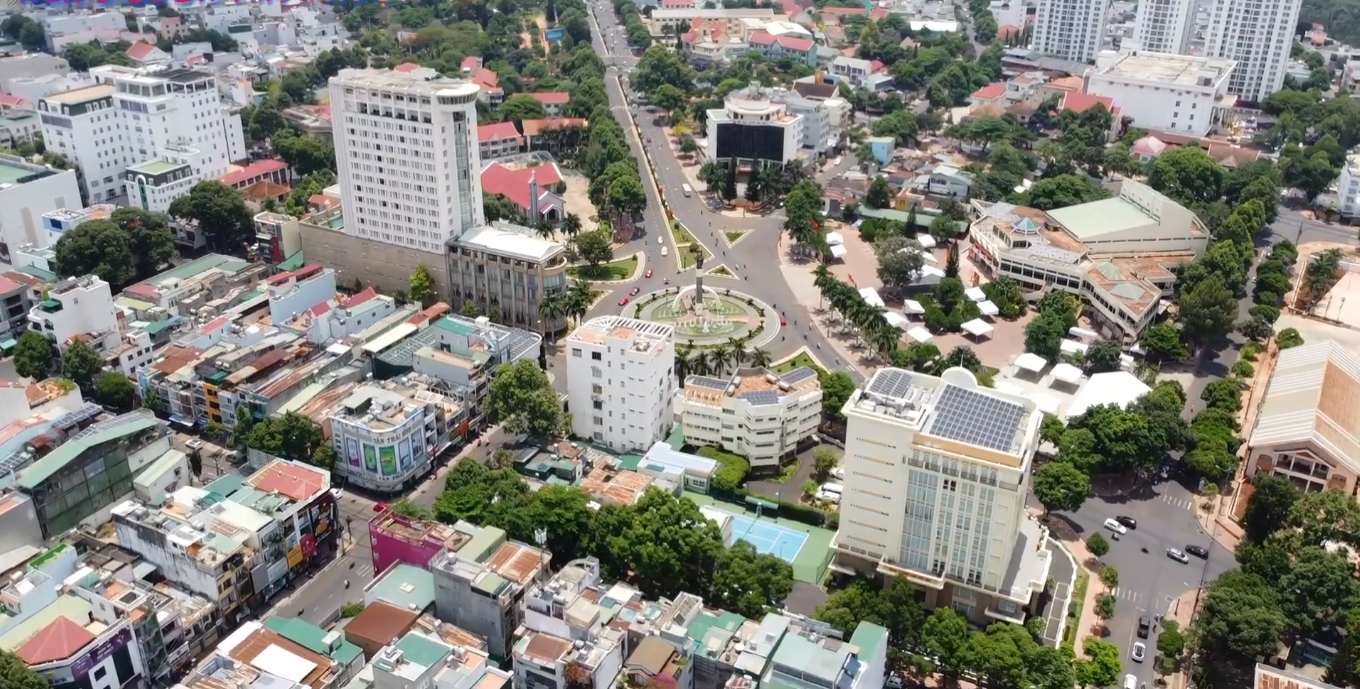 64
64 74
74The housing requirement and how people get it wrong
An accommodation booking is required to file, and most applicants treat it as a box to check, booking one night in a hotel or a short Airbnb stint and moving on. That's fine for getting the visa issued. It becomes a problem the moment you try to do anything that requires a longer-term address, arranging a local guarantee for a subsequent visa, opening certain bank accounts, or registering a lease that a landlord is willing to put their name to.
The mismatch shows up like this: your visa file shows a five-night hotel stay in District 1, but three months in you need a landlord to co-sign paperwork for a longer-stay route, and that landlord wants to see a tenancy history that doesn't exist yet. Vietnamese landlords renting to foreigners are often cautious about anything that pulls them into immigration paperwork, and a short-term booking history gives them nothing to work with.
The fix is sequencing, not extra documentation. Book something short and verifiable to file the visa, then move quickly, within the first few weeks, into a longer lease with a landlord who understands they may eventually be asked to confirm your residence for a guarantee. Don't wait until you're deep into your stay to have that conversation, because by then you're also juggling renewal timing, and landlords who feel rushed tend to say no rather than figure it out with you.
What happens after you land
The entry point for most applicants is the e-visa, which is fast to get and cheap, and that speed is a little deceptive. It solves entry, not stay. The path from there runs through obtaining a local guarantee to move onto a longer visa category, typically tied to a business or investor sponsorship structure, which means finding an entity in Vietnam willing to serve as your sponsor before that transition can happen.
This is the step people underestimate. Getting the e-visa takes under two weeks. Lining up a sponsor who will put their name behind your longer stay takes real relationship-building, and it isn't something you can shop for the week before your initial visa expires. If your plan is to stay past the initial period, start that conversation as soon as you land, not as your first stamp nears its end. Waiting means you're negotiating from a position of urgency, which sponsors notice and price accordingly, sometimes literally.
It's also worth being honest with yourself about what this route is. It's not a unified single-application system the way some newer nomad visas elsewhere are built. It's a layering of existing tourist and business visa mechanics, and every extension or conversion step depends on the guarantee holding up, which means your fate is partly tied to the reliability of whoever agrees to sponsor you.
The long-term path, on paper versus in practice
This visa doesn't lead anywhere permanent. There's no residency track attached to it, and the twelve-month duration with renewal built in is the ceiling, not a stepping stone. On paper that reads as a minor detail. In practice it means you're planning your life in Vietnam in twelve-month increments indefinitely, and every renewal cycle carries the same underlying risk as the first application, income documentation, a working accommodation history, a sponsor relationship if you've moved past the e-visa stage.
For someone testing out a year abroad, this is a non-issue. For a family bringing dependents along, and dependents are permitted on this visa, the renewal cycle becomes a household planning problem rather than a personal one. School enrollment, lease terms, and even some banking relationships tend to run on assumptions of stability that a rolling twelve-month permit doesn't really offer. None of this shows up as a rejection risk. It shows up two or three years in, when you realize you've built a life around a visa category that was never designed to hold one.
The call against the obvious alternative
The country most people weigh this against is Thailand, and the honest answer is that Vietnam wins on cost and speed, and loses on architecture. Getting into Vietnam is cheap and quick, the fee is nominal and processing runs under two weeks in most cases, and the income bar is low enough that almost anyone earning a stable remote income clears it without effort. What you give up is a coherent, purpose-built long-stay system. Vietnam's version is stitched together from tourist and business visa law, which means every extension depends on relationships and paperwork that weren't originally designed with remote workers in mind.
If your priority is getting somewhere fast and cheap for a year, without much concern for what happens after that year, Vietnam's mechanics don't need to bother you. If you're thinking three or four years out, toward some kind of stable footing rather than a rolling series of renewals, it's worth being clear-eyed that this visa was never built to get you there, and no amount of careful paperwork changes that basic fact.
Work Permissions
Application Steps
- 1
📋 Research visa alternatives
1-2 days
- 2
📋 Verify passport validity
Same day
- 3
📄 Gather basic documents
1-3 days
- 4
📬 Apply for e-visa online
3-5 days
- 5
⏳ Await e-visa approval
3-7 days
- 6
🏛️ Enter Vietnam and register
1-2 days
- 7
🏛️ Plan extensions or renewals
1-4 weeks
Planning a long stay? Compare international health plans for Vietnam.
Compare health insuranceWe may earn a commission at no cost to you.
Compare this visa
Curated comparisons that include this route.
Frequently Asked Questions
Click any question to expand the answer.
Ready to Apply?
Work with trusted visa specialists who handle the paperwork so you can focus on your move.
Get help with this visa →* We may earn a commission if you apply through our link
At a Glance
Last verified: October 9, 2026