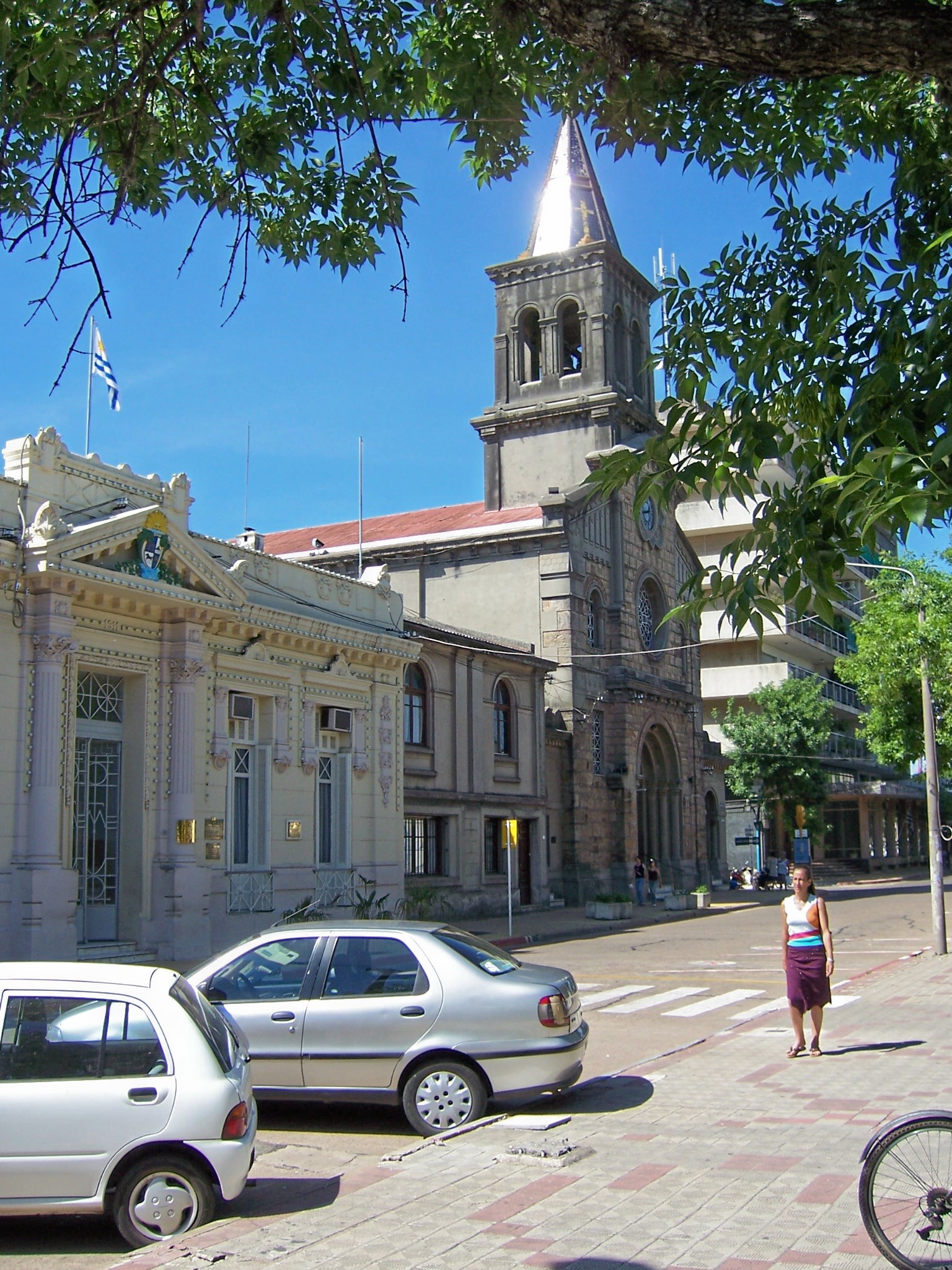
Agriculture and livestock dominate the local economy—cattle ranching, dairy farming, and grain production sustain the region and most employment. Tacuarembó functions as the commercial hub for the department, with Route 5 running through it as a major transport corridor. Job opportunities for expats are limited unless you're in agriculture, remote work, or starting a business; most residents work in farming, retail, or government services. This is not a place to find employment—it's a place to work remotely or retire.
Rent runs $350/month for a one-bedroom in the city center, making it genuinely cheap. Healthcare is basic but functional; serious issues require travel to Montevideo (5 hours south). Spanish is essential—English is rare outside tourism contexts. Bureaucracy for residency is standard Uruguayan red tape, manageable but slow. Transport relies on buses and personal vehicles; no metro or taxis are abundant. Internet is reliable enough for remote work.
Summers are warm and humid, winters cool with frost; rain is steady year-round. Food is meat-heavy and good if you eat beef; vegetarian options exist but aren't the focus. The Fiesta de la Patria Gaucha (annual gaucho festival) brings cultural energy, but weekends otherwise mean quiet countryside, hiking, or day trips to nearby towns. The expat community is tiny—you'll be one of very few foreigners. Tacuarembó suits remote workers seeking extreme affordability, rural peace, and cultural authenticity over nightlife or expat infrastructure.
Estimate the cost of moving to Tacuarembo, Uruguay
Get a free moving cost estimate for moving to Tacuarembo, Uruguay. Takes 10 seconds.
How much are you shipping?
When are you moving?
Powered by Sirelo. Free quotes from international movers.
🏚️ Cost of Living
A 1BR in the center runs about $298.97/mo. If your income is in another currency, bank FX fees add up. A multi-currency account can cut that cost.
Tacuarembo is genuinely safe for daily life, with a relaxed, small-town atmosphere that feels secure even after dark. You can walk most neighborhoods without significant concern, and locals are accustomed to seeing foreigners. The city lacks the urban crime pressures of Montevideo, making it feel noticeably calmer. However, it's still a real town—not a resort—so standard urban awareness applies.
Petty theft and opportunistic crime are the main concerns rather than violent offenses. Avoid displaying expensive electronics, jewelry, or large cash amounts in public. The outskirts and certain blocks near the bus terminal warrant extra caution at night. Solo female travelers report feeling safe overall, though standard precautions (avoiding isolated areas after dark, using registered taxis) are sensible. Scams targeting expats are uncommon here.
Uruguay has strong institutional stability, low corruption, and reliable police compared to regional neighbors. Tacuarembo specifically has minimal political tension or protest activity. The main risk is petty crime rather than systemic instability. For an American considering relocation, this is a genuinely low-risk option—safer than most mid-sized U.S. cities. It's ideal for those seeking a quiet, stable environment without sacrificing security.
🏥 Healthcare
Fair
Public Hospitals
Yes
Private Clinics
No
English-Speaking Doctors
Limited
See how Tacuarembo's healthcare compares with Artigas
🌤️ Climate
Climate Zones
Subtropical
Summer Temp
26°C
Winter Temp
12°C
Humidity
72%
Air Quality Index
35
Annual Rainfall
1265 mm
Best Months
AprMaySepOct
Climate Notes
Tacuarembó has a temperate subtropical climate with warm, humid summers (December–February) and mild winters (June–August), featuring moderate rainfall year-round and occasional cold fronts from the south.
💻 Digital Nomad
Avg Internet Speed
25.3 Mbps
Internet (monthly)
$45/mo
Coworking Availability
Limited
Coworking Spaces Nearby
0
Digital Nomad Score
59/100
Community Notes
Tacuarembo offers a quiet environment for remote work but lacks robust nomad infrastructure.
Located in the heart of Tacuarembó, this coworking space offers a collaborative environment with modern amenities. It's a great option for expats looking for a professional workspace with a local feel.
A smaller, community-focused coworking space in Tacuarembó. Offers a more intimate setting, ideal for those who prefer a quieter workspace and enjoy networking with local professionals.
See how Tacuarembo's digital nomad life compares with Artigas
🧳 Expat Life
English Proficiency
Limited
Expat Community
Very Few
Top Neighborhoods
Centro
Banks Nearby
5
ATMs Nearby
4
Expat Life Notes
The heart of Gaucho culture in Uruguay. Quiet, safe, and very traditional.
Pros
✓ Safe and stable
✓ Low cost for expats
✓ Authentic culture
Cons
✗ Requires Spanish
✗ Quiet social life
✗ Very isolated
🏘️ Neighborhoods in Tacuarembo
Areas of Tacuarembo that expats often consider.
Conditions can change from one block to the next, and these descriptions are general guides, not safety assessments. Before choosing where to stay or live, check current travel advisories, talk to people who live there, and visit in person if you can.
Centro
Bustling commercial and civic heart
The city center is where you'll find most shops, restaurants, and services. It's generally walkable, but can be noisy during the day. Many older buildings are being renovated, offering a mix of traditional and modern living spaces. While convenient, expect higher prices and more activity than quieter residential areas.
Barrio Ferrocarril
Quiet, residential, historic railway area
Once a thriving area connected to the railway, this neighborhood offers a more laid-back atmosphere. Housing is generally more affordable, with many older homes. While not as centrally located, it provides a glimpse into Tacuarembó's past and a quieter pace of life. Spanish language skills are helpful here.
Barrio Artigas
Family-friendly, residential, established community
A well-established residential area with a mix of houses and apartments. It's known for its community feel and proximity to schools and parks. While not a tourist hotspot, it offers a genuine Uruguayan living experience. Public transport is available, but a car can be useful.
La Estación
Up-and-coming, revitalizing, convenient location
Located near the bus terminal, this area is experiencing some revitalization. It offers easy access to transportation and is becoming increasingly popular with younger residents. While still developing, it presents a good balance of convenience and affordability. Expect some construction and ongoing improvements.
Barrio Montevideo
Affordable, local, residential neighborhood
A more budget-friendly option further from the city center. It's a predominantly residential area with a strong local feel. While not as polished as other neighborhoods, it offers a more authentic Uruguayan experience. Public transport is essential for getting around.
Page 1 of 2
Could living/working in Tacuarembo cut years off your work life?
With a 1-bedroom in the center at $299/mo, your FIRE number here might be much lower than you think.
Tacuarembo has a population of approximately 54,755 people.
A single person can expect to spend around $747 per month in Tacuarembo, including rent. A 1-bedroom apartment in the city center costs approximately $299/month.
The nearest airport to Tacuarembo is PDP, approximately 357km away.
Tacuarembo is considered relatively safe, with a safety index of 75.0. As with any city abroad, expats should research specific neighborhoods before committing to a location.
Tacuarembo has an average internet speed of 25.3 Mbps. It is not yet considered a well-established digital nomad destination.
Yes. Rent for a one-bedroom in the city center averages $297/month, and internet speed at 25.3 Mbps is sufficient for remote work. However, accommodation options are limited compared to larger cities, so book ahead or arrive with flexibility.
Residency follows standard Uruguayan procedures, not uniquely difficult but bureaucratic and slow. You need proof of income (typically $1,500+/month for pensioner visa) and patience. The cost of living here is low at $480/month for one person excluding rent, so your income requirements may be manageable.
No—the expat community is tiny. Social life revolves around locals, agriculture, and the annual Fiesta de la Gaucha festival. Expect quiet weekends, outdoor activities, and limited nightlife. It suits people seeking solitude and rural culture, not expat networking.
Tacuarembó has a humid subtropical climate with four distinct seasons. Expect hot, humid summers (December-February) and mild winters (June-August), so pack accordingly with layers and rain gear, as rainfall is fairly consistent throughout the year.
Tacuarembó is generally considered a safe city with low levels of violent crime compared to larger urban centers. Petty theft can occur, so it's wise to take precautions like not displaying valuables and being aware of your surroundings, especially at night.
For longer stays, Americans typically pursue residency through investment, real estate purchase, or proving sufficient passive income. A temporary residency visa is usually the first step, followed by applying for permanent residency after meeting the requirements, which can take several months to process.
Healthcare in Tacuarembó is rated Fair, not good. The city's overall score is 82, but English proficiency is limited, so finding English-speaking doctors is challenging.
Tacuarembó is a relatively small city, making it easy to get around by bus, taxi, or even walking. Local buses are frequent and affordable, and taxis are readily available. Renting a car is also an option for exploring the surrounding countryside.
Barrio Centro, near the main plaza, is a popular choice for its central location and amenities. Other good options include areas near the Parque Batlle or closer to the river, offering a quieter, more residential atmosphere, depending on your preferences and budget.
Internet connectivity in Tacuarembó is generally reliable, with decent speeds suitable for most remote work tasks. You can expect speeds sufficient for video calls and online meetings, but it's always wise to check with your specific provider for guaranteed speeds in your area.
Yes, you'll find ATMs connected to international networks like Visa and Mastercard throughout Tacuarembó, especially in the city center. Be aware of potential ATM fees charged by both your bank and the local ATM, and consider using a travel credit card with no foreign transaction fees.
Tacuarembó offers a relaxed and slower pace of life compared to larger cities. It's a place where you can enjoy a more tranquil existence, appreciate the natural surroundings, and connect with the local culture without the hustle and bustle of a major metropolitan area.
Your US Social Security or pension income will stretch significantly further in Tacuarembó than in the United States. The lower cost of living, especially for housing and groceries, allows retirees to live comfortably on a modest fixed income.
Be sure to try the traditional Uruguayan asado (barbecue), chivito (steak sandwich), and empanadas. Popular restaurants include Parrilla La Rueda and Restaurant El Galpón, offering authentic local cuisine at reasonable prices.
As a US citizen, you're still required to file US taxes even when living abroad. The Foreign Earned Income Exclusion (FEIE) and Foreign Tax Credit can help reduce your tax burden, but it's best to consult with a tax professional specializing in expat taxes to ensure compliance and optimize your tax situation.
Yes, Tacuarembó is absolutely viable for early retirement on a $2000/month budget, and you could live quite comfortably. With careful budgeting, you can cover housing, food, healthcare, and leisure activities while still having some room for savings or travel.
Cost-of-living and visa updates for Tacuarembo and the rest of Uruguay. Free with RA Postcards.
By submitting your email address, you will receive a free subscription to RA Postcards and special offers from Rewire Abroad and our affiliates. You can unsubscribe at any time, and we encourage you to read more about our Privacy Policy.