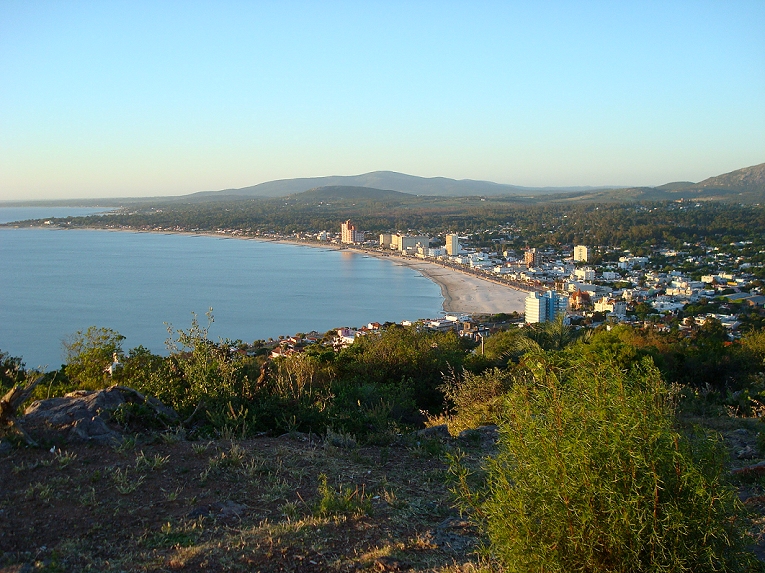
Piriapolis, Uruguay Hero Image
Wikipedia Contributor, CC BY-SA

Piriapolis, Uruguay

🌊 Coastal

Data updated Oct 8, 2026

Follows Uruguay Residency Rules. Check Digital Nomad & Retiree Pathways →

📊 Scores

83
FIRE
63
Retiree
62
Digital Nomad

Best fit: FIRE / Geoarbitrage (score: 81)

Piriapolis sits on Uruguay's southern coast, about 17 kilometers from the nearest airport, at an elevation of 36 meters above sea level. The climate is subtropical, which means mild winters and warm summers, a rhythm that suits a town of roughly 9 thousand people. Expats tend to settle near the waterfront and the central grid, where daily life, from bakeries to the rambla, is within easy walking distance. The town's compact scale makes it easy to get a feel for the place within a few days, and the slower pace is part of its appeal.

Living costs here are modest compared to regional hubs, though local wages are also modest. A single adult can manage on a budget tier of $699/mo, which includes rent, while a mid-range lifestyle runs about $1,140/mo, and a comfortable tier comes to $1,540/mo. Rent for a one-bedroom in the city center averages $723/mo, dropping to $498/mo outside the center; a three-bedroom in the center runs $1,246/mo, or $872/mo further out. Utilities add $92/mo, internet $33/mo, and a mobile plan $21/mo. A monthly public transport pass costs $42/mo, a gym membership $87/mo, and an inexpensive restaurant meal runs $15, while a three-course meal for two at a mid-range spot is $69. The average monthly net salary locally is $1,249/mo, so most residents watch their spending, but the numbers work for those with remote income or savings.

Safety is a strong point, with a safety index of 78/100 and a crime index of 22/100, where lower is safer. Healthcare quality is rated fair, and the air quality index is 35, which is good for outdoor activities. English proficiency is limited, so learning some Spanish goes a long way, especially for navigating medical appointments or everyday errands. The town feels secure for solo travelers and families alike, though the fair healthcare rating means some expats plan for more complex needs in larger cities.

For longer stays, Uruguay offers the Retirement Visa and the Digital Nomad Permit. The Retirement Visa requires a minimum monthly income of $1,500/mo, while the Digital Nomad Permit suits remote workers. Getting to Piriapolis is straightforward via the nearest airport, which is about 17 kilometers away. The overall expat score is 81/100, with a FIRE score of 83/100, making it a strong pick for early retirees and those pursuing financial independence, while the retiree score of 63/100 and digital nomad score of 62/100 suggest it is a quieter, more laid-back base rather than a buzzing hub.
Estimate the cost of moving to Piriapolis, Uruguay

Get a free moving cost estimate for moving to Piriapolis, Uruguay. Takes 10 seconds.

How much are you shipping?

When are you moving?

Powered by Sirelo. Free quotes from international movers.

🏚️ Cost of Living

💰 Budgets and Costs

$1,232/mo, one person, rent included
Selected: mid-range lifestyle

Piriapolis on a mid-range budget comes to about $1,232 a month for one adult, with $498 of that going to rent. Beyond rent the estimate covers $232 on groceries, $150 on dining out, $164 on entertainment and lifestyle, $146 on utilities and connectivity and $42.00 on transport.

Rent

$498/mo

1BR outside the centre

Groceries

$232/mo

Staples basket scaled to a full month

Dining out

$150/mo

10 inexpensive meals

Entertainment & lifestyle

$164/mo

gym, 2 cinema trips, 12 cappuccinos

Utilities & connectivity

$146/mo

utilities, mobile, internet

Transport

$42.00/mo

Monthly pass

Budgets (excl. rent)

Single person$734/mo

Excludes rent. The total above is all-in, rent included.

Estimates for one adult, built from this city's average prices and the usage shown for each tier. Your spending will differ with how often you eat out and where you live.

A 1BR in the center runs about $722.5/mo. If your income is in another currency, bank FX fees add up. A multi-currency account can cut that cost.

See low-fee transfers

We may earn a commission at no cost to you.

See how Piriapolis's cost of living compares with Las Piedras

Be the first to report costs in Piriapolis

Share

🛡️ Safety & Crime

78
Safety Index

(Higher is safer)

22
Crime Index

(Lower is safer)

Piriapolis is genuinely safe for daily life, with a relaxed, small-town atmosphere that feels secure even after dark. The beachside resort character means regular foot traffic and a visible police presence. Expats report comfortable walkability at night in central areas, though like any coastal town, awareness of surroundings remains sensible. The safety index of 78 reflects a real, lived experience rather than inflated perception.

Petty theft and opportunistic crime are the main concerns—unattended bags on beaches, car break-ins, and pickpocketing in crowded areas during summer season. Avoid displaying expensive jewelry or electronics. The old town and port areas warrant extra caution after midnight. Solo female travelers report feeling safe overall, though standard precautions apply. Violent crime is rare and not a realistic concern for residents.

Uruguay has stable governance, low corruption, and reliable police compared to regional neighbors. Piriapolis specifically benefits from being a wealthy, established resort town with minimal political tension. No significant geopolitical risks affect daily life. For an American considering relocation, this is one of South America's genuinely safe options—suitable for remote workers and retirees seeking a quiet, secure coastal lifestyle without the paranoia required in larger cities.

🏥 Healthcare

Fair
Public Hospitals
Yes
Private Clinics
Yes
English-Speaking Doctors
Limited

See how Piriapolis's healthcare compares with Las Piedras

🌤️ Climate

Climate Zones
Subtropical
Summer Temp
24°C
Winter Temp
11°C
Humidity
72%
Air Quality Index
35
Annual Rainfall
1006 mm

Best Months

AprMaySepOct

Climate Notes

Piriapolis enjoys a temperate oceanic climate with mild summers (December-February) and cool winters (June-August), featuring moderate rainfall year-round and Atlantic breezes that keep humidity relatively high.

💻 Digital Nomad

Avg Internet Speed
25 Mbps
Internet (monthly)
$33/mo
Coworking Availability
Limited
Coworking Spaces Nearby
0
Digital Nomad Score
62/100

Community Notes

Piriapolis offers beautiful coastal landscapes, drawing a small but vibrant nomad community.

Coworking Spaces

NameNotes
Cowork PiriápolisA local coworking space in central Piriápolis, offering a friendly atmosphere and essential amenities for remote work. It's a good option for those seeking a community vibe and local connections.
Espacio Serrana CoworkLocated in a calm area of Piriápolis, this coworking provides a relaxing environment with mountain views. It's suitable for digital nomads who appreciate a quiet workspace away from the bustling city center.

Names, locations and hours can change. Check each space's website before you visit. Places from © OpenStreetMap contributors and Foursquare Open Source Places (Apache 2.0).

Working remotely from Piriapolis? Nomad health insurance covers you across borders, month to month.

See nomad insurance

We may earn a commission at no cost to you.

See how Piriapolis's digital nomad life compares with Las Piedras

🧳 Expat Life

English Proficiency
Limited
Expat Community
medium
Banks Nearby
2
ATMs Nearby
2

🏘️ Neighborhoods in Piriapolis

Areas of Piriapolis that expats often consider.

Conditions can change from one block to the next, and these descriptions are general guides, not safety assessments. Before choosing where to stay or live, check current travel advisories, talk to people who live there, and visit in person if you can.

Centro

Bustling heart of Piriapolis

The city center is where you'll find most shops, restaurants, and services. It's walkable and convenient, but can be noisy, especially during peak season. Many expats choose Centro for its accessibility and social life, but prices can be slightly higher than in quieter areas.

Playa Grande

Beachfront living, relaxed atmosphere

Located along the main beach, Playa Grande offers stunning ocean views and easy access to the sand. It's a popular area for tourists and expats alike, with a good selection of apartments and houses. Expect higher prices and more crowds during the summer months.

Cerro San Antonio

Panoramic views, tranquil residential

This hillside neighborhood offers breathtaking panoramic views of the city and coastline. It's a quieter, more residential area, ideal for those seeking peace and tranquility. While beautiful, it requires a car or reliance on taxis due to the steep inclines and distance from the city center. Spanish is essential here.

La Rinconada

Quiet residential, family-friendly vibe

A more local and less touristy area, La Rinconada offers a relaxed atmosphere and a sense of community. It's a good option for those seeking a more authentic Uruguayan experience. While affordable, it's further from the main attractions and requires some Spanish language skills.

Page 1 of 2

Could living/working in Piriapolis cut years off your work life?

With a 1-bedroom in the center at $723/mo, your FIRE number here might be much lower than you think.

Calculate My FIRE Date →

🛂 Visa Options for Uruguay

Many long-stay visas require proof of health insurance. Compare international health plans before you apply.

Compare health insurance

We may earn a commission at no cost to you.

🛂

Earning over $1,500/mo? You may qualify for a Uruguay visa.

Answer 11 questions and get a personalized match in under 2 minutes.

Find My Visa →

More Cities to Consider instead of Piriapolis

FAQ

Frequently Asked Questions about Piriapolis

Click any question to expand the answer.

Piriapolis has a population of approximately 8,830 people.
A single person can expect to spend around $1,806 per month in Piriapolis, including rent. A 1-bedroom apartment in the city center costs approximately $723/month.
The nearest airport to Piriapolis is PDP, approximately 17.1km away.
Piriapolis is considered relatively safe, with a safety index of 78.0. As with any city abroad, expats should research specific neighborhoods before committing to a location.
Piriapolis has an average internet speed of 25 Mbps. It is considered a well-established digital nomad destination.
The current data does not specify local employment opportunities. However, the monthly cost of living for one person without rent is $650, and a 1BR apartment in the city center costs $718.80 per month, so remote income or savings is often needed to cover expenses.
Safety index is 78—reasonably safe. Petty theft happens in tourist areas during summer; violent crime is rare. The small, established community means locals recognize outsiders. Standard precautions apply: don't flash valuables, avoid isolated areas at night.
The expat community is tiny and transient—mostly seasonal tourists, not permanent settlers. Off-season (March–November) can feel genuinely quiet. If you need active social scenes, Punta del Este (40km) or Montevideo (100km) are better bets. Piriápolis suits introverts or couples seeking solitude.
Piriápolis has a subtropical climate with mild winters and warm summers. The city's overall score is 81, reflecting its livability. Pack light clothes for summer and layers for cooler periods, and bring rain gear year-round.
While Spanish is essential, some doctors and dentists in Piriápolis have limited English proficiency. For more comprehensive English-speaking medical care, many expats travel to Maldonado or Montevideo, where you'll find more options.
Uruguay offers several visa options, including a tourist visa (up to 90 days), a temporary residency visa (for work or study), and a permanent residency visa. The most common path for retirees is proving sufficient passive income, such as Social Security or pension payments.
Internet service in Piriápolis is generally reliable, with fiber optic options available in many areas. Expect speeds sufficient for video conferencing and other remote work tasks, but it's always wise to confirm the specific speed and reliability with your chosen provider before committing.
Piriápolis is a walkable town, especially the central area along the Rambla. Local buses are affordable and connect Piriápolis to nearby towns like Maldonado and Punta del Este. Taxis and ride-sharing services are also available.
Piriápolis is generally considered safe, even at night, especially in well-lit and populated areas like the Rambla. However, like any city, it's wise to be aware of your surroundings and avoid walking alone in poorly lit or isolated areas.
As a US citizen, you're still required to file US taxes even when living abroad. The Foreign Earned Income Exclusion (FEIE) can help you exclude a certain amount of your foreign-earned income from US taxes. Also, be aware of FBAR and FATCA reporting requirements for foreign bank accounts.
Opening a bank account in Uruguay can be challenging for foreigners, requiring documentation such as proof of residency, income statements, and a Uruguayan tax ID (RUT). Some banks are more foreigner-friendly than others, so it's worth researching your options.
Piriápolis offers a variety of dining options. For seafood, try Restaurant San Remo on the Rambla. For a casual cafe experience, check out Cafe de la Terminal. Many smaller parrilladas (grill restaurants) offer affordable and delicious meals.
Piriápolis offers a relaxed and slower pace of life compared to larger cities. Things move at a more leisurely speed, and people prioritize relationships and enjoying the simple things. This can be a welcome change for those seeking a less stressful environment.
Yes, with a monthly cost of $650 for one person excluding rent and a 1BR rent averaging $718.8 in the city center, total expenses can be around $1,369 per month. This allows many retirees to cover basic needs on a typical Social Security benefit.
Piriápolis has a safety index of 78 and a 1-bedroom rent of $718.80 per month, which may appeal to investors in real estate and tourism. Always consult local experts for investment decisions.
For budget-conscious expats, consider neighborhoods slightly away from the immediate beachfront, such as those further inland from the Rambla de los Argentinos or towards Cerro San Antonio. These areas offer more affordable housing options while still being within easy reach of amenities.

Share This Guide