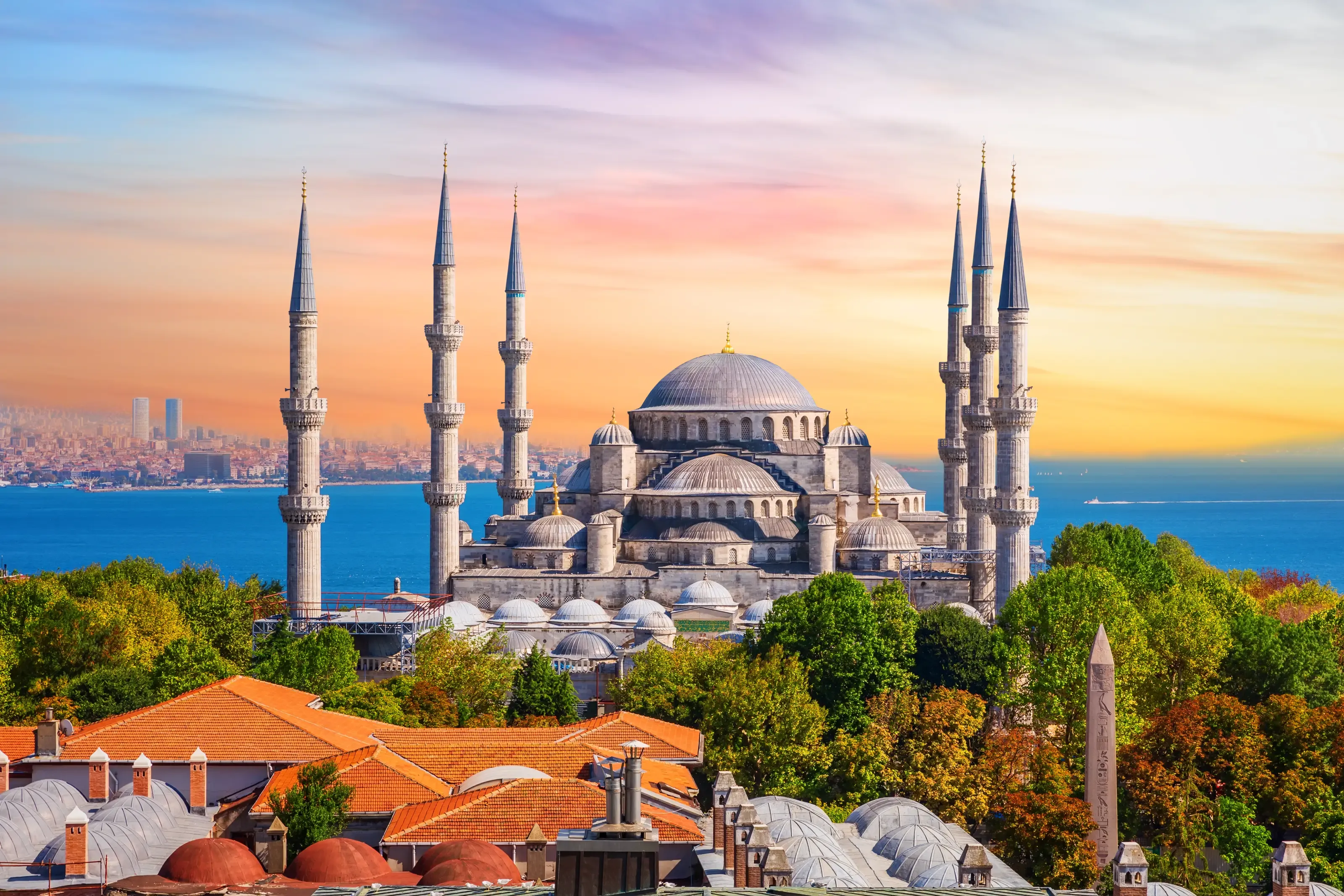
Generating roughly 30% of Turkey's entire GDP, this city runs on finance, trade, manufacturing, and increasingly, tourism — the second most-visited city globally in 2024 according to Euromonitor. Major employers span banking (Garanti, İş Bankası, Akbank all headquartered here), logistics, textiles, and a growing tech sector that places Istanbul among the world's top 100 science and technology clusters. Remote workers and digital nomads have flooded in since 2021, drawn by low costs and a genuinely cosmopolitan business culture, though local white-collar salaries remain modest by Western standards.
A one-bedroom in the city center runs around $500/month, though desirable neighborhoods like Beşiktaş or Cihangir push closer to $700–900. Public transit is extensive and cheap — a monthly Istanbulkart pass costs roughly $25. Private healthcare is excellent and affordable; a GP visit at a decent private clinic runs $30–60. The language barrier is real: outside tourist zones and corporate offices, English gets you surprisingly little. Bureaucracy for residency permits has tightened since 2022, with minimum financial requirements raised and processing times stretching to several months. Earthquake risk is not hypothetical — the North Anatolian Fault runs directly beneath the city.
Four distinct seasons mean hot, humid summers and genuinely cold, grey winters with occasional snow. The food scene is legitimately excellent at every price point — a full sit-down meal rarely exceeds $10–15. The expat community is large and self-organizing, particularly in Kadıköy and Beyoğlu, with regular meetups and coworking spaces. Weekends mean Bosphorus ferry rides, rooftop bars, historic sites that most cities can't compete with, and day trips to the Princes' Islands. This city suits ambitious remote workers or early retirees who want a major world city at a fraction of Western European costs and don't mind navigating real bureaucratic friction.
Estimate the cost of moving to Istanbul, Turkey
Get a free moving cost estimate for moving to Istanbul, Turkey. Takes 10 seconds.
How much are you shipping?
When are you moving?
Powered by Sirelo. Free quotes from international movers.
🏚️ Cost of Living
💰 Budgets and Costs
$1,016/mo, one person, rent included
Selected: budget lifestyle
Istanbul on a budget budget comes to about $1,016 a month for one adult, with $646 of that going to rent. Beyond rent the estimate covers $93.00 on groceries, $49.00 on dining out, $43.00 on entertainment and lifestyle, $118 on utilities and connectivity and $67.00 on transport.
Rent
$646/mo
1BR outside the centre
Groceries
$93.00/mo
75% of mid-range grocery spend
Dining out
$49.00/mo
4 inexpensive meals
Entertainment & lifestyle
$43.00/mo
1 cinema trip, 8 cappuccinos
Utilities & connectivity
$118/mo
utilities, mobile, internet
Transport
$67.00/mo
Monthly pass
Budgets (excl. rent)
Single person$370/mo
Excludes rent. The total above is all-in, rent included.
$1,221/mo, one person, rent included
Selected: mid-range lifestyle
Istanbul on a mid-range budget comes to about $1,221 a month for one adult, with $646 of that going to rent. Beyond rent the estimate covers $124 on groceries, $122 on dining out, $144 on entertainment and lifestyle, $118 on utilities and connectivity and $67.00 on transport.
Rent
$646/mo
1BR outside the centre
Groceries
$124/mo
Staples basket scaled to a full month
Dining out
$122/mo
10 inexpensive meals
Entertainment & lifestyle
$144/mo
gym, 2 cinema trips, 12 cappuccinos
Utilities & connectivity
$118/mo
utilities, mobile, internet
Transport
$67.00/mo
Monthly pass
Budgets (excl. rent)
Single person$575/mo
Excludes rent. The total above is all-in, rent included.
$1,789/mo, one person, rent included
Selected: comfortable lifestyle
Istanbul on a comfortable budget comes to about $1,789 a month for one adult, with $995 of that going to rent. Beyond rent the estimate covers $174 on groceries, $240 on dining out, $195 on entertainment and lifestyle, $118 on utilities and connectivity and $67.00 on transport.
Rent
$995/mo
1BR in the centre
Groceries
$174/mo
140% of mid-range grocery spend
Dining out
$240/mo
6 inexpensive meals + 6 mid-range meals
Entertainment & lifestyle
$195/mo
gym, 4 cinema trips, 20 cappuccinos
Utilities & connectivity
$118/mo
utilities, mobile, internet
Transport
$67.00/mo
Monthly pass
Budgets (excl. rent)
Single person$794/mo
Excludes rent. The total above is all-in, rent included.
Estimates for one adult, built from this city's average prices and the usage shown for each tier. Your spending will differ with how often you eat out and where you live.
A 1BR in the center runs about $994.52/mo. If your income is in another currency, bank FX fees add up. A multi-currency account can cut that cost.
Istanbul feels moderately safe for expats in established neighborhoods like Beyoğlu, Kadıköy, and Beşiktaş, where you'll see regular foot traffic and police presence. Daytime walking is generally comfortable; nighttime safety depends heavily on location and company. The city's reputation for danger is overstated—it's not a high-violence destination, though petty crime and scams are real concerns that require street awareness.
Pickpocketing and bag snatching occur frequently in crowded areas (Grand Bazaar, Taksim Square, public transit). Taxi scams targeting foreigners are common; use Uber or Bolt instead. Avoid displaying expensive jewelry or electronics. Solo female travelers report occasional harassment but generally navigate safely with normal precautions. Avoid Fatih and outer districts after dark unless you know them well.
Turkey's political environment is stable for residents, though protests occasionally occur in central areas—avoid large gatherings. Police are generally reliable but corruption exists in lower ranks. Terrorism remains a low but non-zero risk; attacks have targeted tourist areas historically. For a 30-65 American considering relocation, Istanbul is reasonably safe if you choose neighborhoods wisely, stay alert to petty crime, and maintain situational awareness. It's livable, not dangerous.
Istanbul has a safety index of 58/100. Petty theft and lost belongings are the most common problems for newcomers. Compare travel insurance before you go.
Located in the vibrant Kozyatağı neighborhood on the Asian side, Impact Hub Istanbul offers a collaborative environment with a focus on social impact and sustainability, making it ideal for purpose-driven remote workers. They host regular events and workshops.
Workinton has multiple locations throughout Istanbul, including in central areas like Levent and Maslak. They offer modern facilities, meeting rooms, and a professional atmosphere suitable for established remote workers.
With several locations including Maslak and Levent, Kolektif House provides a stylish and community-focused coworking experience. They are known for their design-forward spaces and regular networking events, appealing to creative professionals and entrepreneurs.
WeWork has multiple locations in Istanbul, including in popular business districts like Şişli and Levent. It offers a consistent, globally recognized coworking experience with all the expected amenities and a large network.
See how Istanbul's digital nomad life compares with Aksaray
🧳 Expat Life
English Proficiency
Widely Spoken
Expat Community
Large & Active
Top Neighborhoods
Kadıköy, Beşiktaş, Nişantaşı
Banks Nearby
668
ATMs Nearby
653
Expat Life Notes
The cultural and financial heart of Turkey, bridging Europe and Asia with a massive international community.
Pros
✓ Endless cultural and historic sites
✓ Global transit hub
✓ Exciting nightlife
Cons
✗ Heavy traffic and noise
✗ Currency volatility
✗ Crowding in popular areas
🏘️ Neighborhoods in Istanbul
Areas of Istanbul that expats often consider.
Conditions can change from one block to the next, and these descriptions are general guides, not safety assessments. Before choosing where to stay or live, check current travel advisories, talk to people who live there, and visit in person if you can.
Cihangir
Bohemian, artistic, central, lively
Cihangir is a popular expat hub known for its cafes, art galleries, and vintage shops. It's very walkable and centrally located, but can be noisy and touristy, especially on weekends. Expect higher prices due to its popularity.
Kadıköy
Vibrant, alternative, coastal, youthful
Located on the Asian side, Kadıköy offers a more local and alternative vibe. It's known for its bustling market, street art, and lively nightlife. Ferries provide easy access to the European side, but commuting can be time-consuming.
Nişantaşı
Upscale, fashionable, sophisticated, central
Nişantaşı is an upscale neighborhood with designer boutiques, high-end restaurants, and art galleries. It's a great option for those seeking a luxurious lifestyle and central location. Expect high rents and a more polished, less bohemian atmosphere.
Beşiktaş
Lively, student-friendly, central, bustling
Beşiktaş is a vibrant neighborhood known for its football stadium, lively market, and student population. It's well-connected by public transport and offers a mix of traditional and modern amenities. It can be crowded and noisy, especially on game days.
Moda
Relaxed, coastal, residential, charming
Located in Kadıköy, Moda is a more relaxed and residential area with a beautiful coastline. It's known for its cafes, parks, and charming streets. It's a good option for those seeking a quieter lifestyle while still being close to the city's amenities.
Balat
Historic, colorful, multicultural, gentrifying
Balat is a historic neighborhood with colorful buildings and a rich cultural heritage. It's undergoing gentrification and becoming increasingly popular with tourists. While charming, it may not be as expat-friendly as other areas due to language barriers and limited English spoken.
Üsküdar
Traditional, conservative, historical, panoramic
Üsküdar, on the Asian side, offers a more traditional Turkish experience with stunning views of the Bosphorus. It's less touristy than other areas but also less expat-friendly due to language and cultural differences. It's a good option for those seeking a more authentic experience.
Page 1 of 2
Could living/working in Istanbul cut years off your work life?
With a 1-bedroom in the center at $995/mo, your FIRE number here might be much lower than you think.
Istanbul has a population of approximately 15,655,924 people.
A single person can expect to spend around $2,486 per month in Istanbul, including rent. A 1-bedroom apartment in the city center costs approximately $995/month.
The nearest airport to Istanbul is ISL, approximately 11.8km away.
Istanbul is considered moderate in terms of safety, with a safety index of 58.0. As with any city abroad, expats should research specific neighborhoods before committing to a location.
Istanbul has an average internet speed of 68 Mbps. It is considered a well-established digital nomad destination.
Harder than it used to be. Turkey tightened rules significantly in 2022–2023, restricting tourist-to-resident conversions in high-density districts and raising financial proof requirements. Processing times can stretch 3–6 months. Many expats now use immigration lawyers ($300–600) rather than navigating it alone. Research which districts are currently closed to new applications before you commit to a neighborhood.
Day-to-day street safety in expat-heavy neighborhoods like Kadıköy, Beşiktaş, and Cihangir is generally fine — petty theft exists but violent crime against foreigners is uncommon. The safety index of 58 reflects broader urban concerns. The more serious long-term risk is seismic: Istanbul sits near the North Anatolian Fault and a major earthquake is considered overdue by geologists. Check building age and construction standards before signing a lease.
In expat neighborhoods, tourist areas, and corporate environments, yes. Outside those zones, no — English proficiency drops off sharply. Dealing with landlords, government offices, banks, and local services without Turkish is genuinely frustrating. Most long-term expats pick up functional Turkish within a year out of necessity. Apps like Duolingo help, but Turkish grammar is legitimately difficult for English speakers.
Istanbul can be surprisingly affordable. Expect to pay $700-$1500 USD per month for a one-bedroom apartment depending on the neighborhood (Beyoglu is pricier than Kadikoy), $300-$500 for groceries, and $10-20 for a decent meal out. Utilities are relatively inexpensive, but factor in transportation costs if you're not centrally located.
For long-term stays, Americans typically pursue a tourist visa initially, then apply for a residence permit based on reasons like property ownership, business investment, or family ties. The process can be bureaucratic, so consider hiring a local lawyer to navigate the requirements and paperwork efficiently. Keep in mind that overstaying a tourist visa can result in fines and difficulty re-entering Turkey.
Istanbul has a mix of public and private hospitals, with the private hospitals generally offering higher standards of care and shorter wait times. Many doctors in private hospitals speak English, especially those who have trained abroad. Private health insurance is recommended, and you can find plans that cover a wide range of services.
Popular expat neighborhoods include Cihangir and Galata (trendy, central, pricier), Kadikoy (laid-back, diverse, good value), and Bebek (upscale, coastal). Consider your budget, lifestyle preferences, and proximity to amenities when choosing a neighborhood. Researching online forums and visiting different areas is highly recommended.
Istanbul experiences four distinct seasons. Summers (June-August) are hot and humid, with temperatures often reaching the 80s (Fahrenheit). Winters (December-February) are cold and sometimes snowy, with temperatures dropping to the 30s. Spring and autumn offer pleasant weather, making them ideal times to visit or live there.
Internet speed and reliability are generally good in Istanbul, especially in central areas. You can find fiber optic connections in many apartments and co-working spaces. However, power outages can occasionally disrupt service, so having a backup plan (like a mobile hotspot) is advisable.
Yes, Istanbul has a growing number of coworking spaces catering to digital nomads and freelancers. These spaces offer a variety of amenities, including high-speed internet, meeting rooms, and networking opportunities. Popular options include Kolektif House and Impact Hub Istanbul.
Opening a bank account can be challenging but is possible with the right documentation. You'll typically need your passport, residence permit (if you have one), and proof of address. Some banks may require a Turkish tax identification number. Shop around for banks that cater to foreigners and offer English-speaking services.
As a US citizen, you're still required to file US taxes even when living abroad. You may be able to exclude a significant portion of your foreign earned income using the Foreign Earned Income Exclusion (FEIE). Also, be aware of FBAR (Report of Foreign Bank and Financial Accounts) requirements if you have foreign bank accounts exceeding $10,000 in aggregate.
Several options exist for international money transfers, including Wise (formerly TransferWise), Remitly, and traditional bank transfers. Wise often offers the best exchange rates and lower fees. Be sure to compare fees and exchange rates before making a transfer. Also, be aware of any reporting requirements for large transfers.
Istanbul has an extensive public transportation system, including buses, trams, metros, ferries, and funiculars. The IstanbulKart is a rechargeable card that can be used on most forms of public transport. While generally efficient, the system can be crowded during peak hours. Taxis and ride-sharing services are also readily available.
Istanbul can be a viable option for FIRE, especially if you have a solid passive income stream. The lower cost of living compared to many Western countries allows you to stretch your savings further. However, it's crucial to factor in healthcare costs, potential currency fluctuations, and the need for a comfortable buffer in your budget.
Istanbul has a sizable and diverse expat community, making it relatively easy to connect with other foreigners. Numerous expat groups and social events are organized regularly. Online forums and social media groups are great resources for finding information and meeting people. Don't be afraid to strike up conversations with locals too – many are welcoming and eager to practice their English.
Comfortable retirement in Istanbul could range from $1500-$2500 USD per month, depending on your lifestyle. This should cover rent in a decent neighborhood, groceries, healthcare, and some entertainment. Luxury living would naturally require a higher budget. It's wise to visit and experience the city firsthand to get a realistic sense of your potential expenses.
While Istanbul is generally safe, petty crime like pickpocketing can occur in crowded tourist areas. Exercise caution in areas like Taksim Square and Sultanahmet, especially at night. It's always a good idea to be aware of your surroundings and avoid walking alone in poorly lit areas. Research current events and any travel advisories before your trip.
Cost-of-living and visa updates for Istanbul and the rest of Turkey. Free with RA Postcards.
By submitting your email address, you will receive a free subscription to RA Postcards and special offers from Rewire Abroad and our affiliates. You can unsubscribe at any time, and we encourage you to read more about our Privacy Policy.