Tourism dominates Didim's economy—package holidays and foreign property investment have transformed it from a fishing village into a coastal resort town since the 1980s. Agriculture (wheat, cotton, livestock) remains secondary but stable. Most expats here don't work locally; they're retirees, remote workers, or property investors. British buyers especially have fueled real estate booms, making construction and real estate services the visible job market. If you need employment, you're looking at tourism hospitality, English teaching, or running a business catering to expats.
A one-bedroom city center apartment runs $450/month; beachfront or newer developments cost significantly more. Transport is manageable—minibuses connect to Bodrum and İzmir airports (both 1–1.5 hours away), though you'll want a car for flexibility. Healthcare is decent; private clinics cater to expats, but serious issues mean traveling to İzmir. Turkish bureaucracy applies fully here; residency permits and property purchases require patience and paperwork. English is widely spoken among service workers and expats, but Turkish helps for government offices and local life.
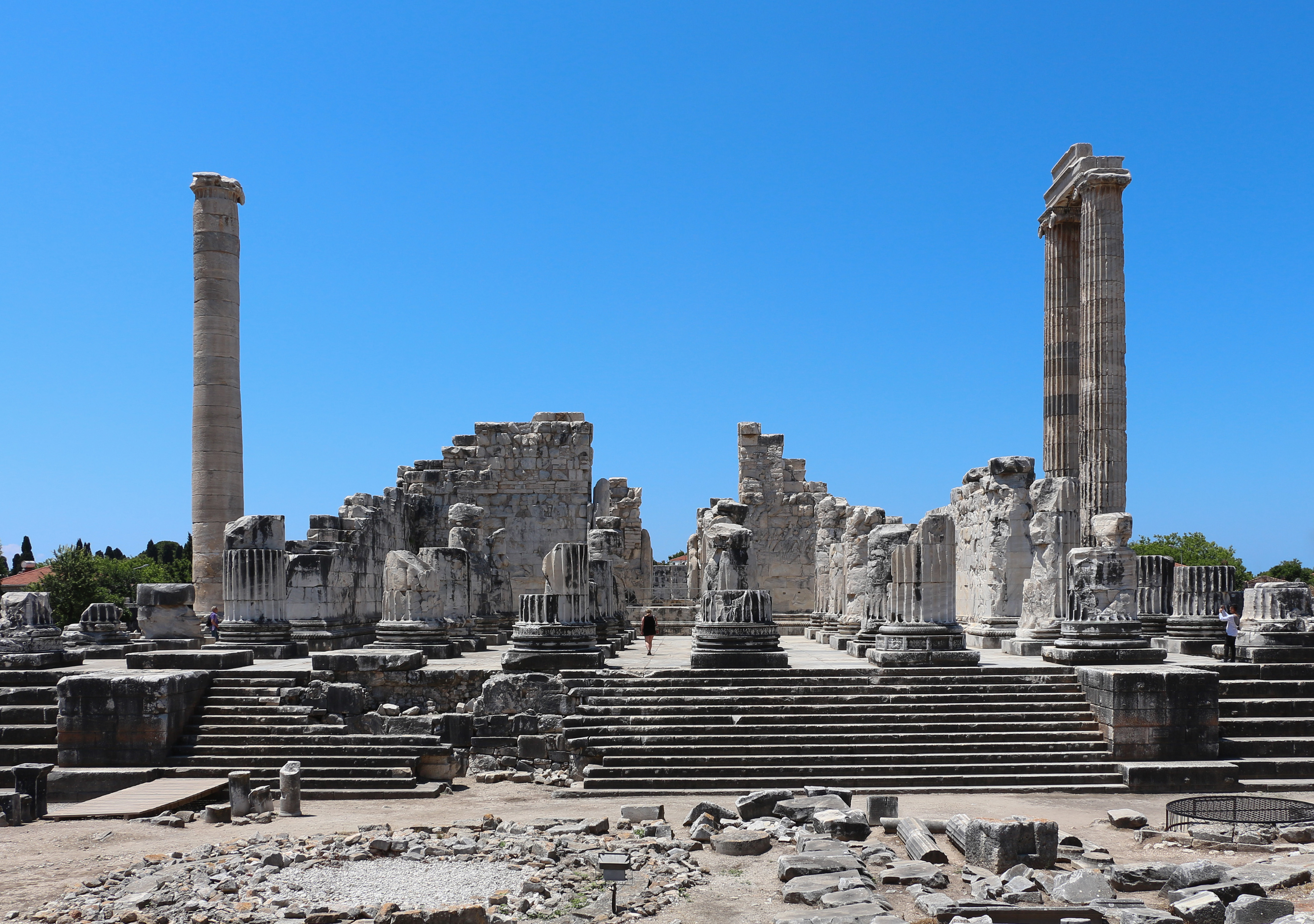
Expect 300+ sunny days yearly, mild winters, and Mediterranean beaches within walking distance. Food is fresh and cheap—local fish markets, Turkish mezze, and imported British goods in expat shops. The social scene revolves around beach clubs, expat meetups, and seasonal tourism crowds. The British expat community is substantial and visible, which means ready-made social networks but also insular bubbles. Weekends mean swimming, water sports, or day trips to Bodrum or ancient sites. Didim suits retirees seeking affordable seaside living, remote workers wanting reliable sun, and property investors—not ambitious career-builders or those seeking authentic Turkish culture.
Didim works best for retirees, remote workers, and property investors seeking affordable Mediterranean living with established expat infrastructure and minimal language friction.